
When considering a journey between two of North America’s most vibrant metropolises, the question of “How far is Toronto from New York?” is a fundamental starting point. This distance isn’t merely a geographical measurement; it influences the mode of transport, the time commitment, and the overall experience of traveling between these two influential cities. Whether you’re planning a quick business trip, a leisurely vacation, or an extended exploration, understanding the spatial relationship between Toronto and New York is crucial for effective planning.
The distance between Toronto, located in the province of Ontario, Canada, and New York City, situated in the state of New York, United States, can be measured in several ways, primarily by road and by air. Each method of travel offers a distinct perspective on the journey and caters to different traveler preferences.

Understanding the Geographical Span
The physical separation between Toronto and New York is significant enough to warrant careful consideration for any traveler. It dictates not just travel time but also the potential for enjoying the journey itself, whether that involves stopping at points of interest along the way or simply enjoying the efficiency of air travel.
Driving Distance and Estimated Travel Time
The most common way to quantify the distance between Toronto and New York for many is the driving distance. By road, the distance is approximately 550 to 600 miles (around 885 to 965 kilometers), depending on the specific route taken. This figure represents the measurement along major highways and connecting roads.
The actual driving time can vary considerably, but under ideal conditions with minimal traffic and no significant stops, the journey typically takes between 9 to 10 hours. However, this is a highly optimistic estimate. Travelers must account for several factors that can extend this time:
- Border Crossing: The international border crossing between Canada and the United States can be a significant bottleneck. Wait times at ports of entry like the Peace Bridge or the Rainbow Bridge can range from minutes to several hours, particularly during peak travel seasons, holidays, or even on typical weekend afternoons.
- Traffic Congestion: Both Toronto and New York are sprawling urban centers, and the corridors leading into and out of them are notorious for heavy traffic. Navigating the outskirts of Buffalo, Albany, and the approaches to New York City can add substantial time to the journey.
- Road Conditions and Weather: Seasonal weather, especially during winter, can dramatically impact road conditions. Snowstorms, ice, and heavy rain can slow traffic considerably and may even lead to road closures, particularly in rural areas or along mountain passes if less direct routes are chosen.
- Stops and Breaks: For a journey of this length, drivers will need to factor in time for rest stops, meals, and refueling. These breaks, while necessary for safety and comfort, add to the overall travel duration.
Considering these variables, a more realistic estimate for driving time often falls between 10 to 12 hours, and potentially longer during adverse conditions or peak travel periods. This makes it a feasible, albeit long, day trip for the determined traveler, or more commonly, an overnight journey broken by a stay in a city along the route, such as Syracuse or Rochester.
Air Travel: Speed and Efficiency
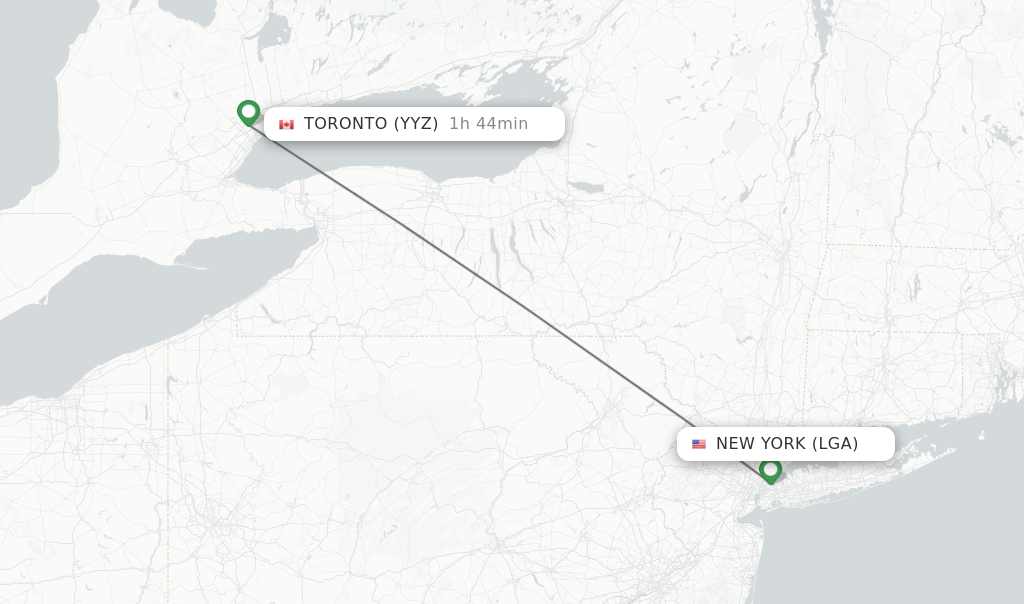
For travelers prioritizing speed and efficiency, air travel is the preferred method for traversing the distance between Toronto and New York. The actual flight time between Toronto Pearson International Airport (YYZ) and the various New York area airports, such as John F. Kennedy International Airport (JFK), LaGuardia Airport (LGA), or Newark Liberty International Airport (EWR), is remarkably short.
The flight itself typically lasts between 1 hour and 1 hour 30 minutes. This brevity makes it seem like an incredibly short hop on the map. However, it is crucial for travelers to consider the total time commitment when flying, which includes:
- Getting to the Airport: Traveling to Toronto Pearson International Airport or your chosen New York area airport can take significant time, depending on traffic and your starting point within each city.
- Airport Procedures: Arriving at the airport well in advance of your flight is essential. This includes time for check-in, security screening, and boarding procedures. For international flights, it’s recommended to arrive at least two to three hours before departure.
- Deplaning and Baggage Claim: Once the flight lands, there’s the time taken to disembark the aircraft and, if applicable, collect checked luggage.
- Getting from the Airport: Similarly, traveling from your destination airport into the heart of New York City or Toronto can involve considerable travel time, often relying on public transportation, taxis, or ride-sharing services, all of which can be affected by city traffic.
When all these factors are accounted for, the total door-to-door travel time for a flight between Toronto and New York can range from 5 to 7 hours, sometimes more. Despite this, air travel remains the fastest option for covering the distance. Numerous airlines offer frequent direct flights between the two cities, making it a convenient choice for business travelers and those with limited time.
Factors Influencing the Journey
Beyond the sheer distance, several other elements play a pivotal role in shaping the travel experience between Toronto and New York. These include the choice of transport, the season of travel, and personal preferences for the journey itself.
Mode of Transportation and Its Implications
The choice of how to travel between these two cities is directly tied to the distance and the traveler’s priorities.
- Driving: Offers unparalleled flexibility. You can depart on your own schedule, make spontaneous stops, and carry as much luggage as your vehicle allows. This is ideal for families, those transporting goods, or individuals who enjoy scenic road trips. However, it requires endurance and patience due to the long hours on the road and potential traffic delays.
- Flying: Provides the quickest way to cover the physical distance. It’s ideal for business trips or short vacations where maximizing time in the destination is paramount. The trade-off is the less flexible schedule, the need to adhere to airport regulations, and the potential for delays inherent in air travel.
- Train: While not as direct or as frequently used for this specific route as driving or flying, train travel is an option. Amtrak offers services that can connect the two cities, often involving transfers. This mode of transport can be more relaxed than driving, allowing passengers to work or sightsee en route, but it is generally slower than flying and can also be subject to delays. The scenery can be a bonus for those who appreciate it.
- Bus: A more budget-friendly option, bus services also connect Toronto and New York. This is typically the slowest mode of transport, often involving overnight journeys and multiple stops. It appeals to budget-conscious travelers who are not time-sensitive.
Each mode of transportation has its own set of advantages and disadvantages that should be weighed against the distance and the traveler’s individual needs and preferences.
Seasonal Considerations and Peak Travel Times
The time of year you choose to travel can significantly impact your journey between Toronto and New York.
- Summer (June-August): This is a popular time for travel, meaning flights and hotels may be more expensive, and attractions in both cities will be busier. Road conditions are generally good, but traffic can be heavy.
- Fall (September-November): Offers pleasant weather for driving and potentially fewer crowds than in summer. The fall foliage in parts of New York state can be a beautiful sight for those driving.
- Winter (December-February): Driving can be challenging due to snow and ice, leading to potential delays and hazardous conditions. Air travel might be less affected by weather, but snowstorms can still cause flight cancellations. This is often a less busy travel period, though the holiday season can be an exception.
- Spring (March-May): The weather improves, making driving more pleasant. As winter recedes, travel picks up again, especially around spring break and towards the summer season.
Understanding these seasonal variations helps in making informed decisions about the best time to travel and what to expect in terms of weather, crowds, and costs.
Planning Your Trip: Bridging the Distance
Successfully navigating the distance between Toronto and New York requires thoughtful planning. Whether your goal is to minimize travel time or to enjoy the journey, considering the logistics beforehand will enhance your overall experience.
Choosing the Right Route and Accommodation
For those opting to drive, studying the various route options is essential. The most direct route typically involves heading south from Toronto towards the United States border, often via the Queen Elizabeth Way (QEW) to the Niagara region, crossing into New York state. From there, routes like I-90 East are common. However, alternative routes might offer more scenic vistas or bypass major traffic hubs, albeit at the cost of additional mileage or time. Websites and GPS applications can provide real-time traffic updates and suggest the fastest routes.
When planning an overnight stop, cities like Rochester, Syracuse, or even the smaller towns along the Finger Lakes region offer various accommodation options. From budget-friendly motels to charming bed and breakfasts, travelers can find places to rest and recharge. Booking accommodation in advance is always recommended, especially during peak travel seasons.

Maximizing Your Travel Experience
Regardless of the mode of transport chosen, there are ways to make the journey between Toronto and New York more enjoyable.
For drivers, treating the journey as an opportunity for exploration can transform a long drive into a mini-adventure. Consider stopping at the Niagara Falls, a truly iconic natural wonder, or exploring the historical sites and charming towns scattered throughout upstate New York. Packing snacks, creating a good playlist, and ensuring the vehicle is well-maintained are practical steps to ensure a smoother drive.
For air travelers, the key to a positive experience often lies in efficient pre-travel planning. Using travel apps to compare flight prices and book tickets in advance can lead to cost savings and better flight options. Understanding airport layouts and amenities can also help reduce stress. Once in the air, travelers can use the flight time to catch up on work, read a book, or simply relax and anticipate their arrival in the bustling energy of New York City.
The distance between Toronto and New York is more than just miles on a map; it’s a measure of time, effort, and the diverse ways in which we can connect two major North American centers. By understanding these nuances, travelers can make informed choices that best suit their needs, ensuring their journey between these two dynamic cities is both efficient and enjoyable.
LifeOutOfTheBox is a participant in the Amazon Services LLC Associates Program, an affiliate advertising program designed to provide a means for sites to earn advertising fees by advertising and linking to Amazon.com. Amazon, the Amazon logo, AmazonSupply, and the AmazonSupply logo are trademarks of Amazon.com, Inc. or its affiliates. As an Amazon Associate we earn affiliate commissions from qualifying purchases.