
The sinking of the RMS Titanic remains one of the most haunting chapters in maritime history. For over a century, the tragedy has been analyzed through every lens—engineering failures, navigation errors, and the social stratification of its passengers. However, a question that consistently fascinates researchers and history buffs alike is the spatial dimension of the disaster: exactly how far was the ship from its intended destination, New York City, when it met its icy fate?
To understand the scale of the tragedy, one must look at the geography of the North Atlantic Ocean and the ambitious trajectory the “Ship of Dreams” was intended to follow.
The Geography of a Maritime Tragedy
On the night of April 14, 1912, the Titanic struck an iceberg at approximately 11:40 PM. The vessel was cruising through the dark, frigid waters south of Newfoundland, a region notorious for icebergs drifting down from the Arctic.
Calculated Coordinates and Final Resting Place
The ship’s final distress signals placed it at approximately 41°44′ N, 49°57′ W. When we measure the distance from these specific coordinates to the mouth of the Hudson River in New York, the result is roughly 1,000 to 1,100 nautical miles (approximately 1,150 to 1,260 statute miles).
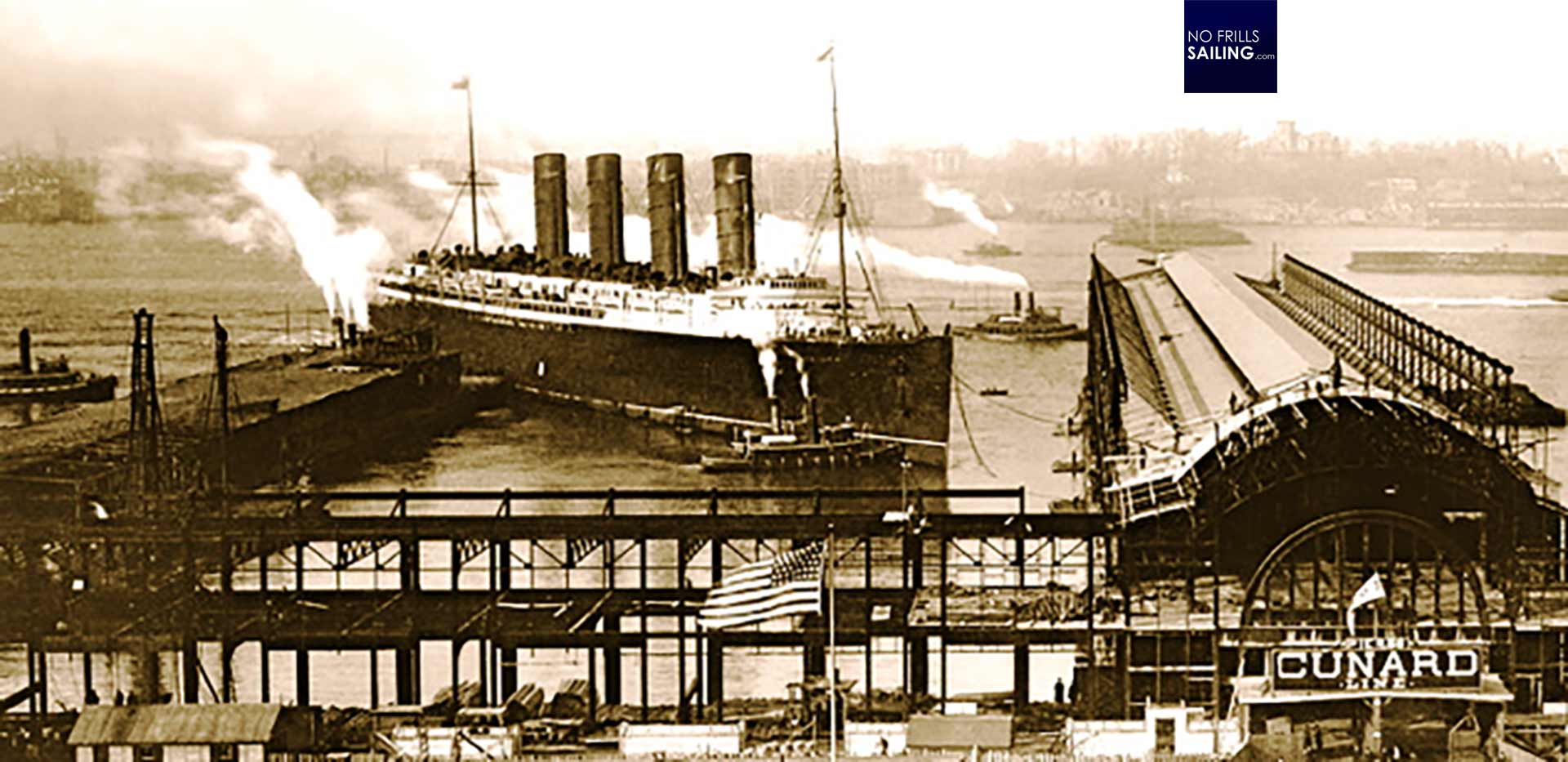
In modern terms, this distance represents a significant stretch of open ocean. For a ship traveling at its cruising speed of roughly 22 knots, the Titanic was effectively two days away from reaching Pier 54, the designated arrival point for the White Star Line’s premier ocean liners.
The Voyage Path and Expectations
The journey began in Southampton, England, with stopovers in Cherbourg, France, and Queenstown, Ireland. By the time the ship left the coast of Ireland, it was committed to a long, arduous trek across the unpredictable Atlantic Ocean.
The “Great Circle” Route
Navigators of the era relied on “Great Circle” routes to minimize the distance traveled across the curvature of the Earth. The Titanic was following a path that brought it dangerously close to the Labrador Current. Had the ship maintained its course for another 48 hours, it would have steered clear of the ice fields, eventually turning westward toward the United States.
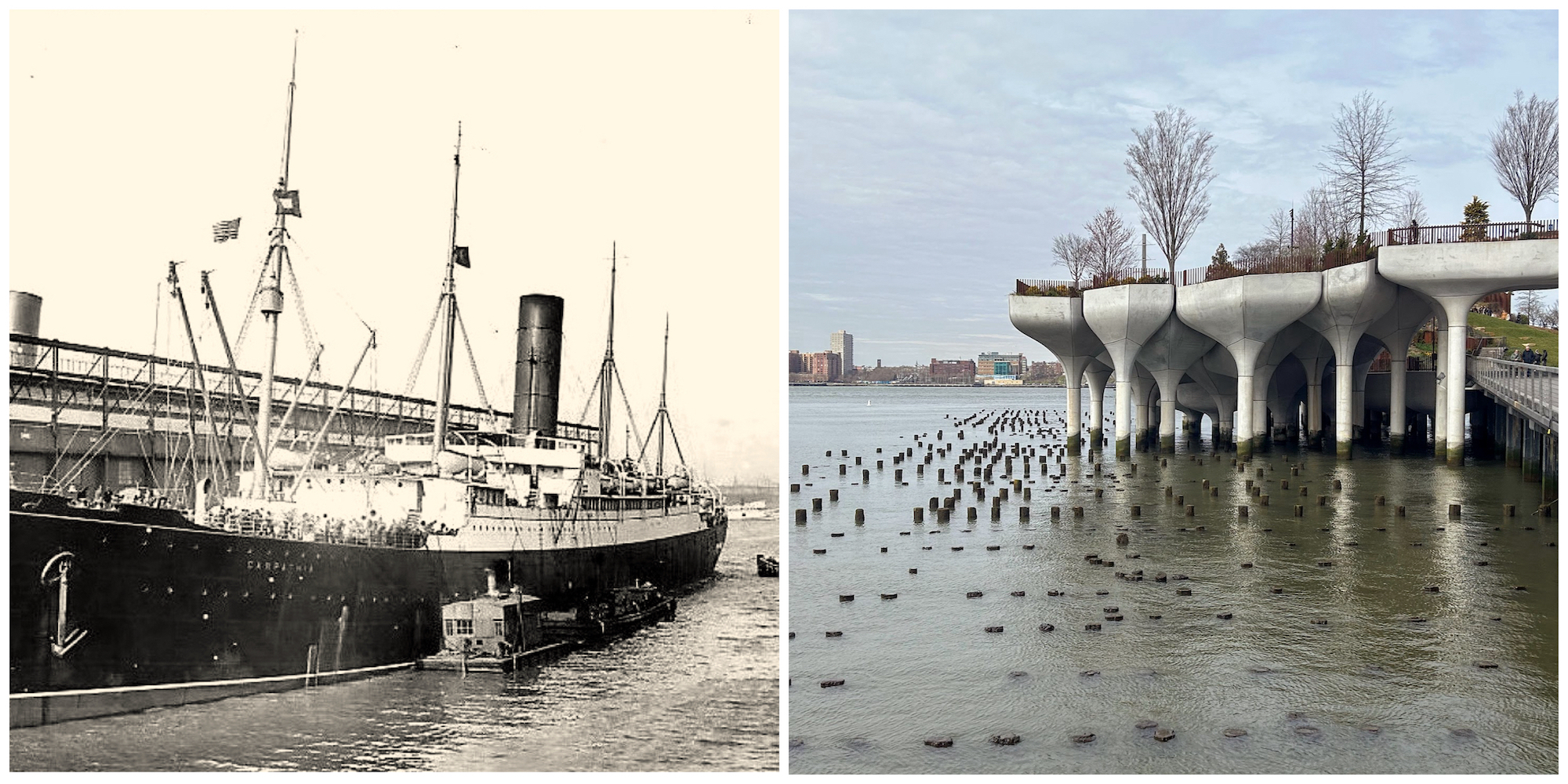
The frustration for historians lies in the proximity to rescue. While the RMS Carpathia famously responded to the distress calls, it was approximately 58 miles away when the Titanic began to founder. The fact that the ship was over a thousand miles from the lights of Manhattan highlights the immense isolation of the open sea in the early 20th century.
The Psychological Impact of Distance
The distance between the sinking site and New York City serves as a grim metaphor for the misplaced confidence of the era. The Edwardian public believed they had mastered the elements; the Titanic was seen as an invincible fortress of steel and engineering.
A City Awaiting Arrival
In New York, the anticipation was palpable. The newspapers were prepared to chronicle the record-breaking crossing, and families gathered at the docks, awaiting loved ones. The realization that their relatives were stranded in the middle of the North Atlantic created a profound sense of helplessness.
This distance—the 1,000-mile void—was not just a physical space; it was an information gap. During those hours, wireless technology was in its infancy. The frantic attempts to signal other ships, like the SS Californian, emphasized how lonely a location the ship was in. The world was watching New York City, but the reality was unfolding in a remote, frozen corner of the map that remained largely beyond the reach of human intervention.
Legacy of the Site
Today, the wreck of the Titanic rests on the seabed of the North Atlantic at a depth of about 12,500 feet. It is a site of immense historical significance, acting as an underwater museum of human ambition and failure.

Commemoration and Memory
While New York City remains the symbolic destination the Titanic never reached, the city has become the center for remembering the disaster. The Titanic Memorial Lighthouse and the various exhibits throughout the boroughs serve as anchors for those who wish to honor the memory of the passengers and crew.
Though the ship never completed its journey to the bustling harbor of New York, the narrative of its final thousand miles continues to resonate. It reminds us that no matter how advanced our technology becomes, we are still subject to the vast, unforgiving power of the natural world. The distance between the ship and its destination remains a poignant reminder of the fragility of human endeavor when faced with the immense, deep waters of the Atlantic.
LifeOutOfTheBox is a participant in the Amazon Services LLC Associates Program, an affiliate advertising program designed to provide a means for sites to earn advertising fees by advertising and linking to Amazon.com. Amazon, the Amazon logo, AmazonSupply, and the AmazonSupply logo are trademarks of Amazon.com, Inc. or its affiliates. As an Amazon Associate we earn affiliate commissions from qualifying purchases.