
Navigating the sprawling metropolis of New York City is an art form, and at its beating heart lies the iconic New York City Subway. For millions of commuters and tourists alike, this subterranean network is the lifeblood of the city, a constant hum of motion carrying people from their accommodations to their destinations. But beyond its sheer ubiquity, a common question arises for many: “How fast does the subway actually go in New York?” The answer, like the city itself, is complex, nuanced, and dependent on a multitude of factors. It’s not simply a matter of a fixed speed limit, but rather a dynamic interplay of track conditions, signal systems, operational demands, and the very nature of the subway’s extensive infrastructure.
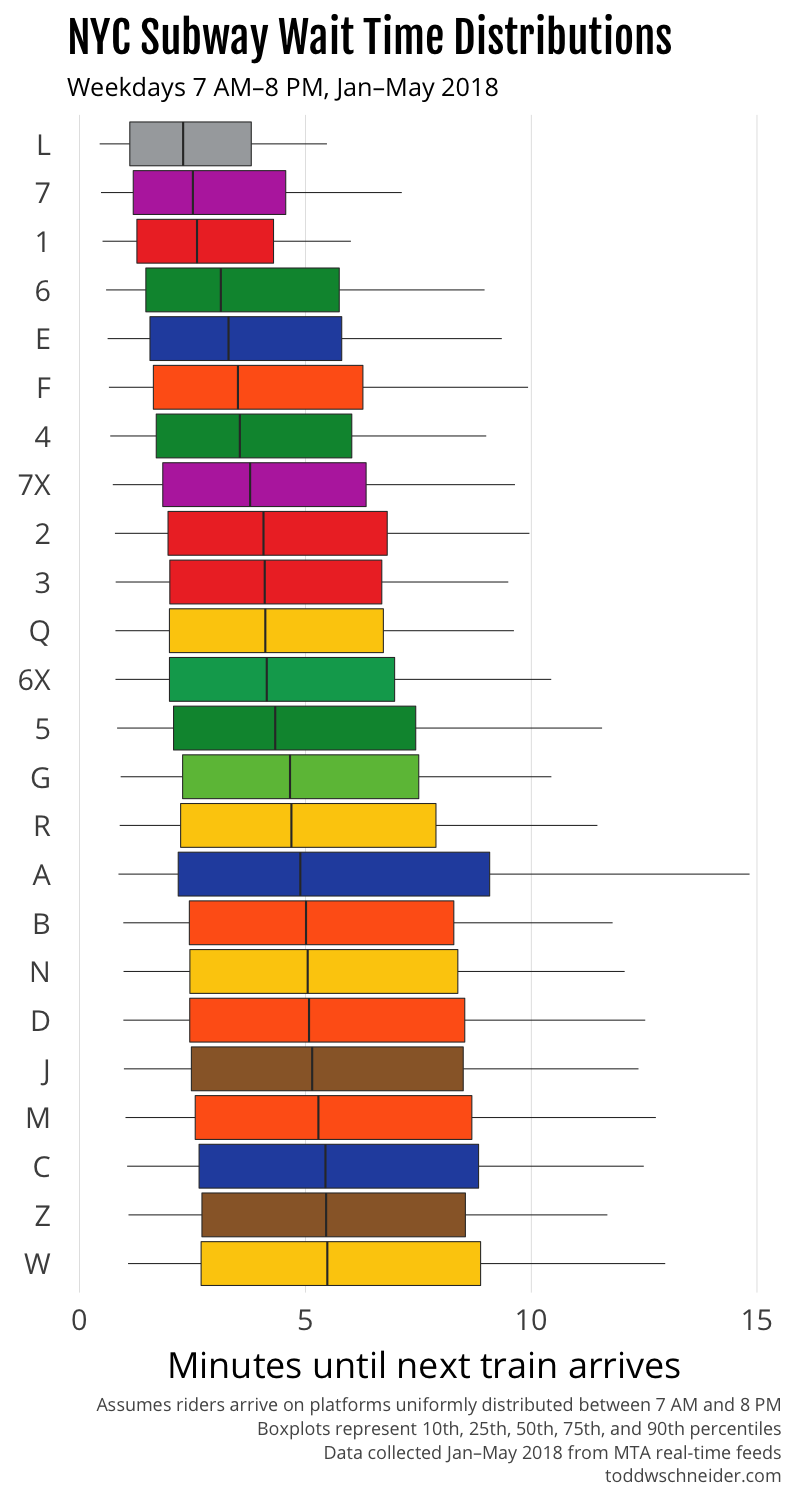
The speed of a New York City Subway train is not a static figure. It fluctuates dramatically, influenced by everything from the curve of the tracks to the density of passenger traffic. Understanding this variability is key to appreciating the intricate dance of this immense public transit system. While the average speed might seem modest when viewed on a map, the maximum speeds achieved can be surprisingly brisk, offering a glimpse into the engineering marvel that underpins daily life in New York.
The Mechanics of Speed: Factors Influencing Subway Velocity
The speed at which a New York City Subway train travels is a result of several interconnected elements. It’s a delicate balance that the Metropolitan Transportation Authority (MTA) strives to optimize for efficiency, safety, and passenger experience.
Track Geometry and Infrastructure
The physical layout of the subway tracks plays a significant role in determining how fast a train can safely go. Curves, inclines, and declines all dictate speed limits. Sharp turns require trains to slow down considerably to prevent excessive centrifugal force from impacting the cars and their passengers. Imagine trying to take a hairpin turn in a car at high speed – the subway faces similar, albeit more controlled, limitations. Sections of track that are straighter and flatter allow for higher speeds. Older sections of the subway, particularly those built in the early 20th century, often feature tighter curves and more frequent changes in elevation, which inherently limits their top speed.
Conversely, newer lines or upgraded sections of track are engineered with gentler curves and more consistent grades, allowing trains to maintain higher velocities for longer periods. The condition of the tracks themselves is also paramount. Worn or damaged tracks necessitate slower speeds for safety reasons. Regular maintenance and upgrades are therefore crucial for enabling the subway to operate at its optimal performance.
The Signal System: The Unseen Conductor
The New York City Subway operates on a complex signaling system that acts as the primary regulator of train speeds and headways (the time between successive trains). Historically, the system relied on a combination of trackside signals and a human element for managing train movements. However, in recent decades, there has been a significant push towards modernizing this system, introducing Communications-Based Train Control (CBTC).
-
Traditional Signals: In older parts of the system, trains are controlled by signals located along the tracks. These signals indicate whether a train can proceed, slow down, or stop, based on the position of other trains ahead. This system inherently creates larger gaps between trains and limits speeds, as a human operator must interpret the signals and react accordingly. The “line of sight” for these signals also dictates how far ahead a driver can see potential hazards, thus influencing the safe operating speed.
-
Communications-Based Train Control (CBTC): This advanced technology allows trains to communicate directly with a central control system. Instead of relying on fixed trackside signals, CBTC uses GPS and onboard sensors to pinpoint a train’s exact location. This enables more precise speed control, shorter headways, and improved efficiency. With CBTC, trains can travel closer together safely, and the system can dynamically adjust speeds based on real-time conditions. As more lines are upgraded to CBTC, the potential for higher and more consistent speeds increases. This technology is particularly evident on newer lines like the 2nd Avenue Subway and modernized sections of other routes.
Operational Demands and Station Stops
The primary purpose of the subway is to transport people between stations. Therefore, the frequency of station stops is a major determinant of overall travel time and, consequently, average speed. Trains spend a significant portion of their operational time accelerating from a stop, traveling at speed, and then decelerating to reach the next station.
The distance between stations varies greatly across the network. In densely populated areas like Manhattan, stations are often only a few blocks apart, requiring frequent acceleration and deceleration cycles. This drastically reduces the time trains can spend at their maximum speeds. In contrast, on express tracks or between stations in less dense outer boroughs, trains can achieve and maintain higher speeds for longer durations. The “express” versus “local” service model is a direct reflection of this, with express trains skipping many stops and therefore achieving higher average speeds.
The operational demands also include accommodating passenger boarding and alighting times. Even a few extra seconds spent at a crowded station can add up over a journey, impacting the overall speed.
Types of Trains and Service Patterns
The specific type of train car and the service pattern it operates on also influence its speed. Different train models have varying acceleration and braking capabilities. Older “R” series cars might not accelerate as quickly as newer “R179” or “R211” models.
Furthermore, the service pattern – whether a train is running as a local, express, or a limited service – dictates how many stops it makes. As mentioned, more stops mean lower average speeds. Express trains, designed to bypass numerous local stops, are inherently faster over longer distances. This is why a journey from the Upper East Side to the Financial District on an express line is significantly quicker than taking the local.
What Are the Actual Speeds Achieved?

So, what are the numbers behind these factors? While precise real-time speeds are constantly monitored by the MTA, we can look at general ranges and maximums.
Maximum Speeds on Straight Tracks
On straight, well-maintained sections of track with no immediate need to slow down for curves or signals, New York City Subway trains can reach impressive speeds. The most common maximum operational speed for most rolling stock on these ideal stretches is around 40 to 50 miles per hour (mph), which translates to approximately 64 to 80 kilometers per hour (kph). Some of the newer rolling stock and lines with advanced signaling may be capable of reaching slightly higher speeds, potentially touching 55 mph (88 kph) in optimal conditions.
It’s important to note that these are maximum operational speeds, meaning the speeds at which the trains are permitted and expected to travel under normal conditions. Exceeding these limits would be unsafe and is prevented by the signaling system and track design.
Average Speeds: A More Realistic Picture
The average speed of a New York City Subway train is a much lower figure and a more representative measure of the commuter experience. This average is heavily influenced by the number of stops, the time spent at stations, and the varying speed restrictions throughout the network. For a typical local service train in Manhattan, the average speed might hover around 15 to 20 mph (24 to 32 kph).
Express services, which skip more stops, will naturally have a higher average speed, perhaps in the range of 25 to 30 mph (40 to 48 kph) over their entire route. However, even these speeds are significantly lower than the maximum achievable speeds on open stretches of track. The constant rhythm of stop-start, the necessity of adhering to signal clearances, and the physical limitations of the track network all contribute to bringing down the average.
The Role of the Driver and Technology
While the infrastructure and signaling system set the parameters for speed, the train operator, or driver, plays a crucial role in executing these speeds. Modern train control systems assist drivers by providing guidance, but they are ultimately responsible for operating the train safely and efficiently within the established limits. The introduction of CBTC is gradually shifting some of this control towards automated systems, leading to more consistent adherence to speed profiles.
Beyond Speed: The Subway Experience in New York
While the question of “how fast” is a valid and interesting one, it’s also important to consider the broader context of the New York City Subway as a vital component of New York‘s travel and tourism landscape. The speed, or lack thereof, is directly tied to the system’s ability to serve its intended purpose: moving vast numbers of people efficiently throughout the five boroughs.
The Subway as a Landmark and Cultural Icon
The New York City Subway is more than just a transportation system; it is a landmark in itself. Its stations, with their distinct architectural styles, from the ornate tilework of older stations to the modern designs of newer ones, are a testament to the city’s evolving history. Many stations are vibrant hubs of activity, filled with street performers, bustling vendors, and a diverse cross-section of humanity. The sheer scale of the system, with its 472 stations and over 24 miles of track, makes it one of the largest in the world.
Riding the subway is an quintessential New York experience, offering a unique glimpse into the local culture. It’s a place where you can witness the incredible diversity of the city, from the hurried business executive to the aspiring artist, all sharing the same space. For tourists, it’s an authentic way to navigate the city, often faster and more economical than taxis or rideshares, especially during peak hours. It allows for spontaneous exploration, enabling visitors to easily hop between iconic attractions like Times Square, the Metropolitan Museum of Art, or the Statue of Liberty ferry terminal.
Accommodation and Travel Tips for Subway Users
For travelers planning a visit to New York City, understanding the subway system is crucial for optimizing their travel and selecting the right accommodation. Choosing a hotel or apartment located near a subway station can significantly enhance convenience and reduce travel times. Areas like Midtown, the Upper West Side, or parts of Brooklyn offer excellent access to multiple subway lines, making it easy to reach various parts of the city.
When looking for accommodation, consider factors like proximity to express lines for faster journeys into Manhattan, or the availability of direct service to attractions you plan to visit. Websites offering booking, reviews, and comparison of hotels and apartments can be invaluable tools. Many hotels in New York cater to travelers who rely on public transportation, offering maps and transit advice.
For a budget travel approach, embracing the subway is almost a necessity. It’s the most cost-effective way to get around, saving significant money on transportation that can be allocated to other experiences, such as sampling the diverse food scene or visiting attractions. For luxury travel, the subway can still be a practical choice for avoiding traffic, allowing more time to enjoy the city’s offerings.
Future of Subway Speed and Efficiency
The MTA is continuously working to improve the speed and efficiency of the New York City Subway. The ongoing rollout of CBTC is a major initiative aimed at increasing capacity and reducing travel times. Furthermore, infrastructure upgrades, track maintenance, and modernizing the rolling stock all contribute to enhancing the overall performance of the system.
While the subway may never reach the speeds of high-speed rail lines in other parts of the world, its strength lies in its ubiquity and its ability to serve millions daily, connecting diverse neighborhoods and facilitating the dynamic pulse of New York City. The speed of the subway is a balance of engineering, operational necessity, and the inherent complexity of an aging yet continually evolving urban transit giant. So, the next time you’re on a New York City Subway train, take a moment to appreciate the intricate dance of speed, stops, and signals that makes this indispensable system tick.
LifeOutOfTheBox is a participant in the Amazon Services LLC Associates Program, an affiliate advertising program designed to provide a means for sites to earn advertising fees by advertising and linking to Amazon.com. Amazon, the Amazon logo, AmazonSupply, and the AmazonSupply logo are trademarks of Amazon.com, Inc. or its affiliates. As an Amazon Associate we earn affiliate commissions from qualifying purchases.