
The Boston Marathon, a hallowed institution in the world of distance running, represents the pinnacle of amateur marathon achievement. For countless runners, the dream isn’t just to finish the legendary 26.2 miles from Hopkinton to Boston, but to earn a coveted spot through its stringent qualification standards. Achieving a Boston Marathon qualifying time is a testament to years of dedication, disciplined training, and an unwavering commitment to the sport. This article delves into the intricacies of these qualifying standards, exploring what it takes to meet them and the strategic considerations for aspiring participants.
Understanding Boston Marathon Qualifying Standards
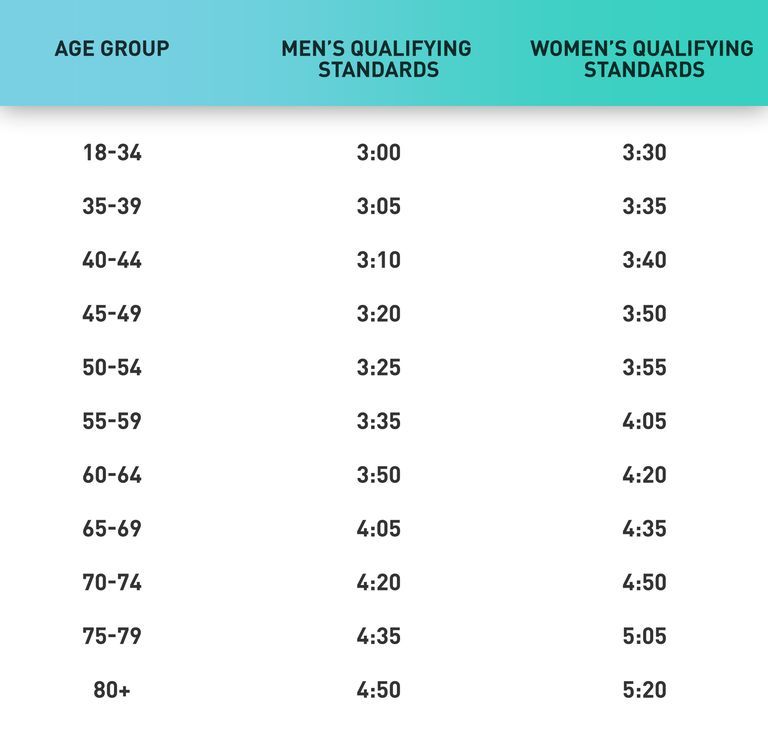
The Boston Marathon uses a “B.A.A. Qualifying Time” system, which is determined by age and gender. These times are not static; they are updated periodically by the Boston Athletic Association (B.A.A.) to reflect the evolving landscape of marathon running and to manage the immense popularity of the event. The qualifying window for any given Boston Marathon typically opens well in advance of the race date, allowing runners ample opportunity to achieve their target time.
Age and Gender-Based Requirements
The qualifying times are structured to acknowledge that running performance naturally changes with age. Generally, as runners get older, the qualifying times become more lenient. This recognizes the physiological challenges that come with aging and ensures that participation remains accessible across a wide spectrum of experienced runners.
-
Men:
- 18-34: 3 hours 00 minutes 00 seconds
- 35-39: 3 hours 00 minutes 00 seconds
- 40-44: 3 hours 05 minutes 00 seconds
- 45-49: 3 hours 10 minutes 00 seconds
- 50-54: 3 hours 20 minutes 00 seconds
- 55-59: 3 hours 30 minutes 00 seconds
- 60-64: 3 hours 40 minutes 00 seconds
- 65-69: 3 hours 50 minutes 00 seconds
- 70-74: 4 hours 00 minutes 00 seconds
- 75-79: 4 hours 15 minutes 00 seconds
- 80+: 4 hours 30 minutes 00 seconds
-
Women:
- 18-34: 3 hours 30 minutes 00 seconds
- 35-39: 3 hours 30 minutes 00 seconds
- 40-44: 3 hours 35 minutes 00 seconds
- 45-49: 3 hours 40 minutes 00 seconds
- 50-54: 3 hours 55 minutes 00 seconds
- 55-59: 4 hours 05 minutes 00 seconds
- 60-64: 4 hours 15 minutes 00 seconds
- 65-69: 4 hours 25 minutes 00 seconds
- 70-74: 4 hours 35 minutes 00 seconds
- 75-79: 4 hours 50 minutes 00 seconds
- 80+: 5 hours 05 minutes 00 seconds
It is crucial to note that these are the minimum qualifying times. The Boston Marathon is one of the most competitive races globally, and simply meeting the qualifying time does not guarantee entry. The B.A.A. uses a “best-effort” system; the fastest qualifiers are accepted first, and once the field is full, registration closes. Therefore, many runners aim to run significantly faster than the minimum standard to increase their chances of acceptance.
The Qualifying Window and Approved Races
The B.A.A. designates specific races as “B.A.A. Qualifying Races.” These are marathons officially certified to meet specific course measurement standards, ensuring fairness and accuracy. Runners must achieve their qualifying time in a race that falls within the designated qualifying window for the Boston Marathon they wish to enter. This window typically opens in September of the year preceding the race and runs through mid-September of the race year. For example, to qualify for the 2025 Boston Marathon, a runner would need to achieve their time in an approved race between September 1, 2023, and mid-September 2024.
It is imperative for aspiring participants to consult the official B.A.A. website for the most up-to-date list of approved qualifying races and the precise dates of the qualifying window. Not all marathons are automatically certified, and some may have specific requirements for their courses to be considered B.A.A. approved.
Strategic Approaches to Achieving a Boston Qualifying Time
Qualifying for the Boston Marathon is not merely about running fast; it involves a comprehensive and strategic approach to training and race selection.
Crafting a Training Plan
A successful training plan for a Boston Qualifying time is built upon several key pillars: consistency, progressive overload, and specificity.
Building a Strong Aerobic Base
The foundation of any marathon training plan is a robust aerobic base. This involves consistent mileage accumulation over an extended period, focusing on easy-paced runs that build endurance and efficiency. This phase typically lasts several months, allowing the body to adapt to the demands of prolonged running.
Incorporating Speed Work and Strength Training
As the race date approaches, the training plan must evolve to include elements that improve speed and power. This involves:
- Tempo Runs: Sustained runs at a comfortably hard pace, designed to improve lactate threshold.
- Interval Training: Short bursts of high-intensity running interspersed with recovery periods, which boost VO2 max and running economy.
- Long Runs: Gradually increasing the distance of weekly long runs to prepare the body for the demands of race day.
- Strength Training: Focusing on core strength, leg power, and injury prevention exercises is crucial for maintaining form and reducing the risk of ailments.

Pacing Strategy and Race Execution
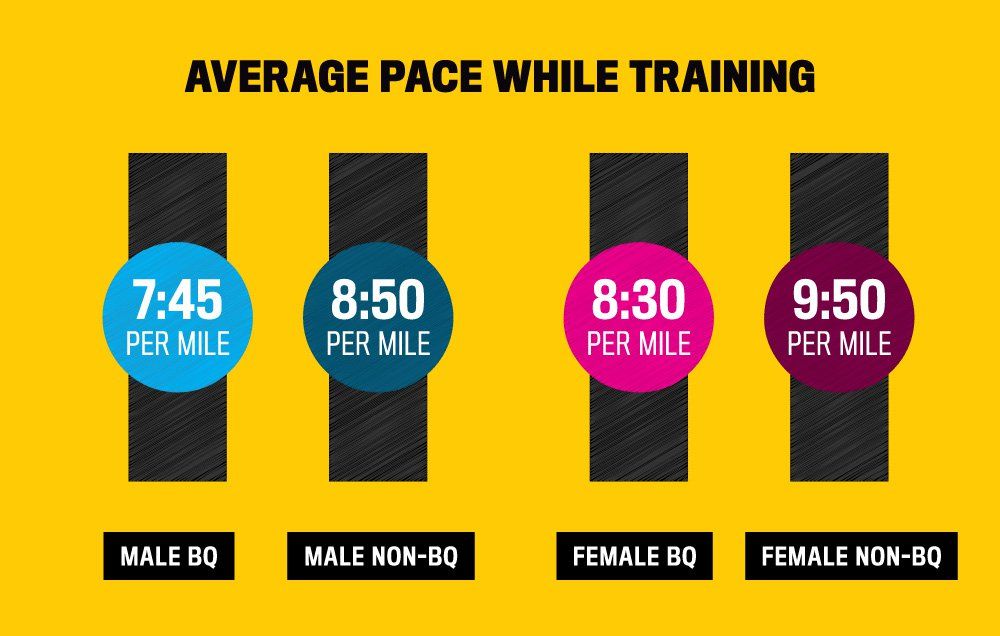
Understanding race day pacing is as vital as the training itself. Runners should aim to run at a pace that is slightly faster than their B.A.A. qualifying time, accounting for potential fluctuations and the sheer magnitude of running a marathon. Practicing race pace during long runs and tempo workouts is essential for building confidence and refining execution.
Selecting the Right Qualifying Race
The choice of a qualifying race can significantly impact a runner’s ability to achieve their target time. Several factors come into play:
Course Profile and Conditions
- Flat and Fast Courses: Races known for their flat and fast profiles are generally preferred for time-qualifying attempts. Courses like the Chicago Marathon or the Berlin Marathon are renowned for their speed-friendly layouts and often yield fast times.
- Weather: The time of year and the typical weather conditions of a race are critical. A race in a cooler month with a history of favorable temperatures is more conducive to fast running than one prone to heat and humidity.
- Crowds and Competition: A well-supported race with a strong field of runners can provide motivation and pacemaking assistance, potentially leading to faster times.
Logistics and Accessibility
Beyond the course itself, practical considerations like travel time, accommodation availability in the race city, and the ease of registration can influence the decision. For many, choosing a qualifying race that is geographically accessible and fits their schedule is a paramount concern.
The Mental Game: Perseverance and Resilience
Achieving a Boston Marathon qualifying time is as much a mental challenge as it is a physical one. The journey often involves setbacks, plateaus, and moments of doubt.
Overcoming Plateaus and Setbacks
Training for a marathon is a long-term endeavor, and it’s rare to experience continuous progress without encountering obstacles. Common challenges include:
- Injuries: Minor aches and pains are almost inevitable. Learning to listen to one’s body, rest when necessary, and seek professional guidance from physical therapists or sports medicine specialists is crucial for a sustainable training program.
- Training Plateaus: Periods where progress seems to stall are common. This often requires a review of the training plan, potentially introducing new stimuli or adjusting volume and intensity.
- Mental Fatigue: The sheer volume of training can lead to burnout. Maintaining motivation through varied training, running with groups, and setting smaller, achievable goals along the way can help.
The Psychology of Race Day
On race day, a runner’s mental fortitude is tested. Visualizing success, maintaining a positive self-talk, and focusing on executing the pre-determined race plan are vital. The competitive atmosphere of a major marathon, even a qualifying race, can be exhilarating, but it’s important to stay composed and avoid getting swept up in overly ambitious early pacing.
Beyond Qualification: The Boston Marathon Experience
Earning a spot in the Boston Marathon is an accomplishment in itself, but it’s also the gateway to an unparalleled race day experience. The historic course, the passionate crowds lining the streets from Hopkinton to Boston, and the sense of community among runners create an atmosphere unlike any other.
The Journey to the Start Line
The qualification process is an extensive commitment. It requires discipline, sacrifice, and a deep-seated passion for running. The satisfaction of crossing the finish line of a qualifying race, knowing that the Boston Marathon awaits, is immensely rewarding.
The Iconic Race Day
The actual Boston Marathon is an event steeped in tradition and emotion. The rolling hills of the Newton course, Heartbreak Hill, and the final stretch on Boylston Street are legendary. For those who have earned their place, it represents the culmination of a significant journey and the realization of a long-held running dream. Achieving a Boston Qualifying time is not just about running fast; it’s about embracing a lifestyle of dedication and pursuing excellence on one of the world’s most celebrated running stages.
LifeOutOfTheBox is a participant in the Amazon Services LLC Associates Program, an affiliate advertising program designed to provide a means for sites to earn advertising fees by advertising and linking to Amazon.com. Amazon, the Amazon logo, AmazonSupply, and the AmazonSupply logo are trademarks of Amazon.com, Inc. or its affiliates. As an Amazon Associate we earn affiliate commissions from qualifying purchases.