
The Maine Coon cat, often hailed as the “gentle giant” of the feline world, is renowned for its impressive size, luxurious shaggy coat, and friendly disposition. Originating from the state of Maine in the United States, this majestic breed captivates enthusiasts with its robust build and charming personality. For many prospective owners, one of the most intriguing questions revolves around their sheer physical presence: just how heavy do Maine Coon cats truly get? This inquiry is not merely about curiosity; it delves into practical considerations, influencing everything from daily care to the very lifestyle and accommodation choices of their human companions, much like how a family’s travel plans are shaped by their desired destinations and specific needs.
Understanding the typical weight range of a Maine Coon is essential for providing optimal care and ensuring a healthy, happy life for these magnificent creatures. Their substantial size sets them apart from most domestic cats, necessitating a thoughtful approach to nutrition, exercise, and even the type of living space they inhabit. Just as a discerning traveler researches hotels for spacious suites or pet-friendly amenities, a Maine Coon owner considers their home environment through the lens of their large feline companion. This article will explore the fascinating world of Maine Coon weight, delving into the factors that influence their size, the lifestyle implications of owning such a grand cat, and how these considerations might even touch upon the broader themes of travel and accommodation. From the average measurements to the nuances of their growth, we’ll uncover what makes these cats so uniquely sizable and beloved.
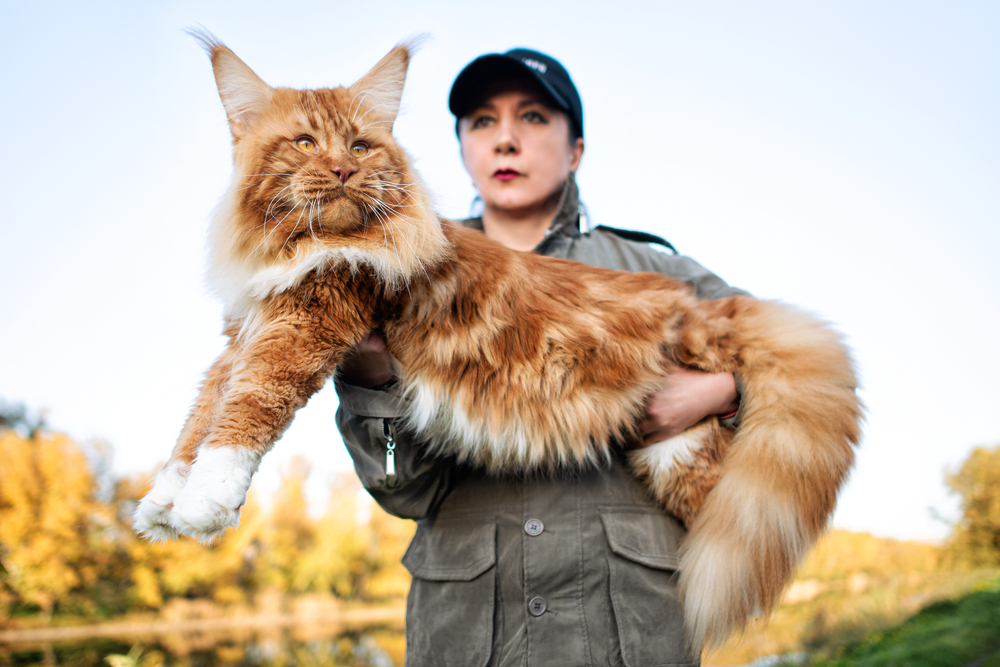
The Majestic Stature of the Maine Coon: Understanding Their Growth Journey
The Maine Coon is not just a large cat; it is a breed characterized by a distinctive, powerful build that reflects its natural heritage as a working cat in the harsh New England climate. Their weight and size are significant contributors to their majestic appearance and are often a primary draw for those seeking a cat with a commanding presence. However, their growth is not a rapid process; unlike many domestic cat breeds that reach their full adult size within a year, Maine Coons mature slowly, often taking three to five years to achieve their full weight and physical development. This extended growth period allows for their impressive skeletal structure and musculature to fully form, resulting in the robust cats we admire.
Average Weight and Size: What to Expect
When discussing the average weight of a Maine Coon, it’s important to differentiate between males and females, as there can be a notable disparity. Male Maine Coons are typically larger and heavier than their female counterparts. A healthy, fully grown male Maine Coon can weigh anywhere from 13 to 20 pounds (5.9 to 9 kg), with some exceptional individuals occasionally exceeding this range. Their length, including the tail, can reach up to 40 inches (100 cm), making them truly elongated and substantial felines.
Female Maine Coons, while still significantly larger than most domestic cats, tend to be more moderately sized. Their average weight typically falls between 8 to 12 pounds (3.6 to 5.4 kg). While they may not reach the same colossal proportions as males, females still possess the breed’s characteristic sturdy build and long, flowing coats. Both sexes share the distinguishing physical traits of the breed: tufted ears, a bushy tail, expressive eyes, and powerful musculature, all contributing to their overall weighty and grand appearance. To put this into perspective, a typical domestic cat weighs between 8 to 10 pounds, meaning even a female Maine Coon can be at the higher end or exceed this average, while males are almost invariably heavier. This significant difference in size directly influences their daily needs and the practicalities of cohabiting with them.
Factors Influencing a Maine Coon’s Size
The ultimate weight and size of a Maine Coon are not solely determined by their sex. Several interwoven factors play a crucial role in their development, much like how the success of a travel itinerary depends on a multitude of well-planned details.
- Genetics and Lineage: This is arguably the most dominant factor. A kitten’s genetic predisposition, inherited from its parents and preceding generations, largely dictates its growth potential. Reputable breeders often provide information about the size of a kitten’s parents, offering a good indicator of what to expect. Certain bloodlines are known for producing larger, more substantial cats. Genetic testing, similar to researching the history of a landmark before visiting, can offer insights into potential health predispositions, though less directly about final size. Tools offered by companies like Embark Veterinary can reveal genetic markers for certain traits, though size is a complex polygenic trait.
- Nutrition and Diet: Proper nutrition from kittenhood through adulthood is paramount. High-quality cat food, formulated for large breeds and appropriate for their age, provides the essential nutrients, proteins, and fats needed for healthy bone and muscle development. Overfeeding can lead to obesity, which is unhealthy, while underfeeding can stunt growth. A balanced diet is critical, not just for size but for overall well-being, influencing their energy levels for play and their coat’s luster.
- Health and Wellness: A healthy Maine Coon is a growing Maine Coon. Regular veterinary check-ups, timely vaccinations, and prompt treatment of any illnesses are vital for uninterrupted growth. Parasites or chronic health issues can divert energy away from growth, impacting their potential size and weight. Just as pre-travel health checks are important for travelers, routine vet visits are non-negotiable for pet health.
- Exercise and Activity Levels: While Maine Coons are often described as “lap cats,” they are also active and playful animals that require regular exercise. Adequate physical activity helps build muscle mass, maintain a healthy weight, and prevents obesity, which can add “heavy” pounds but in an unhealthy way. Providing climbing structures, interactive toys, and dedicated playtimes are crucial for their physical development and mental stimulation.
Beyond the Scale: The Lifestyle of a Large Breed Cat Owner
Owning a Maine Coon is more than just appreciating their size; it’s a commitment to a lifestyle that accommodates their unique needs. Their impressive weight and length have direct implications for their daily lives and, by extension, the lives of their human companions. This isn’t just about feeding them more; it’s about providing an environment where they can thrive, much like selecting the right destination and accommodation type for a truly fulfilling travel experience. The considerations range from the physical space they occupy to the financial investment required for their care, echoing the choices between luxury travel and budget-friendly trips.
Accommodation Considerations for Your Gentle Giant
The substantial size of a Maine Coon fundamentally influences the type of living space and accessories they require. This breed is not suited for cramped environments, similar to how a family would avoid a tiny hotel room for an extended stay.
- Spacious Living Quarters: While Maine Coons are generally adaptable, they truly flourish in homes that offer ample space for them to roam, play, and stretch out. This might mean favoring a house over a small apartment, or at least ensuring the apartment has open areas. Their long bodies and tails need room to maneuver comfortably. Think of it like booking a spacious suite or even a private villa for a long vacation – comfort and room to move are paramount.
- Sturdy and Large Accessories: Standard cat trees, litter boxes, and beds often prove too small or flimsy for a fully grown Maine Coon. Owners will need to invest in oversized, robust cat furniture designed to withstand their weight and provide adequate scratching and climbing opportunities. Litter boxes should be extra-large to accommodate their size and prevent “accidents” outside the box. Beds need to be spacious enough for them to sprawl out comfortably without dangling limbs. This is akin to upgrading to premium economy or business class for a long flight, ensuring comfort for a larger passenger.
- Pet-Proofing and Safety: Due to their curiosity and agility, coupled with their size, Maine Coons can inadvertently cause more “damage” than smaller cats. Ensuring shelves are securely fastened, valuables are out of reach, and breakable items are stored safely becomes even more critical. Their weight can easily knock over lighter objects. This careful preparation is not unlike ensuring a hotel room is child-proofed for a family trip.
The Cost of Caring for a Maine Coon: A Luxury or Budget Decision?
The financial commitment associated with owning a Maine Coon is notably higher than for an average domestic cat. This can be viewed through the lens of lifestyle choices, much like deciding between a luxury travel experience and a more budget-conscious adventure.
- Food Expenses: A bigger cat naturally eats more. Maine Coons require larger portions of high-quality cat food to maintain their impressive physique and energy levels. This translates to higher monthly food bills. Investing in premium, nutrient-dense food is crucial for their health and longevity, making it a significant ongoing expense.
- Veterinary Care: While generally robust, Maine Coons are predisposed to certain genetic health conditions, such as hip dysplasia and hypertrophic cardiomyopathy. Regular veterinary check-ups, screenings for these conditions, and potential treatments can be more costly than for smaller, less predisposed breeds. Proactive health management is an investment in their long-term well-being.
- Grooming and Accessories: Their long, shaggy coats require regular grooming to prevent mats and hairballs. While owners can do much of this themselves, professional grooming might be occasionally necessary. Larger accessories, from carriers to beds, also tend to be more expensive. These recurring costs contribute to the overall “luxury” aspect of Maine Coon ownership, positioning it as a significant lifestyle choice.
Traveling with or Around Your Maine Coon: Practicalities and Planning
While the idea of embarking on a globetrotting adventure with a large Maine Coon in tow might sound daunting, the realities of pet ownership often intersect with travel plans. Whether it’s finding suitable pet-friendly accommodations for a road trip or ensuring your beloved feline is well-cared for while you explore a distant landmark, their size adds an extra layer of planning. This dimension of pet ownership directly relates to the website’s core themes of travel, hotels, and accommodation, even if the “traveler” in question isn’t always the cat itself.
Pet-Friendly Travel and Boarding Solutions
Bringing a large cat like a Maine Coon on a trip requires meticulous preparation, especially when considering air travel. Most airlines have strict size and weight restrictions for in-cabin pets, and a Maine Coon will almost invariably exceed these, meaning they would have to travel as cargo – a stressful option many owners prefer to avoid. This often leads owners to explore alternative solutions for their travel needs.
- Pet-Friendly Accommodations: For road trips or stays within driving distance, finding hotels that genuinely welcome large cats is crucial. While many establishments advertise as “pet-friendly,” some have breed or weight restrictions that might exclude a Maine Coon. Chains like Kimpton Hotels, Loews Hotels, and Four Seasons Hotels are often known for their accommodating pet policies, but it’s always essential to confirm directly with the specific property. They might offer spacious suites, ideal for a larger cat, or provide specific amenities that make a stay more comfortable for pets. For example, a Grand Hyatt in a city like Boston might offer a generous pet policy, making it a viable option for a weekend getaway.
- Luxury Pet Boarding and Pet Sitting: When international travel or long vacations make it impossible to bring your Maine Coon, high-quality boarding facilities or professional pet sitters become indispensable. These can range from standard pet hotels to luxury pet resorts that offer individual suites, playtimes, and even webcam access, giving owners peace of mind. Services like PetSmart PetsHotel offer structured boarding options in many cities. Choosing such a service is akin to selecting a premium resort for oneself, ensuring top-tier care and comfort in your absence. This offers a viable alternative for owners who dream of exploring destinations like London, Paris, or Tokyo without worrying about their furry family member.
Exploring Maine’s Heritage: The Origin of the Gentle Giant
The very name “Maine Coon” anchors this magnificent breed to its place of origin, the state of Maine. For those who appreciate local culture and the historical context of natural wonders, tracing the roots of the Maine Coon adds a rich layer to their appreciation of the breed.
- A Natural Attraction: Maine itself is a captivating destination, famous for its rugged coastline, lighthouses, and pristine wilderness, including landmarks like Acadia National Park. The Maine Coon is often considered a living landmark, a natural treasure of the state, developed through natural selection to thrive in its harsh winters. This connection to a specific geographical location and its climate makes the breed an integral part of Maine’s unique identity and local culture.
- Legends and Lore: The precise origins of the Maine Coon are shrouded in myth and speculation, ranging from theories of descent from Marie Antoinette’s cats to a curious liaison between domestic cats and raccoons (a theory debunked by genetics but giving rise to the “coon” in their name). These stories, much like the folklore surrounding ancient castles or historical sites, add to the allure and mystique of the breed. Exploring charming Maine towns like Portland, Kennebunkport, or Camden offers a glimpse into the environment that shaped this resilient and friendly feline. For enthusiasts, a trip to Maine becomes a pilgrimage, connecting them directly to the breed’s ancestral home.
Maintaining a Healthy Weight for Your Maine Coon
While impressive size is a hallmark of the Maine Coon, it’s crucial to distinguish between healthy weight and obesity. A “heavy” Maine Coon should be muscular and well-proportioned, not overweight. Maintaining an ideal weight is fundamental to their long-term health and vitality, preventing a myriad of health issues that can significantly impact their quality of life, similar to how maintaining personal fitness is crucial for enjoying adventurous travel experiences.
Nutrition and Exercise for Optimal Health
A balanced approach to diet and physical activity is the cornerstone of keeping a Maine Coon at its healthiest weight.
- High-Quality Diet: As large cats, Maine Coons benefit from a diet rich in animal protein. Look for cat foods with meat as the primary ingredient and avoid excessive fillers. Portions should be carefully monitored based on their age, activity level, and individual metabolism. Consultation with a veterinarian can help establish the best dietary plan, ensuring they receive all necessary nutrients without overfeeding. Just as one might research local cuisine and dining tips when traveling, understanding their specific nutritional needs is key.
- Engaging Exercise: Despite their often placid demeanor, Maine Coons are intelligent and playful. They enjoy interactive play sessions with their owners, chasing toys, and exploring. Providing stimulating environments with climbing trees, puzzle feeders, and regular playtime helps burn calories, build muscle, and keeps them mentally engaged. This active lifestyle is paramount for preventing the accumulation of unhealthy fat, especially given their hearty appetites. Even if you’re exploring the cultural sites of New York or the business districts of Zurich, ensuring your Maine Coon has their daily exercise routine back home is vital.
Regular Veterinary Care: A Lifelong Journey
Consistent veterinary oversight is essential for monitoring a Maine Coon’s weight and overall health throughout its life.
- Routine Check-ups: Annual veterinary visits are crucial for early detection of any weight fluctuations or underlying health issues. Vets can accurately assess their body condition score, monitor for breed-specific concerns, and provide tailored advice on diet and exercise. These check-ups are like routine maintenance for your home or essential travel insurance, safeguarding against unforeseen problems.
- Addressing Health Concerns: Being aware of breed-specific ailments such as hip dysplasia and hypertrophic cardiomyopathy allows owners to be proactive. While these conditions aren’t directly weight-related, excess weight can exacerbate them. Early diagnosis and management are vital for maintaining their quality of life. This dedication to care is part of the commitment that makes owning a Maine Coon a fulfilling “lifestyle” choice, similar to meticulously planning a complex itinerary to Dubai or Sydney.
In conclusion, the question “How heavy do Maine Coon cats get?” opens a window into the multifaceted world of owning these magnificent felines. Their impressive weight, typically ranging from 8-12 pounds for females and 13-20 pounds for males, is a defining characteristic that shapes everything from their daily needs to the lifestyle choices of their owners. From selecting appropriate accommodation and budgeting for their care to planning travel around their needs, the commitment to a Maine Coon mirrors the thoughtful consideration one gives to planning a memorable travel experience to destinations like Vienna or San Francisco. Their size is a testament to their robust genetics and slow maturation, but maintaining their health through proper nutrition, exercise, and regular veterinary care ensures that their “heavy” presence is one of majestic vitality and enduring companionship. Beyond the numbers on the scale, it’s their gentle nature, playful spirit, and imposing beauty that truly make the Maine Coon a cherished member of any household, enriching lives with their grand presence and affectionate personalities.
LifeOutOfTheBox is a participant in the Amazon Services LLC Associates Program, an affiliate advertising program designed to provide a means for sites to earn advertising fees by advertising and linking to Amazon.com. Amazon, the Amazon logo, AmazonSupply, and the AmazonSupply logo are trademarks of Amazon.com, Inc. or its affiliates. As an Amazon Associate we earn affiliate commissions from qualifying purchases.