
Nestled high in the Rocky Mountains of Colorado, Breckenridge is a town synonymous with winter wonderlands and breathtaking alpine scenery. Beyond its reputation as a premier ski destination, the sheer elevation of this charming mountain town is a defining characteristic, influencing everything from its climate and landscape to the very experiences it offers visitors. Understanding “how high” Breckenridge truly is provides crucial context for anyone planning a visit, whether for a thrilling ski vacation, a summer hiking adventure, or simply to soak in the unique atmosphere of a town perched on the roof of the world.

The Altitude Advantage: Understanding Breckenridge’s Elevation
The most direct answer to “How high is Breckenridge, Colorado?” is that the town itself sits at an impressive elevation of approximately 9,600 feet (2,926 meters) above sea level. This significant altitude immediately sets it apart from most other towns and cities in the United States. However, the elevation story of Breckenridge doesn’t end with the town’s base. The true marvel lies in its ski resort, which extends far higher, making it one of the highest ski areas in North America.
Breckenridge Ski Resort: Reaching for the Sky
The Breckenridge Ski Resort is renowned for its vast terrain and, critically, its extreme elevations. The resort boasts a summit elevation of over 13,000 feet (3,962 meters) at its highest peak, Peak 6. This makes skiing and snowboarding here an experience unlike any other, offering panoramic views that stretch across the Colorado Rockies. The accessibility of such high altitudes via ski lifts is a testament to the engineering and infrastructure that defines this world-class resort.
- Summit Elevation: The uppermost accessible points of the Breckenridge Ski Resort reach an astonishing 13,000+ feet. This includes areas like Peak 6, which features high-alpine bowls and chutes that are a dream for expert skiers and snowboarders.
- Base Elevation: The main base areas of the resort are situated around the town’s elevation, typically starting in the 9,000 to 10,000-foot range, depending on which base you approach from.
- Vertical Drop: The significant difference between the highest and lowest points of the ski resort creates an impressive vertical drop, offering long, exhilarating runs.
This extreme elevation means that even in the summer months, the highest reaches of Breckenridge can retain snow, and the air remains crisp and cool. For skiers and snowboarders, it translates to a longer season and the opportunity to experience a true alpine environment.
Navigating the High-Altitude Environment: Practical Considerations
The remarkable altitude of Breckenridge is a significant factor for visitors, impacting everything from physical well-being to the types of activities available. Understanding these implications is crucial for a safe and enjoyable trip, whether you’re staying in a luxurious resort or a cozy cabin.
Acclimatization and Health
The most common concern for visitors unfamiliar with high-altitude environments is altitude sickness, also known as Acute Mountain Sickness (AMS). Symptoms can range from mild headaches and nausea to more severe respiratory issues. Breckenridge‘s elevation of 9,600 feet means that most visitors will experience some effects if they don’t take precautions.
- Hydration is Key: Drink significantly more water than you normally would. Alcohol and caffeine can dehydrate you, exacerbating altitude effects, so moderation is advised.
- Pace Yourself: Upon arrival, avoid strenuous activities for the first 24-48 hours. Allow your body time to adjust to the lower oxygen levels.
- Listen to Your Body: If you experience severe headaches, dizziness, or shortness of breath, descend to a lower elevation if possible, or seek medical attention.
- Medication: Some visitors find it helpful to consult their doctor about prescription medications that can aid in acclimatization.
Even for those accustomed to moderate altitudes, the Breckenridge experience can be physically demanding. The thinner air means that your heart and lungs will work harder, so be mindful of this, especially when engaging in activities like skiing, hiking, or even just walking around town.
Weather and What to Pack
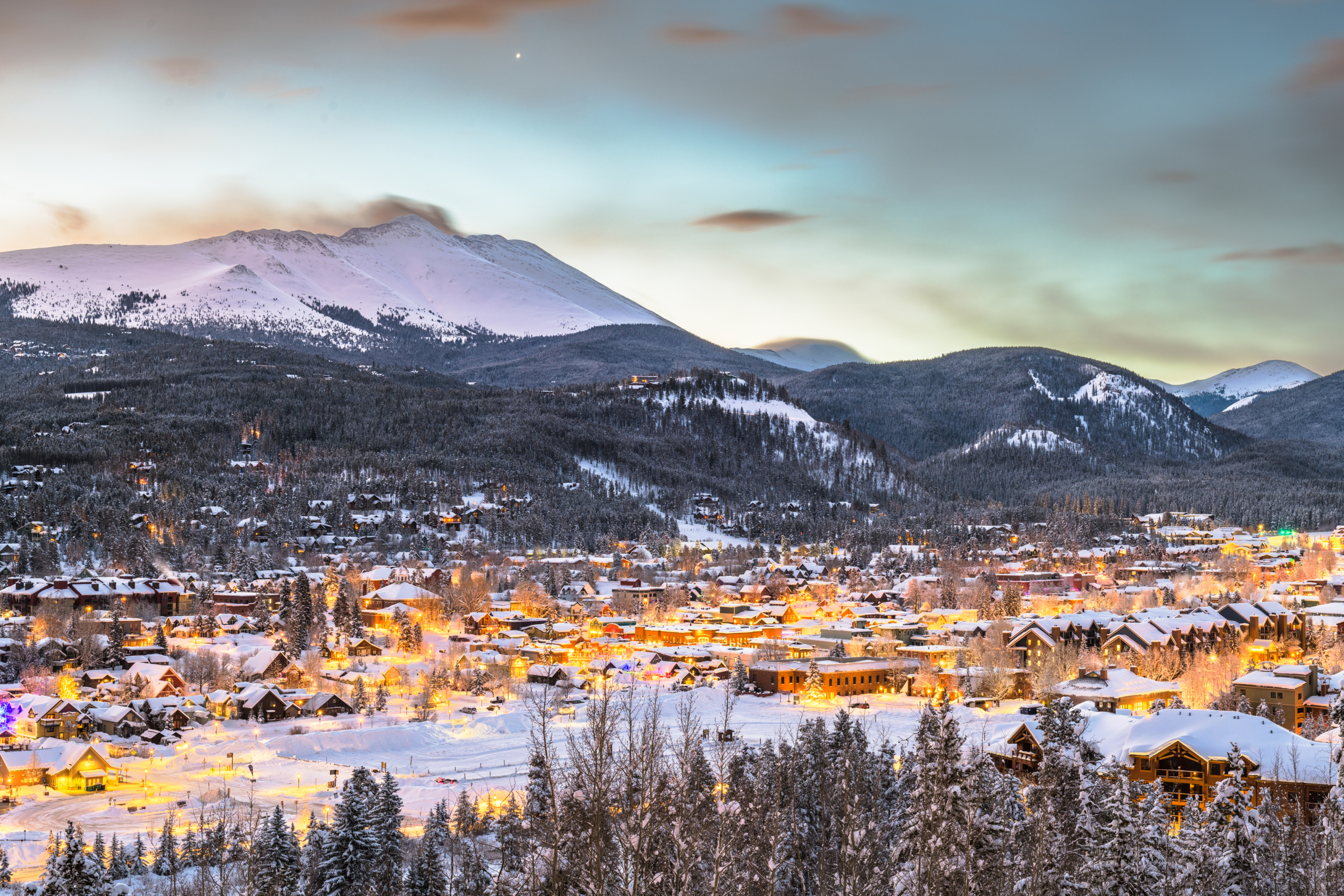
The high elevation of Breckenridge significantly influences its weather patterns. Expect crisp, dry air, intense sunshine (even in winter), and dramatic temperature swings.
- Layering is Essential: Pack layers of clothing. Even on a sunny day, temperatures can drop quickly, especially at higher elevations. Include moisture-wicking base layers, insulating mid-layers, and a waterproof and windproof outer shell.
- Sun Protection: The sun’s rays are much stronger at high altitudes. Always wear sunscreen, sunglasses, and a hat, even on cloudy days.
- Winter Gear: For winter visits, waterproof ski pants, a warm ski jacket, gloves, a hat that covers your ears, and thermal socks are indispensable.
- Summer Hiking Gear: For summer adventures, sturdy hiking boots, a backpack, water bottles, and rain gear are recommended.
The dry air can also lead to chapped lips and dry skin, so lip balm and moisturizer are good additions to your packing list.
Beyond the Slopes: High-Altitude Attractions and Activities
While the ski slopes are the primary draw for many visiting Breckenridge, the town and its surrounding natural beauty offer a wealth of experiences that capitalize on its elevated setting. The very height of Breckenridge provides unique opportunities for tourism and exploration.
Summer Adventures at Elevation
When the snow melts, Breckenridge transforms into a paradise for outdoor enthusiasts. The high-alpine terrain, once covered in snow, becomes a network of hiking and biking trails.
- Hiking Trails: Numerous trails cater to all fitness levels, from gentle strolls around Sawmill Reservoir to challenging ascents of surrounding peaks. The higher you go, the more dramatic the vistas become. The trails offer stunning views of the Tenmile Range and the Blue River Valley.
- Mountain Biking: Breckenridge is a world-renowned mountain biking destination, with trails ranging from scenic cruiser paths to technical downhill routes. The Breckenridge Bike Park offers lift-served access to some of the most exhilarating descents.
- Scenic Gondola Rides: The Breckenridge Ski Resort‘s Gondola operates during the summer months, providing breathtaking scenic rides up the mountain. This is a fantastic way to experience the high-alpine environment without strenuous physical exertion and offers unparalleled photo opportunities. The ride itself takes you to the mid-mountain restaurant and trailheads for various activities.
Exploring Historic Downtown Breckenridge
The charming Victorian-era downtown of Breckenridge is a National Historic Landmark District. Its well-preserved buildings and vibrant atmosphere offer a delightful contrast to the rugged mountain landscape. Wandering through Main Street, you can explore unique boutiques, art galleries, and diverse dining options, all while enjoying the crisp mountain air.
- Architecture: The historic architecture tells the story of Breckenridge‘s mining past. Buildings like the Breckenridge Grand Hotel and the County Courthouse stand as testaments to the town’s rich history.
- Local Culture and Dining: From casual pubs to upscale restaurants, Breckenridge offers a culinary scene that caters to all tastes. Many establishments feature locally sourced ingredients and offer cozy, mountain-lodge ambiance.
- Museums and Art: The Breckenridge History Museum and numerous art galleries provide insights into the region’s heritage and contemporary art scene.
Landmarks and Natural Wonders
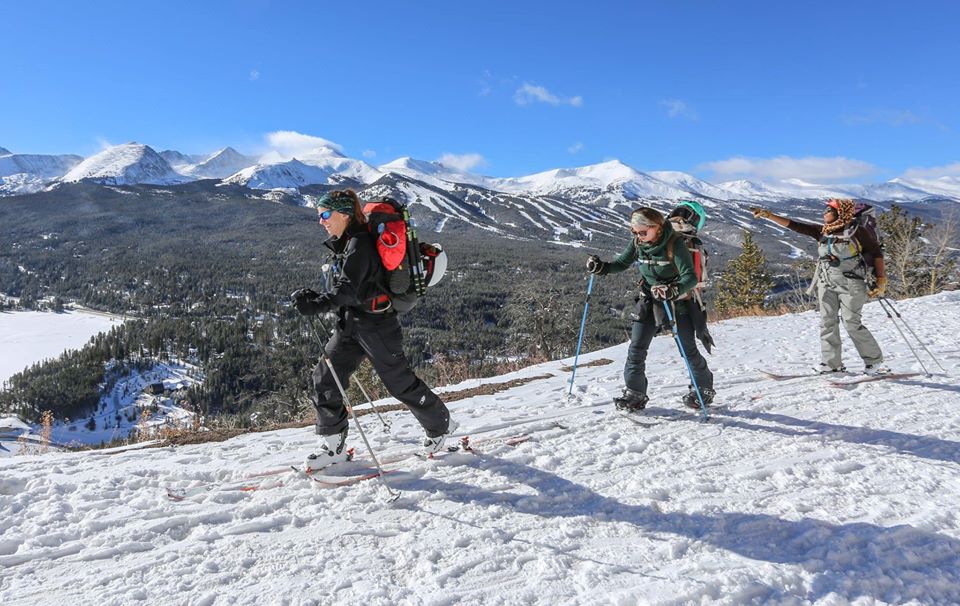
The high elevation of Breckenridge is a gateway to some of Colorado‘s most stunning natural landmarks and geological features.
- Continental Divide: Breckenridge is situated near the Continental Divide, a major geological feature that separates the Atlantic and Pacific watersheds. Driving or hiking near the divide offers a sense of the vastness of the North American continent.
- Lakes and Rivers: The pristine alpine lakes and rushing rivers in the vicinity, such as Dillon Reservoir, provide opportunities for boating, fishing, and scenic walks.
In conclusion, the question “How high is Breckenridge, Colorado?” opens the door to understanding a town that thrives at the pinnacle of alpine living. Its significant elevation is not just a statistic but a fundamental element that shapes its identity, its attractions, and the unforgettable experiences it offers to every visitor who ascends to its breathtaking heights. Whether you’re conquering its famous slopes, exploring its historic streets, or simply breathing in the crisp, thin air, the elevation of Breckenridge is an integral part of its unparalleled charm.