
The state of Colorado is renowned for its majestic Rocky Mountains, pristine wilderness, and vibrant cities, all of which contribute to its elevated status in more ways than one. A defining characteristic of the Centennial State is its remarkable altitude, making it the highest state in the U.S. on average. Understanding this elevation is crucial for anyone planning to visit or relocate, impacting everything from physical acclimatization to the very nature of its landscapes and recreational opportunities. This exploration delves into the average elevation of Colorado, the factors that contribute to it, and what this means for travelers and residents alike.
The Mile-High State: Colorado’s Average Elevation
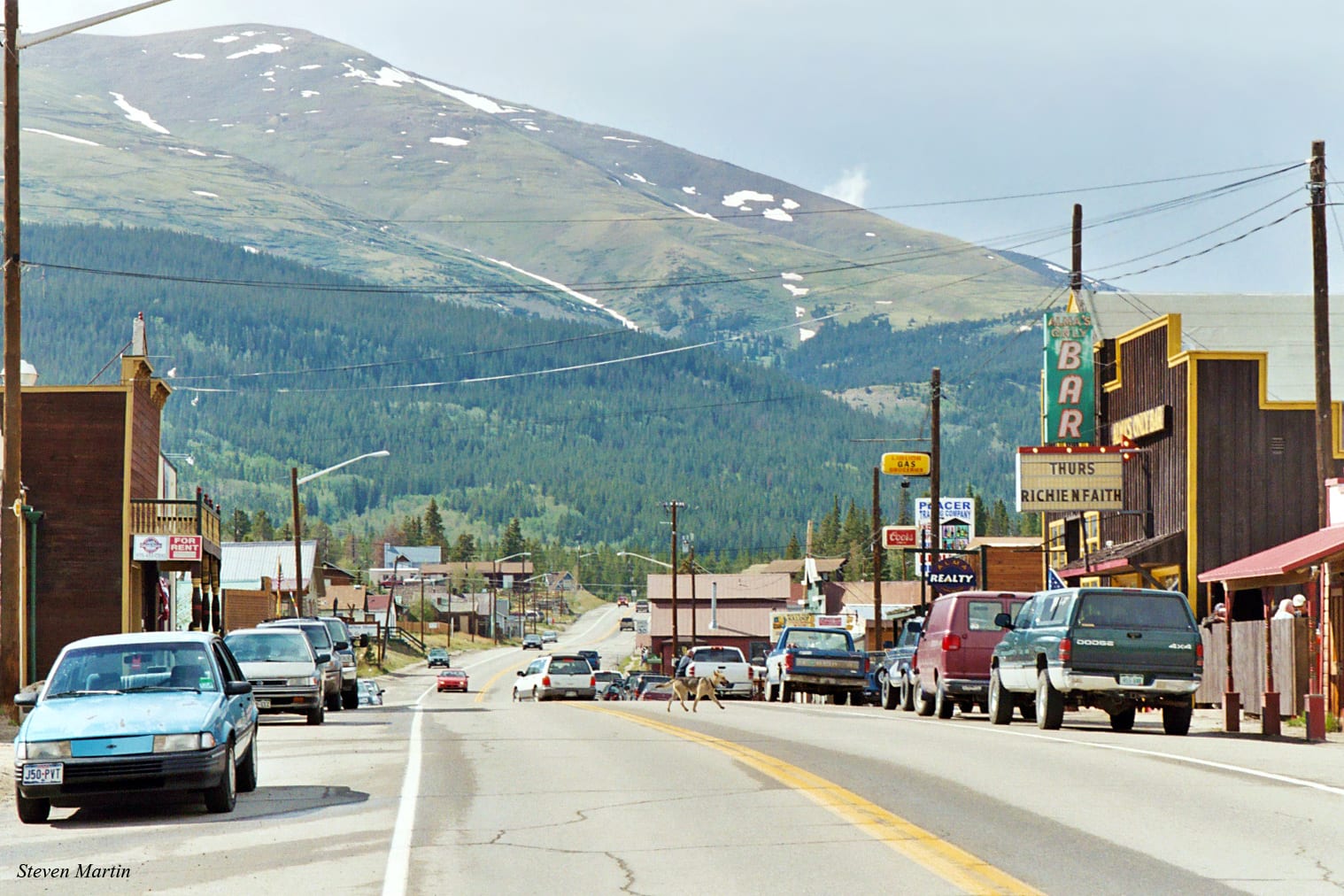
The term “Mile-High City” is famously associated with Denver, the state capital, which sits at exactly 5,280 feet (1,609 meters) above sea level. However, this is just one point of reference within a state characterized by dramatic topographical variations. The average elevation of Colorado is an astounding 6,800 feet (2,073 meters) above sea level, solidifying its position as the highest state in the United States. This figure is significantly higher than any other state, with the next highest being Wyoming at approximately 6,715 feet.
This impressive average is not distributed evenly. The eastern plains of Colorado are relatively lower, though still significantly above sea level compared to coastal regions. As one travels westward, the terrain begins to ascend dramatically into the foothills and then the soaring peaks of the Rocky Mountains. This transition creates a gradient of altitudes across the state, offering diverse environments and experiences.
Understanding Elevation Measurement
Elevation is measured from sea level, which is considered the average height of the ocean’s surface. This is a standard reference point for geographical measurements worldwide. In Colorado, this means that even seemingly low-lying areas are quite high when compared to coastal cities.
- Absolute Elevation: This refers to the height of a specific point above sea level. For instance, the summit of Mount Elbert, the highest point in Colorado and the entire Rocky Mountain range, stands at a breathtaking 14,440 feet (4,401 meters).
- Relative Elevation: This refers to the difference in height between two points. While the state’s average elevation is high, there are still significant differences between its lowest and highest points, creating varied ecosystems and recreational opportunities.
The Influence of Topography
The primary driver of Colorado’s high elevation is its geological history and the presence of the Rocky Mountains. These mountains were formed over millions of years through tectonic uplift and volcanic activity, resulting in a vast range of high peaks, deep valleys, and extensive plateaus. The sheer mass and height of these mountain ranges significantly elevate the state’s average altitude.
- The Eastern Plains: In contrast to the west, the eastern plains of Colorado are characterized by rolling grasslands and agricultural lands. While these areas are considerably lower than the mountains, they still sit at elevations typically ranging from 3,500 to 7,000 feet (1,067 to 2,134 meters) above sea level. Even these “lower” regions are higher than many mountainous areas in other parts of the world.
- The Mountainous West: The western two-thirds of the state are dominated by the Rocky Mountains. This region is home to numerous Fourteeners (peaks over 14,000 feet), alpine lakes, and vast national forests, all contributing to the state’s elevated profile. Towns and cities in this region, such as Aspen and Vail, are situated at elevations that would be considered extremely high elsewhere.
Navigating the Altitudes: Practical Considerations for Travelers
For visitors to Colorado, understanding the state’s high elevation is not just an interesting fact; it has practical implications for their travel experience. Altitude sickness, also known as acute mountain sickness (AMS), is a real concern for those unaccustomed to such heights.
Acclimatization and Health
The reduced atmospheric pressure at higher altitudes means there is less oxygen available for your body to absorb. This can lead to symptoms like headaches, nausea, dizziness, and fatigue.
- Pacing Your Arrival: It’s advisable to avoid strenuous activity immediately upon arrival in Colorado, especially if you are traveling to higher elevations. Allowing your body time to adjust is crucial.
- Hydration: Staying well-hydrated is vital at high altitudes. Drink plenty of water and avoid excessive consumption of alcohol and caffeine, which can contribute to dehydration.
- Diet: Opt for lighter meals and avoid heavy, greasy foods that can be harder to digest at altitude.
- Recognizing Symptoms: Be aware of the symptoms of altitude sickness and descend to a lower elevation if they become severe. Many medical professionals recommend medications like Diamox (acetazolamide) for individuals prone to altitude sickness, though consulting a doctor before your trip is recommended.
Activities and Experiences
The high elevation of Colorado directly shapes the kinds of activities and experiences available to visitors. The mountainous terrain offers unparalleled opportunities for outdoor recreation.
- Skiing and Snowboarding: World-class ski resorts like Aspen Snowmass, Vail, and Breckenridge are situated at significant elevations, offering long ski seasons and challenging slopes.
- Hiking and Backpacking: The numerous trails, from gentle mountain paths to strenuous climbs up Fourteeners, are a major draw. The thinner air can make hiking more challenging, so proper planning and preparation are essential.
- Scenic Drives: Roads like Trail Ridge Road in Rocky Mountain National Park traverse extreme elevations, offering breathtaking vistas and access to alpine environments. Driving at these altitudes requires caution due to potential weather changes and winding roads.
- Wildlife Viewing: The diverse ecosystems at various altitudes support a rich array of wildlife, from elk and deer in the meadows to smaller mammals and birds in the alpine zones.
Urban Centers and Their Altitudes
Even Colorado’s urban centers are notable for their elevation.
- Denver: As mentioned, Denver is the “Mile-High City,” a significant elevation that contributes to its unique climate and character.
- Colorado Springs: Located south of Denver, Colorado Springs sits at an average elevation of around 6,035 feet (1,839 meters). This altitude influences its pleasant climate and its proximity to attractions like Pikes Peak.
- Mountain Towns: Cities like Aspen, Telluride, and Breckenridge are nestled at elevations often exceeding 8,000 feet (2,438 meters), immersing residents and visitors in a truly high-altitude environment.

Geographical Significance and Biodiversity
The pronounced elevation of Colorado has profound impacts on its geography, climate, and the biodiversity found within its borders. The stark differences in altitude create distinct ecological zones, each with its own unique flora and fauna.
Ecological Zones of Colorado
The state’s elevation creates a cascade of different environmental conditions, from the shortgrass prairies of the east to the treeline and beyond.
- Great Plains: At the lowest elevations in eastern Colorado, the environment is characterized by grasslands, supporting hardy grasses, wildflowers, and animals adapted to arid conditions, such as prairie dogs and pronghorn.
- Foothills and Montane Zones: As elevation increases, piñon pines, junipers, and ponderosa pines become common. This zone is rich in wildlife, including deer, black bears, and various bird species.
- Subalpine Zone: Above the montane forests, the trees become more stunted and spread out, typically consisting of Engelmann spruce and subalpine fir. This zone is transitional, leading to the harsh alpine environment.
- Alpine Zone: Above the treeline, the landscape transforms into tundra. This region, found at elevations above 11,500 feet (3,506 meters), is characterized by low-growing vegetation like wildflowers, grasses, and sedges, as well as hardy mosses and lichens. It is home to animals like marmots, pikas, and bighorn sheep, which are adapted to extreme cold, wind, and intense solar radiation.
Climate Variations
The high elevation significantly influences Colorado’s climate, leading to cooler temperatures and more extreme weather conditions compared to lower-lying states.
- Temperature: Temperatures decrease with altitude. Mountainous regions experience much colder winters and cooler summers than the eastern plains. Snowfall is abundant in the high country, enabling the state’s renowned ski industry.
- Precipitation: Precipitation patterns also vary with elevation. The mountains tend to receive more precipitation, particularly as snow, than the drier plains. This moisture is vital for the state’s rivers and water supply.
- Sunshine: Despite cooler temperatures, Colorado experiences a high number of sunny days annually, even in winter. The thinner atmosphere at high altitudes means less atmospheric scattering of sunlight, leading to more intense solar radiation.
Water Resources
Colorado’s high elevation plays a critical role in its water resources. The Rocky Mountains act as a continental divide, with rivers originating in the state flowing to both the Pacific and Atlantic Oceans.
- Headwaters: Many major rivers, including the Colorado River and the Rio Grande, have their headwaters in the high peaks of Colorado.
- Snowmelt: The abundant snowpack in the mountains provides a crucial source of water for the state and downstream regions, particularly during the spring and summer melt. This makes water management and conservation critical issues.
The Allure of Altitude: Why Colorado’s Elevation Matters to Visitors
Colorado’s distinctive elevation is not merely a geographical statistic; it is an integral part of the state’s identity and a primary draw for millions of visitors each year. This elevation shapes the very essence of the Colorado experience, from the air you breathe to the breathtaking panoramas that unfold before you.
A Playground for the Adventurous
The high-altitude environment provides a natural playground for those seeking adventure and outdoor thrills. The dramatic landscapes carved by millennia of geological activity offer a unique backdrop for a wide array of activities.
- Skiing and Snowboarding: The consistent snowfall and challenging terrain found at resorts like Winter Park and Keystone Resort make Colorado a premier destination for winter sports enthusiasts. The altitude adds an extra dimension to the skiing experience, with thinner air contributing to faster snow and exhilarating descents.
- Hiking and Climbing: The sheer number of mountains, including the iconic Fourteeners, offers endless opportunities for hikers and climbers of all skill levels. The reward for conquering a summit is not just the physical achievement but also the unparalleled panoramic views that stretch across the majestic mountain ranges.
- Water Sports: While perhaps less obvious than snow sports, the pristine alpine lakes and rushing rivers fed by snowmelt also offer opportunities for activities like kayaking, rafting, and fly-fishing, often enjoyed amidst stunning high-altitude scenery.
Health and Wellness Retreats
Beyond the adrenaline-pumping activities, the high-altitude environment of Colorado is also recognized for its potential health benefits and its appeal to those seeking wellness and rejuvenation.
- Breathing Exercises and Mindfulness: The thinner air can encourage slower breathing and a more mindful approach to physical exertion, leading to a sense of calm and focus.
- Spa and Wellness Centers: Many resorts and hotels in mountain towns offer specialized wellness programs and spa treatments designed to help guests relax and recover from the effects of altitude, or simply to enjoy the tranquility of the mountain setting.
- Dry Climate Benefits: Colorado’s generally dry climate, a consequence of its elevation and inland location, can be beneficial for individuals with certain respiratory conditions, though acclimatization remains paramount.
The Unique Character of High-Altitude Living
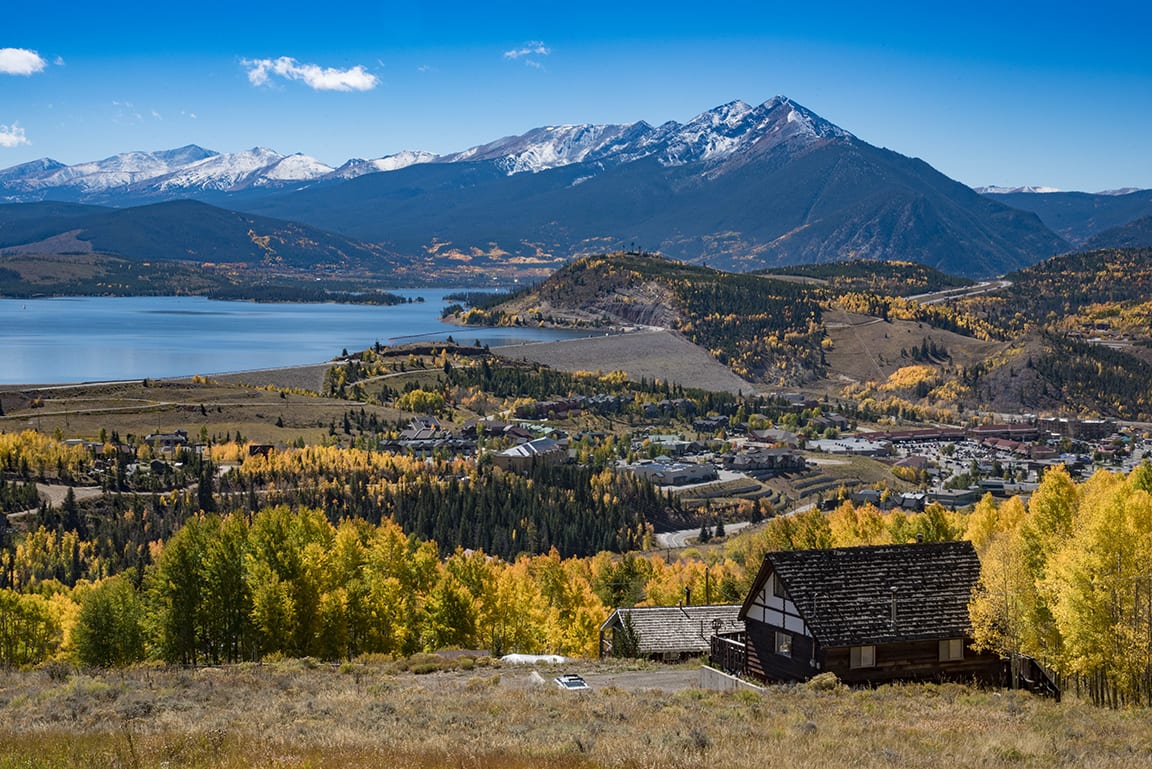
Living or visiting at high altitudes imbues a certain character to the towns and cities of Colorado. There’s a palpable sense of resilience and connection to nature among those who call these elevated regions home.
- Community Spirit: Mountain towns often foster a strong sense of community, where neighbors rely on each other and a shared appreciation for the natural environment unites residents.
- Architectural Adaptations: Buildings in high-altitude areas are often designed to withstand harsh winter conditions, with features like steep roofs to shed snow and robust materials.
- Culinary Experiences: Local cuisine often incorporates ingredients that thrive in cooler climates or are sourced from the surrounding agricultural lands, offering a taste of the region’s bounty.
In conclusion, the question of “How high is Colorado above sea level?” opens a gateway to understanding a state defined by its elevation. From the average altitude of 6,800 feet to the towering peaks that scrape the sky, this elevated landscape shapes its geography, influences its climate, supports its unique biodiversity, and ultimately crafts an unforgettable travel experience for all who venture into the heart of the Rocky Mountains.
LifeOutOfTheBox is a participant in the Amazon Services LLC Associates Program, an affiliate advertising program designed to provide a means for sites to earn advertising fees by advertising and linking to Amazon.com. Amazon, the Amazon logo, AmazonSupply, and the AmazonSupply logo are trademarks of Amazon.com, Inc. or its affiliates. As an Amazon Associate we earn affiliate commissions from qualifying purchases.