
Colorado Springs, nestled at the foot of the majestic Rocky Mountains, is a destination that captivates with its stunning natural beauty, vibrant culture, and an abundance of outdoor adventures. For many prospective travelers, one of the first questions that comes to mind when planning a visit to this iconic Colorado city is: how high is it? Understanding the elevation of Colorado Springs is not merely a matter of geographical curiosity; it’s a critical piece of information that can significantly influence your travel planning, health considerations, and the overall enjoyment of your trip. The city’s significant altitude shapes everything from the crispness of the air to the intensity of its outdoor activities, making it an essential factor for any visitor to consider.
The Exact Elevation of Colorado Springs
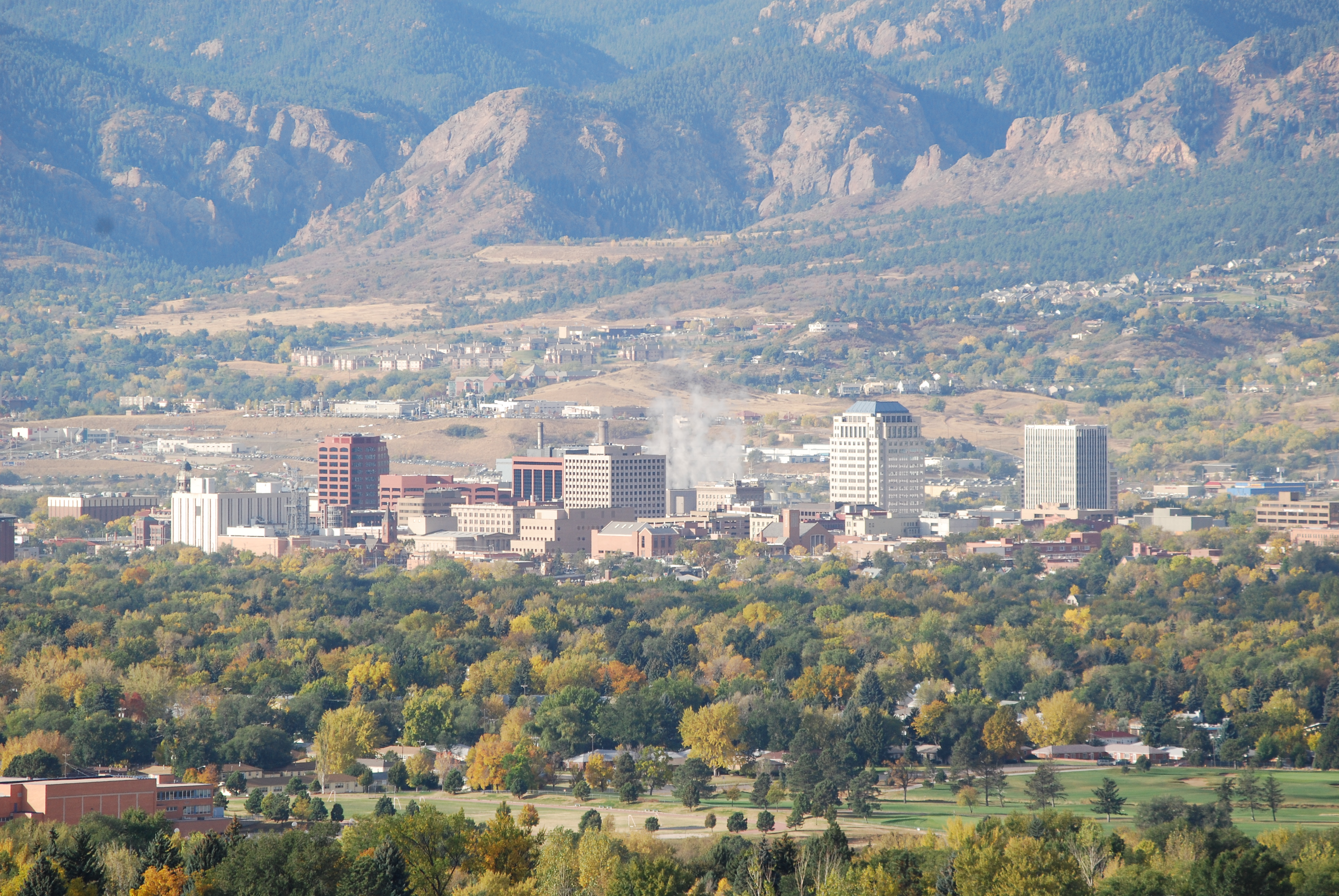
The elevation of Colorado Springs is a defining characteristic of the city, placing it among the highest major cities in the United States. This impressive altitude contributes to its unique climate, breathtaking vistas, and the sense of being on top of the world. However, it’s important to understand that “the elevation” isn’t a single, monolithic number, but rather an average with variations across different parts of the city.
Unpacking the City’s Altitude
At its core, Colorado Springs sits at an average elevation of approximately 6,035 feet (1,839 meters) above sea level. This places it significantly higher than many other well-known cities, including Denver, often referred to as the “Mile High City,” which averages around 5,280 feet (1,609 meters). The elevation within Colorado Springs itself can vary, with lower areas generally closer to 5,800 feet and higher residential or commercial districts approaching or even exceeding 7,000 feet. This gradient means that depending on where you stay or what attractions you visit within the city limits, you could experience slight differences in altitude. For instance, areas closer to the eastern plains tend to be lower, while those hugging the western foothills are considerably higher. This variation, while seemingly subtle, can play a role in how quickly one acclimates to the thinner air.
Pikes Peak: The Emblem of Elevation
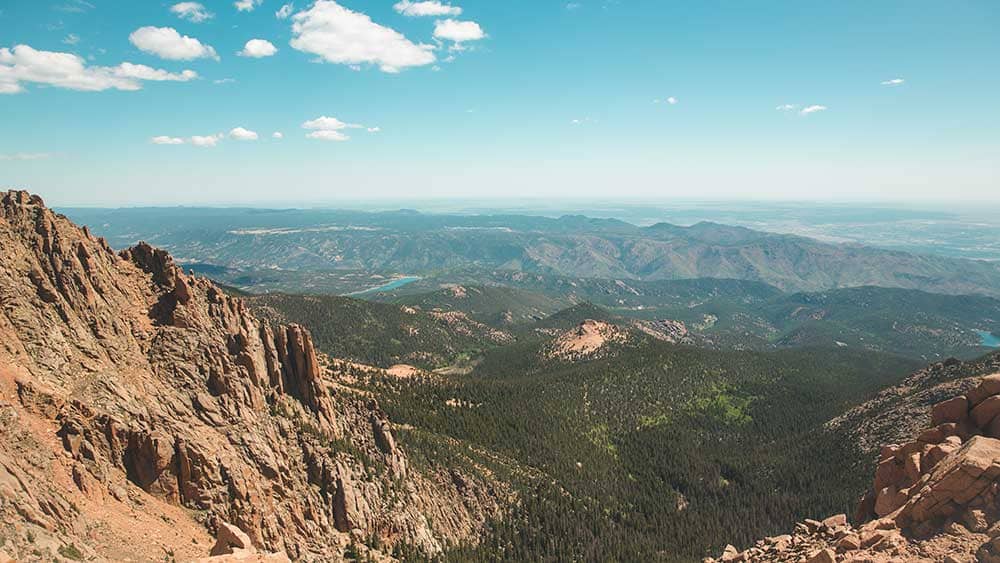
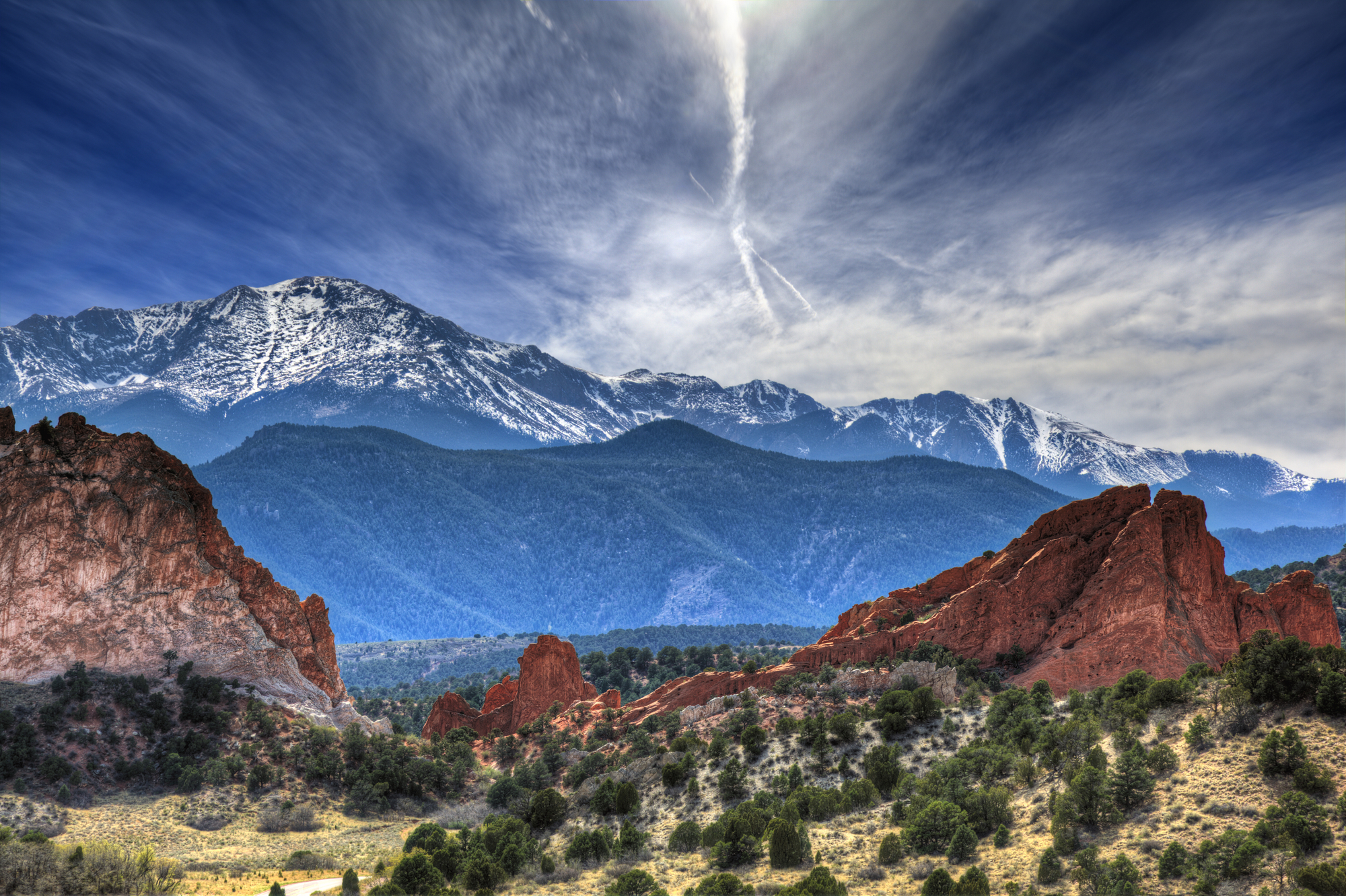
No discussion about the elevation of Colorado Springs would be complete without mentioning Pikes Peak. Towering majestically over the city, Pikes Peak is one of North America’s most iconic mountains and serves as a dramatic backdrop to Colorado Springs. With a summit reaching 14,115 feet (4,302 meters), it is one of Colorado’s famed “fourteeners”—mountains with an elevation exceeding 14,000 feet. The presence of Pikes Peak so close to the city significantly influences the local weather patterns, provides unparalleled scenic beauty, and offers unique opportunities for high-altitude exploration. While the city itself is not at the peak’s summit, the proximity to such extreme elevation underscores the high-altitude environment that defines the region. Travelers aiming to ascend Pikes Peak will need to be particularly mindful of the dramatic increase in altitude from the city base.
Why Altitude Matters for Your Colorado Springs Travel
Understanding the elevation of Colorado Springs goes beyond knowing a number; it’s about preparing for the physiological and experiential realities of visiting a high-altitude destination. The thinner air at 6,000 feet and above can have a noticeable impact on the body and influence the types of activities you can comfortably enjoy.
Health Considerations and Acclimatization
For many visitors arriving from sea level or lower elevations, the change in altitude can be quite significant. The air at 6,000 feet contains roughly 20% less oxygen than at sea level. This reduction in oxygen can lead to symptoms of altitude sickness, which can range from mild to severe. Common symptoms include headaches, dizziness, nausea, shortness of breath, fatigue, and difficulty sleeping. While most people only experience mild discomfort, it’s crucial to be aware and take preventive measures. The body needs time to acclimatize, meaning it adjusts to the lower oxygen levels by increasing red blood cell production and making other physiological changes. This process can take anywhere from a few hours to several days, depending on the individual. Ignoring these signs can lead to a less enjoyable trip or, in rare cases, more serious health issues.
Impact on Activities and Experiences
The altitude also directly impacts the physical demands of activities. What might be an easy hike at sea level could feel considerably more strenuous in Colorado Springs. Simple walks around attractions like the Garden of the Gods or a visit to the Cheyenne Mountain Zoo can leave you feeling winded quicker than expected. More ambitious endeavors, such as hiking the Manitou Incline or cycling through the mountain trails, require even greater awareness and preparation. Even activities like consuming alcohol can be affected, as its effects can be intensified at higher elevations. Recognizing these impacts allows travelers to plan their itineraries more realistically, incorporating rest periods and choosing activities that match their acclimatization level.
Navigating the High Altitude: Essential Travel Tips
A fantastic trip to Colorado Springs is entirely possible and highly rewarding, even with its high elevation. The key is smart preparation and mindfulness. By following a few essential tips, you can minimize the effects of altitude and maximize your enjoyment of this stunning region.
Hydration and Sun Protection
One of the most crucial tips for high-altitude travel is to stay exceptionally well-hydrated. The dry air at elevation can accelerate dehydration, and dehydration can exacerbate symptoms of altitude sickness. Drink plenty of water before and throughout your visit, even if you don’t feel particularly thirsty. Avoid excessive alcohol and caffeine, as both can contribute to dehydration. Additionally, the sun’s rays are much more intense at higher altitudes due to thinner atmosphere and less filtering. Always wear broad-spectrum sunscreen with a high SPF, even on cloudy days, and consider wearing a hat and sunglasses. Reapply sunscreen frequently, especially if you’re engaging in outdoor activities.
Gradual Activity and Rest
Resist the urge to tackle the most strenuous activities immediately upon arrival. Plan a gradual introduction to physical exertion. On your first day or two, opt for lighter activities such as leisurely strolls through downtown Colorado Springs or gentle sightseeing. Allow your body time to adjust before embarking on challenging hikes or climbs. Listen to your body and take frequent breaks. If you feel tired or winded, rest. Schedule ample downtime into your itinerary and ensure you get sufficient sleep, as rest is vital for acclimatization. Pacing yourself will significantly enhance your comfort and enjoyment.
What to Watch For
While most altitude symptoms are mild, it’s important to be aware of what to watch for. If you experience persistent headaches, severe nausea, vomiting, increasing shortness of breath, extreme fatigue, or confusion, seek medical attention promptly. These could be signs of more severe altitude sickness. It’s always a good idea to consult your doctor before traveling to high altitudes, especially if you have pre-existing health conditions. Carrying over-the-counter pain relievers for headaches and anti-nausea medication can also be helpful.
Iconic Attractions and Their Elevations
Exploring Colorado Springs means encountering a variety of elevations, from the city’s base to the dramatic peaks that surround it. Understanding the altitude of specific attractions can help you plan your energy levels and allocate time for proper acclimatization.
Garden of the Gods and Cheyenne Mountain Zoo
Within the city limits, two of Colorado Springs’ most beloved attractions offer magnificent experiences at manageable elevations. The breathtaking Garden of the Gods Park, known for its towering sandstone formations, sits at an elevation of approximately 6,200 feet (1,890 meters). This allows for enjoyable walks and hikes along its paved and unpaved trails without an overly dramatic increase in altitude from the city’s average. Similarly, the unique Cheyenne Mountain Zoo, perched on the side of Cheyenne Mountain, offers incredible views and interactive animal encounters at an elevation of around 6,800 feet (2,073 meters). Both locations provide ample opportunities for outdoor activity but are generally accessible for visitors after a day or two of acclimatization.
The Manitou Incline and Manitou Springs
For those seeking a more rigorous challenge, the Manitou Incline is a legendary hiking trail that ascends over 2,000 vertical feet in less than a mile. Starting at an elevation of approximately 6,500 feet (1,981 meters) in the charming town of Manitou Springs, the Incline climbs to over 8,500 feet (2,591 meters). This extremely challenging ascent is not for the faint of heart and should only be attempted after proper acclimatization and with excellent physical fitness. The town of Manitou Springs itself, just west of Colorado Springs, sits at a slightly higher average elevation of about 6,400 feet (1,951 meters) and is a wonderful place to explore its mineral springs and unique shops.
Reaching the Summit of Pikes Peak
The ultimate high-altitude experience in the region is, of course, a trip to the summit of Pikes Peak at 14,115 feet (4,302 meters). Visitors can reach the summit via the historic Pikes Peak Cog Railway, the scenic Pikes Peak Highway (a toll road), or for the truly ambitious, by hiking the demanding Barr Trail. Given the extreme elevation at the summit, the air is significantly thinner, and temperatures are considerably colder than in Colorado Springs. It is crucial to dress in layers, even in summer, and to limit your time at the very top. Many visitors experience mild altitude symptoms at this elevation, so taking it slow, staying hydrated, and being prepared for rapid weather changes are paramount.
Beyond the Elevation: The Allure of Colorado Springs
While the elevation of Colorado Springs is a key aspect of its identity and a critical consideration for travelers, it is far from the only reason to visit. This dynamic city offers a rich tapestry of experiences that appeal to a wide range of interests, all enhanced by its stunning mountain setting.
A Hub for Outdoor Enthusiasts
Colorado Springs is truly an outdoor enthusiast’s paradise. Beyond the iconic Pikes Peak and Garden of the Gods, the region boasts hundreds of miles of trails for hiking, mountain biking, and trail running, catering to all skill levels. Rock climbing, whitewater rafting, and fishing are also popular activities. The United States Air Force Academy offers a stunning chapel and visitor center, while attractions like Seven Falls provide unique natural beauty. The numerous parks and open spaces, combined with nearly 300 days of sunshine per year, make it an ideal destination for those who love to explore the natural world.
Cultural Riches and Natural Beauty
Colorado Springs also offers a vibrant cultural scene. From fascinating museums and art galleries to live music venues and historic districts, there’s plenty to explore. The city hosts various festivals and events throughout the year, celebrating everything from local arts to outdoor sports. The culinary scene is diverse, featuring farm-to-table restaurants, craft breweries, and cozy cafes. Moreover, the sheer natural beauty of the area—the dramatic red rock formations, lush forests, and expansive mountain views—creates an unparalleled backdrop for any visit, making every moment picturesque. The presence of world-class resorts like The Broadmoor further adds to the city’s appeal, offering luxury accommodations and amenities.
In conclusion, Colorado Springs stands proudly as a high-altitude gem, offering travelers an extraordinary blend of natural wonders, thrilling adventures, and cultural experiences. While its elevation of over 6,000 feet requires thoughtful preparation and a sensible approach to activities, the rewards of visiting this remarkable city are immense. By understanding and respecting its altitude, you can ensure a safe, comfortable, and profoundly memorable journey to one of Colorado’s most captivating destinations.
LifeOutOfTheBox is a participant in the Amazon Services LLC Associates Program, an affiliate advertising program designed to provide a means for sites to earn advertising fees by advertising and linking to Amazon.com. Amazon, the Amazon logo, AmazonSupply, and the AmazonSupply logo are trademarks of Amazon.com, Inc. or its affiliates. As an Amazon Associate we earn affiliate commissions from qualifying purchases.