
Denver, Colorado, affectionately known as the “Mile-High City,” is a destination that captivates travelers with its stunning natural beauty, vibrant urban culture, and proximity to the majestic Rocky Mountains. But beyond its picturesque landscapes and bustling streets, Denver holds a unique characteristic that profoundly influences the travel experience: its remarkable elevation. Perched at an official elevation of exactly one mile above sea level, or approximately 5,280 feet (1,609 meters), Denver offers visitors a literal high-altitude adventure that requires both preparation and appreciation. This elevated position not only grants breathtaking panoramic views but also shapes everything from the local climate to the types of activities available, the very air you breathe, and even the way you might enjoy a craft beer. For those planning a trip, understanding the implications of Denver’s altitude is paramount to ensuring a comfortable, enjoyable, and unforgettable visit. From discerning the best accommodation options that cater to your needs after a day of exploration, to discovering the local culture and culinary scene, every aspect of your Denver journey is intertwined with its unique topographical identity. This guide delves into what makes the Mile-High City distinct, offering practical advice and insights for an optimal travel experience.
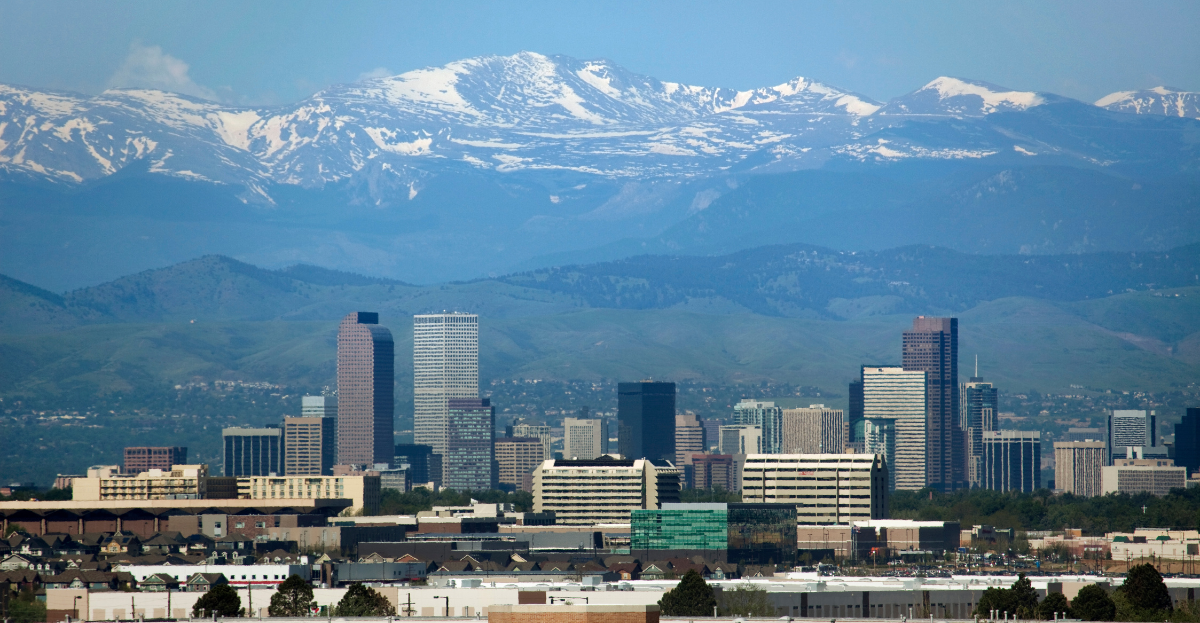
The Mile-High City: An Elevated Experience
Denver’s moniker, the “Mile-High City,” is not just a catchy slogan; it’s a geographical reality that defines much of its character and allure. This significant elevation above sea level presents both fascinating opportunities and important considerations for any visitor. Embracing Denver means understanding how its unique position influences everything from the majestic vistas to the subtle physiological changes you might experience.
Understanding Denver’s Altitude
At 5,280 feet (1,609 meters) above sea level, Denver is precisely one mile high. This exact measurement is famously marked on the steps of the Colorado State Capitol Building, where one step is officially designated as the mile-high point. This elevation means that the air in Denver is noticeably thinner than at sea level. The atmospheric pressure is lower, and there’s less oxygen per breath. While this might sound daunting, for most healthy individuals, it simply requires a bit of awareness and minor adjustments. The city’s elevation also contributes to its distinct climate patterns, often characterized by abundant sunshine – Denver averages over 300 sunny days per year – and dramatic temperature swings between day and night, even in warmer months. The air is also typically drier, which can be a factor for comfort and health.
Why Altitude Matters for Travelers
For travelers arriving from lower elevations, Denver’s altitude can have a tangible impact. The most common concern is acute mountain sickness (AMS), often referred to as altitude sickness. Symptoms typically include headaches, nausea, dizziness, fatigue, shortness of breath, and difficulty sleeping. While generally mild in Denver compared to much higher elevations (like those found deeper in the Rocky Mountains), it’s crucial to be aware. These symptoms usually appear within 6-24 hours of arrival and can last a day or two. The reduced oxygen levels also mean your body works harder, making physical activities feel more strenuous. Dehydration is another significant risk, as the dry air and increased respiration at higher altitudes cause your body to lose fluids more quickly. Furthermore, the thinner atmosphere provides less protection from the sun’s ultraviolet (UV) rays, meaning sunburn can occur much faster and more severely than you might expect at lower elevations. Understanding these potential effects is the first step toward a seamless and enjoyable visit to Denver. Being prepared allows you to focus on the incredible attractions and experiences that await in this unique city.
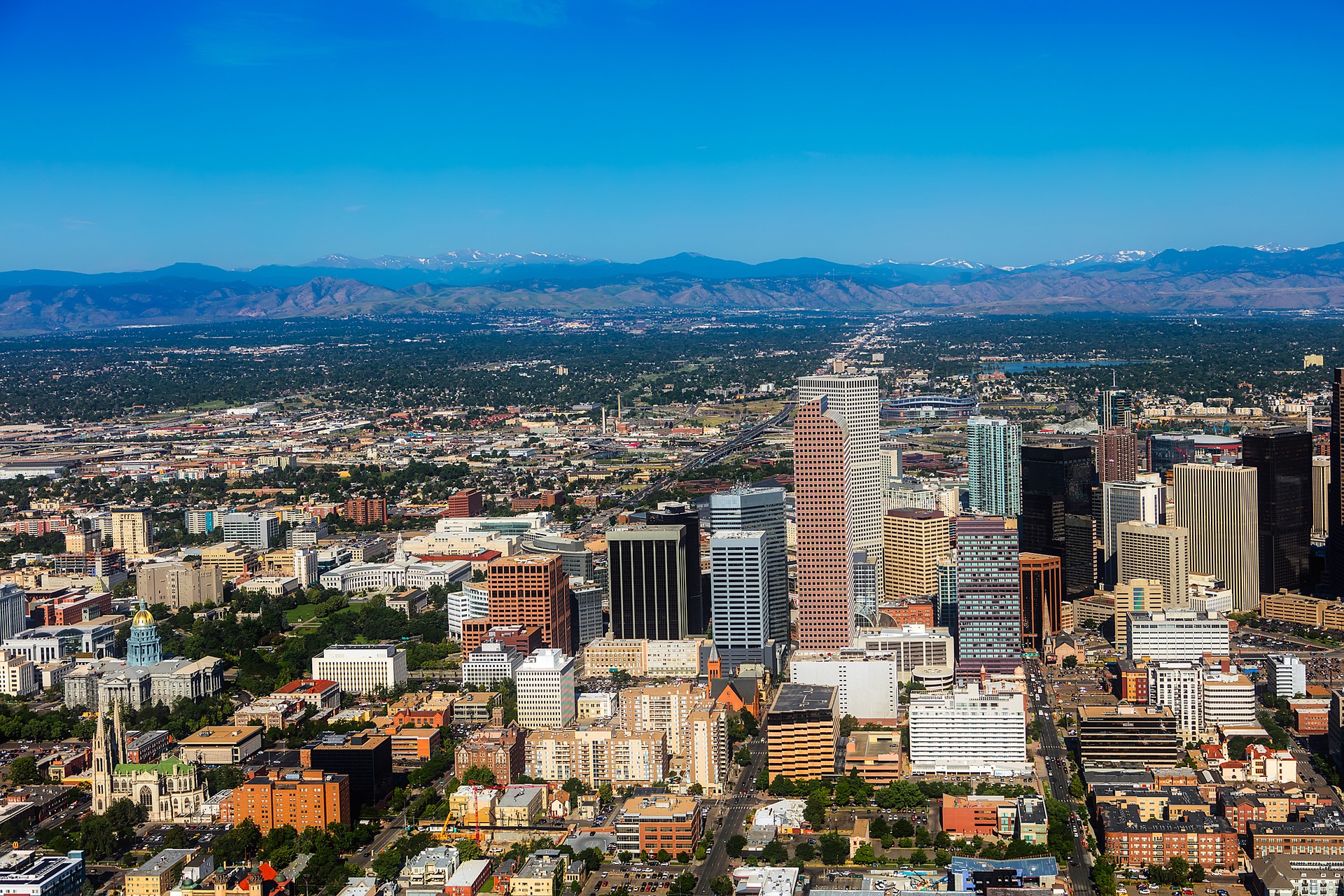
Preparing for Your Elevated Denver Adventure
A trip to Denver promises exhilarating travel and unforgettable experiences, but a little preparation can go a long way in ensuring your comfort and maximizing your enjoyment. Adapting to the Mile-High City’s elevation is simpler than you might think, primarily revolving around a few key strategies. By following these practical tips, you can minimize the effects of altitude and fully immerse yourself in all that Denver has to offer.
Essential Tips for Acclimatization
Acclimatization is the process by which your body adjusts to the lower oxygen levels at higher altitudes. For most visitors to Denver, this process is relatively quick and painless with the right approach.
- Hydrate, Hydrate, Hydrate: This is perhaps the most critical piece of advice. Begin increasing your water intake a day or two before your arrival and continue throughout your stay. The dry air and increased respiratory rate at altitude accelerate fluid loss. Carry a water bottle with you and sip frequently. Aim for significantly more water than you would typically drink at sea level.
- Take It Easy: Upon arrival, resist the urge to immediately embark on strenuous activities. Allow your body 24-48 hours to adjust. Opt for light sightseeing, gentle walks, or simply relaxing at your hotel or accommodation before tackling more demanding hikes or excursions into the mountains.
- Limit Alcohol and Caffeine: Both alcohol and caffeine can contribute to dehydration and exacerbate altitude sickness symptoms. While enjoying Denver’s renowned craft beer scene is a must, moderation is key, especially during your first day or two. Remember that alcohol might also have a stronger effect at altitude.
- Eat Light Meals: Digesting heavy meals can divert energy and oxygen away from other bodily functions. Stick to lighter, carbohydrate-rich foods, which are easier to digest and provide readily available energy.
- Get Adequate Rest: Sleep plays a crucial role in acclimatization. Ensure you get plenty of rest, particularly during your initial nights in Denver.
- Listen to Your Body: Pay close attention to how you’re feeling. If you experience symptoms of altitude sickness, don’t ignore them. Rest, hydrate, and consider taking over-the-counter pain relievers for headaches. If symptoms worsen or become severe, seek medical attention.
What to Pack and Expect
Packing smart for Denver means being ready for its unique climate and outdoor focus.
- Sun Protection: Due to the thinner atmosphere, the sun’s rays are more intense. Pack high-SPF sunscreen, sunglasses (even on cloudy days), and a wide-brimmed hat.
- Layered Clothing: Denver’s weather can be unpredictable, with significant temperature swings throughout the day. Layers are essential, allowing you to easily add or remove clothing as conditions change. Even in summer, evenings can be cool, and mountain excursions will require warmer gear.
- Comfortable Footwear: Whether you plan to explore the city’s pedestrian-friendly areas or venture onto mountain trails, comfortable walking shoes or hiking boots are a must.
- Lip Balm and Moisturizer: The dry air can take a toll on your skin and lips. Keep them hydrated with balm and lotion.
- Small First-Aid Kit: Include pain relievers (like ibuprofen for headaches), any personal medications, and possibly electrolyte packets to add to water.
- Reusable Water Bottle: Essential for staying hydrated and reducing plastic waste.
- Camera: To capture the breathtaking views and memorable moments!
By keeping these tips in mind, you’ll be well-prepared to enjoy every moment of your high-altitude adventure in Denver, making the most of its vibrant tourism offerings and unique lifestyle.
Exploring Denver: Beyond the Elevation
While Denver’s altitude is a defining characteristic, the city itself is a rich tapestry of cultural experiences, historical landmarks, and culinary delights. Once you’ve adjusted to the elevation, a world of exploration opens up, showcasing why Denver is a premier travel destination for all types of visitors.
Iconic Landmarks and Attractions
Denver and its surrounding areas boast an impressive array of attractions that cater to diverse interests, from art and history to nature and sports.
- Red Rocks Amphitheatre: A world-renowned open-air concert venue carved into stunning red sandstone formations. Even without a concert, the geological beauty and panoramic views of the city are worth the visit. It’s a testament to nature’s grandeur just a short drive from downtown.
- Rocky Mountain National Park: While not within Denver’s city limits, this iconic national park is an essential day trip for nature lovers. Offering breathtaking alpine scenery, wildlife viewing, and endless hiking opportunities, it epitomizes the raw beauty of Colorado. Remember that the park’s higher elevations will require extra caution with acclimatization.
- Downtown Denver: The heart of the city, bustling with energy. Explore the historic Union Station, a beautifully restored transit hub offering upscale dining, hotels, and shops. Stroll along the pedestrian-friendly 16th Street Mall, hop on a free shuttle, and discover public art, fountains, and street performers.
- Denver Art Museum: An architectural marvel itself, the Denver Art Museum houses an extensive collection of art from around the world, particularly known for its Native American art and Western American art. Its innovative designs make it a must-visit for culture enthusiasts.
- Denver Botanic Gardens: A serene urban oasis showcasing diverse plant collections from around the globe, as well as distinct ecosystems of the Rocky Mountain region. It’s a perfect spot for a leisurely walk and offers stunning photographic opportunities.
- Coors Field: Home to the Colorado Rockies Major League Baseball team. Catching a game here is a quintessential Denver experience, offering great views of the field and the distant mountains.
- Garden of the Gods: Located near Colorado Springs, about an hour’s drive south, this National Natural Landmark features stunning sandstone rock formations that defy imagination. It’s a popular spot for hiking, rock climbing, and photography, offering a different natural beauty than the alpine Rocky Mountains.
Culinary Heights: Dining in the Mile-High City
Denver’s culinary scene is as diverse and dynamic as its landscape. The city has become a food lover’s paradise, offering everything from farm-to-table eateries to innovative fine dining, often incorporating local Colorado ingredients.
- Craft Beer Capital: Denver is famous for its booming craft beer industry, boasting more breweries per capita than almost any other city. Take a brewery tour in neighborhoods like RiNo (River North Art District) or LoDo (Lower Downtown) to sample unique local brews. Just remember to moderate your intake while acclimatizing!
- Farm-to-Table Focus: Given Colorado’s agricultural heritage, many restaurants pride themselves on using fresh, locally sourced ingredients. Expect seasonal menus that celebrate the bounty of the region.
- Global Flavors: From authentic Mexican and Vietnamese cuisine to modern American and Italian, Denver’s diverse population ensures a wide array of international dining options.
- Coffee Culture: With early mornings often leading to mountain adventures, Denver has a strong coffee culture. Cozy cafes abound, perfect for a warm beverage and a pastry.
Accommodation Options for Every Traveler
Finding the perfect place to stay is crucial for any trip, and Denver offers a wide spectrum of accommodation choices to suit every preference and budget. Whether you’re seeking luxury travel, a budget-friendly stay, or a comfortable base for a family trip or business stay, the city has it all.
- Luxury Hotels and Resorts: For those seeking upscale amenities and impeccable service, Denver offers several renowned luxury hotels. Options like The Brown Palace Hotel and Spa provide historical grandeur, while the Four Seasons Hotel Denver boasts modern elegance and stunning city views. The Crawford Hotel, located within Union Station, offers a unique boutique experience.
- Boutique Hotels: Throughout neighborhoods like LoDo, RiNo, and Cherry Creek, you’ll find charming boutique hotels such as Hotel Clio, each with its own distinct character, design, and local flair, often reflecting the artistic vibe of their surroundings.
- Mid-Range and Budget-Friendly Options: Numerous well-known hotel chains and independent establishments provide comfortable and affordable rooms, especially around the Downtown Convention Center area and near the Denver International Airport. The Hyatt Regency Denver is a popular choice for both business and leisure travelers due to its central location.
- Apartments and Villas: For longer stays, family trips, or those desiring a home-away-from-home feel, vacation rental platforms offer a vast selection of apartments and villas across Denver’s diverse neighborhoods. This option often includes kitchens and more living space, perfect for groups or those wanting to experience local lifestyle.
- Amenities: Many hotels offer amenities tailored to travelers, including fitness centers, pools, and on-site dining. Some also provide tips or services for high-altitude adjustment, such as bottled water in rooms. When booking, consider what amenities are important to your travel style.
Regardless of your choice, it’s advisable to book your accommodation in advance, especially during peak seasons or when major events are happening in the city, to secure the best rates and availability.
Embracing the Rocky Mountain Lifestyle
Denver’s identity is inextricably linked to the majestic Rocky Mountains that serve as its dramatic backdrop. This unique geographical positioning fosters a dynamic outdoor lifestyle that seamlessly blends with a rich urban tapestry. For many, the draw of the Mile-High City lies in this perfect fusion of natural adventure and city sophistication.
Outdoor Activities and Experiences
The proximity to the mountains means that outdoor pursuits are central to the Denver experience. Even within the city, green spaces and parks offer avenues for activity, while just a short drive away, world-class outdoor destinations await.
- Hiking and Biking: Countless trails crisscross the foothills and mountains surrounding Denver. Favorites include trails in Golden (like Lookout Mountain), or venturing further into the Rocky Mountain National Park for more challenging treks. The city itself boasts an extensive network of paved bike paths, perfect for leisurely rides along the South Platte River or through urban parks. Remember to take it easy on your first few days due to the altitude.
- Skiing and Snowboarding: During the winter months, Colorado transforms into a skiing and snowboarding paradise. Resorts like Breckenridge, Vail, Aspen, and Keystone are easily accessible for day trips or longer stays, offering some of the best powder and slopes in the world. Denver serves as the perfect gateway to these renowned winter playgrounds.
- Scenic Drives: Beyond the thrill of active sports, Colorado offers breathtaking scenic drives. The Mount Evans Scenic Byway, for example, is the highest paved road in North America, leading to incredible panoramic views and a chance to spot bighorn sheep and mountain goats. The drive through Clear Creek Canyon offers dramatic scenery without requiring a climb to extreme altitudes.
- Rock Climbing and Bouldering: The unique geological formations around Denver and Colorado Springs, such as those found in Garden of the Gods, attract climbers from all over. Numerous indoor climbing gyms also offer a great way to stay active.
- Water Sports: On warmer days, nearby lakes and rivers provide opportunities for paddleboarding, kayaking, fishing, and whitewater rafting for the more adventurous.
Unique Cultural and Urban Experiences
Beyond its outdoor recreation, Denver thrives as a cultural hub, blending its pioneer history with a forward-thinking, artistic spirit. This makes for a rich tourism landscape where history, art, and modern living coexist.
- Neighborhood Exploration: Each of Denver’s neighborhoods offers a distinct vibe. LoDo (Lower Downtown) is known for its historic architecture, lively nightlife, and proximity to Coors Field and Union Station. RiNo (River North Art District) is an explosion of street art, galleries, breweries, and innovative eateries, embodying Denver’s creative pulse. Cherry Creek offers upscale boutiques, art galleries, and fine dining, perfect for luxury travel experiences.
- Arts and Culture Scene: In addition to the Denver Art Museum, the city supports a vibrant performing arts scene. Catch a show at the Denver Center for the Performing Arts, home to Broadway tours, ballet, opera, and local productions. Independent theaters and music venues also dot the city, offering a diverse range of entertainment.
- Museums and History: Delve into Colorado’s past at the History Colorado Center, which features interactive exhibits on the state’s rich heritage. The Molly Brown House Museum offers a glimpse into the life of the “Unsinkable” Molly Brown, a Titanic survivor and socialite.
- Festivals and Events: Denver hosts numerous festivals year-round, celebrating everything from music and art to food and beer. Check local listings for events happening during your visit to immerse yourself in the local culture.
- Shopping: From the upscale boutiques of Cherry Creek to the quirky shops in eclectic neighborhoods and the pedestrian-friendly 16th Street Mall, Denver offers diverse shopping opportunities for every taste.
Embracing the Rocky Mountain lifestyle means more than just physical activity; it’s about appreciating the crisp air, the endless blue skies, the pioneering spirit, and the community’s deep connection to nature. This lifestyle is what truly makes Denver a captivating and enriching destination for every traveler.
In conclusion, the question “How high is Denver, Colorado?” is more than just a geographical query; it’s an invitation to understand and experience a city shaped by its unique elevation. At precisely one mile high, Denver offers an unparalleled blend of urban sophistication and natural splendor, with the majestic Rocky Mountains always on the horizon. While its altitude requires a mindful approach to travel – prioritizing hydration and gradual acclimatization – the rewards are immense. From world-class landmarks and a vibrant culinary scene to diverse accommodation options and an exhilarating outdoor lifestyle, the Mile-High City promises a truly elevated tourism experience. So, pack your bags, prepare for adventure, and discover the heights of what Denver has to offer.
LifeOutOfTheBox is a participant in the Amazon Services LLC Associates Program, an affiliate advertising program designed to provide a means for sites to earn advertising fees by advertising and linking to Amazon.com. Amazon, the Amazon logo, AmazonSupply, and the AmazonSupply logo are trademarks of Amazon.com, Inc. or its affiliates. As an Amazon Associate we earn affiliate commissions from qualifying purchases.