
Mount Washington, a majestic peak nestled within the White Mountains of New Hampshire, stands as a beacon of natural grandeur and a compelling destination for adventurers and nature enthusiasts alike. Its fame extends far beyond its geographical coordinates, rooted in its dramatic elevation, its notorious weather, and the myriad of experiences it offers to those who dare to ascend its slopes. Understanding the sheer vertical scale of Mount Washington is fundamental to appreciating its character and the challenges it presents.
The Summit’s Altitude: A Defining Characteristic
The most direct answer to the question of Mount Washington’s height is its elevation. This is not just a number; it’s a crucial factor influencing everything from climate to the types of flora and fauna that can survive on its slopes.

Official Elevation and Its Significance
Mount Washington’s official summit elevation is 6,288.2 feet (1,916.6 meters) above sea level. This precise measurement, established through various surveys over the years, places it as the highest peak in the Northeastern United States. This elevation is significant for several reasons. Firstly, it allows for distinct ecological zones to exist as one climbs, transitioning from deciduous forests at the base to alpine tundra near the summit. Secondly, it is high enough to significantly influence regional weather patterns, contributing to the mountain’s legendary status as a place of extreme meteorological conditions. The height dictates the experience of ascending, whether by foot, by car, or by the historic cog railway, offering progressively wider and more breathtaking vistas.
Comparison to Other Peaks
While 6,288 feet might not rival the towering heights of the Rockies or the Himalayas, within its regional context, Mount Washington is a formidable presence. It dwarfs surrounding mountains, providing a commanding viewpoint and a unique challenge for hikers. For comparison, it is considerably higher than many other prominent peaks in the Appalachian Mountains range. This relative dominance contributes to its allure as a primary destination within New England.
The Mount Washington Experience: More Than Just Height
The height of Mount Washington is intrinsically linked to the unique experiences it offers. These experiences are shaped by its elevation, its challenging terrain, and its unpredictable weather.
The Mount Washington Auto Road: A Scenic Ascent
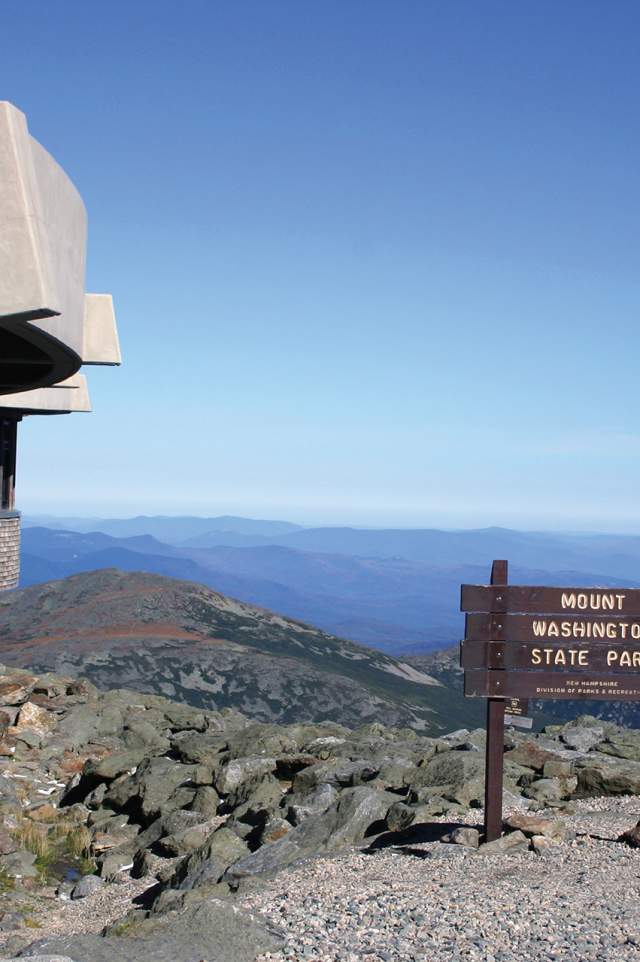
One of the most accessible ways to experience Mount Washington’s elevation is via the Mount Washington Auto Road. This 7.6-mile (12.2 km) road winds its way to the summit, offering unparalleled panoramic views. The journey itself is an experience, with the landscape changing dramatically as you gain altitude. The road’s steep grades, sharp curves, and changing weather conditions make it an adventure in itself. Reaching the summit by car provides a tangible sense of accomplishment and allows visitors to easily witness the stark contrast between the lower elevations and the exposed alpine environment at the top. The summit itself, with its iconic Mount Washington State Park and visitor center, is the culmination of this ascent, a place where one can stand at the pinnacle of the region.

The Cog Railway: A Historic Journey to the Summit
For a truly unique and historic way to conquer Mount Washington’s height, the Mount Washington Cog Railway is an unparalleled attraction. This engineering marvel, operational since 1869, is one of the oldest of its kind in the world. The railway ascends the steep slopes of Mount Washington using a unique rack-and-pinion system, allowing the train to climb the extreme gradients. The journey is a slow, steady, and incredibly scenic ride, offering breathtaking views of the surrounding Presidential Range and the vast valleys below. As the train climbs, visitors witness the changing vegetation and experience the dramatic shift in temperature and weather that defines the mountain. The height is not just a figure; it’s a palpable journey of discovery.
Hiking Trails: An Adventurous Climb
For the more athletically inclined, hiking Mount Washington offers a deeply rewarding, albeit challenging, experience. Numerous trails, varying in difficulty and length, lead to the summit. Trails such as the Tuckerman Ravine Trail and the Lion Head Trail are popular, but even these require good physical condition and preparedness. As hikers ascend, they move through different climate zones, from the lush forests near the base to the windswept, rocky, and often snow-covered summit. The elevation gain is substantial, demanding stamina and respect for the mountain’s power. The sense of achievement upon reaching the 6,288-foot summit on foot is profound, offering a connection to the natural world that is often unparalleled.
The Summit Environment: Shaped by Altitude
The elevation of Mount Washington is the primary architect of its unique and often extreme environment. This environment dictates not only the physical experience of visiting but also the natural beauty and ecological significance of the peak.
The Presidential Range and Surrounding Peaks
Mount Washington is the highest peak in the Presidential Range, a sub-range of the White Mountains known for its rugged beauty and the names of its peaks, which honor former U.S. Presidents like Mount Adams and Mount Jefferson. From the summit, on a clear day, the views are expansive, stretching across multiple states and even into Canada. The interplay of light and shadow across the vast expanse of mountains and valleys is a sight that draws photographers and nature lovers. The height provides a unique perspective on the geological history and the ongoing forces that shape this magnificent landscape.
Alpine Zone and Unique Flora
At elevations above the tree line, Mount Washington hosts a fragile alpine zone. This environment, characterized by harsh winds, cold temperatures, and a short growing season, supports a unique array of plant life. Species like alpine sedges, dwarf shrubs, and resilient wildflowers have adapted to these extreme conditions. The preservation of this delicate ecosystem is a key concern for park management. The very height that creates these challenging conditions also fosters a rare and beautiful habitat that is a testament to nature’s adaptability. Visitors are encouraged to stay on marked trails to protect this sensitive environment.
The Infamous Weather: A Product of Elevation and Geography
Perhaps the most renowned aspect of Mount Washington’s summit is its extreme weather. The mountain’s height, combined with its geographical location where prevailing winds from the Great Lakes, the Atlantic Ocean, and the Arctic converge, creates a meteorological phenomenon. The summit is famous for holding the record for the highest wind speed ever recorded on the Earth’s surface: 231 miles per hour (372 km/h) in 1934. It also experiences extreme cold, heavy snowfall, and frequent fog. This challenging weather is a direct consequence of its elevation and a significant part of the mountain’s identity, requiring visitors to be exceptionally well-prepared, regardless of the season. Understanding the height is key to respecting the power of the mountain’s climate.
In conclusion, the question of “How High Is Mount Washington In New Hampshire?” opens the door to a deeper appreciation of this iconic peak. Its 6,288.2-foot elevation is not merely a statistic but the foundation upon which its unique character, its challenging adventures, and its breathtaking natural beauty are built. From the scenic drives and historic railways to the rigorous hikes and the raw power of its weather, Mount Washington offers an unforgettable encounter with the vertical world.
LifeOutOfTheBox is a participant in the Amazon Services LLC Associates Program, an affiliate advertising program designed to provide a means for sites to earn advertising fees by advertising and linking to Amazon.com. Amazon, the Amazon logo, AmazonSupply, and the AmazonSupply logo are trademarks of Amazon.com, Inc. or its affiliates. As an Amazon Associate we earn affiliate commissions from qualifying purchases.