
The Seattle Space Needle stands as an enduring emblem of innovation, a futuristic silhouette piercing the skyline of Seattle, Washington state, and the entire Pacific Northwest. More than just a towering structure, it’s a testament to human ingenuity and a beacon that has drawn millions of travelers, sightseers, and dreamers since its inception. For anyone planning a trip to this vibrant city, or simply curious about one of the United States‘s most recognizable landmarks, a fundamental question often arises: “How high is the Seattle Space Needle?” The answer, while seemingly straightforward, unravels a story of architectural ambition, engineering prowess, and a truly elevated visitor experience that transcends mere numbers.
Our journey will delve not only into the precise measurements that define this iconic landmark but also explore its rich history, groundbreaking design, and its pivotal role as a premier tourist attraction and cultural touchstone. From its origins as a visionary centerpiece for a World’s Fair to its modern-day appeal as a hub for unforgettable experiences, the Seattle Space Needle offers far more than just a magnificent view; it offers a glimpse into the soul of a city constantly looking towards the future. Whether you’re a seasoned traveler seeking new destinations, a history enthusiast captivated by architectural marvels, or simply someone planning an exciting family trip, understanding the true “height” of the Seattle Space Needle goes beyond its physical dimensions, encompassing its monumental impact on tourism, lifestyle, and the collective imagination.
The Towering Stats: How High Is It, Really?
At the heart of every inquiry about the Seattle Space Needle lies the desire for concrete facts about its vertical prowess. It’s not just a tall building; it’s a precisely engineered structure designed to captivate and endure. Understanding its dimensions provides a foundational appreciation for its scale and its prominence in the Seattle skyline.
A Precise Measurement: From Base to Beacon
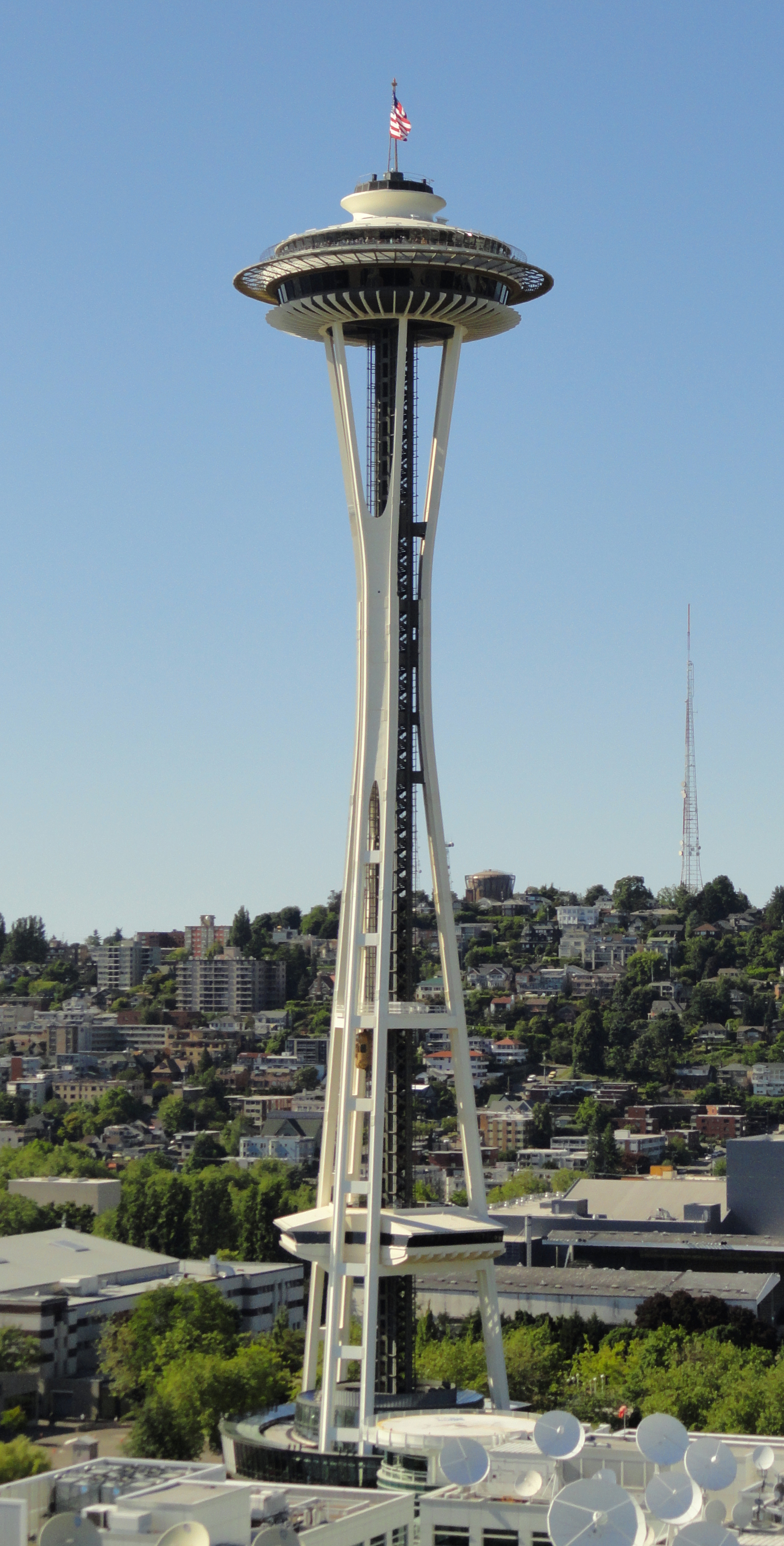
The Seattle Space Needle stands at an impressive 605 feet (184 meters) from its base to the very top of its aviation beacon. This measurement encompasses the entire structure, culminating in the red warning light that serves as a guide for aircraft. While the full height is a significant achievement, visitors are most interested in the public viewing areas.
The main observation deck, famously located within the saucer-shaped top, sits at 520 feet (158 meters) above ground level. This level provides visitors with unobstructed, 360-degree panoramic views of Seattle and its breathtaking surroundings. Just below this, at 500 feet (152 meters), you’ll find the rotating restaurant, SkyCity, which offers a unique dining experience coupled with ever-changing vistas.
These specific heights are crucial to the visitor experience. The rapid ascent in one of the three exterior glass-enclosed elevators, which travel at 10 miles per hour (16 km/h), delivers guests to the observation levels in a mere 43 seconds. This swift journey itself is part of the thrill, a prelude to the expansive views that await. The design ensures that even the journey to the top is an integral part of the attraction, a modern marvel of vertical transportation that contributes to the overall sense of wonder.
Contextualizing the Height: An Icon Among Giants
While 605 feet might not place the Seattle Space Needle among the absolute tallest structures in the world today, its significance lies not just in its raw height but in its iconic silhouette and its impact on the urban landscape. When it was completed in 1962 for the Century 21 Exposition (also known as the World’s Fair), it was the tallest building west of the Mississippi River at the time, a monumental achievement that instantly redefined Seattle’s identity.
To put its height into perspective, consider the views it offers. From its observation deck, visitors can gaze upon the sprawling urban fabric of Seattle, the shimmering waters of Puget Sound, the majestic Olympic and Cascade mountain ranges, and on clear days, the snow-capped grandeur of Mount Rainier. The careful placement of the Space Needle within the city’s topography enhances its visual impact, making it appear even more commanding than its measurements suggest. It doesn’t just dominate the immediate skyline; it acts as a central point from which to appreciate the vast natural beauty that surrounds Seattle, embodying the unique blend of urban sophistication and wild nature that defines the Pacific Northwest lifestyle.
The engineering behind its height is also remarkable. Designed to withstand wind gusts of up to 200 mph (320 km/h) and earthquakes of up to 9.1 magnitude, the Space Needle is anchored to the ground by a foundation weighing 12,000 tons. This robust construction ensures that visitors can enjoy its soaring perspectives with complete confidence, a testament to the foresight and skill of its creators.

A Legacy of Innovation: Birth of an Icon
The existence of the Seattle Space Needle is inextricably linked to a pivotal moment in Seattle’s history: the 1962 Century 21 Exposition. This event wasn’t just a local fair; it was a grand declaration of Seattle’s ambition, a showcase of futuristic ideals, and a catalyst for urban transformation.
World’s Fair Vision: Launching Seattle into the Future
The concept for the Space Needle originated from a sketch on a napkin by Edward E. Carlson, chairman of the 1962 World’s Fair. His vision was to create a towering structure that would serve as the central theme building for the fair, embodying its forward-looking “Century 21” theme. The fair aimed to transport visitors into the future, exploring space travel, science, and technology, and the Space Needle was designed to be its physical manifestation.
Inspiration for the unique design came from various sources, including a sculpture called “The Feminine One” by artist David Lemon, and later, the concept of a flying saucer. The primary architects, John Graham and Victor Steinbrueck, refined these ideas, resulting in the distinctive silhouette we recognize today. The goal was to create something truly unprecedented, a symbol that would capture the imagination and leave a lasting legacy far beyond the six-month duration of the exposition.
The fair itself was a tremendous success, drawing over 10 million visitors and firmly placing Seattle on the international map. The Space Needle was not just a prop for the fair; it was the star, becoming an immediate and unforgettable icon that defined the event and subsequently the city. Its construction was a monumental undertaking, completed in just over a year, a testament to the determination and innovative spirit of the project team and the thousands of workers involved.

Architectural Ingenuity: A Saucer, a Spire, and Enduring Strength
The architecture of the Space Needle is a marvel of mid-century modern design, blending an elegant, futuristic aesthetic with robust engineering principles. Its three distinctive “legs” taper upwards, giving the structure a sense of lightness and dynamism, while the iconic saucer-shaped top evokes images of space travel and the unknown. This unique combination makes it instantly recognizable worldwide, a testament to its singular design.
The challenge was not just to build tall, but to build safely in an active seismic zone. The architects and engineers developed a design that features a massive concrete foundation, 30 feet deep and 120 feet across, containing 250 tons of reinforcing steel. This deep and heavy base provides the necessary stability, allowing the relatively slender tower to gracefully ascend. The steel framework of the tower itself is designed with flexibility in mind, allowing it to sway safely in high winds and during earthquakes, rather than resisting the forces rigidly.
The materials used, primarily steel and concrete, were chosen for their strength and durability, ensuring the structure’s longevity. The innovative use of a large counterweight in the foundation, for instance, helps stabilize the entire structure. Moreover, the rotating restaurant mechanism, a feat of mechanical engineering, allows the entire dining floor to complete a full rotation every 47 minutes, offering diners a constantly changing perspective without them even noticing the movement.
The aesthetic of the Space Needle is also intentional, with colors chosen to reflect the optimism and futurism of the era. The “orbital olive” legs, the “reentry red” top, and the “galaxy gold” canopy contributed to its whimsical yet sophisticated appearance. Even after decades, the design remains fresh and relevant, a timeless piece of architecture that continues to inspire awe and curiosity among visitors interested in famous landmarks and architectural history.
Experiencing the View: Beyond Just Height
While its height is undoubtedly a major draw, the Seattle Space Needle offers an immersive experience that goes far beyond simply standing at an elevated point. It’s about the journey, the innovative enhancements, and the holistic appreciation of Seattle’s vibrant landscape from a truly unique vantage point.
The Observation Decks: A Panacea of Panoramas
The primary reason most visitors flock to the Space Needle is for its unparalleled views, and the observation decks are meticulously designed to maximize this experience. There are essentially two main levels for public viewing, each offering a distinct perspective.
The upper level features the indoor observation deck, offering a comfortable, climate-controlled environment with expansive glass windows. Here, digital experiences and interactive displays provide context about the views, identifying landmarks and sharing historical facts. This is particularly appealing for families or those seeking a more relaxed viewing experience, offering protection from the elements while still providing breathtaking vistas.
Below this, at 500 feet, lies the true jewel of the Space Needle’s recent renovations: the Loupe Deck. This is the world’s first and only revolving glass floor, a truly exhilarating feature. Stepping onto the Loupe Deck allows visitors to literally walk on air, with a transparent floor revealing the intricate structural elements of the tower below and the ground stretching out hundreds of feet beneath their feet. This innovative addition, part of “The Century Project” renovation, transforms the observation experience into an adventure, creating unforgettable memories and truly unique photo opportunities. The combination of indoor comfort and the thrilling outdoor glass floor ensures that every visitor finds their preferred way to engage with the breathtaking panoramas.
Culinary Delights with a View: Dining Above the Clouds
For those looking to elevate their visit further, the Seattle Space Needle offers an exceptional dining experience at SkyCity Restaurant. Located at 500 feet, just below the observation decks, SkyCity is renowned for being one of the only revolving restaurants of its kind, offering exquisite cuisine paired with constantly changing 360-degree views.
Dining at SkyCity transforms a meal into an event. As the restaurant floor slowly rotates, guests enjoy a leisurely journey through Seattle’s skyline, taking in different perspectives of the city, mountains, and water without ever leaving their table. The menu typically features contemporary Pacific Northwest cuisine, utilizing fresh, local ingredients. This combination of gourmet food, impeccable service, and a truly unique ambiance makes SkyCity a perfect choice for special occasions, romantic dinners, or simply a luxurious travel experience. It embodies the “luxury travel” aspect of a visit, providing an experience that engages all the senses and offers a memorable take on local culture and food. Reservations are highly recommended, especially for sunset dining, which provides a spectacular show of colors over the Puget Sound and city lights.
Modern Enhancements: The Century Project
The Seattle Space Needle has not rested on its laurels since its 1962 debut. Recognizing the need to innovate and enhance the visitor experience for a new century, a significant revitalization project, aptly named The Century Project, was completed in 2018. This ambitious multi-million dollar undertaking modernized several aspects of the landmark while preserving its iconic exterior.
Key enhancements included the addition of the all-glass outdoor observation deck and the revolutionary Loupe Deck with its rotating glass floor. Old opaque walls and safety fences were replaced with seamless glass panels, offering unobstructed views and a more immersive feeling of openness. The SkyLift, an innovative glass-enclosed elevator and staircase, now connects the two observation levels, creating an even more fluid and dramatic ascent and descent for visitors.
The Century Project also focused on improving accessibility, enhancing sustainability, and upgrading the overall guest journey, from ticketing to retail spaces. These modern enhancements have not only reinforced the Space Needle’s status as a must-visit attraction but have also cemented its reputation as a forward-thinking landmark continually evolving to meet and exceed the expectations of contemporary travelers. These upgrades highlight how an attraction can blend historical significance with cutting-edge design to remain relevant in the competitive world of tourism.
The Space Needle’s Place in Seattle’s Tapestry
Beyond its physical attributes and innovative design, the Seattle Space Needle holds a profound symbolic and practical significance for the city of Seattle. It’s not merely a standalone attraction; it’s a centerpiece within a vibrant cultural district and an enduring emblem of the region’s character.
A Beacon for Tourism: Drawing Millions to the Emerald City
As the most recognizable landmark in Seattle, the Space Needle serves as a powerful magnet for tourism. Annually, it attracts over 1.3 million visitors from around the globe, making it a cornerstone of the city’s travel industry. Its image graces postcards, travel guides, and countless social media posts, instantly communicating the essence of Seattle to potential travelers.
For many, a visit to Seattle simply isn’t complete without experiencing the Space Needle. It acts as a primary entry point into discovering the city, often being the first major attraction people seek out. Its presence contributes significantly to the local economy, supporting jobs in hospitality, retail, and transportation, and encouraging longer stays in the city. The revenue generated helps fund the upkeep of the structure and contributes to other cultural initiatives within the Seattle Center, demonstrating its multifaceted impact on the tourism landscape. The Space Needle doesn’t just attract tourists; it creates a positive cycle of economic and cultural enrichment for Seattle.
Gateway to the Seattle Center: A Hub of Culture and Innovation
Crucially, the Space Needle is situated at the heart of the Seattle Center, a sprawling 74-acre urban park and cultural complex that was originally developed for the 1962 World’s Fair. This strategic location amplifies its appeal, making it part of a larger destination that offers a diverse range of attractions and experiences for all ages and interests.
After ascending the Space Needle, visitors can easily explore a plethora of world-class institutions within walking distance. These include the vibrant Chihuly Garden and Glass, showcasing stunning glass artwork; the Museum of Pop Culture (MoPOP), an architectural marvel dedicated to music, science fiction, and pop culture; and the Pacific Science Center, offering interactive exhibits for inquisitive minds. The Seattle Center also hosts various theaters, performance venues, and open spaces that are frequently used for festivals and events, making it a dynamic hub of activity.
This concentration of attractions means that the Space Needle isn’t a solitary visit but rather a cornerstone of a full day, or even multiple days, of exploration. It allows travelers to easily combine famous landmarks with cultural experiences, educational opportunities, and family-friendly activities, offering a comprehensive and enriching travel experience that aligns perfectly with the desire for diverse destinations and attractions.
An Icon of Pacific Northwest Lifestyle: Blending Nature and Innovation
The Seattle Space Needle has become more than just a landmark; it’s a profound symbol of the Pacific Northwest lifestyle and Seattle’s unique identity. It perfectly encapsulates the region’s blend of technological innovation, a deep appreciation for natural beauty, and a forward-thinking, optimistic spirit.
From its observation decks, visitors are treated to views that showcase this duality: the bustling urban landscape of a tech-driven city, contrasted sharply with the serene waters of Puget Sound, the lush greenery of the surrounding forests, and the imposing peaks of Mount Rainier. This juxtaposition speaks volumes about Seattle as a place where nature and technology coexist and thrive.
The Space Needle represents Seattle’s pioneering spirit, its willingness to embrace the future, and its role as a global leader in innovation. It also reflects the city’s commitment to creating vibrant public spaces and fostering a rich cultural scene. For locals, it’s a familiar and beloved part of their daily backdrop, an ever-present reminder of their city’s distinct character. For visitors, it offers insight into the unique blend of adventure, culture, and progress that defines the Pacific Northwest, providing a tangible connection to the local culture and lifestyle that makes Seattle so captivating.
Planning Your Visit: Tips for an Unforgettable Experience
To truly appreciate the grandeur and unique offerings of the Seattle Space Needle, a little planning goes a long way. Understanding the best times to visit, how to secure tickets, and how to integrate it into a broader Seattle itinerary can significantly enhance your experience.
Best Times to Visit: Chasing the Perfect View
The experience at the Space Needle can vary dramatically depending on the time of day and year. For optimal viewing conditions, clear weather is paramount, so checking the forecast before your visit is always a good idea, especially in Seattle’s often-cloudy climate.
- Sunrise: For early risers, a sunrise visit offers a tranquil experience with fewer crowds and the magical sight of the city awakening under golden light. It’s an incredibly peaceful and photographic time, often yielding breathtaking views of Mount Rainier before the clouds gather.
- Sunset: This is arguably the most popular time to visit, and for good reason. Witnessing the sun dip below the Olympic Mountains, casting vibrant hues across the Puget Sound, and then watching Seattle’s city lights twinkle to life is an unforgettable spectacle. Be prepared for larger crowds during this peak window.
- Nighttime: After dark, the city transforms into a glittering tapestry of lights. A nighttime visit offers a romantic and mesmerizing perspective, perfect for couples or those seeking a different kind of urban panorama.
- Off-Peak Hours: To avoid the busiest times, consider visiting mid-morning (after the initial morning rush) or mid-afternoon (before the sunset crowds). Weekdays are generally less crowded than weekends.
- Seasonal Considerations: Summer (June to September) typically offers the clearest and warmest weather, but also the largest crowds. Spring and fall can provide pleasant weather with fewer tourists, while winter offers unique, often dramatic, cloudscapes and a cozy atmosphere, though clear views might be less frequent.
Ticket Information and Booking: Securing Your Ascent
Due to its immense popularity, especially since the completion of The Century Project, securing your tickets in advance for the Seattle Space Needle is highly recommended. This is particularly true for peak seasons, weekends, and desired sunset slots.
- Online Booking: The most convenient way to purchase tickets is through the official Space Needle website. Online booking allows you to select your preferred date and time slot, helping you avoid long queues upon arrival and ensuring your entry. You can often find combination tickets that include other Seattle Center attractions like Chihuly Garden and Glass, which can offer cost savings.
- CityPASS: If you plan to visit multiple Seattle attractions, consider purchasing a Seattle CityPASS. This pass offers significant discounts on admission to several top sites, including the Space Needle, the Seattle Aquarium, and MoPOP, providing excellent value for budget-conscious travelers or those planning extensive sightseeing itineraries.
- Dining Reservations: If you intend to dine at SkyCity Restaurant, make a reservation well in advance. Dining reservations typically include complimentary access to the observation decks, providing an added perk and simplifying your visit.
- Accessibility: The Space Needle is fully accessible, with elevators, ramps, and accessible restrooms. Visitors with mobility challenges can enjoy the entire experience with ease.
Combining with Other Attractions: A Full Day at Seattle Center
As mentioned, the Space Needle is the crown jewel of the Seattle Center, making it incredibly easy to craft a comprehensive itinerary for a full day of exploration.
Consider this suggested itinerary:
- Morning (10:00 AM – 12:00 PM): Start your day by ascending the Space Needle. Enjoy the views, brave the Loupe Deck, and take advantage of the interactive exhibits.
- Lunch (12:00 PM – 1:00 PM): Grab a casual bite at one of the eateries within the Seattle Center or, for a special treat, enjoy a memorable lunch at SkyCity Restaurant with its revolving views.
- Early Afternoon (1:00 PM – 3:30 PM): Immerse yourself in the vibrant colors and intricate designs at Chihuly Garden and Glass, located right next to the Space Needle.
- Late Afternoon (3:30 PM – 5:30 PM): Depending on your interests, explore the fascinating exhibits at MoPOP (perfect for music and pop culture enthusiasts) or delve into science and technology at the Pacific Science Center (great for families).
- Evening: Catch a performance at one of the Seattle Center’s theaters or enjoy dinner at one of the many restaurants in the nearby Lower Queen Anne neighborhood.
This integrated approach not only maximizes your time but also creates a cohesive and deeply enriching travel experience, allowing you to seamlessly transition from an iconic landmark to world-class museums and cultural activities, embodying the best of what Seattle tourism has to offer.
Conclusion
The question “How high is the Seattle Space Needle?” is merely the starting point for an exploration into one of the world’s most enduring architectural wonders. Standing proudly at 605 feet (184 meters) to its beacon, with its iconic observation deck at 520 feet (158 meters), it offers not just a physical elevation but an elevated understanding of Seattle’s past, present, and future.
Born from the visionary ambition of the 1962 Century 21 Exposition, the Space Needle represents a triumph of engineering and design, a testament to an era that dared to dream big about space and technology. Its unique silhouette, a blend of mid-century futurism and robust earthquake-resistant construction, has ensured its place as an instantly recognizable global landmark.
Today, thanks to innovative projects like The Century Project, it continues to captivate millions. The thrill of the glass elevators, the breathtaking 360-degree views from the indoor and outdoor observation decks, and the exhilarating experience of the revolving Loupe Deck with its glass floor, all contribute to an unforgettable visit. Coupled with the gourmet dining experience at SkyCity Restaurant, the Space Needle offers a comprehensive package for luxury travel, family trips, and cultural immersion alike.
More than a structure, the Space Needle is the vibrant heart of the Seattle Center, serving as a gateway to a world of museums, gardens, and cultural institutions. It is a symbol of Seattle’s innovative spirit, its connection to the stunning natural beauty of the Pacific Northwest, and its enduring appeal as a premier travel destination. Whether you’re planning your first trip or revisiting this iconic city, the Seattle Space Needle promises an experience that will lift your spirits and leave you with memories as boundless as its panoramic views. It is, unequivocally, a must-see landmark that continues to stand tall, both literally and figuratively, in the annals of global tourism.