
Understanding the precise time in any given location is more than just a matter of curiosity; for travelers, it’s a fundamental aspect of planning, logistics, and ensuring a seamless experience. When we talk about “What Time Is It In Texas USA Right Now?”, we delve into a topic critical for anyone considering a journey to the Lone Star State, whether for leisure, business, or a long-term stay. Texas, a land of vast plains, bustling cities, and diverse landscapes, spans such a significant geographical area that its time zones are not as uniform as one might initially assume. From coordinating hotel check-ins and flight schedules to making dinner reservations and attending crucial business meetings, being aware of the local time is paramount. This article aims to demystify Texas’s time landscape, offering invaluable insights for travelers, tourism enthusiasts, and anyone planning to immerse themselves in the rich culture and vibrant lifestyle this dynamic state has to offer.
Decoding Texas Time Zones: Central vs. Mountain
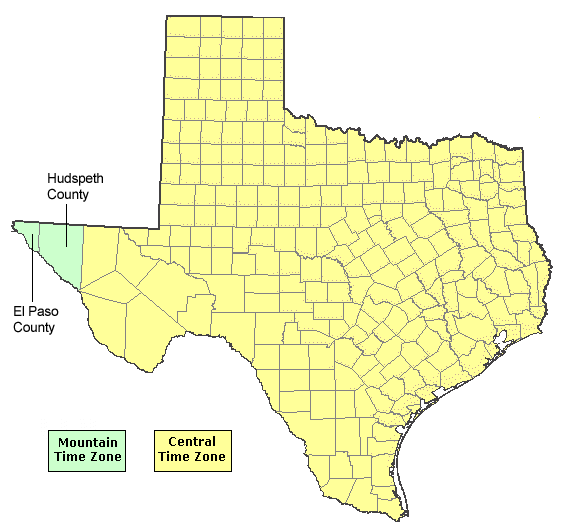
The geographical expanse of Texas means that it falls under two distinct time zones. While the vast majority of the state observes one, a small but significant western portion operates on another. This dual time zone system is a crucial piece of information for any visitor, impacting everything from travel logistics to daily activities.
The Heartbeat of Texas: Central Time (CT)
The dominant time zone across Texas is Central Time. This includes its most populous cities and major travel hubs, where the pulse of the state’s economy, culture, and tourism beats strongest. During standard time, this is referred to as Central Standard Time (CST), which is six hours behind Coordinated Universal Time (UTC-6). When Daylight Saving Time is in effect, it switches to Central Daylight Time (CDT), five hours behind Coordinated Universal Time (UTC-5).
Most of Texas’s iconic cities and popular tourist destinations, such as Dallas, Houston, Austin, and San Antonio, operate within the Central Time zone. This consistency simplifies planning for visitors primarily exploring the central, eastern, and Southern regions of the state. Whether you’re flying into Dallas/Fort Worth International Airport, exploring the historic Alamo in San Antonio, or enjoying the live music scene in Austin, your clock will align with Central Time. This makes it easier to book accommodations, schedule guided tours, or make reservations at renowned Texas BBQ joints.

A Glimpse of the West: Mountain Time (MT)
A small, yet significant, western sliver of Texas observes Mountain Time. This primarily includes the city of El Paso and the two westernmost counties: Hudspeth County and a portion of Culberson County. Mountain Standard Time (MST) is seven hours behind Coordinated Universal Time (UTC-7), and during Daylight Saving Time, it shifts to Mountain Daylight Time (MDT), six hours behind Coordinated Universal Time (UTC-6).
For travelers heading to destinations like El Paso, or planning to explore natural wonders such as Guadalupe Mountains National Park or the rugged beauty of Big Bend National Park (which, interestingly, is in Central Time but often grouped with western Texas for geographical context), this time zone difference is critical. A two-hour shift when traveling from, say, San Antonio to El Paso can easily lead to missed appointments, delayed check-ins, or confusion if not properly accounted for. Always double-check the local time when your itinerary includes these western Texas gems, especially if you’re driving long distances across the state.
Navigating Daylight Saving Time in Texas
Like most of the USA, Texas observes Daylight Saving Time (DST). This means that clocks “spring forward” one hour in early March and “fall back” one hour in early November. This annual change impacts both Central Time and Mountain Time zones simultaneously, maintaining the relative time difference between them.
For travelers, DST introduces another layer of consideration. A flight arriving at an airport just as DST begins or ends can have implications for connecting flights, pre-booked transportation, or scheduled activities. It’s always a good practice to confirm the precise time change dates for your travel year, especially if your trip coincides with these transitional periods. Most modern smartphones and digital devices automatically adjust, but it’s wise to cross-reference to avoid any travel hiccups.
Time-Sensitive Travel: Planning Your Texas Adventure
Understanding Texas’s time zones is more than just academic; it’s a practical necessity for any traveler. From booking the perfect suite to catching a legendary concert, every aspect of your trip hinges on accurate timekeeping.
Seamless Hotel Bookings and Accommodation
When planning your accommodation in Texas, the time zone plays a vital role. Most hotels, resorts, and vacation rentals have strict check-in and check-out times. Arriving at a Dallas hotel believing it’s 2 PM Central Time when your flight originated from a different time zone can be confusing. Similarly, when departing from El Paso, ensure your check-out aligns with Mountain Time to avoid unexpected charges.
Platforms for booking various types of accommodation – from luxury suites in Houston to charming apartments in Austin or serene villas near South Padre Island – typically display times in the local zone of the property. However, it’s always prudent to confirm. Consider early check-in or late check-out options if your travel schedule involves significant time zone shifts, as this can greatly enhance your comfort and minimize stress. Many hotels, like the Grand Hyatt or Four Seasons Resort properties, are experienced with travelers from various time zones and can offer flexibility if requested in advance.
Maximizing Your Texas Tourism Experience
Texas offers an incredible array of attractions and activities, from historical landmarks to vibrant cultural events. Scheduling your tourism activities effectively requires a keen eye on the clock. Museum hours, tour departure times, and event schedules are always presented in local time.
Imagine trying to catch a Fort Worth Stockyards rodeo, a show at the Houston Theater District, or a culinary tour in San Antonio. Miscalculating the time could mean missing out on these unique experiences. Dining reservations are another critical area; the local culture around meal times can vary, and showing up an hour late due to time zone confusion can lead to lost tables or long waits, especially at popular spots. For travelers exploring multiple cities within Texas, particularly those venturing west, maintaining awareness of the time zone boundaries is key to a smooth, enjoyable journey.
Business Travel and Meeting Deadlines
For business travelers, time is quite literally money. Synchronizing schedules with local clients, colleagues, or conference organizers is non-negotiable. A meeting scheduled for 9 AM Central Time for someone traveling from, say, California (Pacific Time) means waking up very early, or for someone flying into El Paso from Dallas, it means adjusting by two hours.
When attending conferences, workshops, or conducting remote calls with Texas-based teams, always confirm the local time zone. Travel itineraries often list arrival and departure times in local time, but cross-referencing with a world clock app can prevent costly errors. Additionally, for international business travelers, managing jet lag in combination with time zone shifts within Texas can be challenging. Planning buffer time upon arrival and departure, especially for critical meetings, is a wise strategy.
Experiencing Texas Through the Hours: A Lifestyle Perspective
Beyond the practicalities of travel, understanding the time in Texas allows you to truly immerse yourself in the state’s lifestyle and culture. Each part of the day offers distinct experiences, reflecting the rhythm of Texas life.
Morning in the Lone Star State: Breakfast Tacos and Early Exploration
Mornings in Texas often begin with the aroma of freshly brewed coffee and, for many, the beloved breakfast taco. From bustling street vendors in Austin to local diners in San Antonio, this culinary tradition is a fantastic way to kickstart your day. Early mornings are also ideal for exploring some of Texas’s natural beauty or historical sites before the crowds arrive.
Consider a sunrise walk along the San Antonio River Walk or a peaceful moment at the Texas State Capitol in Austin. In Houston, an early visit to a park like Hermann Park or the Museum District offers a tranquil start. For those in Dallas, a morning stroll through the Dallas Arts District provides a cultural awakening. These early hours allow for a unique connection with the local environment and culture, away from the midday rush.
Midday Majesty: Lunch, Shopping, and Cultural Immersion
As the sun climbs high, Texas truly awakens to a flurry of activity. Midday is synonymous with lunch, and in Texas, that often means indulging in world-famous BBQ, Tex-Mex cuisine, or fresh seafood along the Gulf Coast in places like Corpus Christi or Galveston.
This is also prime time for cultural immersion and retail therapy. Explore the myriad shops in Houston’s Galleria, discover unique boutiques in Austin’s South Congress Avenue, or delve into history at The Alamo in San Antonio. For space enthusiasts, a visit to Space Center Houston is a must, and midday offers ample time to explore its exhibits. Whether you’re seeking a family-friendly activity, a luxury shopping spree, or a deeper dive into local history, the midday hours in Texas provide abundant opportunities.
Evening Enchantment: Sunsets, Dining, and Entertainment
As evening approaches, Texas transforms, offering a different kind of enchantment. The vast Texas skies often put on a spectacular show with vibrant sunsets, particularly breathtaking in the western reaches near Big Bend National Park or in the panhandle around Amarillo.
Evenings are for dining experiences, ranging from upscale fine dining in Dallas to casual food truck parks in Austin. The state’s nightlife truly comes alive, especially in its major cities. Austin’s famous Sixth Street pulses with live music, while Houston and Dallas boast an array of bars, clubs, and performance venues. For those seeking a more relaxed pace, a scenic drive under the stars or a visit to a local brewery provides a perfect end to the day. From family-friendly evening activities like minor league baseball games to sophisticated cultural performances, Texas evenings cater to every preference and lifestyle.
Practical Tips for a Timeless Texas Journey
To ensure your Texas trip runs as smoothly as possible, a few practical tips regarding time awareness can make all the difference.
Essential Tools and Apps
Modern technology is your best friend when navigating time zones. Ensure your smartphone’s time settings are set to automatically update based on your location. Additionally, downloading a reliable world clock app that can display multiple time zones at once is highly recommended. This allows you to quickly compare the current time in Central Time and Mountain Time, as well as your home time zone, at a glance. For flights, dedicated flight tracking apps can provide real-time updates, including any time zone-related schedule changes.
Communication Across Time Zones
If you’re traveling with family or friends who are not with you, or if you need to maintain contact with work or other obligations, be mindful of the time difference. Scheduling calls or video chats can be tricky, so use a time zone converter to find the most convenient overlap. For international travelers, understanding your current time relative to your home country can also help manage jet lag and maintain communication with loved ones or business partners abroad, especially if they are in places like Mexico (sharing borders and often similar time zones).
Embracing the Pace of Texas
Ultimately, while being punctual and aware of time zones is crucial for logistical reasons, remember to embrace the rhythm of Texas. In some of the smaller towns or more rural areas, life moves at a slightly slower, more relaxed pace. Don’t be afraid to slow down and enjoy the moment, whether you’re savoring a long meal, exploring a unique landmark, or simply watching the vast Texas sky.
The question “What Time Is It In Texas USA Right Now?” is the gateway to a deeper understanding of this remarkable state. By familiarizing yourself with its time zones and factoring them into your travel planning, you can ensure a journey filled with unforgettable experiences, seamless transitions, and a genuine appreciation for the diverse lifestyle that Texas proudly offers. So, set your watch, and get ready to explore the Lone Star State at your own pace.
LifeOutOfTheBox is a participant in the Amazon Services LLC Associates Program, an affiliate advertising program designed to provide a means for sites to earn advertising fees by advertising and linking to Amazon.com. Amazon, the Amazon logo, AmazonSupply, and the AmazonSupply logo are trademarks of Amazon.com, Inc. or its affiliates. As an Amazon Associate we earn affiliate commissions from qualifying purchases.