
Vail, Colorado, a jewel nestled in the heart of the Rocky Mountains, is renowned globally for its unparalleled skiing and snowboarding experiences. But beyond the allure of powdery slopes and luxurious village life, the question of “how high is Vail?” prompts a deeper exploration of its altitude, its impact on visitors, and the very essence of its elevated existence. This inquiry delves into the town’s elevation, the physical considerations for travelers, and how this defining characteristic shapes the entire Vail experience.
The Summit of Elevation: Vail’s Altitude and Its Impact
The most direct answer to “How high is Vail Colorado?” pertains to its geographical elevation. The town of Vail is situated at approximately 8,150 feet (2,484 meters) above sea level. This significant altitude is not merely a statistic; it is a fundamental aspect of the Vail identity, influencing everything from the climate and vegetation to the physiological responses of its visitors.
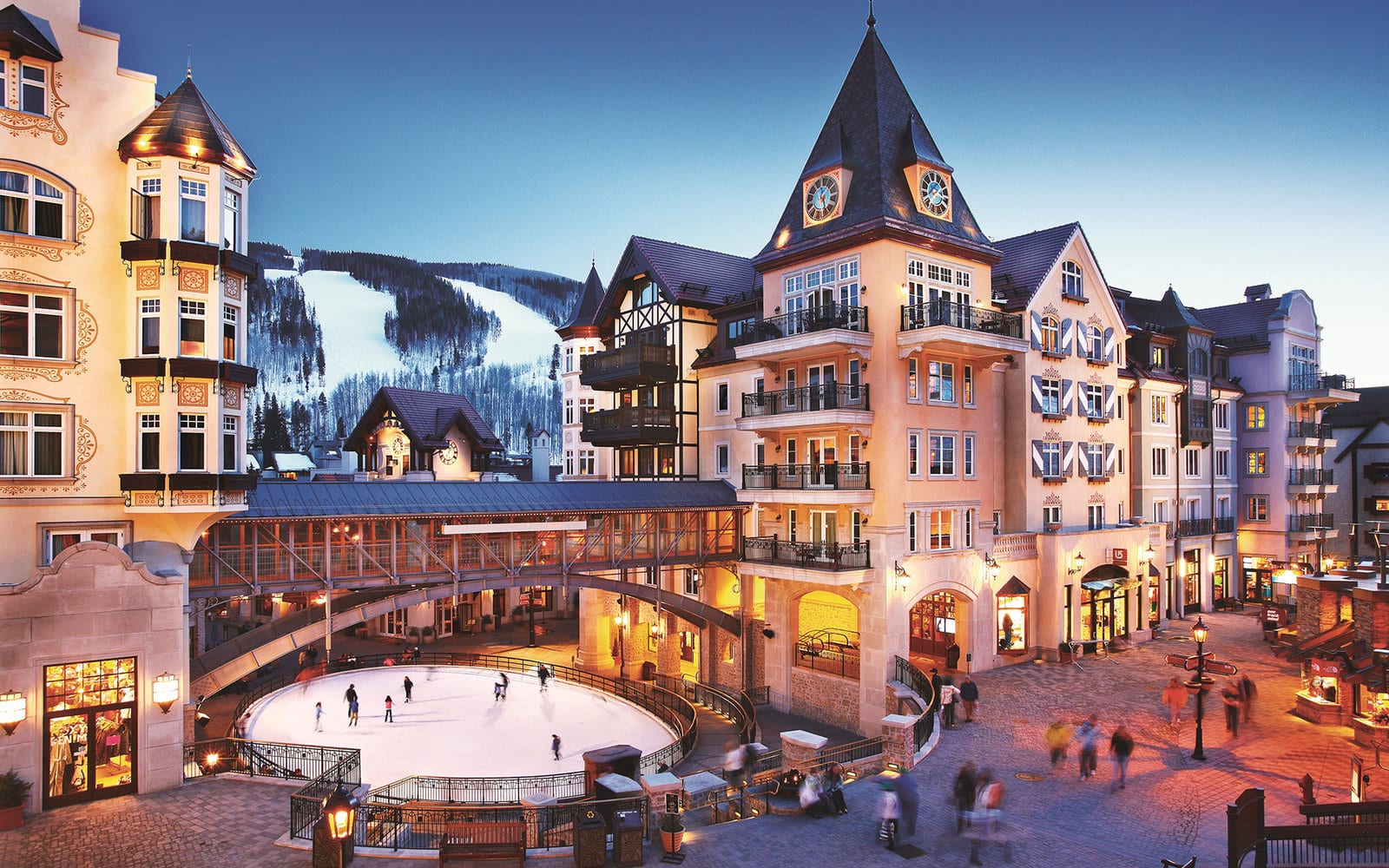
Understanding Mountain Town Elevation
When discussing mountain towns, altitude is a critical factor. Vail’s elevation places it firmly within the category of high-altitude destinations. This means that the air is thinner, with less oxygen available compared to sea-level environments. For many, this difference is noticeable and can lead to various physiological responses, commonly known as altitude sickness.
The base of Vail Ski Resort, one of the most celebrated ski areas in North America, sits at a comparable elevation. However, the ski resort’s true height is best understood by its highest lift-served point. Vail boasts a summit elevation that reaches an impressive 11,570 feet (3,527 meters) above sea level. This dramatic rise from the town base to the mountain summit offers skiers and snowboarders an expansive vertical drop and breathtaking panoramic views. The contrast between the charming, pedestrian-friendly village and the soaring peaks above is a defining characteristic of the Vail landscape.
Physiological Considerations for Visitors
The high altitude of Vail necessitates a degree of awareness and preparation for visitors, particularly those arriving from lower elevations. Altitude sickness, also known as acute mountain sickness (AMS), can affect individuals differently. Symptoms can range from mild headaches, nausea, and dizziness to more severe conditions like high-altitude pulmonary edema (HAPE) or high-altitude cerebral edema (HACE) in rare, extreme cases.
Common Symptoms of Altitude Sickness:
- Headache: Often the first and most common symptom.
- Nausea and Vomiting: Feeling unwell or experiencing an upset stomach.
- Dizziness and Lightheadedness: A sensation of unsteadiness.
- Fatigue and Weakness: A general feeling of tiredness.
- Loss of Appetite: Reduced desire to eat.
- Difficulty Sleeping: Restlessness or interrupted sleep.
To mitigate the effects of high altitude, visitors are strongly advised to:
- Acclimatize Gradually: Spend a day or two at a lower elevation before ascending to Vail, if possible. If not, take it easy upon arrival.
- Stay Hydrated: Drink plenty of water. Dehydration can exacerbate altitude symptoms. Avoid excessive alcohol and caffeine, which can contribute to dehydration.
- Avoid Strenuous Activity on Arrival: Limit physical exertion for the first 24-48 hours to allow your body to adjust.
- Eat Light Meals: Avoid heavy, fatty foods that are harder to digest at altitude.
- Consider Altitude Medications: Consult your doctor about prescription medications like Acetazolamide (Diamox), which can help prevent or treat altitude sickness.
The elevation also impacts the local flora and fauna, contributing to the unique alpine environment. The air is crisper, the sunlight can feel more intense due to reduced atmospheric filtering, and the overall sensory experience is distinct. Embracing the altitude, rather than fighting it, is key to enjoying a memorable trip to Vail.
Experiencing Elevation: Activities and Attractions in High-Altitude Vail
The elevation of Vail is not just a physical characteristic; it is intricately woven into the fabric of its attractions and experiences. From thrilling downhill descents to serene mountain vistas, the high altitude provides the stage for unforgettable adventures.

Skiing and Snowboarding: The Pinnacle of Elevation-Based Recreation
Vail Ski Resort is a testament to the benefits of high altitude for winter sports. With its summit reaching over 11,500 feet, the resort offers vast terrain that is typically snow-covered and pristine for much of the winter season. The sheer vertical drop, combined with the extensive network of groomed runs and legendary back bowls, provides an unparalleled skiing and snowboarding playground.
- Back Bowls: These expansive, open bowls offer incredible powder skiing and are a signature feature of Vail. The higher elevation ensures that snow conditions remain exceptional.
- Front Side: The more traditional front side of the mountain features a variety of terrain, from gentle beginner slopes to challenging expert runs, all benefiting from the consistent snowpack found at these altitudes.
- High Alpine Terrain: The upper reaches of the mountain provide breathtaking views and challenging skiing for advanced riders. The feeling of being “on top of the world” is palpable at these heights.
The very act of ascending the mountain via chairlifts and gondolas offers a gradual introduction to the increasing elevation and the changing landscape. The thin air may be noticeable even while riding the lifts, a constant reminder of the elevated environment.
Summer Adventures at Altitude
While Vail is a winter paradise, its high-altitude location also creates a stunning summer destination. The cooler mountain air provides a welcome respite from warmer climates, and the landscape transforms into a vibrant tapestry of wildflowers and lush greenery.
- Hiking and Mountain Biking: Numerous trails wind through the mountains surrounding Vail, offering varying degrees of difficulty. Hiking to higher elevations rewards participants with expansive views of the Gore Range and surrounding peaks. Mountain biking enthusiasts can enjoy thrilling descents and challenging climbs, taking full advantage of the mountainous terrain.
- Scenic Gondola Rides: Even in summer, the gondolas operate, providing access to the mountain summit for those who wish to experience the views without the strenuous activity. The Gondola One in Vail Village and the Gondola at Beaver Creek offer convenient access to higher elevations for sightseeing.
- Vail Village and Lionshead: These pedestrian-friendly villages, located at the base of the mountain, offer a charming atmosphere for exploring shops, restaurants, and art galleries. While at town elevation, the imposing presence of the surrounding peaks is a constant reminder of the grandeur of the Rocky Mountains.
The high-altitude environment contributes to the unique quality of light, the clarity of the air, and the overall sensory richness of any outdoor activity in Vail.
Beyond the Numbers: The Spirit of High-Altitude Living in Vail
The question “How high is Vail Colorado?” extends beyond mere feet and meters; it touches upon the spirit and character of the town and its inhabitants. High-altitude living fosters a unique perspective and a resilience that is evident in the community.
A Community Shaped by Elevation
The residents of Vail are accustomed to the challenges and rewards of high-altitude living. This shared experience can foster a strong sense of community and an appreciation for the natural world. The rhythm of life in Vail is intrinsically linked to the seasons and the demands of the mountainous environment.
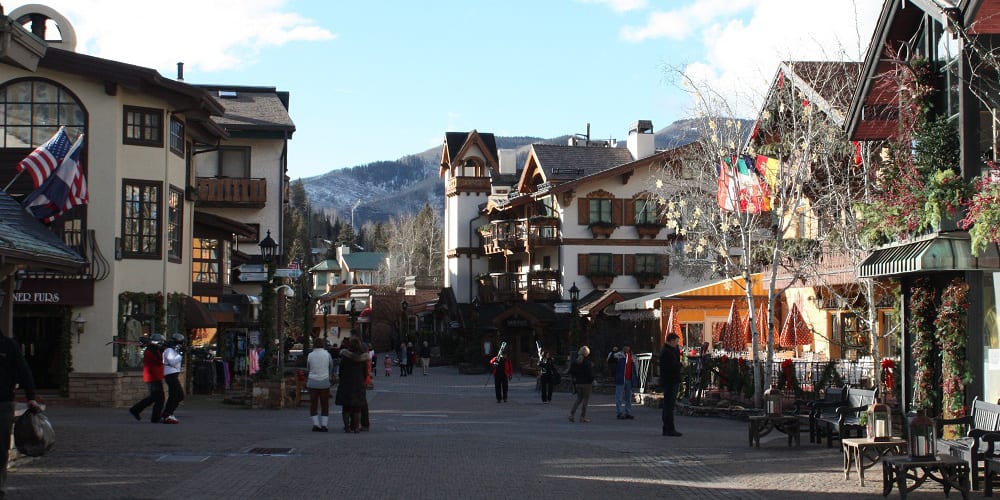
The architecture and planning of Vail itself are designed to harmonize with the landscape. The European-inspired village, with its charming chalets and cobblestone streets, is nestled within the embrace of the surrounding peaks. This integration of human habitation with the natural grandeur emphasizes the respect for the powerful forces of nature at play at these altitudes.
The Majesty of High-Altitude Views
One of the most profound aspects of being in Vail is the visual splendor that accompanies its elevation. From the summit of the ski resort to scenic overlooks along mountain roads, the panoramic vistas are simply awe-inspiring.
- 360-Degree Views: At the highest accessible points, visitors are treated to sweeping panoramas of the Rocky Mountains, with layers of peaks receding into the distance. The clarity of the air at high altitudes allows for incredible visibility.
- The Changing Light: The quality of light in the mountains is unique. Sunrises and sunsets paint the sky in vibrant hues, and the interplay of light and shadow across the rugged terrain is a constant source of visual delight.
- Stargazing: Away from city lights, the high altitude of Vail offers an exceptional canvas for stargazing. The thinner atmosphere allows for clearer and more vibrant views of the night sky.
The “height” of Vail is therefore not just a measure of elevation but a metaphor for the elevated experience it offers – an escape into a world of natural beauty, exhilarating adventure, and a profound connection with the grandeur of the Rocky Mountains. Whether seeking the thrill of the slopes or the serenity of a mountain vista, the answer to “How high is Vail Colorado?” is found in the unparalleled experiences it provides from its elevated perch.
LifeOutOfTheBox is a participant in the Amazon Services LLC Associates Program, an affiliate advertising program designed to provide a means for sites to earn advertising fees by advertising and linking to Amazon.com. Amazon, the Amazon logo, AmazonSupply, and the AmazonSupply logo are trademarks of Amazon.com, Inc. or its affiliates. As an Amazon Associate we earn affiliate commissions from qualifying purchases.