
When contemplating a journey to Alaska, the 49th state of the United States, most travelers conjure images of snow-capped mountains, vast glaciers, and frigid temperatures. While these iconic visions certainly hold true for much of the year, dismissing Alaska as merely a cold destination would be a significant oversight. The Last Frontier offers a surprising and vibrant summer experience, where the sun shines for seemingly endless hours, and temperatures can soar far beyond what many expect. Understanding the nuanced climate of Alaska is key to planning an unforgettable trip, whether you’re seeking high-adrenaline adventures, serene wildlife encounters, or a deep dive into local culture.
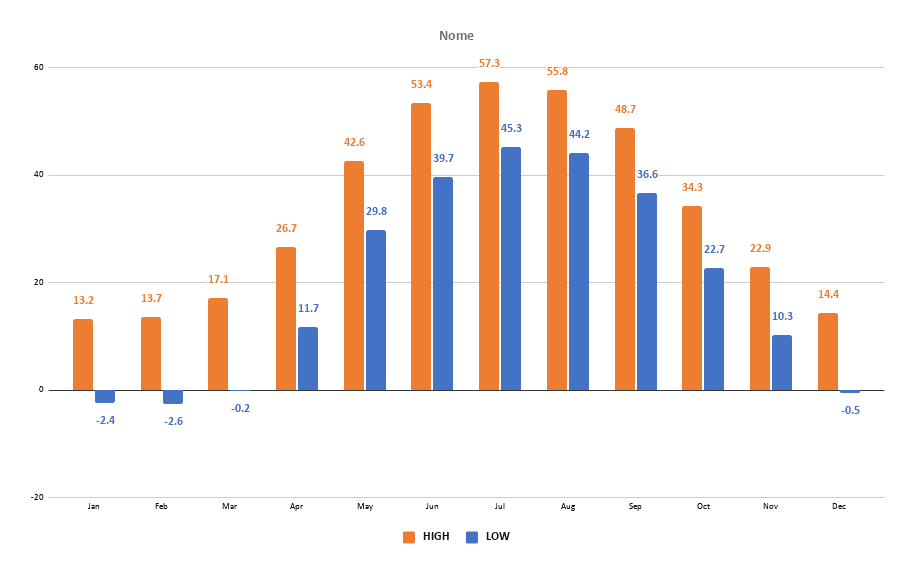
This article delves into the surprising reality of Alaskan summers, exploring just how hot it can get, the factors contributing to these warm spells, and how to best enjoy the warmer months through carefully chosen travel, accommodation, and tourism experiences. From the record-breaking highs in the interior to the mild coastal breezes, Alaska offers a diverse climatic landscape that profoundly shapes its attractions and the lifestyle of its residents. Prepare to discover a side of Alaska that might just melt your preconceived notions.
The Surprising Summer Realities of Alaska’s Climate
While Alaska is synonymous with extreme cold for much of the world, its summers can be remarkably warm, even hot, challenging common perceptions. The state’s vast size and varied topography mean that temperature experiences differ significantly from one region to another. However, across many parts of the state, especially inland, average summer temperatures are quite comfortable, and heatwaves are not uncommon.
Record-Breaking Highs and Average Summer Temperatures
Historically, Alaska has recorded some astounding high temperatures. The all-time state record stands at a scorching 100°F (38°C), set in Fort Yukon back in June 1915. More recently, in July 2019, Anchorage, the state’s largest city, hit an unprecedented 90°F (32°C), smashing its previous record. Fairbanks, located closer to the Arctic Circle, frequently experiences temperatures in the 80s°F (27-32°C) during July, with record highs also reaching into the 90s°F (32-37°C).
For a clearer picture, let’s look at typical summer conditions:
- Interior Alaska (e.g., Fairbanks): This region experiences a continental climate with the most extreme temperature fluctuations. Summers are surprisingly warm, with average July highs often in the mid-70s°F (24-26°C), but frequently climbing into the 80s°F (27-32°C) or even 90s°F (32-37°C) during heatwaves. The long daylight hours contribute significantly to warming the ground and air.
- Southcentral Alaska (e.g., Anchorage): Influenced by the nearby Gulf of Alaska, this region has a milder summer. Average July highs hover around 65-70°F (18-21°C), making it pleasant for outdoor activities. While 90°F days are rare, temperatures in the 70s°F and low 80s°F are common during extended sunny periods.
- Southeast Alaska (e.g., Juneau): This panhandle region, characterized by rainforests and numerous islands, has a maritime climate. Summers are cooler and wetter than the interior. Average July highs are typically in the low 60s°F (16-18°C), rarely exceeding 70°F (21°C). While it’s not “hot” in the traditional sense, it’s wonderfully mild and comfortable for exploring.
- Arctic Alaska (e.g., Utqiagvik): Even above the Arctic Circle, summer can bring relative warmth. Average July temperatures are usually in the 40s°F (4-9°C), but temperatures can occasionally reach into the 70s°F (21-26°C) for short periods, a phenomenon that feels exceptionally warm given the usual conditions.
Factors Influencing Alaska’s Summer Warmth
Several unique geographical and meteorological factors contribute to Alaska’s surprisingly warm summers:
- Extended Daylight Hours (Midnight Sun): During the summer months, Alaska experiences incredibly long periods of daylight, with areas above the Arctic Circle enjoying 24 hours of sun. This constant solar radiation, even if less intense than at lower latitudes, allows for continuous warming of the land and atmosphere over several weeks, preventing significant nighttime cooling.
- Continental Climate: Interior Alaska is far from the moderating influence of the Pacific Ocean and Bering Sea. This continental effect leads to greater temperature extremes – very cold winters and significantly warmer summers compared to coastal areas. When high-pressure systems settle over the interior, they can trap warm air, leading to heatwaves.
- Orographic Lift and Rain Shadow: Mountain ranges, such as the Alaska Range and the Chugach Mountains, create rain shadow effects. Moisture-laden air from the Pacific Ocean releases its precipitation on the windward side of the mountains, leaving drier, warmer air to descend on the leeward side, contributing to warmer temperatures in the interior.
- Global Climate Change: Like many regions, Alaska is experiencing the effects of global warming, with rising average temperatures and more frequent extreme weather events, including hotter summers. This trend is a significant factor in the record-breaking temperatures observed in recent years.
Experiencing Alaska’s Warm Side: Activities and Attractions
The mild to hot summer temperatures transform Alaska into an outdoor paradise, offering a plethora of activities for every type of traveler. From exploring vast national parks to engaging with vibrant city life, the warmer months unlock unique opportunities for tourism and adventure.
Outdoor Adventures in the Warm Sun
Summer is peak season for Alaska’s legendary outdoor pursuits. The extended daylight means more time for exploration, and the warmer weather makes these activities incredibly enjoyable.
- Hiking and Backpacking: With the snow melted from lower elevations, trails in national parks and state lands become accessible. Destinations like Denali National Park and Preserve offer unparalleled opportunities for wildlife viewing (grizzly bears, caribou, moose) and stunning vistas of Mount Denali, North America’s tallest peak. Other prime hiking spots include Chugach State Park near Anchorage and the trails around Homer on the Kenai Peninsula.
- Fishing and Water Sports: Alaska is world-renowned for its salmon and halibut fishing. The warmer waters of rivers and lakes teem with fish, making it a prime time for anglers. Kayaking, rafting, and stand-up paddleboarding are popular on calm lakes and rivers. Guided tours offer chances to explore serene waterways, often spotting local wildlife like otters, beavers, and eagles.
- Wildlife Viewing: Warmer temperatures bring wildlife out into the open. Beyond Denali, you can witness brown bears feasting on salmon in places like Katmai National Park and Preserve, take whale-watching tours from Seward or Juneau, or visit the Alaska Wildlife Conservation Center for guaranteed sightings of rescued animals.
- Glacier Viewing: While glaciers might seem counter-intuitive for warm weather, summer is the ideal time to take boat tours to see tidewater glaciers calve into the ocean in places like Kenai Fjords National Park or Glacier Bay National Park and Preserve. You can also hike to accessible glaciers like Mendenhall Glacier near Juneau or fly over the vast icefields of Wrangell-St. Elias National Park.
City Exploration and Cultural Immersion
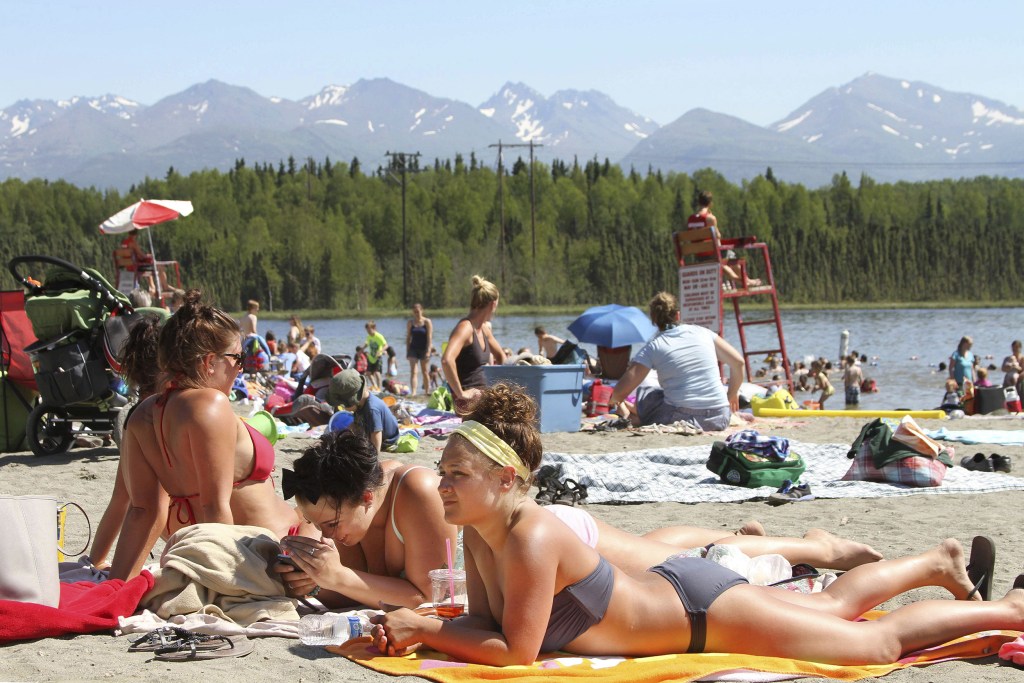
Even when temperatures climb, Alaska’s cities offer a blend of outdoor charm and indoor cultural experiences.
- Anchorage: As the state’s hub, Anchorage comes alive in summer. Enjoy scenic bike rides along the Tony Knowles Coastal Trail, explore the Alaska Native Heritage Center, or delve into history at the Anchorage Museum. Numerous outdoor markets and festivals pop up, celebrating the long daylight hours.
- Fairbanks: Known as the “Golden Heart City,” Fairbanks is the gateway to the Arctic. Visitors can pan for gold, take a sternwheeler riverboat cruise, or soak in the natural hot springs at Chena Hot Springs Resort. The Midnight Sun Festival in June is a vibrant street fair celebrating the nearly 24 hours of daylight.
- Juneau: The capital city, accessible only by air or sea, is a charming blend of natural beauty and historical character. Explore its quaint downtown, ride the Mount Roberts Tramway for panoramic views, or embark on a whale-watching excursion. The mild summer temperatures make it perfect for strolling through the city’s unique shops and eateries.
- Small Towns and Road Trips: Smaller towns like Talkeetna, a base for Mount Denali climbers, or Seward, offering access to Kenai Fjords National Park, become vibrant hubs. The Alaska Railroad offers spectacular scenic journeys that are especially breathtaking under the summer sun, allowing travelers to comfortably witness landscapes that are otherwise inaccessible.
Preparing for Alaska’s Summer Heat: Accommodation and Essentials
Even though Alaska is famous for its wilderness and rugged charm, proper planning, especially concerning accommodation and packing, is crucial for a comfortable and enjoyable summer trip, particularly if you encounter a heatwave.
Choosing Your Stay: Comfort in Alaskan Summers
When booking hotels and other accommodations in Alaska during summer, it’s wise to consider the possibility of warmer temperatures, especially in interior and southcentral regions.
- Air Conditioning: While not as ubiquitous as in warmer climates, air conditioning in hotels and resorts is becoming more common, especially in major cities like Anchorage and Fairbanks. When booking, check amenity lists or inquire directly with hotels if AC is a priority for you. Upscale options like the Hotel Captain Cook in Anchorage or the Alyeska Resort in Girdwood generally offer modern comforts.
- Lodges and Cabins: Many visitors opt for wilderness lodges or cabins for a more immersive experience. These often rely on natural ventilation, so choose locations near lakes or rivers where cool breezes are common. Some higher-end lodges might offer cooling systems, but it’s best to confirm in advance.
- Booking in Advance: Summer is Alaska’s peak tourism season. Regardless of whether you prioritize AC, securing your accommodation well in advance is essential, particularly for popular destinations and during peak events like the Midnight Sun Festival in Fairbanks or the Iditarod Trail Sled Dog Race start in Anchorage.
- Amenities for Warm Weather: Look for accommodations with outdoor spaces, such as balconies or patios, where you can enjoy the midnight sun. Access to lakes or rivers for swimming or boating can also be a significant plus on hot days.
Packing Smart for Varied Conditions
The key to packing for an Alaskan summer is layering. While it can get hot, temperatures can drop significantly in the evenings, on coastal excursions, or at higher altitudes.
- Lightweight, Breathable Clothing: Pack shorts, t-shirts, and light long-sleeved shirts made from moisture-wicking fabrics. These are essential for staying comfortable during warm daytime temperatures and for active pursuits like hiking.
- Layering Essentials: Always include a mid-layer fleece or sweater and a waterproof/windproof outer shell, even if the forecast predicts warmth. Conditions can change rapidly, especially in mountainous or coastal areas.
- Sun Protection: With the prolonged daylight, strong UV radiation is a significant concern. Bring a wide-brimmed hat, sunglasses, and high-SPF sunscreen.
- Insect Repellent: Warm weather also means more insects, especially mosquitoes and black flies. A strong insect repellent is non-negotiable for anyone venturing outdoors.
- Comfortable Footwear: Sturdy, waterproof hiking shoes are ideal for most activities, while sandals or lighter shoes can be comfortable for city exploration on warmer days.
- Reusable Water Bottle: Staying hydrated is crucial, especially when it’s hot and you’re active. Many places offer refill stations.
Beyond the Thermometer: Lifestyle and Local Culture in Alaska’s Warm Months
Alaska’s summer isn’t just about the temperature; it’s about a distinct lifestyle and cultural celebration that emerges during these precious months of abundant daylight and warmth. Both locals and visitors embrace the season with an unparalleled enthusiasm, making it a unique time to experience the state.
Embracing the Midnight Sun Lifestyle
The long daylight hours profoundly impact the Alaskan way of life. Sleep schedules shift, and outdoor activities extend well into what would be nighttime elsewhere.
- Gardening and Agriculture: Despite the short growing season, Alaskans take advantage of the continuous daylight to grow enormous vegetables. The Alaska State Fair in Palmer showcases these impressive agricultural feats.
- Late-Night Outdoor Fun: It’s common to see people still golfing, fishing, hiking, or even working in their yards at 10 PM or later, all under natural sunlight. This extended daytime provides a relaxed, unhurried atmosphere for all activities.
- Community Festivals: Summer is packed with festivals and events celebrating local culture, food, and the unique Alaskan spirit. From the Midnight Sun Festival in Fairbanks to various seafood festivals in coastal towns like Valdez or Ketchikan, these gatherings offer a vibrant taste of local life.
Tourism Trends: Luxury, Budget, and Family Travel in Summer
The warm Alaskan summer caters to a wide spectrum of travel styles, from luxury cruises to adventurous budget trips and memorable family vacations.
- Luxury Travel: High-end lodges and resorts offer exclusive experiences, often including gourmet dining, spa services, and guided private excursions. Luxury cruises sailing the Inside Passage provide a comfortable way to see glaciers and wildlife, often featuring excursions like helicopter tours to remote icefields or bear viewing at coastal streams.
- Budget Travel: Backpackers and independent travelers can take advantage of camping facilities in state and national parks, hostels in major cities, and more affordable guesthouses. Public transportation options like the Alaska Railroad and regional bus services make it possible to explore without a private vehicle. Planning meals and activities in advance can help manage costs.
- Family Trips: Alaska in summer is fantastic for families, offering educational and adventurous experiences. Kid-friendly attractions include the Alaska SeaLife Center in Seward, gold panning tours, wildlife parks, and easy hiking trails. The longer daylight hours also mean more flexibility for activities, allowing families to adapt to children’s energy levels.
- Responsible Tourism: Regardless of budget or style, practicing responsible tourism is paramount. This includes respecting wildlife, leaving no trace in natural areas, supporting local businesses, and understanding the environmental sensitivities of a region profoundly impacted by climate change.
In conclusion, while the image of a snow-covered Alaska persists, the reality of its summer climate is a delightful surprise. Alaska can get hot, especially in its interior regions, offering comfortable to surprisingly warm temperatures perfect for exploring its vast wilderness, vibrant cities, and rich cultural tapestry. By understanding the climate nuances, planning appropriate accommodation, and packing smart, travelers can fully immerse themselves in the magic of the Last Frontier’s glorious summer, experiencing a side of Alaska that is anything but cold. This season of the midnight sun truly transforms the landscape and the lifestyle, inviting visitors to discover a unique blend of warmth, adventure, and wonder.
LifeOutOfTheBox is a participant in the Amazon Services LLC Associates Program, an affiliate advertising program designed to provide a means for sites to earn advertising fees by advertising and linking to Amazon.com. Amazon, the Amazon logo, AmazonSupply, and the AmazonSupply logo are trademarks of Amazon.com, Inc. or its affiliates. As an Amazon Associate we earn affiliate commissions from qualifying purchases.