
The mere mention of Alaska often conjures images of snow-capped peaks, vast glaciers, and a seemingly perpetual chill. For many prospective travelers, the idea of visiting the “Last Frontier” is synonymous with bundling up against extreme cold, even in the height of summer. This common misconception, while rooted in the state’s undeniable Arctic and sub-Arctic geography, significantly understates the warmth and surprising heat that can embrace much of Alaska during its sun-drenched summer months. Far from being a land solely defined by ice, Alaska offers a diverse climate that, for several glorious months, can be remarkably mild, pleasant, and even downright hot, particularly in its interior regions. Understanding these climatic nuances is key to planning an unforgettable trip and packing appropriately for a state that truly experiences all four seasons, sometimes within a single day.
Dispelling the Arctic Myth: Alaska’s Diverse Climate Zones
While Alaska is indeed the northernmost state in the United States, its immense size and varied topography result in a patchwork of distinct climate zones, each with its own temperature profile. Labeling the entire state as simply “cold” misses the intricate climatic tapestry woven across its vast landscapes, from temperate rainforests to true Arctic tundra.
Coastal vs. Interior: Significant Temperature Differences
The primary differentiator in Alaska’s climate is the distinction between its coastal and interior regions. The Pacific Ocean heavily moderates the temperatures along the coastline and in the panhandle, leading to a maritime climate characterized by milder winters and cooler summers, often with more precipitation. Cities like Juneau, the state capital, and even parts of Southcentral Alaska such as Anchorage, experience this oceanic influence. Here, summer temperatures typically hover in the 60s°F (15-20°C), with occasional climbs into the low 70s°F (20-23°C). While warm, these areas rarely experience prolonged periods of intense heat.
In stark contrast, Alaska’s interior, encompassing major hubs like Fairbanks and the vast wilderness around Denali National Park, experiences a continental climate. Without the moderating effect of the ocean, temperatures here fluctuate far more dramatically. Summers are often surprisingly warm, even hot, while winters are notoriously frigid. This extreme variability is a hallmark of interior Alaska, making it a region where travelers need to be prepared for significant temperature swings.
Southcentral Alaska: A Popular Balance
Southcentral Alaska, home to the state’s largest city, Anchorage, often provides a balance between the coastal and interior climates. Situated on Cook Inlet and flanked by the Chugach Mountains, Anchorage benefits from maritime influence, keeping its extreme highs in check compared to Fairbanks. However, it also experiences more clear, sunny days in summer than the rainier southeast coast. Average July temperatures in Anchorage are often in the mid-60s°F (18-20°C), but it’s not uncommon for the mercury to climb into the 70s°F (21-26°C), offering delightfully warm conditions for exploring. The surrounding areas, including the popular Kenai Peninsula with towns like Seward and Homer, also enjoy these pleasant summer conditions, making them prime destinations for outdoor activities.
Summer in the Last Frontier: Surprising Warmth
The summer months in Alaska – generally from late May through early September – are characterized by long daylight hours, sometimes stretching to 24 hours north of the Arctic Circle. This extended sunlight, combined with specific geographical factors, allows temperatures to soar to levels that genuinely surprise many first-time visitors.
Peak Summer Temperatures: What to Expect
While the interior region holds the record for the highest temperatures, most popular tourist destinations across Alaska experience pleasant and often warm summers.
In Anchorage, July and August daytime highs typically range from the mid-60s°F to low 70s°F (18-23°C), but readings in the high 70s°F (24-26°C) are not uncommon, and it has occasionally reached the low 90s°F (32-33°C).
Fairbanks, located in the heart of the interior, consistently sees warmer summer temperatures. Average July highs often sit in the low to mid-70s°F (21-24°C), but temperatures in the 80s°F (27-31°C) are frequent, and the city has recorded scorching highs well into the 90s°F (32-37°C), with its all-time record reaching 99°F (37.2°C). Even north of the Arctic Circle, communities like Barrow (now Utqiagvik) on the North Slope can experience temperatures in the 70s°F (21-26°C) on rare occasions, though their averages are much lower.
The reason for this surprising warmth lies in the combination of very long daylight hours and the specific heat capacity of land versus water. Inland areas heat up much faster and more intensely than coastal regions, and the near-constant sunlight during summer provides ample opportunity for the land to absorb solar radiation. While evenings can still be cool, especially after sunset (which might be after midnight or not at all), the daytime warmth can be substantial.
Alaska’s Heatwaves and Climate Change
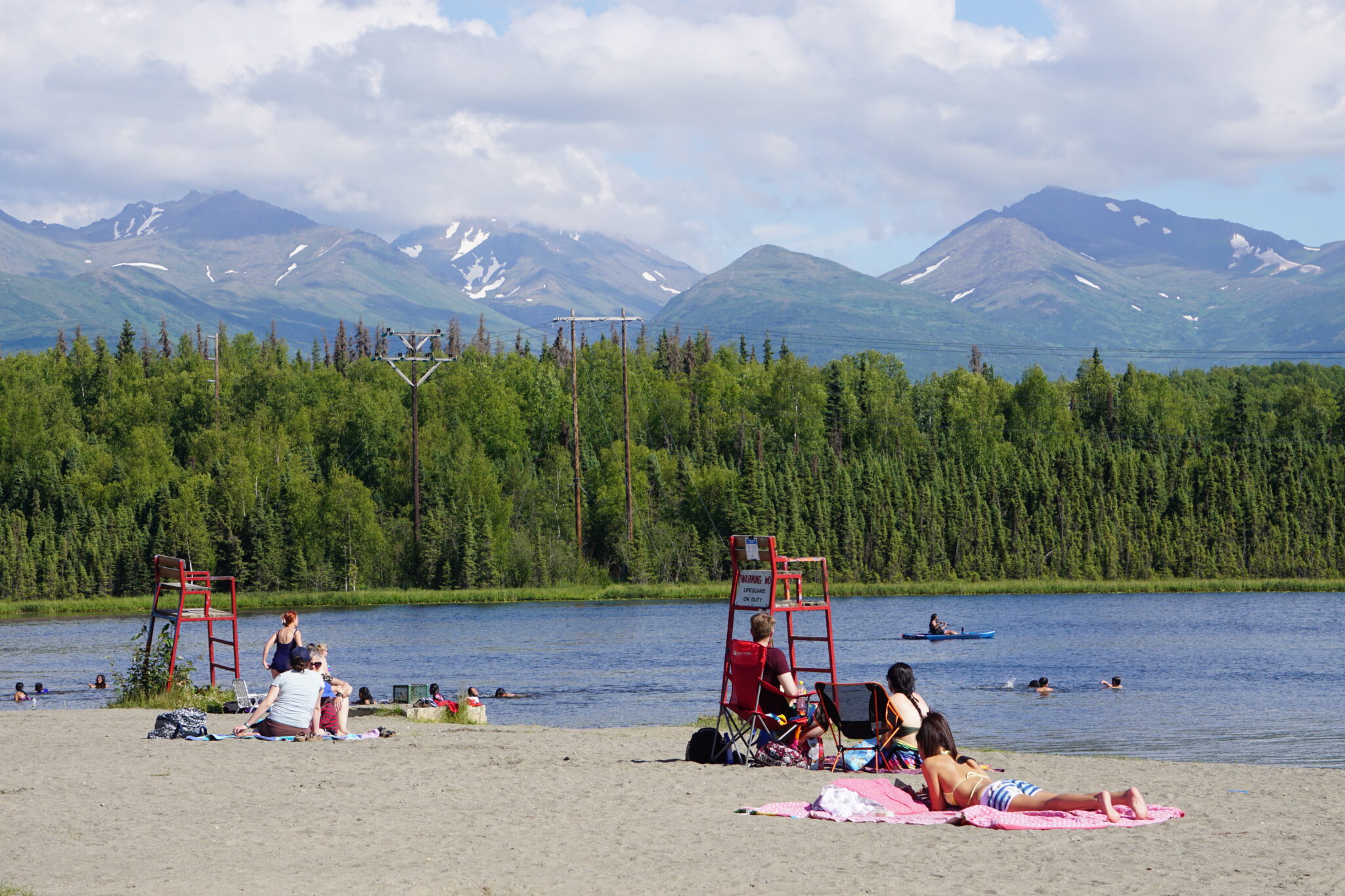
Recent years have highlighted a trend of increasingly warm summers in Alaska, with several record-breaking heatwaves affecting the state. In 2019, Anchorage shattered its all-time high temperature record, reaching 90°F (32.2°C). Such events underscore that while traditionally viewed as a cold destination, Alaska is not immune to prolonged periods of intense heat, particularly during its brief but impactful summer season. These warmer trends have implications for everything from glacier melt (visible in destinations like Glacier Bay National Park and Prince William Sound) to wildfire seasons, adding another layer of consideration for travelers planning their visits.
Beyond the Peak: Shoulder Seasons and What They Offer
While peak summer offers the warmest temperatures, Alaska’s shoulder seasons – late spring and early fall – also provide unique and often comfortable travel experiences, with temperatures that remain far from “frigid.”
Spring’s Thaw: Pleasant Warm-ups
Late April and May mark the true arrival of spring in Alaska. While snow may still linger in shaded areas or higher elevations, the landscape begins its vibrant transformation. Temperatures steadily climb, and by late May, daytime highs in Anchorage and Fairbanks frequently reach the 50s°F to low 60s°F (10-17°C). The long daylight hours return, fueling rapid plant growth and awakening wildlife. This period offers a refreshing warmth, often with fewer crowds and the opportunity to witness the “breakup” of ice on rivers, a dramatic natural event. It’s an excellent time for those who prefer cooler, crisp air while still enjoying ample sunshine.
Autumn’s Chill: Crisp Air and Stunning Colors
September ushers in autumn, a season celebrated for its breathtaking fall foliage. While temperatures begin to cool from their summer highs, early September often remains pleasantly mild, with daytime temperatures in the 50s°F (10-15°C) across much of the state. The air becomes crisp, and the landscape explodes with hues of gold, red, and orange as the tundra and deciduous trees prepare for winter. By late September and October, a definite chill sets in, with temperatures dropping into the 30s°F and 40s°F (0-9°C), particularly in the evenings, and the first snowfalls become possible in higher elevations or the interior. However, early autumn provides a comfortable travel window for those who appreciate cool, invigorating weather and spectacular scenery before the deep winter freeze.
Preparing for Alaska’s Summers: A Traveler’s Guide
Given the wide range of temperatures and weather patterns Alaska can experience, particularly during its warm season, smart preparation is paramount for any traveler.
Smart Packing: Layers are Key
The golden rule for packing for Alaska, even in summer, is to dress in layers. While daytime temperatures in Fairbanks or Anchorage might reach the 70s°F or even 80s°F, evenings can still drop into the 40s°F or 50s°F (4-15°C). Furthermore, weather patterns can change quickly, bringing rain, wind, or sudden temperature dips.
- Base Layer: Moisture-wicking material for comfort.
- Mid-Layer: Fleece or wool for insulation.
- Outer Layer: Waterproof and windproof jacket.
- Comfortable Clothing: T-shirts, shorts, or light pants for warm days.
- Headwear: A wide-brimmed hat for sun protection and a warm hat for cool evenings.
- Footwear: Waterproof hiking boots are essential, along with comfortable walking shoes.
- Accessories: Don’t forget high SPF sunscreen and insect repellent (especially for interior regions), as mosquitoes can be quite active on warm, still days.
Activities for Every Temperature
Alaska’s summer warmth opens up a world of outdoor activities. On hot, sunny days, embrace them by:
- Hiking: Explore trails in Denali National Park, the Chugach Mountains near Anchorage, or the Kenai Peninsula.
- Fishing: World-class salmon and halibut fishing is popular.
- Kayaking/Canoeing: Paddle the serene waters of lakes or calmer coastal areas.
- Wildlife Viewing: Spot bears, moose, caribou, and marine mammals.
- Glacier Viewing: Take a cruise to see massive tidewater glaciers in Prince William Sound or Glacier Bay. While it might be warm on deck, you’ll want layers near the ice.
For cooler days or evenings, or when the weather turns, consider:
- Museums & Cultural Centers: Explore Anchorage’s museums or Fairbanks’ University of Alaska Museum of the North.
- Scenic Drives: Take a drive along the Seward Highway or the road to Denali National Park, enjoying the views from the comfort of your vehicle.
- Local Breweries & Restaurants: Enjoy Alaska’s burgeoning craft beer scene and fresh seafood.
In conclusion, the question “How hot does Alaska get?” reveals a fascinating truth: far from being a perpetually frozen land, Alaska boasts summers that are not only pleasant but can also be surprisingly warm, even hot, especially in its vast interior. This reality transforms the “Last Frontier” into an incredibly inviting summer travel destination, offering travelers a chance to experience its magnificent landscapes and vibrant wildlife under a sun that often shines with unexpected intensity. By understanding its diverse climates and preparing with a versatile wardrobe, visitors can fully embrace the warmth and wonder of an Alaskan summer.
LifeOutOfTheBox is a participant in the Amazon Services LLC Associates Program, an affiliate advertising program designed to provide a means for sites to earn advertising fees by advertising and linking to Amazon.com. Amazon, the Amazon logo, AmazonSupply, and the AmazonSupply logo are trademarks of Amazon.com, Inc. or its affiliates. As an Amazon Associate we earn affiliate commissions from qualifying purchases.