
When travelers envision a tropical paradise, Hawaii is often the first destination that comes to mind. Located in the central Pacific Ocean, this archipelago is famous for its year-round pleasant weather, swaying palm trees, and golden beaches. However, for those planning a visit to the United States’ most isolated island chain, a common question arises: exactly how hot does it get? Understanding the nuances of the local climate is essential for any tourist looking to maximize their experience while staying comfortable under the sun.
Understanding the Tropical Thermal Profile of the Islands
The climate of the islands is technically categorized as tropical, but it is unique due to the surrounding vastness of the ocean. Unlike continental landmasses where temperatures can soar to extreme heights, the islands benefit from a natural cooling system. The surrounding waters maintain a relatively constant temperature, which prevents the air from becoming excessively hot or freezing cold.
The Tempering Effect of the Pacific Ocean
The primary reason the Aloha State rarely sees the triple-digit temperatures common in places like Arizona or Florida is the stabilizing influence of the sea. Throughout the year, the surface water temperature ranges from about 74°F in the winter to 80°F in the late summer. This massive body of water acts as a thermal buffer. Consequently, the daytime highs in coastal areas usually hover between 80°F and 88°F. It is quite rare for the mercury to rise above 90°F at sea level, though it does happen during specific weather patterns when the trade winds fail.
Humidity and the Heat Index
While the raw temperature might seem manageable, visitors must account for the humidity. As a tropical destination, moisture levels are consistently high. When the humidity rises, the “real feel” or heat index can make an 85-degree day feel like 95 degrees. This is particularly noticeable in urban centers like Honolulu, where asphalt and high-rise buildings trap heat. Understanding the relationship between temperature and humidity is a vital tip for tourists planning strenuous activities such as hiking the steep trails of Diamond Head.
Seasonal Expectations: From Summer Sun to Winter Warmth
In many parts of the world, four distinct seasons dictate the wardrobe. In the islands, there are essentially only two seasons: summer (known locally as Kau) and winter (Hoolo). The transition between them is subtle, but for a tourist, the differences can impact daily plans and activity levels.
The Two Seasons of Hawaii
The summer season typically runs from May to October. During this period, the sun is more direct, and the days are longer. This is when you will experience the peak heat of the islands. Average daytime highs in Waikiki during August and September often hit the high 80s. The winter season, from November to April, is slightly cooler and traditionally wetter. Daytime highs during the winter still reach a very comfortable 78°F to 82°F, making it a premier destination for those looking to escape the mainland’s frost.
Peak Temperature Months in the Tourism Calendar
August and September are historically the hottest months. During this time, the trade winds—the reliable breezes that blow from the northeast—can sometimes falter. When these winds die down, the air can become still and heavy, a condition often referred to as “sticky” weather. Tourists visiting during these months should prioritize accommodations with reliable air conditioning and plan for indoor activities, such as visiting the Bishop Museum, during the midday peak.
Regional Microclimates and Local Variation
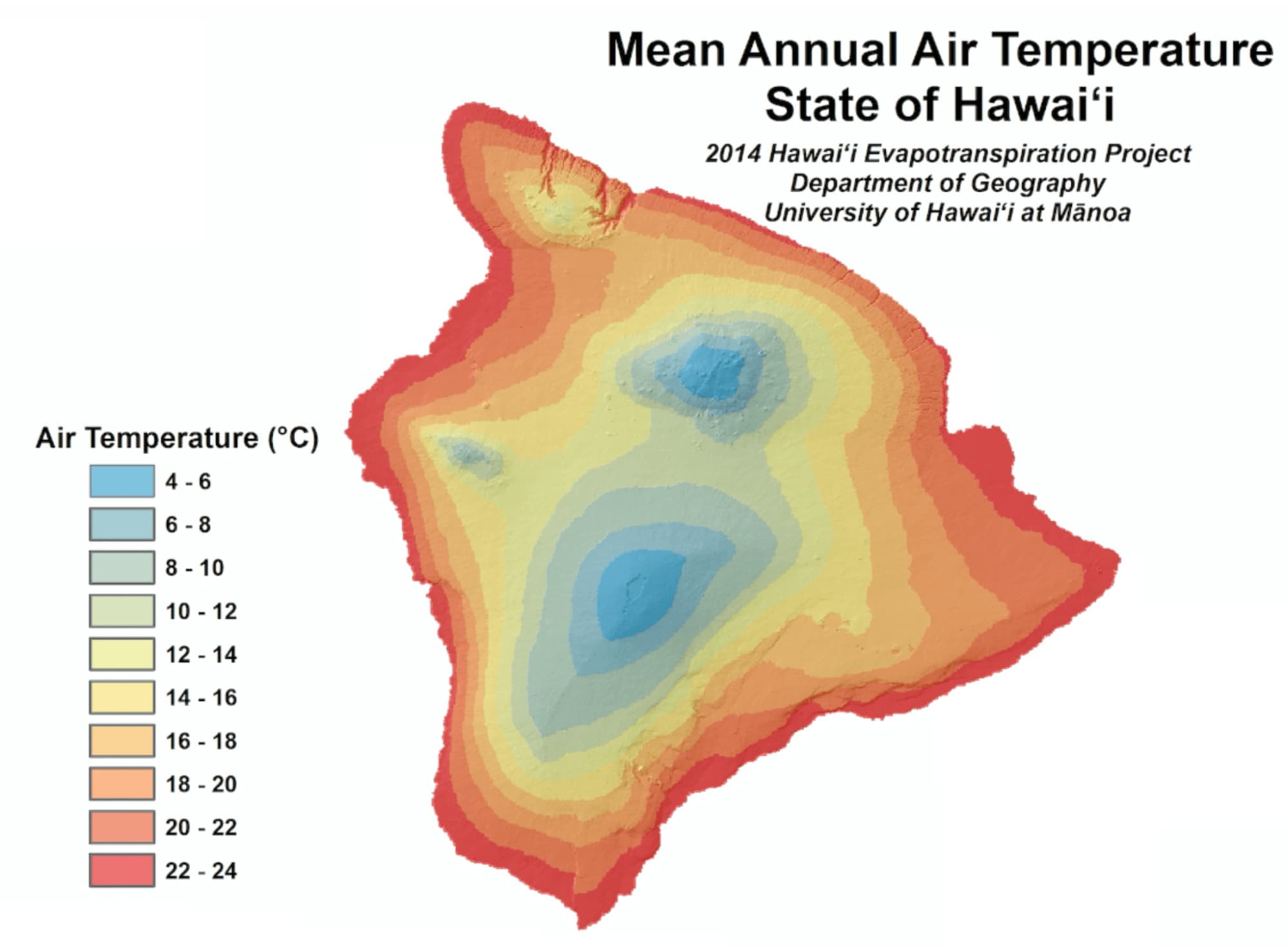
One of the most fascinating aspects of Hawaiian geography is the existence of numerous microclimates. Depending on which side of an island you are on, or your elevation, the “heat” can feel vastly different. This diversity is why you can find a sun-scorched desert and a misty rainforest within a few miles of each other on Oahu or Maui.
Leeward vs. Windward: The Dry and Wet Divide

Each island has a “windward” side (northeast) and a “leeward” side (southwest). The windward sides, such as Hilo on the Big Island or Hanalei on Kauai, receive more rain and have more cloud cover. This often keeps the temperatures slightly lower and the landscape lush and green.
Conversely, the leeward sides, such as the Kona coast or the Wailea resort area, are shielded by mountains. These areas are much sunnier, drier, and consequently feel hotter. Tourists looking for guaranteed beach weather usually head to the leeward sides, but they must be prepared for the intense, direct sun that characterizes these regions.
High Altitude Exceptions: Snow in the Tropics
For those who find the tropical heat too much, relief is found by going up. Elevation changes the temperature profile dramatically. For every 1,000 feet of gain in altitude, the temperature drops by approximately 3.5 degrees. On the summit of Mauna Kea or Mauna Loa, temperatures can plummet below freezing, and snow is a regular occurrence in the winter. Even a trip to the Haleakala crater on Maui for sunrise requires heavy jackets, as temperatures there can be 30 degrees cooler than the beaches of Lahaina.
Essential Tourism Tips for Beating the Heat
To enjoy the local culture and attractions without succumbing to heat exhaustion, tourists should adopt a few local habits. The heat in the islands is deceptive; because of the pleasant breezes, you might not realize how much the sun is affecting you until it is too late.
Strategic Scheduling for Landmarks and Hikes
When visiting popular landmarks like Pearl Harbor or the Polynesian Cultural Center, it is wise to arrive as early as possible. Most outdoor activities are best enjoyed before 11:00 AM or after 4:00 PM. If you are planning to explore the North Shore of Oahu, remember that the sun is strongest at midday. Scheduling a long lunch or a museum visit during these hours is a professional tip that seasoned travelers always follow.
Hydration and Attire for the Aloha Spirit
Staying hydrated is the most critical factor in managing the heat. The local tap water is excellent and safe to drink, so carrying a reusable bottle is highly recommended. In terms of attire, the “Aloha shirt” is not just a fashion statement; its loose fit and breathable fabric are designed specifically for the climate. Opt for linen or light cotton fabrics. Additionally, wearing a wide-brimmed hat is essential when walking through sun-exposed areas like the Hana Highway stops or the volcanic fields of Hawaii Volcanoes National Park.
How the Heat Shapes the Hawaiian Experience
The climate does more than just dictate the temperature; it shapes the very lifestyle and tourism offerings of the islands. The heat has influenced everything from the local architecture to the culinary delights that visitors seek out.
Culinary Adjustments: Shave Ice and Fresh Tropical Fruits
One of the most iconic ways to beat the heat is by indulging in Hawaiian shave ice. Unlike a snow cone, shave ice is fine and fluffy, allowing syrups made from local fruits like guava, lilikoi, and pineapple to soak through. Visiting a famous spot like Matsumoto Shave Ice is a rite of passage for many tourists. Furthermore, the heat allows for the growth of incredible produce. Sampling fresh papaya or mango at a local farmers market in Kapaa or Kahului provides a refreshing and hydrating snack that perfectly complements a hot afternoon.
Water-Based Activities as Natural Coolants
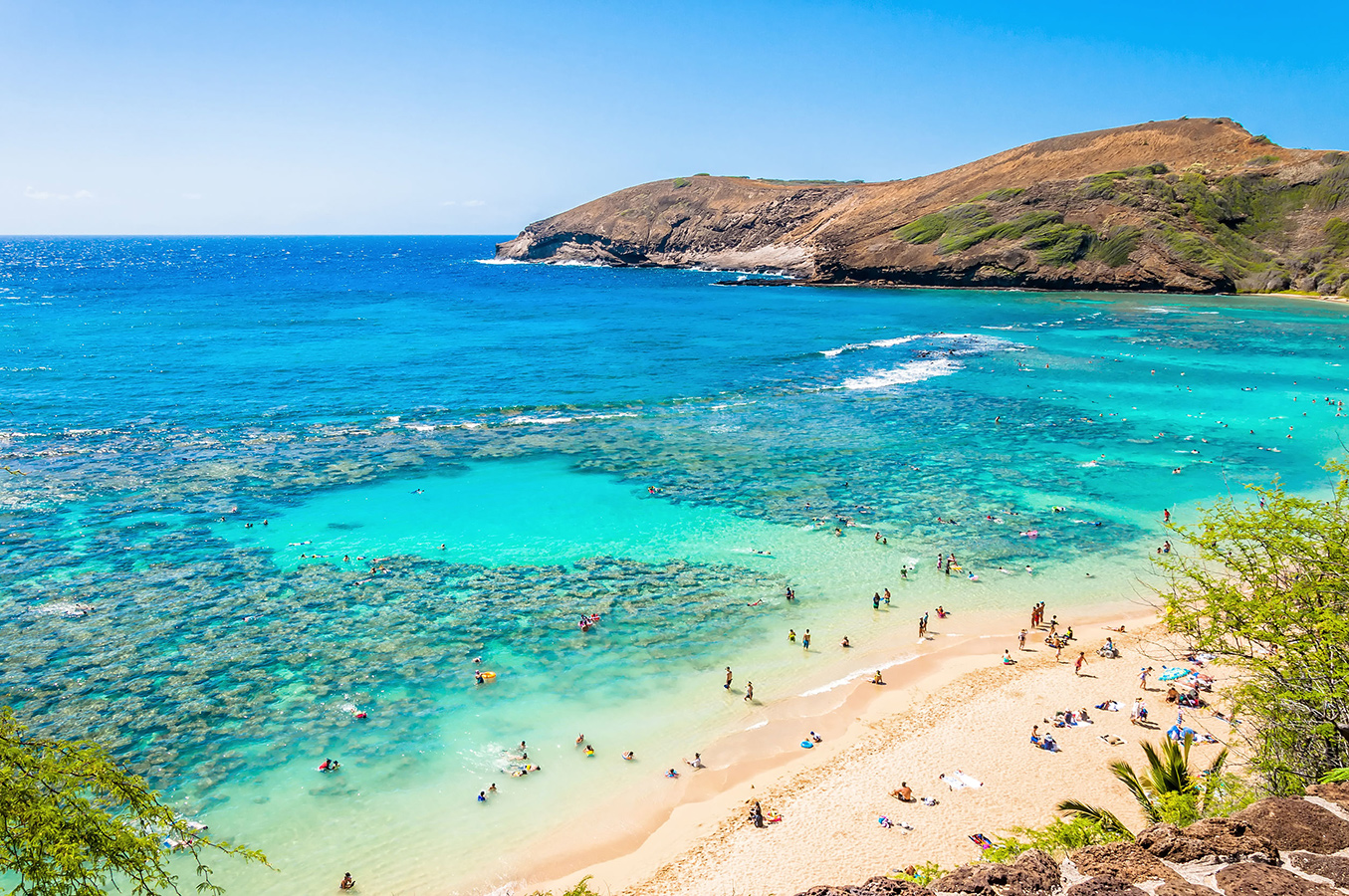
The heat naturally drives tourism toward the water. Activities such as snorkeling at Hanauma Bay or taking a boat tour along the Napali Coast are popular not just for the views, but for the cooling effect of the ocean spray. For those on Lanai or Molokai, the pristine waters offer a sanctuary from the midday sun. Even the surf culture, centered around spots like Banzai Pipeline, is a testament to the local’s relationship with the water as a means of balancing the tropical warmth.
Ultimately, while the islands can get quite warm, the heat is rarely oppressive if you are prepared. The combination of trade winds, ocean proximity, and diverse microclimates ensures that there is always a way to find a comfortable breeze. By understanding the seasonal peaks and regional variations, tourists can enjoy everything from the volcanic wonders of Kilauea to the lush valleys of Waimea Canyon in perfect comfort. The warmth of the islands is not just in the air, but in the spirit of the people, making any degree of heat well worth the journey.
LifeOutOfTheBox is a participant in the Amazon Services LLC Associates Program, an affiliate advertising program designed to provide a means for sites to earn advertising fees by advertising and linking to Amazon.com. Amazon, the Amazon logo, AmazonSupply, and the AmazonSupply logo are trademarks of Amazon.com, Inc. or its affiliates. As an Amazon Associate we earn affiliate commissions from qualifying purchases.