
Florida, the Sunshine State, beckons millions of visitors annually with its pristine beaches, world-class theme parks, and vibrant cultural scenes. However, its allure often comes with a significant climatic caveat: heat. Understanding just how hot Florida gets, and crucially, how to navigate its temperatures, is essential for any traveler planning a memorable and comfortable trip. Far from being a uniform sauna, Florida’s heat varies by season, region, and, perhaps most importantly, by the often-underestimated factor of humidity.
Understanding Florida’s Climate: Beyond the Thermometer
When travelers ask “how hot does it get?”, they often focus solely on the numerical temperature reading. In Florida, this metric alone doesn’t tell the full story. The state’s subtropical to tropical climate is defined by both high temperatures and significant humidity, creating a “feels like” temperature that can be considerably higher than what the mercury indicates.
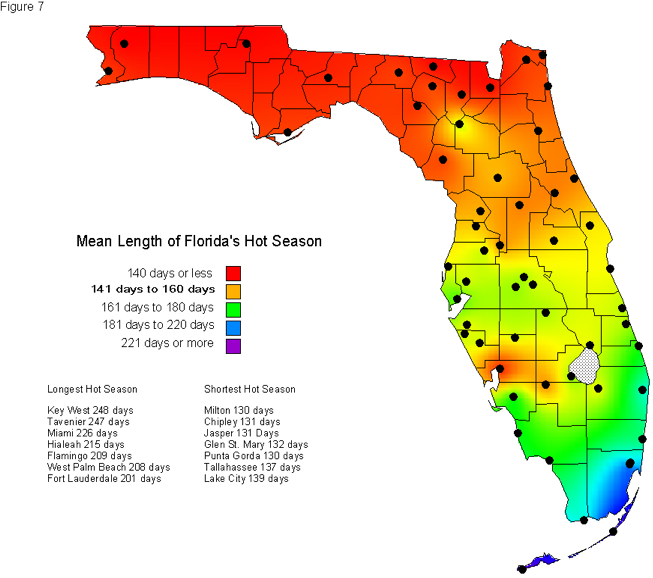
Seasonal Temperature Overview
Florida essentially experiences two primary seasons: a hot, wet season and a warm, dry season.
- Summer (June – September): This is Florida’s hottest and wettest period. Daytime temperatures routinely soar into the high 80s and low 90s Fahrenheit (31-34°C). Coastal areas might feel a slight reprieve from sea breezes, but inland cities like Orlando can feel particularly oppressive. Coupled with humidity levels often exceeding 80-90%, the heat index frequently pushes into the triple digits (38°C+). Afternoon thunderstorms are a daily occurrence, offering temporary relief before the sun returns.
- Fall (October – November): A transitional period where temperatures gradually begin to cool. Early fall can still feel very much like summer, especially in southern Florida. By November, average highs range from the mid-70s to low 80s Fahrenheit (24-29°C), and humidity starts to drop, making outdoor activities much more pleasant. This period also sees a decrease in rainfall.
- Winter (December – February): Often considered the peak travel season due to its comfortable weather. Daytime highs typically range from the low 60s to mid-70s Fahrenheit (16-24°C) across most of the state, with southern regions like Miami and the Florida Keys enjoying even warmer conditions. Nights can be cool, especially in northern Florida, occasionally dipping into the 40s (4-9°C). Humidity is at its lowest, creating a wonderfully crisp feel.
- Spring (March – May): A delightful season offering a gradual warm-up. March still feels very much like winter in terms of comfort, with average highs in the mid-70s Fahrenheit (24°C). By May, temperatures are climbing into the mid-80s (29-31°C), and humidity begins its slow ascent, hinting at the approaching summer. Rainfall remains relatively low compared to the summer months.
Humidity: The Unsung Player
It’s impossible to discuss Florida’s heat without a dedicated focus on humidity. The air often feels thick and heavy, significantly impacting how your body perceives temperature. High humidity prevents sweat from evaporating efficiently, which is your body’s natural cooling mechanism. This is why a 90°F (32°C) day in Florida can feel far more grueling than a 90°F day in a dry desert climate. Understanding this phenomenon is key to preparing for a visit, especially during the summer months.
Best Times to Visit for Optimal Comfort
Choosing the right time to visit Florida largely depends on your tolerance for heat and humidity, and the types of activities you prioritize.
Winter Escapes (December – February)
For those seeking an escape from colder climates without enduring scorching heat, Florida’s winter is unparalleled. The weather is generally sunny, mild, and low in humidity, making it ideal for outdoor pursuits. This is the perfect time for exploring Everglades National Park, strolling along the beaches of South Beach, enjoying a round of golf, or experiencing theme parks like Walt Disney World Resort and Universal Orlando Resort with less risk of heat exhaustion. However, this is also peak season, meaning higher prices and larger crowds, especially around holidays.
Spring’s Sweet Spot (March – May)
Spring offers a beautiful balance, particularly in March and April. The heat is present but manageable, especially for those accustomed to warmer weather. Humidity levels are still relatively low, making for pleasant days. Theme parks are enjoyable, and beach days are perfect before the intense summer sun. May starts to edge towards summer conditions, making it a good choice for those who enjoy significant warmth but want to avoid the peak humidity and daily downpours of mid-summer. Expect moderate crowds, particularly during spring break periods.
Summer’s Intense Embrace (June – August)
Summer in Florida is undeniably hot and humid. Temperatures are consistently high, and the chance of afternoon thunderstorms is near certainty. While it can be challenging, it doesn’t deter millions of visitors, especially families, from enjoying the state. This is often when theme park prices might be lower (outside of specific events), and water-based activities like swimming, snorkeling in the Florida Keys, or visiting water parks become paramount. If you choose to visit during summer, strategic planning and an appreciation for air conditioning are vital.
Autumn’s Gentle Transition (September – November)
Early fall can still carry summer’s heat and humidity, especially in September. However, by October and November, Florida begins to shed its summer intensity. The air feels crisper, and the oppressive humidity lessens significantly. This period is a fantastic alternative to the winter months for comfortable weather, often with fewer crowds and potentially better deals on accommodation and flights. The Atlantic hurricane season officially runs until November 30th, so travelers should monitor weather forecasts if visiting during this time, though the peak risk typically subsides by late October.
Navigating the Heat: Essential Travel Tips
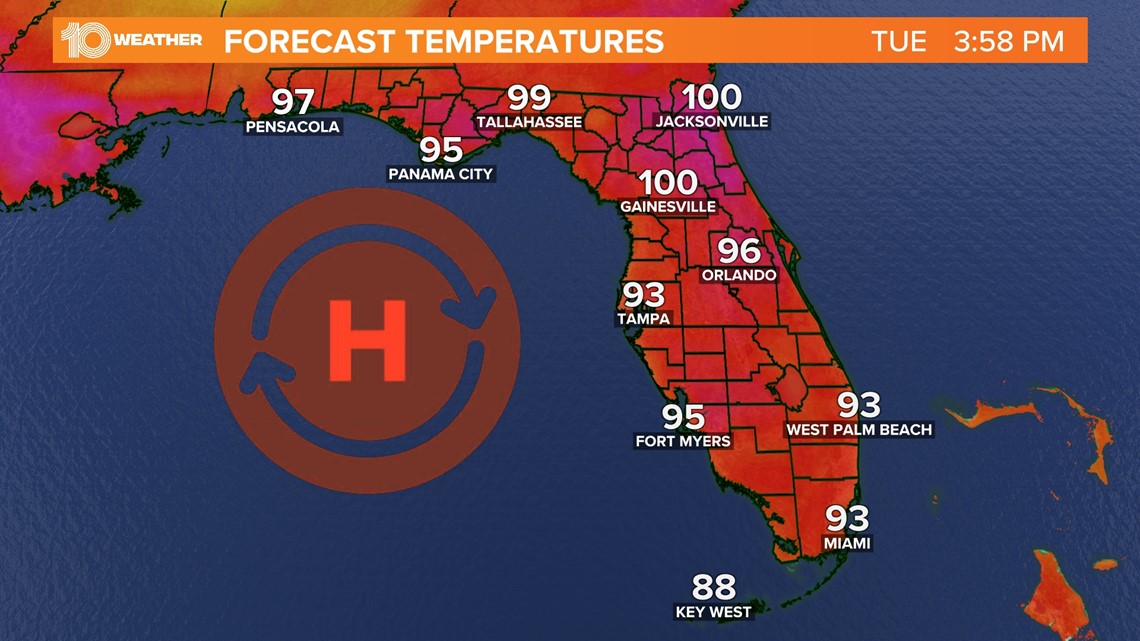
Regardless of when you visit, understanding how to manage Florida’s heat is crucial for a comfortable and safe trip.
Hydration is Key
This cannot be stressed enough. The combination of heat and humidity leads to rapid dehydration. Drink water constantly, even if you don’t feel thirsty. Carry a reusable water bottle and refill it frequently at water fountains or hydration stations, especially in theme parks or during outdoor excursions. Avoid excessive alcohol and sugary drinks, which can contribute to dehydration. Consider electrolyte-enhanced beverages, particularly if you’re engaging in strenuous activities.
Dressing for Success
Lightweight, loose-fitting clothing made from breathable fabrics like cotton or moisture-wicking synthetics is your best friend. Light colors will reflect sunlight, helping you stay cooler. A wide-brimmed hat and sunglasses are essential for protecting your face and eyes from the intense sun. Don’t forget high-SPF sunscreen, and reapply it often, especially after swimming or sweating.
Strategic Planning for Activities
If visiting during the hotter months, adjust your daily schedule. Plan outdoor activities, such as beach visits or theme park queues, for the early morning or late afternoon/evening. Utilize the midday hours for indoor attractions, long air-conditioned lunches, or a relaxing dip in the hotel pool. Many theme parks, like those in Orlando, offer early entry or extended evening hours for resort guests, which can be a strategic way to experience attractions during cooler parts of the day.
Utilizing Indoor Attractions
Florida offers a wealth of air-conditioned indoor activities perfect for escaping the heat. From the immersive rides and shows at Walt Disney World Resort and Universal Orlando Resort to the vibrant museums of Miami and St. Petersburg, there are countless ways to stay cool. Consider visiting shopping malls like Aventura Mall or exploring aquariums and art galleries. This strategy allows you to experience the best of Florida without constantly battling the elements.
Iconic Florida Destinations and Their Heat
The experience of Florida’s heat can also vary depending on your chosen destination.
Orlando’s Theme Parks
Orlando is an inland city, which means it experiences some of the state’s most intense summer heat and humidity without the benefit of a sea breeze. Navigating Magic Kingdom or Islands of Adventure in August requires diligent hydration, frequent breaks in air-conditioned shops or shows, and often, an afternoon return to your hotel pool. Water parks like Typhoon Lagoon and Volcano Bay become prime attractions during this time. During winter and spring, Orlando offers near-perfect weather for park exploration, with comfortable temperatures and lower humidity.
Miami’s Beaches and Nightlife
Miami, with its coastal location, benefits from ocean breezes that can make the high summer temperatures feel slightly more bearable than inland areas. However, humidity remains a constant, and the sun is incredibly strong. Beach days are best enjoyed early or late, with plenty of shade. The city’s vibrant indoor attractions, such as the Pérez Art Museum Miami and the plethora of air-conditioned restaurants and clubs, are popular escapes. Winter in Miami is idyllic, offering warm, sunny days perfect for beach relaxation, outdoor dining, and exploring neighborhoods like Little Havana.
The Florida Keys’ Coastal Charm
Further south, the Florida Keys boast a truly tropical climate, meaning temperatures are consistently warm year-round. Key West, for instance, rarely sees temperatures dip below 60°F (16°C), even in winter. Summer heat here is intense, but the constant ocean breezes provide some relief, making water activities like snorkeling, diving, and fishing paramount. The casual, laid-back atmosphere of the Keys also encourages a slower pace, making it easier to adapt to the climate. Winters are simply delightful, offering warmth without the extreme humidity, perfect for exploring the reefs or enjoying a sunset at Mallory Square.
The Everglades’ Unique Ecosystem
Visiting Everglades National Park during the summer can be challenging due to the oppressive heat, humidity, and abundant mosquitoes. The best time to experience this natural wonder is during the dry season (December-April), when temperatures are cooler, humidity is lower, and wildlife is more active and visible. Airboat tours and hiking trails are much more enjoyable during these months, allowing visitors to fully appreciate the park’s unique biodiversity without the discomfort of extreme heat.
In conclusion, Florida can get very hot, especially during its extended summer months, with high temperatures exacerbated by significant humidity. However, with careful planning, awareness of seasonal variations, and adherence to essential heat-management strategies, travelers can enjoy all that the Sunshine State has to offer, turning a potential climatic challenge into an integral part of an unforgettable travel experience.
LifeOutOfTheBox is a participant in the Amazon Services LLC Associates Program, an affiliate advertising program designed to provide a means for sites to earn advertising fees by advertising and linking to Amazon.com. Amazon, the Amazon logo, AmazonSupply, and the AmazonSupply logo are trademarks of Amazon.com, Inc. or its affiliates. As an Amazon Associate we earn affiliate commissions from qualifying purchases.