
Texas, the second-largest state in the U.S., is a land of vast plains, rugged deserts, rolling hills, and a long coastline. Its sheer size means that understanding its climate, particularly its temperatures, is crucial for anyone planning a visit. The question “How hot does it get in Texas?” is not a simple one, as the answer varies significantly depending on the season and the specific region you intend to explore. For travelers, deciphering Texas’s thermal landscape is key to packing appropriately, planning activities, and ensuring an enjoyable and comfortable experience.
This guide delves into the Lone Star State’s diverse temperature patterns, offering insights into what travelers can expect throughout the year and across its distinct geographical zones. From the humid heat of the Gulf Coast to the arid warmth of West Texas, we’ll explore the nuances of Texas’s climate and provide essential tips for navigating its sometimes intense temperatures.

Understanding Texas’s Diverse Climate
Texas’s climate is as varied as its landscapes, influenced by its immense landmass, proximity to the Gulf of Mexico, and elevation changes. While many associate Texas with scorching summers, the reality is more complex, offering a spectrum of experiences for the discerning traveler.
The General Warmth of the Lone Star State
Broadly speaking, Texas is known for its warm to hot climate, especially during the long summer months. High temperatures are a defining characteristic, with the state experiencing ample sunshine year-round. While average annual temperatures are higher than the national average, the perception of [Texas](https://is it a state?) as perpetually sweltering is a simplification. The state does have distinct seasons, though winter is generally milder and shorter compared to northern states. The heat, particularly in summer, is often compounded by humidity, especially in the eastern and coastal regions, making the “feels like” temperature even higher than the actual thermometer reading.
Regional Climates: A State of Extremes
To truly understand Texas’s heat, one must consider its five distinct climatological regions, each with its own characteristics:
- North Texas (e.g., Dallas-Fort Worth): Characterized by hot, humid summers and mild winters. Daily highs in summer often exceed 90°F (32°C), frequently reaching 100°F (38°C) or more.
- Central Texas (e.g., Austin, San Antonio, Texas Hill Country): Experiences a mix, with hot summers that can be humid, especially closer to the coast, but drier conditions further west into the Hill Country. Summer temperatures are consistently in the 90s°F (32-37°C), with many days over 100°F (38°C).
- East Texas (e.g., Houston): Defined by a subtropical climate, featuring very hot, oppressive, and humid summers, influenced heavily by the Gulf of Mexico. Summer highs typically range from the low to mid-90s°F (32-35°C), but the high humidity makes it feel much hotter.
- South Texas (e.g., Corpus Christi, South Padre Island): Also subtropical, but generally warmer year-round with mild winters and extremely hot, humid summers. Temperatures in summer can easily stay in the low to mid-90s°F (32-35°C), but tropical breezes can offer some relief on the coast.
- West Texas (e.g., El Paso, Big Bend National Park): Characterized by an arid to semi-arid desert climate. Summers are intensely hot but with very low humidity, leading to dramatic temperature drops at night. Daytime highs routinely surpass 100°F (38°C), sometimes even reaching 110°F (43°C), but the dry air makes it feel different than the humid heat of the east.
Navigating the Seasons: When to Visit for Optimal Comfort
For travelers, understanding the seasonal temperature shifts is paramount to planning an enjoyable Texas adventure. Each season presents unique opportunities and challenges.
Scorching Summers: Adapting to the Peak Heat
From June through September, Texas experiences its peak heat. Average daytime highs across most of the state range from 90°F (32°C) to 100°F (38°C), with numerous days exceeding this threshold, particularly in July and August. The heat index, which accounts for humidity, can push the “feels like” temperature well into the 100s°F (38°C+). While challenging, summer travel is popular, especially for water-based activities along the Gulf Coast or in spring-fed rivers like the Comal or Guadalupe Rivers in the Hill Country. Travelers must be prepared for intense sun and heat if visiting during this period.
Mild Springs and Autumns: The Shoulder Seasons
The spring (March to May) and autumn (October to November) shoulder seasons are arguably the best times to visit Texas for comfortable temperatures.
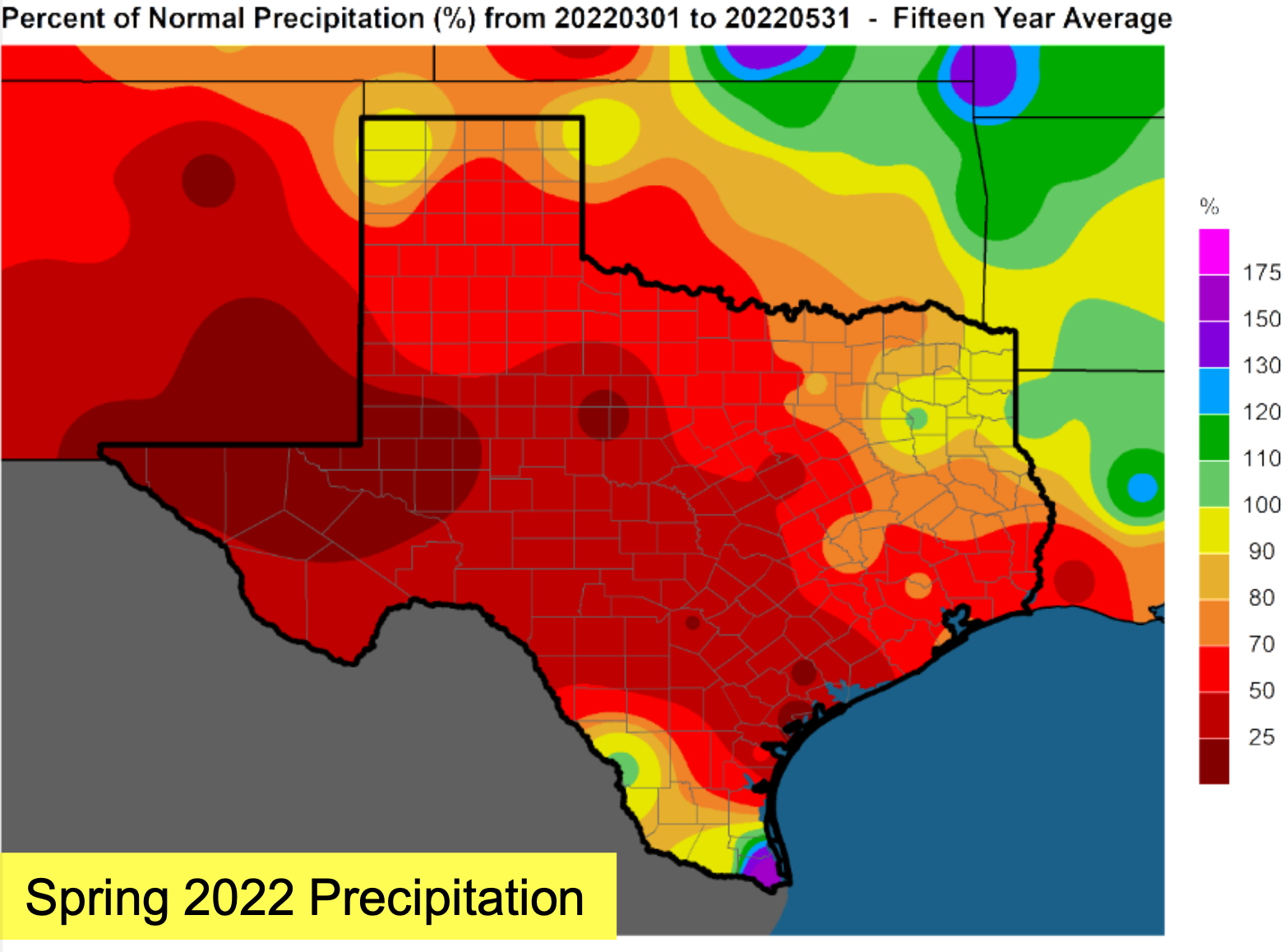
- Spring: Offers delightful weather, with daytime highs typically in the 70s°F (21-26°C) and occasional warmer days. This is when the state’s wildflowers, including the iconic bluebonnets, are in full bloom, making it ideal for scenic drives and outdoor exploration. However, spring can also bring severe weather, including thunderstorms and tornadoes, so monitoring forecasts is wise.
- Autumn: Features a gradual cooling trend, with comfortable temperatures returning after the summer swelter. October and November often see pleasant days in the 70s°F (21-26°C), perfect for hiking, exploring city centers like San Antonio’s River Walk, or enjoying festivals. The humidity also tends to decrease, especially later in the season.
Short, Cooler Winters: A Brief Reprieve
Texas winters (December to February) are generally mild, especially in the southern regions. Average daytime highs across the state typically hover in the 50s and 60s°F (10-18°C), with occasional cold fronts bringing temperatures below freezing. Snowfall is rare outside of the Texas Panhandle or higher elevations of West Texas. For travelers seeking to escape harsher northern winters, South Texas destinations like South Padre Island or Corpus Christi offer pleasant conditions for winter sun.
Regional Hot Spots and Their Unique Challenges
While Texas gets hot everywhere, certain regions present specific challenges and experiences due to their unique geographical features.
Houston and the Gulf Coast: Humidity’s Embrace
Cities like Houston, Galveston, and Corpus Christi along the Gulf Coast are defined by high humidity levels, especially during summer. While actual air temperatures might be in the low 90s°F (32-35°C), the moisture in the air can make it feel much hotter and more oppressive. This tropical feel means that even shaded areas can feel warm. Air conditioning is a necessity, and planning indoor activities or enjoying the coastal breezes and water sports are popular strategies.
Dallas-Fort Worth: Inland Heat and Urban Sprawl
The Dallas-Fort Worth metroplex experiences a more continental climate compared to the coast, meaning summer heat is intense and persistent, often reaching 100°F (38°C) or higher. While humidity is still a factor, it’s generally less extreme than on the coast. The urban heat island effect can also make city centers feel hotter. Travelers here often seek refuge in air-conditioned museums, shopping centers, or entertainment venues.
San Antonio and the Texas Hill Country: A Blend of Dry and Humid
San Antonio and the broader Texas Hill Country lie in a transitional zone. Summers are very hot, with frequent days over 95°F (35°C) and many exceeding 100°F (38°C). The humidity can be significant, especially early in the summer or after rainfall, but areas further west into the Hill Country may offer slightly drier conditions. The numerous rivers, lakes, and natural swimming holes in the Hill Country provide excellent ways to cool off.
West Texas Deserts: Dry Heat and Dramatic Swings
West Texas, home to El Paso, Big Bend National Park, and Guadalupe Mountains National Park, experiences the most extreme heat in the state. Daytime temperatures can soar well past 100°F (38°C) in summer, with 110°F (43°C) not uncommon. However, the desert’s low humidity means this heat feels different – a dry, intense warmth. A crucial characteristic is the dramatic temperature drop after sunset, often cooling by 30-40 degrees Fahrenheit. This stark contrast allows for more comfortable evenings, but daytime outdoor activities require careful planning and significant hydration.
Preparing for the Texas Heat: Travel Tips and Strategies
Regardless of where or when you visit, being prepared for warm temperatures is essential for a comfortable Texas travel experience.
Packing Essentials for Warm Weather Travel
Lightweight, breathable clothing made from cotton or moisture-wicking synthetic fabrics is a must. Pack light colors to reflect sunlight. A wide-brimmed hat, sunglasses, and comfortable open-toed shoes or sandals are highly recommended. Consider packing a light jacket or sweater even in summer for air-conditioned indoor spaces or cooler desert evenings.
Hydration and Sun Protection: Non-Negotiables
Staying hydrated is critical. Carry a reusable water bottle and refill it frequently. Drink water even if you don’t feel thirsty, especially during outdoor activities. Sunscreen with a high SPF is indispensable, as the Texas sun is potent. Reapply it regularly, particularly after swimming or sweating.
Planning Activities: Embracing Indoor and Water-Based Fun
During peak summer months, consider scheduling outdoor activities for early mornings or late afternoons. Utilize the midday heat for exploring indoor attractions like museums, art galleries, or aquariums. Texas offers numerous opportunities for water-based fun, from swimming in natural springs to tubing down rivers, visiting water parks, or enjoying beaches along the Gulf Coast.
Choosing the Right Time and Pace
If extreme heat is a concern, plan your visit for the spring or autumn shoulder seasons. If summer is your only option, be mindful of your pace. Avoid strenuous activities during the hottest parts of the day, listen to your body, and take frequent breaks in the shade or air conditioning.
The Appeal of Texas Travel, Even in the Heat
While Texas can indeed get intensely hot, especially in summer, this characteristic is part of its unique identity. Travelers who prepare adequately and embrace the strategies for managing the heat will find that the state’s warmth doesn’t detract from its immense appeal.
Embracing the Texan Spirit
The heat often fosters a slower pace of life, encouraging long, leisurely meals in air-conditioned restaurants, refreshing dips in swimming holes, and vibrant evening activities when temperatures cool. It’s an integral part of the Texan experience, shaping its culture, architecture, and even its cuisine.

Unforgettable Experiences Await
From the bustling streets of Houston and Dallas to the historic charm of San Antonio, the live music scene in Austin, and the raw beauty of Big Bend National Park, Texas offers a wealth of diverse attractions. With proper planning and an understanding of its climate, your journey through this magnificent state can be an unforgettable adventure, no matter how hot it gets. The warmth is simply another layer of the rich tapestry that makes Texas such a captivating destination.
LifeOutOfTheBox is a participant in the Amazon Services LLC Associates Program, an affiliate advertising program designed to provide a means for sites to earn advertising fees by advertising and linking to Amazon.com. Amazon, the Amazon logo, AmazonSupply, and the AmazonSupply logo are trademarks of Amazon.com, Inc. or its affiliates. As an Amazon Associate we earn affiliate commissions from qualifying purchases.