
California, a state synonymous with sunshine and golden beaches, often evokes images of endless summer. Yet, to truly understand “how hot” California is, one must delve into its remarkably diverse geography and microclimates. From scorching desert valleys to chilly coastal fog, the Golden State offers a spectrum of temperatures that can profoundly influence travel plans, experiences, and the very essence of a trip. For the discerning traveler, comprehending these climatic nuances is key to unlocking California’s full potential, ensuring comfort and maximizing enjoyment regardless of the chosen destination or season.
California’s Climatic Tapestry: More Than Just “Hot”
The perception of California as uniformly hot is a pervasive myth. In reality, the state is a mosaic of distinct climatic zones, each with its own temperature profile, dictated by factors like proximity to the Pacific Ocean, elevation, and geographical features. Understanding these zones is the first step in planning any California adventure.

The Coastal Influence: Cool Breezes and Mild Temperatures
Along California’s extensive coastline, from San Diego in the south to the redwood forests of the north, temperatures are generally moderate and agreeable year-round. The Pacific Ocean acts as a natural air conditioner, keeping summers mild and winters cool but rarely freezing. Cities like San Francisco, Monterey, and Santa Barbara rarely experience extreme heat, with average summer highs often hovering in the pleasant 60s and 70s Fahrenheit (15-25°C). Even Los Angeles, while known for its sunny disposition, often benefits from coastal breezes, especially in beach communities like Santa Monica and Malibu. However, inland areas of Los Angeles can experience significantly hotter conditions as the marine layer dissipates.
The Scorching Deserts: Extreme Heat and Stark Beauty
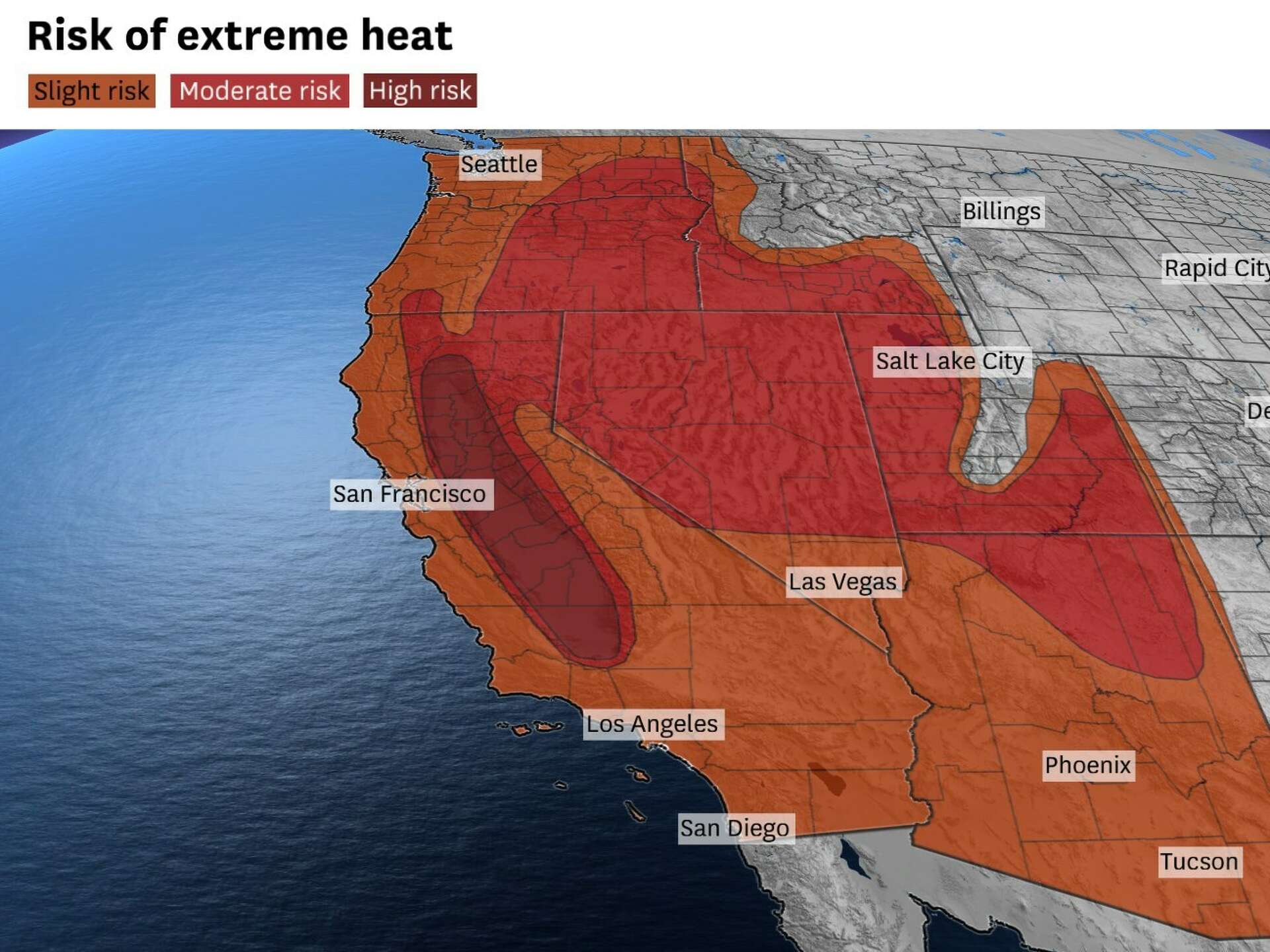
Venturing eastward, beyond the coastal mountain ranges, California transforms into vast desert landscapes characterized by intense heat. The Mojave Desert, the Colorado Desert, and the Great Basin Desert regions, including iconic destinations like Death Valley National Park and Joshua Tree National Park, consistently record some of the highest temperatures on Earth. Summer daytime highs here regularly exceed 100°F (38°C), often reaching well over 120°F (49°C) in Death Valley. Nights offer some respite, but even then, temperatures can remain stiflingly warm. This extreme heat dictates that travel to these areas is best undertaken in the cooler months, typically from late fall to early spring.
Central Valley and Wine Country: Hotter Summers, Cooler Winters
The expansive Central Valley, a agricultural heartland stretching hundreds of miles, and the renowned Napa Valley and Sonoma Valley wine regions, experience a Mediterranean climate characterized by hot, dry summers and mild, wet winters. Cities like Sacramento, Fresno, and Bakersfield frequently see summer temperatures in the 90s°F (30s°C), often climbing above 100°F (38°C) during heatwaves. This heat is an essential component for ripening grapes in the wine regions, but it also means travelers visiting in July and August should be prepared for intense sun.
The Mountains: Alpine Extremes
California’s majestic mountain ranges, including the Sierra Nevada and Cascade Range, present another facet of the state’s climate. Destinations like Lake Tahoe and Yosemite National Park experience warm, sunny summers with pleasant daytime temperatures typically in the 70s and 80s°F (20s°C), perfect for hiking and outdoor activities. However, evenings can be cool, especially at higher elevations. Winters bring significant snowfall and freezing temperatures, transforming these regions into popular ski destinations. Even in summer, elevation is a key factor; hiking at higher altitudes within Yosemite or the Eastern Sierra will always be cooler than the valley floors.
Navigating the Seasons: When to Visit Each Region
Choosing the right time to visit California depends entirely on your desired experience and preferred temperature range. Each season offers unique advantages and challenges related to heat.
Spring (March-May): The Golden Mean
Spring is arguably the ideal time to visit many parts of California. The deserts, such as Anza-Borrego Desert State Park, are typically warm and comfortable, with the added bonus of wildflowers. Coastal cities enjoy pleasant, mild weather before the summer crowds arrive. The Central Valley and wine regions are warm but not yet oppressively hot, perfect for vineyard tours. Mountain areas begin to thaw, offering access to lower elevation trails, though higher passes may still be snow-bound. This season provides a sweet spot, balancing comfortable temperatures across most regions with fewer tourists.
Summer (June-August): Coastal Escapes and Mountain Retreats
Summer is peak travel season, and for good reason, if you stick to the right areas. The coast, from San Francisco down to San Diego, remains relatively cool, making it perfect for beach activities, surfing, and scenic drives along the Pacific Coast Highway. Inland from Los Angeles and Orange County, temperatures rise significantly. The mountains, including Yosemite National Park, Sequoia National Park, and Lake Tahoe, are at their best for hiking, camping, and water sports, offering a cool respite from the heat elsewhere. However, desert regions like Palm Springs and Death Valley are extremely hot and generally not recommended for daytime exploration during these months due to safety concerns.
Fall (September-November): Harvest Hues and Desert Access
Fall brings a continuation of warm, sunny weather to much of California, often considered by many locals to be the best season. Coastal areas maintain their mild temperatures, and the notorious “June Gloom” is long gone. The Napa Valley and Sonoma Valley come alive with the grape harvest, offering vibrant fall colors and pleasant, warm days. Crucially, the extreme desert heat begins to subside, making Joshua Tree National Park and Death Valley National Park accessible and enjoyable once more. Mountain temperatures start to drop, with stunning fall foliage appearing in areas like the Eastern Sierra.

Winter (December-February): Ski Slopes and Mild Coasts
Winter in California presents a stark contrast across regions. The mountains transform into winter wonderland playgrounds, with ski resorts thriving at Lake Tahoe, Mammoth Mountain, and other Sierra Nevada destinations. Along the coast, temperatures remain mild, rarely dipping below freezing, making it an excellent time for city exploration in San Francisco or whale watching off the coast of San Diego. While “hot” is certainly not the word for winter, the mildness is a draw for those escaping colder climates. Desert regions are at their most comfortable, with daytime temperatures often in the 60s and 70s°F (15-25°C), perfect for hiking and exploring.
Essential Travel Tips for California’s Heat
Traveling through California, especially in its hotter regions or during warmer months, requires thoughtful preparation to ensure a comfortable and safe experience.
Hydration is Key
Always carry ample water, particularly when venturing into the deserts, mountains, or inland areas. Dehydration can occur rapidly in dry, hot conditions. For longer hikes or drives, consider bringing a cooler filled with extra water bottles.
Dress for Success
Layering is essential due to the significant temperature swings between day and night, and across different elevations. Opt for light-colored, loose-fitting, breathable fabrics like cotton or linen. A wide-brimmed hat and sunglasses are indispensable for sun protection.
Sun Protection is Non-Negotiable
The California sun, even on cooler days, can be intense. Apply broad-spectrum sunscreen with a high SPF regularly, especially if you’re spending time outdoors. Seek shade during the hottest parts of the day, typically between 10 AM and 4 PM.
Plan Desert Travel Wisely
If your itinerary includes desert areas during summer, aim for early morning or late afternoon/evening activities. Many attractions, like hiking trails in Joshua Tree National Park, are best enjoyed at dawn. Always inform someone of your itinerary, especially when exploring remote areas, and be sure your vehicle is in good condition with a full tank of gas.
Embracing the Warmth: Activities and Attractions for Every Temperature
California’s diverse climate means there’s an activity for every temperature preference, allowing travelers to truly embrace or escape the heat.
Coastal Coolers
For those seeking to avoid the heat, the coast offers abundant options. Enjoy surfing lessons in Huntington Beach, exploring the tide pools of La Jolla, or cycling along the bike paths of San Francisco. Boat tours in Monterey Bay to spot marine wildlife are also excellent ways to enjoy the cooler ocean air. Even in Los Angeles, a stroll along Venice Beach or Santa Monica Pier provides refreshing sea breezes.
Desert Adventures (Off-Season or Early Mornings)
When the temperatures are manageable (fall, winter, early spring), the deserts offer breathtaking experiences. Hike among the unique Joshua Trees, stargaze in Death Valley’s dark skies, or explore the natural hot springs near Palm Springs. The vibrant art scene of Borrego Springs and the otherworldly landscapes of Salvation Mountain are best enjoyed in cooler temperatures.
Mountain Retreats
In the summer, California’s mountains become a haven. Go hiking in Yosemite to iconic spots like Half Dome or Glacier Point. Kayak or paddleboard on the pristine waters of Lake Tahoe. Explore the giant sequoias in Sequoia National Park and Kings Canyon National Park, where the dense canopy provides natural shade. These elevations offer a consistent escape from the intense heat of the lowlands.
Ultimately, “how hot is California?” is a question with many answers, depending entirely on where and when you plan to visit. By understanding its incredible climatic diversity, travelers can expertly navigate the state, finding their perfect temperature and ensuring a truly unforgettable California experience.
LifeOutOfTheBox is a participant in the Amazon Services LLC Associates Program, an affiliate advertising program designed to provide a means for sites to earn advertising fees by advertising and linking to Amazon.com. Amazon, the Amazon logo, AmazonSupply, and the AmazonSupply logo are trademarks of Amazon.com, Inc. or its affiliates. As an Amazon Associate we earn affiliate commissions from qualifying purchases.