
When planning a trip to the second-largest city in the United States, the first question that often comes to mind is: “How hot is it in Los Angeles?” While the city is synonymous with eternal sunshine and palm trees, the reality of its climate is far more nuanced than a single temperature reading. To truly understand the weather here, one must look at the diverse geography of California and how the local topography creates a tapestry of microclimates. From the cool breezes of the coast to the dry heat of the valleys, the temperature can fluctuate by as much as thirty degrees within a single twenty-mile radius.
For the savvy tourist, understanding these patterns is essential for packing, scheduling activities, and ensuring a comfortable stay. This guide provides an in-depth look at the thermal dynamics of the city, offering professional insights into when to visit and how to navigate the heat like a local.
Understanding the Microclimates of Southern California
The geography of Los Angeles is a complex interplay of mountain ranges, coastal plains, and desert borders. This creates distinct microclimates that define the daily experience for visitors.
The Coastal Influence: Santa Monica and Venice Beach
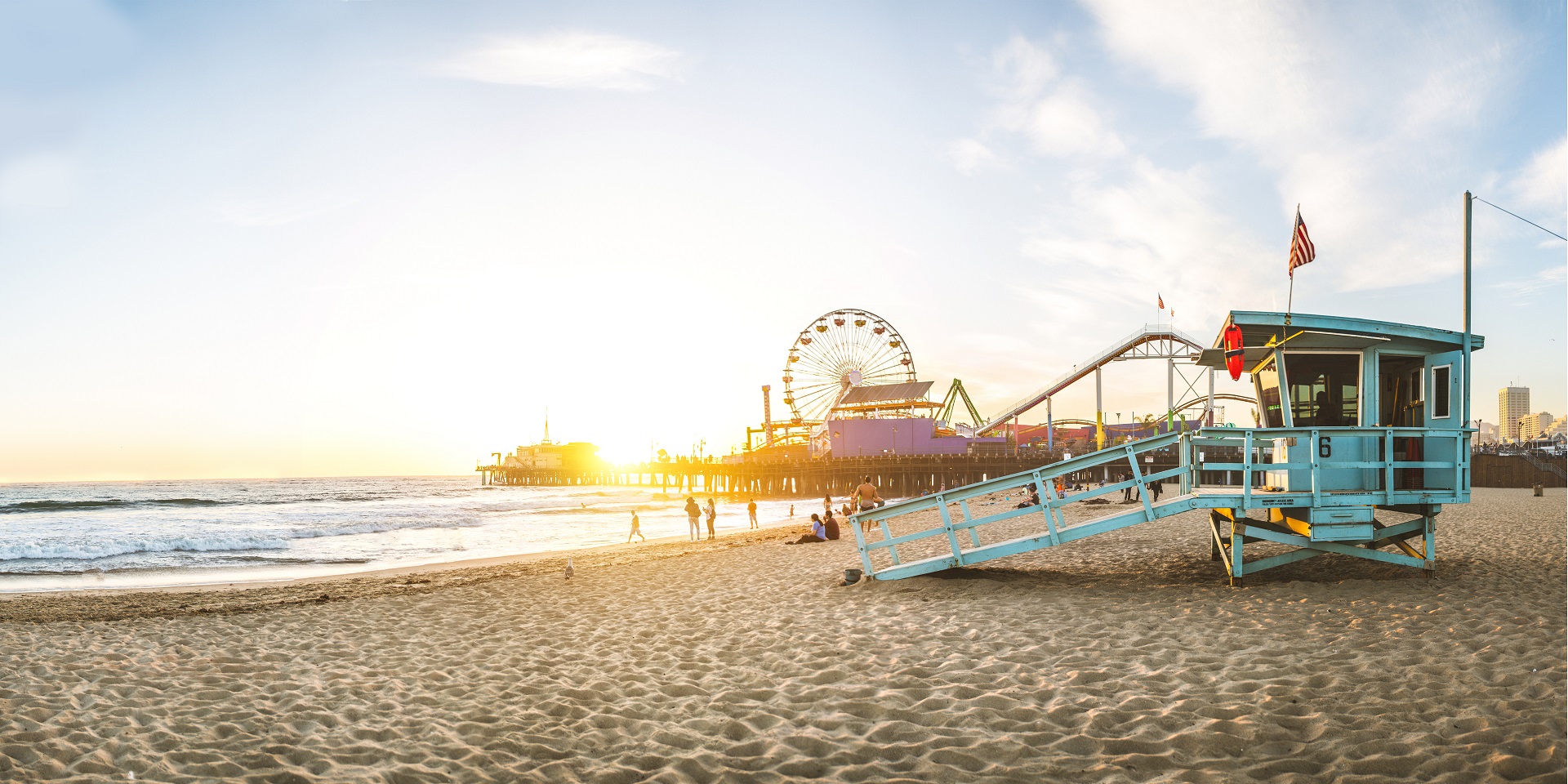
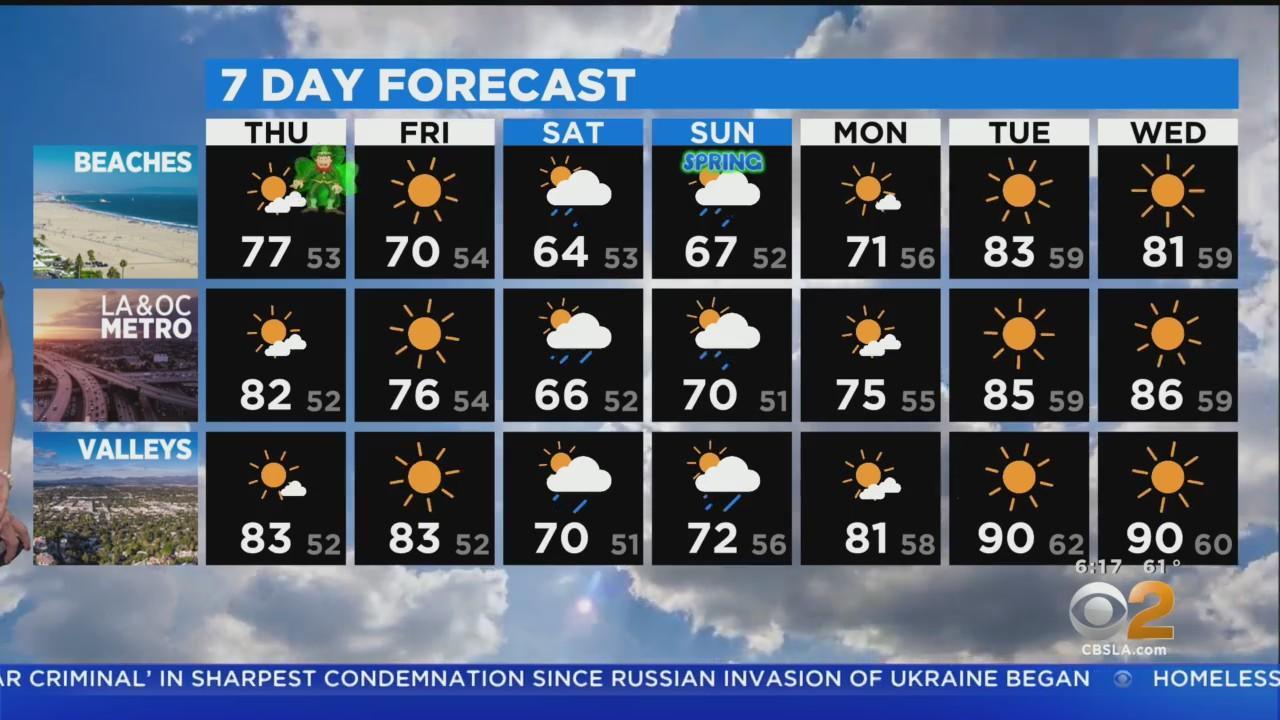
The cooling effect of the Pacific Ocean cannot be overstated. In areas like Santa Monica and Venice Beach, the temperature remains remarkably stable throughout the year. During the height of summer, while the rest of the city may be sweltering, the coastline often enjoys temperatures in the mid-70s Fahrenheit (24°C). This is due to the “marine layer,” a mass of cool, moist air that rolls in from the ocean. Travelers seeking an escape from the heat often find refuge in Malibu, where the air is crisp and the water provides a natural cooling system.
The Inland Heat: San Fernando Valley and Downtown Los Angeles
As you move away from the coast, the temperature rises rapidly. Once you cross the Santa Monica Mountains, you enter the San Fernando Valley. Here, the lack of ocean breeze allows the heat to settle and intensify. It is not uncommon for Pasadena or Downtown Los Angeles to be 15 to 20 degrees hotter than the beach. In Downtown Los Angeles, the “urban heat island” effect—where concrete and asphalt trap heat—can make walking tours particularly intense during the mid-afternoon.
The Mountain Peaks: San Gabriel Mountains
For those looking for a different perspective on the weather, the San Gabriel Mountains offer a dramatic contrast. While the city floor might be warm, the higher elevations can be significantly cooler. These mountains act as a barrier, trapping the heat in the basin and keeping the desert air from the east at bay—except during the famous Santa Ana Winds events, which can bring scorching, dry air even in the middle of autumn.
Seasonal Temperature Trends and Best Times to Visit
Determining the “best” time to visit depends heavily on your tolerance for heat and your interest in specific activities. Los Angeles does not follow the traditional four-season cycle found in other parts of the world.
Summer Heat: Navigating July and August
July and August are traditionally the hottest months. In Hollywood, daily highs usually hover around 85°F (29°C), but heatwaves can easily push temperatures into the triple digits. This is the peak of the tourist season, meaning popular spots like Universal Studios Hollywood and The Grove will be crowded. The air is dry, which makes the heat feel less oppressive than the humidity of the East Coast, but the sun is exceptionally strong. Visitors should plan outdoor sightseeing for early morning or late evening.

The “June Gloom” Phenomenon
Many tourists arrive in June expecting tropical heat and are surprised by “June Gloom.” This is a meteorological event where a thick marine layer blankets the city in gray clouds, particularly in the mornings. While it keeps the temperatures mild—usually in the low 70s—it can be disappointing for those seeking blue-sky photos. However, this is an excellent time for hiking the trails near the Griffith Observatory, as the cloud cover provides protection from the sun’s glare.
Mild Winters and the “Second Summer”
September and October are often the most unpredictable months. This period is known for the Santa Ana Winds, which can bring the highest temperatures of the year. Conversely, winter in Los Angeles is incredibly mild. Between December and February, daytime highs usually sit around 68°F (20°C). While it is the rainy season, storms are typically short-lived, leaving the air clear and the views from Echo Park or Silver Lake spectacular.
Managing the Heat: Essential Tips for Tourists
To enjoy your time in the city without succumbing to the heat, a few tactical adjustments to your itinerary are necessary.
Outdoor Activities and Sun Protection
The sun in Southern California is deceptively powerful. Even on a cool day in Beverly Hills, the UV index can be high. Professional guides recommend high-SPF sunscreen, polarized sunglasses, and wide-brimmed hats. If you are planning to attend a game at Dodger Stadium or a concert at the Rose Bowl, be aware that these venues have limited shade. Hydration is key; always carry a reusable water bottle, as public fountains and refill stations are becoming increasingly common across the city.
Navigating Public Transport and Traffic During Peak Heat
Heat affects more than just your comfort; it affects the city’s infrastructure. On extremely hot days, the famous traffic of Los Angeles can become even more grueling as car air conditioning systems work overtime. If you are using public transit, the Metro rail lines are generally well-cooled, but waiting at bus stops can be taxing. Planning your transit around the hottest part of the day (2:00 PM to 4:00 PM) by staying indoors at a cafe or museum is a wise move for any traveler.
Heat-Friendly Activities and Cultural Highlights
When the mercury rises, the city offers plenty of ways to stay cool while still soaking in the local culture.
Exploring Museums: The Getty Center and LACMA
The city’s world-class museums are perfect retreats during a heatwave. The Getty Center, perched high on a hill, offers not only climate-controlled galleries but also natural breezes and stunning architecture. Similarly, the LACMA (Los Angeles County Museum of Art) provides an expansive indoor experience. For those interested in music and design, a tour of the Walt Disney Concert Hall in the heart of the city offers a cool, shaded environment to admire one of the world’s most iconic buildings.
Evening Entertainment: The Hollywood Bowl and Sunset Strip
As the sun sets, the city undergoes a transformation. The evening air is usually pleasant, making it the perfect time for outdoor entertainment. A performance at the Hollywood Bowl is a quintessential experience, where the natural canyon setting provides a cooler atmosphere than the valley floor. Afterward, exploring the Sunset Strip allows you to enjoy the nightlife without the daytime intensity. The “golden hour” in Los Angeles is famous for its purple and orange hues, best viewed with a cocktail at a rooftop bar in Downtown Los Angeles.
Coastal Escapes and Island Trips
If the city heat becomes too much, consider a day trip to Santa Catalina Island. The ferry ride across the channel provides an immediate drop in temperature. Once on the island, the Mediterranean-style climate of Avalon is significantly cooler than the mainland. Back on the coast, a stroll through the canals of Venice Beach or a bike ride from Santa Monica to Malibu allows you to stay active while benefiting from the constant sea spray and ocean wind.
In conclusion, “how hot is it in Los Angeles?” is a question with many answers. By understanding the microclimates and seasonal shifts, you can tailor your visit to ensure you experience the best of the city’s culture, landmarks, and natural beauty in total comfort. Whether you are basking in the coastal fog of June or seeking the air-conditioned refuge of a world-class museum in August, Los Angeles remains one of the most vibrant and welcoming destinations in the world.
LifeOutOfTheBox is a participant in the Amazon Services LLC Associates Program, an affiliate advertising program designed to provide a means for sites to earn advertising fees by advertising and linking to Amazon.com. Amazon, the Amazon logo, AmazonSupply, and the AmazonSupply logo are trademarks of Amazon.com, Inc. or its affiliates. As an Amazon Associate we earn affiliate commissions from qualifying purchases.