
Orlando, Florida, the undisputed theme park capital of the world, beckons millions of travelers annually with its promise of magic, adventure, and endless sunshine. From the enchanting realms of Walt Disney World Resort to the cinematic thrills of Universal Orlando Resort, this vibrant city offers an unparalleled escape. However, a question often at the forefront of a prospective visitor’s mind, particularly when planning their journey, is a fundamental one: “How hot is it truly in Orlando?”
Understanding Orlando’s climate isn’t just about reading a thermometer; it’s about preparing for an immersive experience where warmth is a constant companion. Florida, aptly named the Sunshine State, lives up to its moniker, and Orlando’s weather plays a significant role in shaping the travel experience, dictating everything from wardrobe choices to daily itineraries. This comprehensive guide delves into the nuances of Orlando’s temperatures, offering insights and practical advice to ensure your visit is as comfortable and memorable as possible, regardless of when you choose to explore its wonders.
Unpacking Orlando’s Subtropical Climate
Orlando’s climate is characterized as humid subtropical, meaning it experiences hot, humid summers and mild, dry winters. This classification is key to understanding the city’s year-round warmth and distinct seasonal variations that, while not dramatic in temperature swings, significantly impact the “feel” of the weather.
A Year-Round Warmth
Unlike many regions that cycle through four distinct seasons with significant temperature drops, Orlando largely operates on a warm-to-hot spectrum throughout the year. Even in the cooler months, temperatures rarely dip to uncomfortable lows, making it a popular winter escape for those seeking sun. The city averages over 230 sunny days per year, ensuring that brightness is a consistent feature of its weather patterns. This consistent warmth fosters a lush, tropical environment, contributing to the vibrant flora and fauna that thrive in the region, including the iconic palm trees and abundant greenery found across its resorts and attractions.
The Peak Summer Experience (June-September)
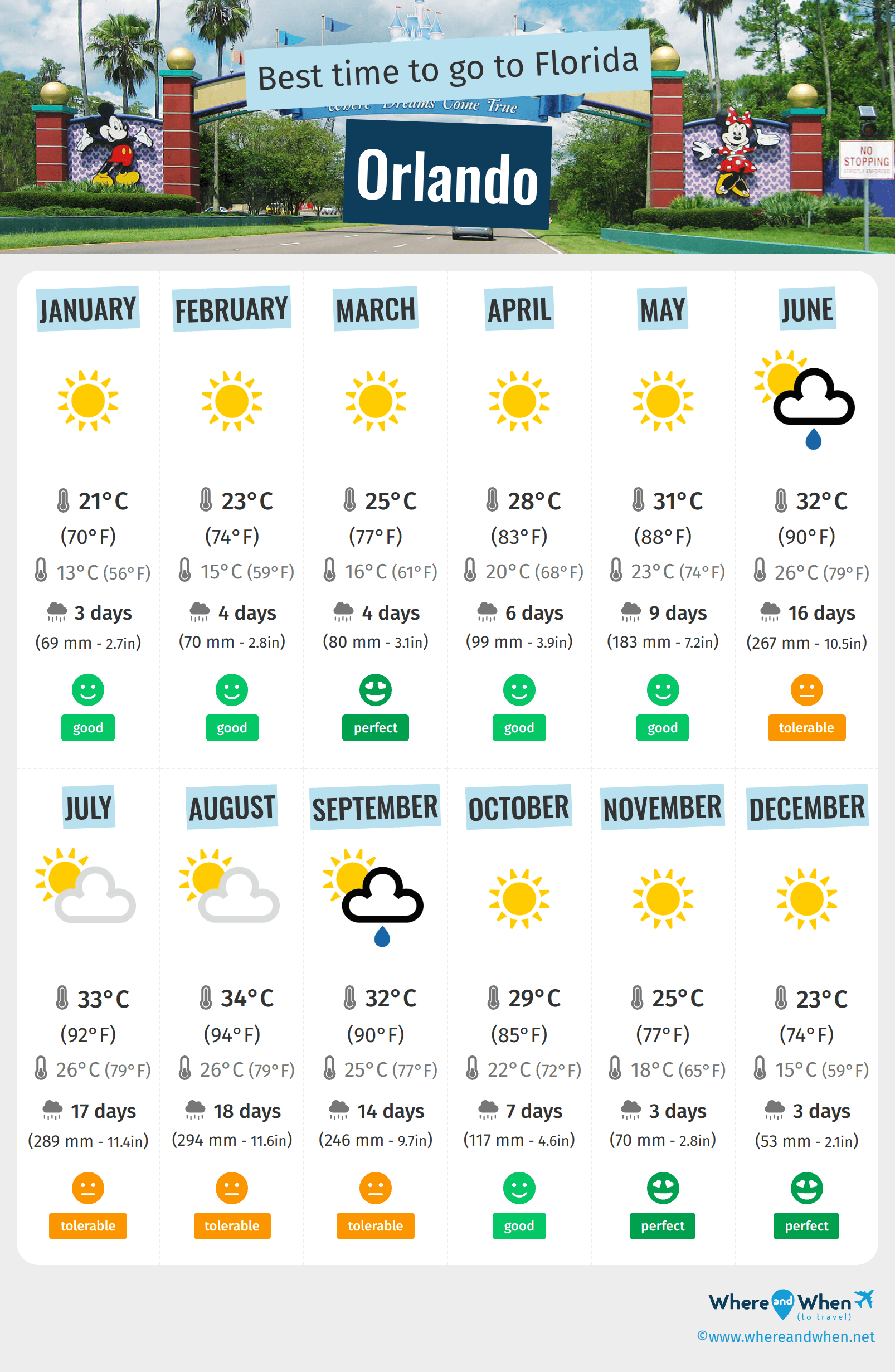
The period from June through September marks Orlando’s peak summer, and it is undoubtedly the hottest and most humid time to visit. Average daily high temperatures during these months consistently hover in the low 90s Fahrenheit (around 32-34°C), often climbing higher. Nighttime lows typically remain in the mid-70s Fahrenheit (around 24-25°C), offering little respite from the warmth. What truly defines this period, however, is the pervasive humidity. Relative humidity levels are high, making the “feels like” temperature, or heat index, significantly higher than the actual air temperature. It’s not uncommon for the heat index to reach triple digits, often feeling like 100°F (38°C) or more.
This season is also characterized by daily afternoon thunderstorms. These are typically short-lived, intense downpours that can last anywhere from 30 minutes to an hour, often bringing temporary relief from the heat before the sun re-emerges. While disruptive to outdoor plans, these storms are crucial for replenishing Florida’s wetlands and are an integral part of the summer climate. Travelers visiting during this time should anticipate these daily weather events and factor them into their plans for park visits or other outdoor activities. Water parks become especially appealing during these months, offering the perfect solution for cooling down.
Mild Winters and Pleasant Springs/Autumns
Fortunately, Orlando’s climate offers delightful alternatives to the intense summer heat. The late fall, winter, and spring months generally present a much more comfortable experience for travelers.
- Late Fall (October-November): Temperatures begin to cool, with highs typically in the mid-70s to low 80s Fahrenheit (around 24-28°C) and much lower humidity. This period offers pleasant conditions for theme park exploration and other outdoor pursuits.
- Winter (December-February): Orlando’s winters are remarkably mild, often feeling like a pleasant spring day elsewhere. Average highs are in the low to mid-70s Fahrenheit (around 21-23°C), with cooler evenings and occasional cold fronts that can bring temperatures down to the 40s or 50s Fahrenheit (around 4-15°C) for a few days. These cold snaps are usually brief, making winter an attractive escape for those seeking warmth without the oppressive humidity of summer.
- Spring (March-May): Spring is widely considered one of the best times to visit Orlando. Temperatures steadily rise from the high 70s to the high 80s Fahrenheit (around 25-31°C) as the season progresses, but humidity levels generally remain lower than in summer. The weather is typically sunny and dry, providing ideal conditions for enjoying all the attractions Orlando has to offer.
Navigating the Heat: Essential Travel Strategies
Regardless of when you visit, even during the milder months, Orlando’s warmth necessitates smart travel strategies to ensure comfort and enjoyment. Being prepared can make all the difference in turning a potentially challenging day into a magical one.
Hydration is Key
The most crucial strategy for combating Orlando’s heat and humidity is consistent hydration. Dehydration can quickly set in, especially when spending long hours walking outdoors in the sun. Always carry a reusable water bottle; most theme parks offer water bottle refilling stations, and quick-service restaurants are usually happy to provide complimentary cups of ice water. Aim to drink water frequently, even if you don’t feel thirsty, and consider electrolyte-rich beverages to replenish essential salts lost through perspiration. Avoiding excessive alcohol and sugary drinks, especially during peak heat, can also help maintain hydration levels.
Dress for Success
Packing the right attire is fundamental for a comfortable trip. Opt for lightweight, loose-fitting clothing made from breathable fabrics such as cotton, linen, or moisture-wicking synthetics. Light colors will reflect sunlight, helping you stay cooler than dark colors. Sun protection is equally vital: a wide-brimmed hat, sunglasses, and high-SPF sunscreen are non-negotiable, particularly when spending extended periods outdoors. Reapply sunscreen regularly, especially after sweating or water rides. Comfortable walking shoes are also paramount, as you’ll likely be covering many miles each day.
Strategic Planning for Park Visits
Smart planning can significantly mitigate the impact of the heat on your theme park experience.
- Early Mornings and Late Evenings: Arrive at the parks right at opening (rope drop) to enjoy cooler temperatures and lighter crowds for popular attractions. Similarly, evenings often bring slightly lower temperatures and beautiful park lighting.
- Midday Breaks: Consider taking a break during the hottest part of the day (roughly 1 PM to 4 PM). This could mean returning to your resort for a swim or a nap, or seeking out indoor attractions, air-conditioned shows, or extended meal breaks within the parks.
- Utilize Indoor Attractions: Theme parks are designed with the Florida heat in mind. Prioritize air-conditioned rides, shows, and restaurants during the peak heat of the day. Many queues are also partially or entirely shaded or indoors.
- Water Rides and Misters: Embrace the opportunity to get wet on water rides like Splash Mountain (at Magic Kingdom) or Kali River Rapids (at Disney’s Animal Kingdom). Look for cooling misting fans and designated cooling zones found throughout the parks.
Embrace the Water
With Orlando’s numerous aquatic offerings, incorporating water activities into your itinerary is a fantastic way to beat the heat. Almost every resort boasts a fantastic pool complex, often with lazy rivers and slides. Additionally, Orlando is home to several world-class water parks, including Typhoon Lagoon and Blizzard Beach at Walt Disney World Resort, Volcano Bay at Universal Orlando Resort, and Aquatica Orlando by SeaWorld Orlando. These parks offer hours of refreshing fun for all ages. For those willing to venture a bit further, Florida’s stunning coastline is within a relatively short drive, with popular options like Cocoa Beach to the east and Clearwater Beach to the west.
Beyond the Thermometer: The Heat Index and Local Perception
While knowing the ambient temperature is helpful, truly understanding Orlando’s heat requires appreciating the concept of the “heat index” and observing how the local environment is designed to manage it.
Understanding the “Feels Like” Temperature
The heat index combines air temperature with relative humidity to determine how hot it feels to the human body. In Orlando’s humid subtropical climate, especially during summer, high humidity is a constant companion. When the air is saturated with moisture, sweat evaporates less efficiently from the skin, making it harder for the body to cool itself. This is why a 90°F day in Orlando with high humidity can feel significantly hotter and more oppressive than a 90°F day in a drier climate, where the heat index might be closer to the actual air temperature. Paying attention to the heat index in weather forecasts is crucial for proper preparation, as it provides a more accurate representation of outdoor comfort levels.
Local Adaptations and Infrastructure
Orlando, and Florida in general, is masterfully designed to combat its inherent warmth. Air conditioning is ubiquitous, found in virtually every indoor space, from hotels and restaurants to shops and theme park queues. The theme parks themselves are marvels of climate adaptation, featuring extensive shaded walkways, misting stations, indoor attractions, and frequent access to cold beverages. Transportation systems are air-conditioned, and even outdoor dining areas often employ fans and misters. This widespread infrastructure means that while you will experience the heat outdoors, comfort is always just a few steps away, allowing for necessary cool-down periods.
The Magic in the Warmth
Despite the emphasis on strategies to cope with the heat, it’s essential to remember that Orlando’s warmth is an integral part of its charm and appeal. It’s what allows for lush, tropical landscaping, year-round swimming, and a perpetual vacation vibe. The warmth contributes to the bright, vibrant atmosphere that defines a Florida getaway. It enables extensive outdoor entertainment, from parades to fireworks, throughout the year. Embracing the heat as part of the authentic Orlando experience, rather than fighting against it, can shift your perspective and enhance your enjoyment of the destination.
Best Times to Visit Based on Temperature Preferences
Choosing the ideal time to visit Orlando largely depends on your personal tolerance for heat and humidity, as well as your priorities for activities.
For Heat Seekers and Water Park Enthusiasts
If you thrive in high temperatures, love basking in the sun, and plan to spend significant time at water parks or resort pools, the summer months (June-September) are perfect. While challenging, this period offers long daylight hours, consistent sunshine, and the quintessential Florida summer experience. Water-centric activities are at their peak, and the energy of the parks is palpable. Just be prepared for the heat index and those daily afternoon thunderstorms.
For Comfortable Explorers
Travelers who prefer more moderate temperatures and lower humidity will find the late fall (October-November), winter (December-February), and spring (March-May) months to be ideal.
- Late Fall and Spring: These seasons offer the best balance of warm, sunny days without the oppressive summer humidity. Temperatures are pleasant for extensive theme park exploration, golf, and outdoor dining. Crowds can still be present, especially around holidays and school breaks, but are often more manageable than peak summer.
- Winter: December through February provides a refreshing escape from colder climates. While evenings can be cool, daytime temperatures are generally comfortable, making it an excellent choice for those seeking mild weather and smaller crowds (outside of major holidays like Christmas and New Year’s).

Seasonal Considerations Beyond Temperature
While temperature is a primary concern, other seasonal factors might influence your travel plans.
- Crowd Levels: Generally, summer, major holidays, and school breaks see the highest crowd levels. If avoiding crowds is a priority, consider off-peak weeks in the fall or late winter.
- Special Events: Orlando hosts numerous special events throughout the year. For example, Epcot International Food & Wine Festival in the fall, or holiday festivities in winter. These events can enhance a visit but may also coincide with higher crowds.
- Hurricane Season: Officially runs from June 1st to November 30th, with peak activity typically from August through October. While direct hits are relatively rare, tropical storms can bring heavy rain and high winds, potentially disrupting travel plans. Travel insurance is highly recommended during this period.
In conclusion, Orlando, Florida, is undeniably a hot destination, particularly during its long, humid summers. However, with a comprehensive understanding of its subtropical climate and the implementation of strategic planning and preparation, the heat is an entirely manageable and, for many, an enjoyable aspect of the experience. Whether you seek the intense warmth for water park adventures or prefer the milder comfort of spring and fall, Orlando’s magic awaits, offering an unforgettable escape year-round. Embrace the sunshine, stay hydrated, and immerse yourself in the vibrant energy that defines this beloved travel destination.
LifeOutOfTheBox is a participant in the Amazon Services LLC Associates Program, an affiliate advertising program designed to provide a means for sites to earn advertising fees by advertising and linking to Amazon.com. Amazon, the Amazon logo, AmazonSupply, and the AmazonSupply logo are trademarks of Amazon.com, Inc. or its affiliates. As an Amazon Associate we earn affiliate commissions from qualifying purchases.