
In the grand tapestry of American democracy, the electoral process is a cornerstone, a ritual that defines the very essence of representation. Yet, in the sprawling and diverse landscape of California, the conclusion of an election can sometimes feel less like a swift conclusion and more like a lingering melody, a process that continues long after the initial ballots have been cast. This extended vote-counting period, often a source of curiosity and sometimes even bewilderment for those outside the state, is not an anomaly but rather a reflection of California’s commitment to ensuring every voice is heard and every eligible vote is tallied accurately.

This process, while seemingly drawn-out, is rooted in a series of deliberate choices designed to maximize participation and safeguard the integrity of the vote. From the expansive reach of the state to the innovative methods employed to collect and count ballots, California has developed a system that prioritizes thoroughness and inclusivity. Understanding this system requires delving into the practicalities of ballot collection, the nuances of signature verification, and the technological advancements that support this complex undertaking. It’s a process that speaks to a deeper philosophy: that in a democracy, speed should not come at the expense of accuracy or accessibility.
The sheer scale of California itself presents a unique logistical challenge. With a population that rivals that of many countries, the state encompasses a vast geographical area, from the sun-drenched beaches of Southern California to the rugged mountains of the Sierra Nevada, and from the bustling metropolises of Los Angeles and San Francisco to the fertile agricultural heartland. This immense diversity translates into millions of registered voters, each with their own unique circumstances and voting preferences. Ensuring that all these voters can cast their ballots and that those ballots are collected efficiently is a monumental task, one that requires careful planning and robust infrastructure.
Furthermore, California’s approach to voting has evolved to accommodate a changing electorate and a growing emphasis on convenience. The widespread adoption of mail-in voting has been a significant factor in extending the counting period. This accessible method allows voters to participate from the comfort of their homes, bypassing the need to visit polling stations on a specific day. While this enhances participation, it also means that ballots can arrive at election offices for days, and sometimes even weeks, after Election Day, necessitating a prolonged counting process.
The Mechanics of Extended Vote Counting
The extended timeline for California’s vote counting is not a consequence of inefficiency but rather a deliberate design choice embedded within the state’s election laws. At its core, this system is built upon a foundation of voter accessibility and ballot integrity, two principles that, while seemingly straightforward, require a complex operational framework to uphold.
Mail-In Ballots: A Boon to Accessibility, A Challenge to Timeliness
One of the most significant contributors to the extended counting period is California’s robust vote-by-mail system. In recent years, the state has moved towards universal mail-in voting, making it the default option for registered voters. This shift has been lauded for its ability to increase voter turnout by removing traditional barriers such as time off work, transportation issues, or long lines at polling places. Voters can receive their ballots by mail, fill them out at their convenience, and return them via mail or designated drop boxes.
However, this accessibility comes with inherent logistical challenges. Ballots postmarked by Election Day are still considered valid if they arrive at election offices within a specified number of days afterward – typically up to seven days in California. This grace period allows for delays in postal service or for voters who may have procrastinated to still have their voices counted. Election officials then must process and count these late-arriving, but legally cast, ballots. This means that even as initial results are reported on Election Night, the final tally often takes days, if not weeks, to be completed. The sheer volume of mail-in ballots, which can represent a significant majority of all votes cast, further compounds the time required for verification and counting.
The Crucial Role of Signature Verification
A critical step in the mail-in ballot process, and one that contributes to the extended counting timeline, is signature verification. For every mail-in ballot to be considered valid, the signature on the return envelope must match the voter’s signature on file with the county elections office. This is a vital safeguard against fraud and ensures that only eligible voters are participating.
The signature verification process is not a simple, automated task. While technology assists in flagging potential discrepancies, the final determination is often made by trained election workers. This manual review is essential because signatures can vary naturally due to age, injury, or even the simple act of signing quickly. Election officials are trained to look for key characteristics and patterns in signatures, comparing the returned ballot envelope to signatures collected during voter registration, such as those from a California driver’s license or state ID.
This meticulous process, while crucial for maintaining the integrity of the vote, is time-consuming. Each ballot envelope must be handled, the signature examined, and a decision made. In counties with a large number of mail-in ballots, this process can extend well beyond Election Day, as election workers diligently work through each envelope to ensure accuracy. The potential for ballots to be set aside for “cure” – where a voter can be contacted to resolve a signature discrepancy – further adds to the timeline.
Expanding Access: Early Voting and Drop Boxes
To complement the mail-in voting system and further bolster accessibility, California has also invested in expanding early voting options and the proliferation of secure ballot drop boxes. Early voting periods, which can begin weeks before Election Day, allow voters to cast their ballots in person at designated locations, reducing congestion on Election Day itself.
Similarly, ballot drop boxes have become a ubiquitous and convenient feature of California’s electoral landscape. Strategically placed in accessible locations across the state – from libraries and community centers to shopping malls and government buildings – these secure receptacles allow voters to return their mail-in ballots at any time, eliminating concerns about postal delays. Election officials collect ballots from these drop boxes regularly, but the process of transporting them to the counting centers and initiating the verification procedures still requires time. The sheer number of drop boxes and the continuous collection contribute to the steady stream of ballots that election workers must process, thereby extending the counting window.
Technological Innovations and the Pursuit of Efficiency
While the human element remains indispensable in safeguarding election integrity, California has also embraced technological advancements to streamline and enhance the vote-counting process. The state’s election systems are designed to be secure and auditable, allowing for efficient processing of millions of ballots while maintaining transparency.
Digital Scanners and Tabulators: Speeding Up the Count
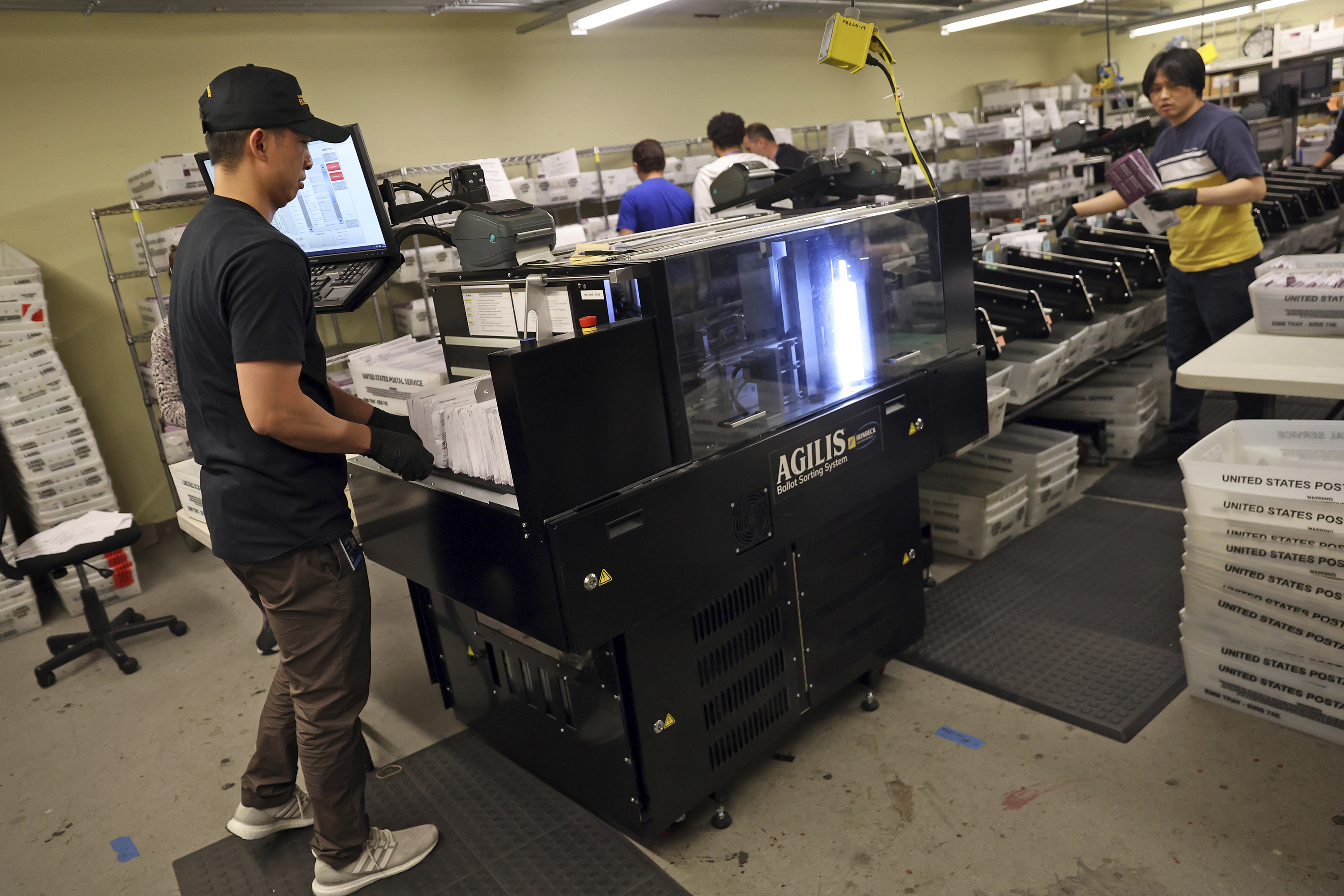
At the heart of California’s vote-counting infrastructure are sophisticated digital scanners and tabulators. Once a mail-in ballot’s signature has been verified, it is opened, flattened, and fed into these high-speed machines. These scanners can process thousands of ballots per hour, accurately reading the voter’s selections. The data is then tabulated, providing a rapid and efficient way to tally votes.
These technologies are crucial for handling the massive volume of ballots cast in California. Without them, manual counting would be an insurmountable task, taking an inordinate amount of time and increasing the potential for human error. The digital nature of the scanning and tabulation also facilitates the generation of preliminary results that can be reported on Election Night, giving the public an early, though not final, indication of the election’s outcome. These systems are rigorously tested and certified to ensure accuracy and security.
Secure Data Management and Auditing
Beyond the physical counting of ballots, California’s election systems place a significant emphasis on secure data management and auditing. The data from scanned ballots is transmitted securely to central election systems, where it is stored and processed. These systems are designed with multiple layers of security to prevent unauthorized access or manipulation.
Auditing is a critical component of ensuring the accuracy and trustworthiness of the election results. California employs various auditing procedures, including risk-limiting audits, where statistical methods are used to verify that the reported outcome is correct. These audits involve manually reviewing a sample of paper ballots to confirm that they match the machine counts. The thoroughness of these audits, while adding an extra layer of assurance, also requires dedicated time and resources, further contributing to the overall timeline for finalizing election results. The commitment to transparency means that these auditing processes are often observable, allowing for public scrutiny and confidence in the democratic outcome.
The Philosophy of Inclusivity: Why Time Matters
The extended vote-counting period in California is not merely a logistical consequence of its size and voting methods; it is a deliberate manifestation of a deeper democratic philosophy. The state’s approach prioritizes ensuring that every eligible voter has the opportunity to participate and that their vote is counted accurately, even if it means a longer wait for definitive results.
Maximizing Voter Participation: Beyond Election Day
California’s electoral system is designed to be as inclusive as possible, recognizing that traditional voting methods may pose barriers for some citizens. The emphasis on mail-in voting and accessible drop boxes aims to remove obstacles related to work schedules, transportation, disability, or other personal circumstances. By allowing ballots to be cast and returned over an extended period, California seeks to maximize voter participation, ensuring that a broader segment of the population can exercise their fundamental right to vote. This commitment to inclusivity means accepting that the counting process will naturally take longer as these accessible methods are utilized by millions.

Ensuring Accuracy and Trust: The Foundation of Democracy
In any democracy, public trust in the electoral process is paramount. California’s extended counting period is, in part, a testament to its commitment to accuracy and thoroughness. The meticulous signature verification, the multiple stages of processing, and the robust auditing procedures are all designed to weed out errors and prevent fraud. While the immediate release of results might be appealing, the state prioritizes a process that minimizes the risk of mistakes and ensures that the outcome reflects the true will of the voters. This dedication to precision, even if it means waiting longer for final numbers, ultimately strengthens the legitimacy of the election results and fosters greater confidence in the democratic system.
The process, while sometimes perceived as slow, is a deliberate choice to uphold the principles of accessible and accurate voting. From the expansive geography that necessitates efficient logistics to the technological innovations that aid in processing, and the underlying philosophy of inclusivity, California’s vote-counting procedures are a complex but vital component of its democratic framework. For residents and visitors alike, understanding this process offers a valuable insight into how a large, diverse state strives to ensure that every voice can be heard in the chorus of democracy.
LifeOutOfTheBox is a participant in the Amazon Services LLC Associates Program, an affiliate advertising program designed to provide a means for sites to earn advertising fees by advertising and linking to Amazon.com. Amazon, the Amazon logo, AmazonSupply, and the AmazonSupply logo are trademarks of Amazon.com, Inc. or its affiliates. As an Amazon Associate we earn affiliate commissions from qualifying purchases.