
Navigating the complexities of family law can be a daunting experience, particularly when it involves the financial well-being of children. For families across the United States, and specifically within the Golden State, understanding how child support is calculated in California is not just a legal necessity but a critical component of lifestyle planning, budgeting, and even future travel opportunities. Child support payments are designed to ensure children maintain a quality of life similar to what they would have experienced if their parents had remained together, covering everything from daily necessities to opportunities for enrichment and, yes, even family vacations.
In a state as diverse and expansive as California, where family structures are as varied as the landscapes – from the bustling urban centers of Los Angeles and San Francisco to the serene desert escapes of Palm Springs or the scenic beauty of Lake Tahoe – the financial implications of child support touch nearly every aspect of a family’s life. For co-parents aiming to provide the best experiences for their children, whether it’s a trip to Disneyland, exploring Yosemite National Park, or simply a weekend getaway to San Diego, comprehending these calculations is paramount. It allows for more effective financial planning, enabling families to continue building cherished memories and ensuring their children’s needs are met, both at home and on their adventures.
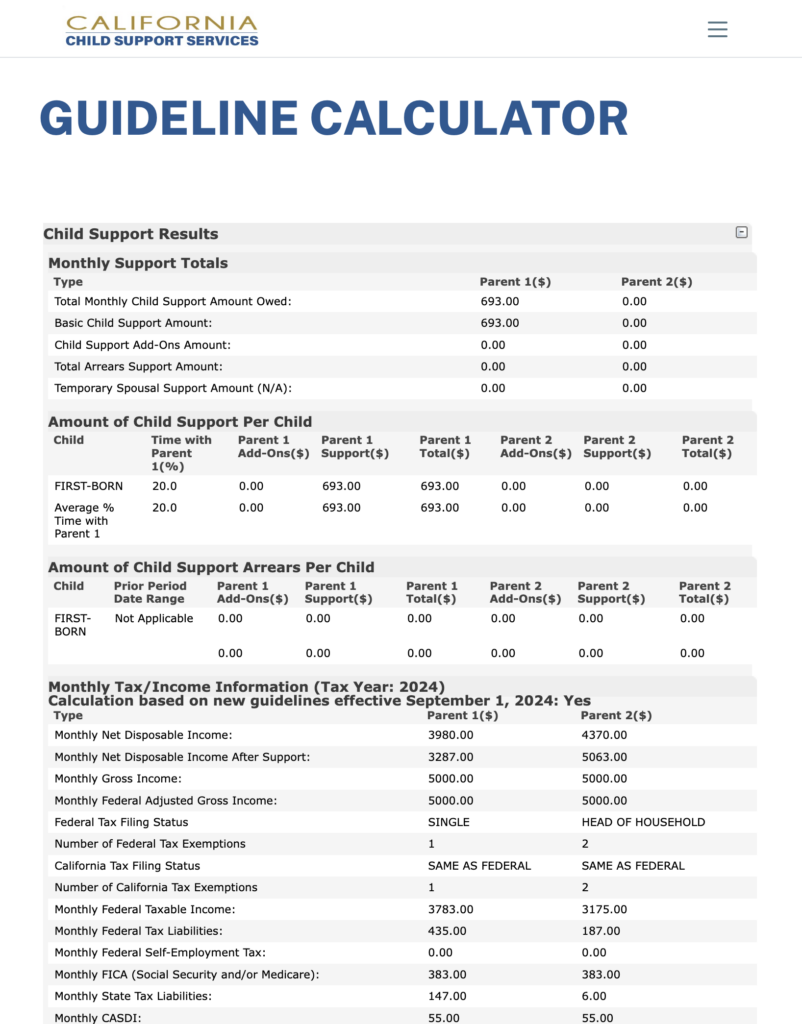
Understanding the California Child Support Guideline
At the heart of child support calculations in California lies a statewide uniform guideline, a complex mathematical formula designed to ensure fairness and consistency across all cases. This guideline is mandated by the California Family Code and is applied by judges in every county, from Sacramento to Orange County. The formula takes into account numerous factors, prioritizing the child’s best interests above all else. Its primary objective is to make sure that children receive adequate support, reflecting the income and ability of both parents to contribute.
The guideline is not arbitrary; it’s a carefully structured system that aims to consider the realities of each family’s financial situation. Unlike some states that might use fixed percentages based solely on the non-custodial parent’s income, California’s approach is more nuanced, ensuring that the financial burden is distributed equitably based on a comprehensive assessment. This method seeks to prevent one parent from being overly burdened while the other contributes disproportionately little, fostering a sense of shared responsibility that is crucial for successful co-parenting and the children’s overall well-being.
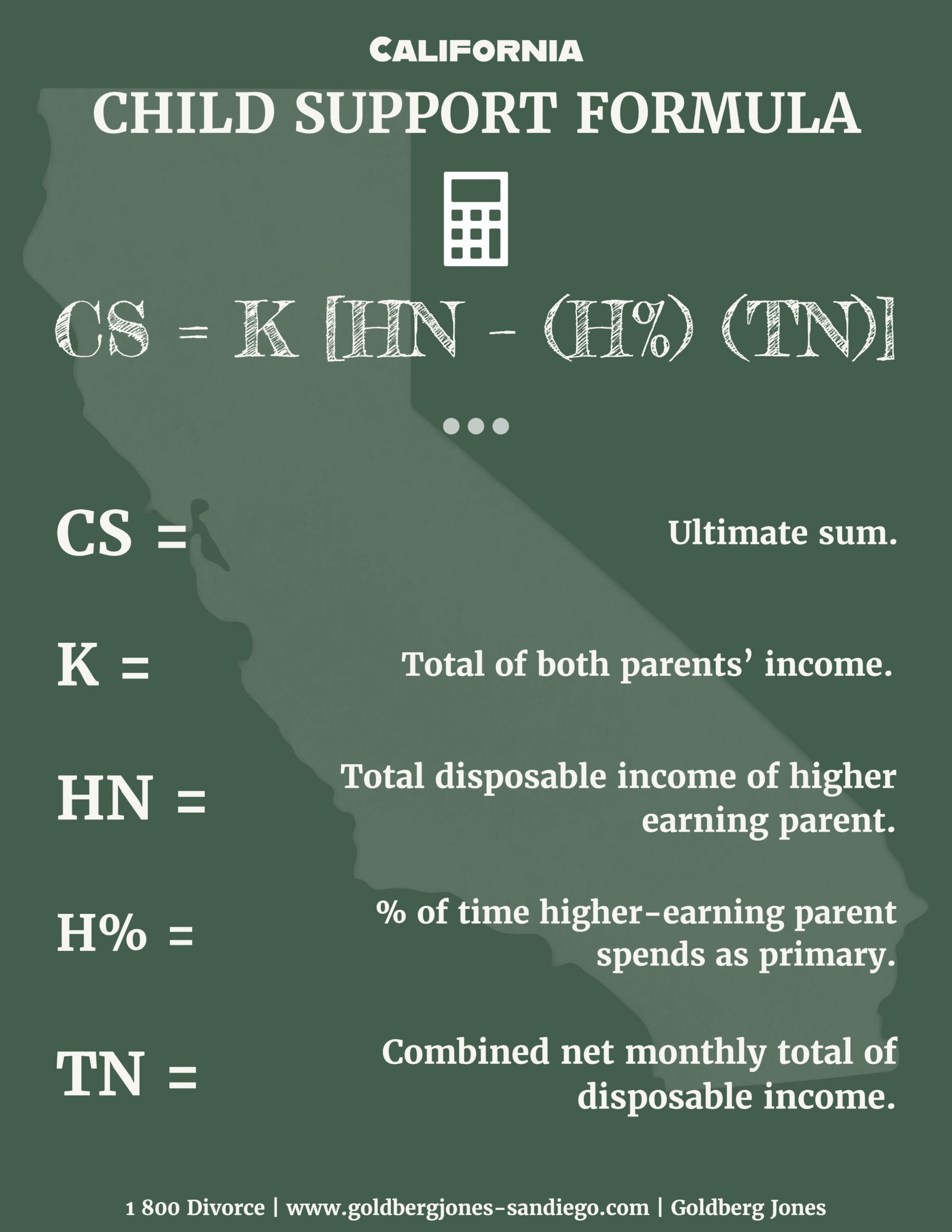
Key Factors in the Guideline Formula
The core of the California child support guideline calculation hinges on several key variables, each playing a significant role in determining the final support amount. Understanding these factors is crucial for any parent seeking to estimate or negotiate support.
-
Net Disposable Income of Both Parents: This is arguably the most critical factor. The court first determines each parent’s gross income from all sources – wages, salaries, bonuses, commissions, self-employment income, rental income, investments, and even unemployment benefits or disability payments. From this gross income, certain mandatory deductions are made to arrive at the “net disposable income.” These deductions typically include federal and state income taxes, FICA contributions (Social Security and Medicare), health insurance premiums, mandatory union dues, and retirement contributions. The higher the net disposable income of a parent, the greater their capacity to contribute to child support. This holistic view of income ensures that the calculation reflects a parent’s true financial standing after essential expenses are covered.
-
Amount of Time Each Parent Spends with the Children (Custodial Time Share): California’s guideline heavily emphasizes the percentage of time each parent has physical custody of the children. The more time a parent spends with the children, the more they are presumed to be directly contributing to the children’s daily expenses (food, shelter, utilities, transportation, etc.). Therefore, a parent with a higher custodial time share will typically pay less in child support, or may even receive support, as they are already incurring more direct costs. This factor directly influences how much financial support is needed to balance the costs of raising the children between both households.

-
Number of Children Requiring Support: Naturally, the more children a couple has, the higher the total child support obligation will likely be. The guideline adjusts for the economies of scale that often come with raising multiple children, but each additional child increases the overall financial responsibility.
-
Tax Filing Status: A parent’s tax filing status (e.g., single, head of household, married filing separately) impacts their net disposable income because it affects their tax liability. The guideline software considers this to accurately determine disposable income.
Income Considerations and Deductions
Beyond the basic income and custody factors, the California guideline allows for specific income considerations and deductions that can significantly alter the final child support amount. These adjustments are vital for ensuring the calculation truly reflects a parent’s financial reality and ability to pay.
- Hardship Deductions: In some cases, a parent may be granted hardship deductions for certain unavoidable expenses, such as the support of other minor children from a different relationship who live with them, or catastrophic uninsured medical expenses. These deductions reduce a parent’s net disposable income, thus potentially lowering their child support obligation.
- Child Care Costs: Reasonable child care expenses incurred by either parent due to employment or job training are often added to the basic child support amount and shared between the parents, typically in proportion to their respective incomes. This is especially relevant for parents juggling work with family life, who might rely on childcare services while staying at hotels in Anaheim for work trips or exploring business opportunities in San Jose.
- Health Insurance Premiums: The cost of health insurance for the children, and sometimes for a parent, if it’s mandatory and tied to employment, is also considered a deduction from gross income. This ensures that essential healthcare coverage is factored into the financial equation.
- Support for Children from Other Relationships: If a parent is already legally obligated to support children from another relationship, this existing support payment can be deducted from their gross income, preventing an unfair double burden.
Understanding these detailed components is crucial for families, not only for legal compliance but also for practical budgeting. For example, knowing the exact amount of disposable income after child support allows parents to better plan for lifestyle choices, such as saving for a family trip to Universal Studios Hollywood or reserving a suite at a family-friendly resort in Santa Monica.
The Impact of Custody Arrangements on Support Payments
The adage “time is money” holds significant weight in California child support calculations. The amount of time each parent spends with the children is one of the most influential factors, directly affecting the final support order. California’s guideline formula is sensitive to custodial time share, recognizing that the parent who has the children for a greater percentage of the time incurs more direct, day-to-day expenses for their care, accommodation, and activities. This direct correlation between physical custody and financial responsibility is a cornerstone of the state’s approach.
This emphasis on custodial time underscores the idea that both parents contribute to the children’s well-being, not just through monetary payments, but also through direct care and provision. For co-parents, understanding how their custody schedule translates into financial outcomes is vital for long-term planning, whether it involves budgeting for school supplies, planning extracurricular activities, or even coordinating travel itineraries for family vacations or holiday visits across the state.
Shared Custody and its Financial Implications
When parents share physical custody more equally, typically defined as each parent having the children for a significant percentage of the time (e.g., 50/50, 60/40), the child support calculation tends to reflect this balance. In shared custody arrangements, both parents are presumed to be directly covering a substantial portion of the children’s expenses while the children are in their care. This means that the child support amount may be lower than in cases where one parent has primary physical custody, or in some instances, there might be no support payment exchanged, depending on the income disparity.
For families embracing shared custody, the financial implications extend beyond just the monthly payment. It influences how both households manage their budgets for children’s needs, from setting up dual living spaces that accommodate the children comfortably to coordinating shared costs for larger purchases like school trips or equipment for sports. This collaborative financial management is particularly relevant for families who enjoy travel, as shared custody might mean coordinating two separate trips or ensuring both parents contribute to a significant family holiday experience. For instance, parents might jointly plan and budget for an annual trip to a theme park or a ski resort, understanding how their shared financial responsibilities impact their ability to afford certain amenities or destinations.
Navigating Co-Parenting While Traveling
The intersection of child support, custody, and travel can present unique challenges and opportunities for co-parenting families. When planning trips, especially those involving children, communication and coordination between parents are key. While child support covers day-to-day living expenses, it typically does not automatically include the costs associated with discretionary travel, such as flights, hotel stays, or admission to attractions.
Many custody orders include provisions for out-of-state or international travel, often requiring prior notification or consent from the other parent. From a financial perspective, parents might agree to share travel expenses outside of the standard child support order, or one parent might assume the full cost of a vacation they are taking with the children. For example, if one parent plans a trip for the children to New York City or a cruise from Long Beach, they might agree to cover all associated costs. Conversely, for significant family events or shared holidays, parents might jointly contribute to booking accommodations, flights, or activities.
This requires careful budgeting and open dialogue. Families may find themselves exploring various accommodation options, from a spacious Hyatt suite in San Francisco for a city break to a family-friendly villa in La Jolla for a beach vacation, always with an eye on their combined financial capacity, which is directly influenced by their child support arrangements. Effective co-parenting, especially when it comes to travel, means viewing financial responsibilities as a partnership, ensuring that the children’s experiences are maximized without undue financial strain on either parent. This might even involve using a portion of the child support funds (or an agreed-upon additional contribution) to secure better travel experiences, enhancing the children’s lifestyle and exposure to different cultures and destinations.
Beyond the Basic Formula: Add-ons and Special Circumstances
While the California child support guideline provides a foundational calculation, it’s designed to be flexible enough to address the specific needs of each family and child. This flexibility comes in the form of “add-ons,” which are additional expenses that can be ordered by the court on top of the base child support amount. These add-ons recognize that children’s needs often extend beyond basic food, shelter, and clothing, encompassing essential services and enrichment opportunities. Understanding these additional costs is vital for comprehensive financial planning, especially for parents who prioritize specific educational or extracurricular experiences, or who face significant healthcare costs.
These add-ons ensure that the child support order truly reflects the holistic needs of the children and maintains their lifestyle. For families who are particularly focused on travel and experiences, accounting for these additional costs means they can better allocate funds for everything from specialized educational tours to sports camps that require travel, without compromising essential care.
Childcare and Healthcare Expenses
Two of the most common and often significant add-ons are related to childcare and healthcare.
-
Childcare Costs: In California, reasonable childcare expenses incurred by either parent due to employment, education, or training are typically shared between the parents. The division of these costs is usually proportional to each parent’s net disposable income. For working parents, especially those who travel for business or need to secure accommodation for professional development, childcare is a non-negotiable expense. Whether it’s after-school care, summer camps, or even a nanny while a parent attends a conference in Monterey or a retreat in Napa Valley, these costs can add up quickly. Including them as an add-on ensures that both parents contribute fairly, alleviating potential financial strain on the parent primarily responsible for arranging care.
-
Uninsured Healthcare Costs: The guideline also mandates that uninsured healthcare costs for the children be shared between the parents, again typically in proportion to their incomes. This includes co-pays, deductibles, and any medical, dental, orthodontic, or psychological expenses not covered by insurance. Given the rising cost of healthcare, this add-on provides a crucial safety net, ensuring children receive necessary medical attention without causing undue financial hardship for one parent. For families who might encounter unexpected medical needs while exploring landmarks or attractions, having this framework in place offers peace of mind.
Educational and Travel-Related Costs
Beyond childcare and healthcare, courts in California can also order add-ons for specific educational or travel-related expenses, particularly when these are deemed to be in the children’s best interests or necessary to maintain their established lifestyle.
- Special Educational Needs: If a child has special educational needs, such as tutoring, specialized schools, or therapeutic interventions, the costs associated with these can be ordered as an add-on. This ensures that a child’s unique learning requirements are met, whether it’s for a specialized program near their hometown or a residential school that might require travel.
- Extracurricular Activities: While not always mandatory, courts can order parents to share the costs of extracurricular activities, particularly if the child was involved in them prior to the separation, or if they are deemed essential for the child’s development and well-being. This might include sports, music lessons, or art classes. For families that value a rich lifestyle and diverse experiences, contributing to these activities is an investment in the child’s future, potentially involving travel for competitions or performances.
- Travel for Visitation: In some cases, especially when parents live far apart, the court may order one or both parents to contribute to the costs of travel for the children to facilitate visitation. This is particularly relevant for families where one parent might live in Northern California and the other in Southern California, or even out-of-state. Covering airfare, train tickets, or fuel costs for a road trip ensures that children can maintain relationships with both parents, despite geographical distance. This directly impacts travel budgeting and accommodation choices, as parents might need to factor in hotels near airports or family-friendly resorts that make visitation easier.
- Enrichment Activities and Vacations (by agreement or specific order): While not typically mandatory add-ons, co-parents often agree to contribute jointly to significant enrichment activities or family vacations outside of the standard support order. For instance, parents might agree to fund a special summer camp, an educational trip to Washington D.C., or an annual visit to a landmark like the Golden Gate Bridge. These agreements reflect a commitment to providing children with a fulfilling lifestyle, ensuring they can enjoy experiences that build memories and broaden their horizons. Such agreements highlight the importance of open communication and a shared vision for the children’s lifestyle beyond just basic needs.
Lifestyle and Travel Considerations for Families in California
For families in California, child support isn’t just a legal obligation; it’s a fundamental aspect of their lifestyle and financial planning, significantly influencing everything from daily choices to grand travel adventures. The financial realities established by child support calculations directly impact a family’s ability to explore the diverse offerings of the state and beyond, shaping decisions about destinations, accommodation styles, and overall travel experiences. Understanding this interplay allows parents to make informed choices that benefit their children’s development and create lasting memories.
The extensive landscape of California offers an unparalleled array of travel opportunities, from the stunning coastlines of Big Sur to the vibrant city life of Hollywood and the historic charm of San Juan Capistrano. For families managing child support, these experiences become tangible goals that require careful budgeting and smart planning.
Budgeting for Family Adventures with Child Support in Mind
Effective budgeting is crucial for families navigating child support, especially when planning for travel and lifestyle enhancements. The child support order provides a predictable financial framework, allowing parents to allocate funds strategically.
- Prioritize and Plan: Once the net disposable income and child support payments are established, families can create a realistic budget. This involves prioritizing essential expenses (housing, food, healthcare, basic education) and then allocating remaining funds for discretionary spending, including travel and entertainment. Knowing the exact child support figure allows parents to realistically assess what they can afford for family adventures, whether it’s a budget-friendly camping trip in a state park or a more luxurious resort stay.
- Dedicated Travel Savings: Many co-parents find it beneficial to create a dedicated travel fund, often with contributions from both parents if they share a common vision for the children’s experiences. This fund can be used for significant trips, such as an annual pilgrimage to Disneyland, an educational tour to Washington D.C., or exploring the national parks like Sequoia National Park. By setting aside a fixed amount regularly, families can turn travel dreams into reality without impacting day-to-day living expenses.
- Leveraging Travel Deals and Off-Season Travel: For budget-conscious families, child support calculations highlight the importance of smart travel planning. This might involve traveling during the off-season to take advantage of lower prices on hotels and flights, utilizing loyalty programs, or exploring all-inclusive resorts that offer predictable costs. A family might opt for a spring break trip to a resort in Cancun during a less peak period to stretch their travel budget further.
Choosing Family-Friendly Accommodations Across California
The type of accommodation a family can afford or needs is often directly influenced by their child support arrangement and overall budget. California offers a vast array of accommodation options, from luxurious resorts to quaint boutique hotels and practical vacation rentals.
- Resorts and Suites for Comfort: For families with a robust travel budget, perhaps bolstered by a favorable child support arrangement or additional savings, resorts like the Ritz-Carlton in Laguna Niguel or a spacious suite at a Marriott property in San Diego can provide amenities and space perfect for children. These often include kids’ clubs, multiple pools, and family-friendly dining, enhancing the overall travel experience. Such choices reflect a lifestyle that values comfort and convenience, often made possible by carefully managed finances.
- Vacation Rentals for Space and Amenities: For many families, vacation rentals (apartments, villas, homes) offer a practical and often more affordable alternative. These accommodations often come with kitchens, multiple bedrooms, and living areas, providing the comforts of home and allowing families to save money by cooking some meals. This is particularly appealing for extended stays in popular tourist destinations like Lake Tahoe or Santa Barbara, where families can immerse themselves in local culture. The cost-effectiveness of a vacation rental can make a longer trip feasible within the constraints of a child support-influenced budget.
- Budget-Friendly Options for Extensive Travel: For families prioritizing frequent travel or wanting to explore a wider range of landmarks and attractions, budget hotels, motels, or even camping can be excellent choices. These options allow funds to be stretched further, enabling more frequent short trips or longer journeys to destinations like the Grand Canyon or other national parks. The focus shifts from luxurious accommodation to the experience of the destination itself, a common strategy for families who want to expose their children to various places without breaking the bank.
In essence, understanding how child support is calculated in California is not just about meeting legal obligations; it’s about empowering families to make informed lifestyle choices, plan meaningful travel experiences, and ensure their children continue to thrive, both at home and on their adventures across the state and beyond. By carefully managing these financial aspects, co-parents can continue to enrich their children’s lives, creating a stable and exciting future.