
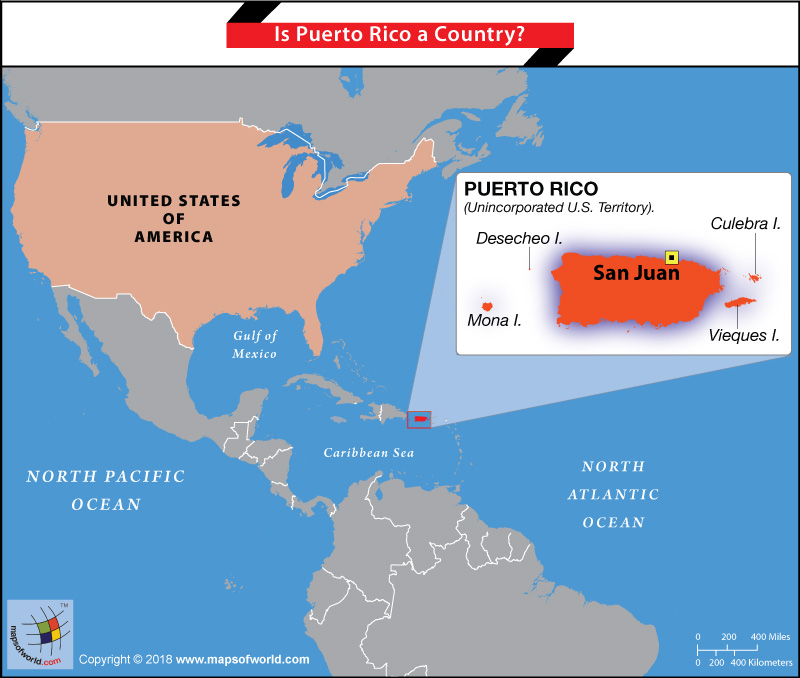
Puerto Rico, often dubbed the “Island of Enchantment,” holds a truly unique and often misunderstood place on the world stage. It’s a vibrant Caribbean gem, rich in history, culture, and natural beauty, yet it is not an independent country, nor is it a U.S. state. Instead, Puerto Rico is an unincorporated territory of the United States, a status that profoundly shapes its governance, economy, and the everyday lives of its residents. This distinctive relationship offers a fascinating blend of shared identity and distinct autonomy, creating a compelling destination for travelers and a complex reality for its people.

For those planning to explore its stunning beaches, lush rainforests, and historic cities, understanding this connection is not just a matter of political curiosity; it impacts everything from currency to travel requirements. For U.S. citizens, visiting Puerto Rico is as seamless as traveling between states, requiring no passport and utilizing the familiar U.S. dollar. For international visitors, the processes largely mirror those for entering the mainland USA. This article delves into the historical journey that forged this bond, explores the intricate political and economic facets of Puerto Rico’s status, and highlights why this relationship makes it an exceptionally appealing travel destination for diverse lifestyles and interests.
A Legacy of History: From Spain to the USA
The story of Puerto Rico’s ties to the United States is rooted in geopolitical shifts of the late 19th century. For over 400 years, the island was a colony of Spain, a period that deeply imprinted its language, religion, and cultural traditions. However, the tides of empire turned dramatically with the Spanish-American War in 1898.
The Spanish-American War and the Treaty of Paris
The brief but decisive Spanish-American War saw the United States emerge as a new global power. As part of the war’s spoils, Spain ceded Puerto Rico, along with Cuba, Guam, and the Philippines, to the United States under the terms of the Treaty of Paris signed in December 1898. This transfer marked the end of Spanish colonial rule and the beginning of Puerto Rico’s complex relationship with its new sovereign. Initially, the island was governed by a military administration, which gradually transitioned into a civilian government under U.S. federal authority.
Defining an Unincorporated Territory
Unlike territories destined for statehood, such as those that became part of the contiguous United States, Puerto Rico was designated an “unincorporated territory.” This means that while it is subject to the authority of the U.S. Congress, the full provisions of the U.S. Constitution do not automatically apply to it. This distinction, established through a series of Supreme Court cases known as the Insular Cases, has profoundly shaped Puerto Rico’s legal and political development, leaving it in a unique position that is neither fully integrated nor completely independent.
The Political and Economic Landscape of the Commonwealth
The current political status of Puerto Rico as a Commonwealth of the United States was established in 1952. This status grants the island a significant degree of local self-governance, similar to a state, but with crucial differences regarding national sovereignty and representation.
U.S. Citizenship and Rights
Perhaps one of the most significant aspects of Puerto Rico’s relationship with the USA is the grant of U.S. citizenship to Puerto Rican residents. This came about through the Jones-Shafroth Act of 1917, meaning that anyone born in Puerto Rico is a natural-born U.S. citizen. This grants them the freedom to travel and reside anywhere in the United States without immigration restrictions, significantly impacting Puerto Rico’s demographics and cultural ties to the mainland.
However, this citizenship does not come with all the same rights as those residing in the 50 states. While Puerto Ricans pay federal taxes like Social Security and Medicare, they generally do not pay federal income tax on income earned in Puerto Rico. Crucially, they cannot vote in presidential elections, although they can participate in presidential primaries. They are represented in the U.S. Congress by a Resident Commissioner who has a voice in committees but cannot vote on final legislation in the full House of Representatives. This “taxation without full representation” is a central point of debate regarding the island’s future status.
Economic Integration and Support
Economically, Puerto Rico is deeply integrated with the United States. The official currency is the U.S. dollar, and the island operates under many U.S. federal laws, including those related to environmental protection, labor, and commerce. This integration provides a stable economic framework and access to federal programs and agencies. After major natural disasters like Hurricane Maria, federal aid from organizations such as the Federal Emergency Management Agency (FEMA) and the Centers for Disease Control and Prevention (CDC) is crucial for recovery efforts, underscoring the vital, if sometimes strained, relationship.
Despite these connections, Puerto Rico’s economy faces unique challenges. Its trade relations are governed by U.S. laws, such as the Merchant Marine Act of 1920 (commonly known as the Jones Act), which requires goods shipped between U.S. ports to be on U.S.-flagged vessels. Critics argue this significantly increases the cost of living and doing business in Puerto Rico compared to its Caribbean neighbors. The island has also grappled with significant debt and economic recession, leading to ongoing discussions about its fiscal autonomy and the path forward.
Puerto Rico: An Accessible and Enthralling Travel Destination
For travelers, Puerto Rico’s status as a U.S. territory is a significant advantage, particularly for U.S. citizens. It combines the exotic appeal of the Caribbean and Latin America with the practical convenience and familiarity of a domestic trip. This makes it an ideal destination for various travel styles, from luxury escapes to budget-friendly adventures and family trips.
Seamless Travel and Familiarity
One of the greatest benefits of Puerto Rico’s territorial status is the ease of access. For U.S. citizens, a valid government-issued ID (like a driver’s license) is all that’s needed for entry, eliminating the need for a passport and simplifying international travel logistics. The use of the U.S. dollar means no currency exchange headaches, and English is widely spoken, especially in tourist areas, alongside the official language of Spanish. U.S. postal services and telecommunications are also fully operational, making it easy to stay connected. This blend of exotic culture and domestic convenience makes Puerto Rico an unparalleled choice for a stress-free Caribbean getaway.
Diverse Destinations and Unforgettable Experiences
Puerto Rico is a treasure trove of diverse attractions, offering something for every type of traveler. From historical landmarks to breathtaking natural wonders, the island captivates visitors with its rich tapestry of experiences.
Historic Charms of Old San Juan
The capital city of San Juan is a must-visit, particularly its historic walled city of Old San Juan. This UNESCO World Heritage Site is a vibrant canvas of cobblestone streets, colorful colonial architecture, and centuries-old fortresses like El Morro and Castillo de San Cristóbal. Visitors can spend days exploring the narrow alleys, browsing local artisan shops, enjoying authentic Puerto Rican cuisine in charming cafes, and immersing themselves in the island’s rich history. The blend of Spanish heritage and modern U.S. influences is palpable here, offering a unique cultural experience.
Natural Wonders: Rainforests and Bioluminescent Bays
Beyond the city, Puerto Rico boasts incredible natural diversity. El Yunque National Forest, the only tropical rainforest in the U.S. National Forest System, invites adventurers to hike its trails, discover hidden waterfalls, and marvel at its unique biodiversity. For a truly magical experience, the island is home to three of the world’s five bioluminescent bays. Mosquito Bay in Vieques is often cited as the brightest, where microscopic organisms light up the water with every movement, creating an ethereal glow. Other notable bioluminescent bays can be found in Fajardo and La Parguera.
Pristine Beaches and Water Sports
Puerto Rico is also renowned for its stunning beaches. Culebra island’s Flamenco Beach consistently ranks among the world’s best, famous for its white sands and turquoise waters. On the west coast, Rincón is a surfer’s paradise, offering fantastic waves and a laid-back vibe. Whether you’re into snorkeling, diving, paddleboarding, or simply relaxing under the sun, Puerto Rico’s coastline offers endless opportunities.
Accommodation and Lifestyle for Every Traveler
The island’s status and popularity ensure a wide array of accommodation options to suit every preference and budget. From luxurious five-star resorts to charming boutique hotels, cozy villas, and budget-friendly guesthouses, travelers will find the perfect place to stay.
Luxury and High-End Stays
For those seeking opulence, Puerto Rico delivers with world-class resorts. Properties like Dorado Beach, a Ritz-Carlton Reserve, offer unparalleled service, private beaches, and exquisite amenities, catering to a luxury travel lifestyle. In San Juan, the historic Condado Vanderbilt Hotel and the vibrant La Concha Resort provide sophisticated urban escapes with stunning ocean views and top-tier dining.
Budget-Friendly and Authentic Experiences
Budget travelers will also find plenty of options, from hostels in Old San Juan to charming guesthouses in surf towns like Rincón. The availability of major U.S. retail chains alongside local markets means travelers can manage costs effectively. Engaging with local culture, trying street food like pinchos and alcapurrias, and exploring free natural parks offer rich experiences without breaking the bank, perfectly aligning with a budget travel lifestyle.
Family Fun and Business Stays
Puerto Rico’s infrastructure, combined with its many family-friendly attractions, makes it an excellent choice for family trips. Resorts often feature kids’ clubs, multiple pools, and activities for all ages. For business stays, the island offers modern convention centers and hotels equipped with excellent facilities, supported by familiar U.S. banking and communication systems. The blend of leisure and professional amenities makes it a versatile destination for diverse travel needs.
Embracing Puerto Rican Tourism and Culture
Tourism is a vital part of Puerto Rico’s economy, and its U.S. affiliation helps promote the island as a safe, accessible, and high-quality destination. Visitors are encouraged to explore the local culture, which is a vibrant fusion of Taíno, Spanish, and African influences, seasoned with a distinct U.S. flair. Enjoying live salsa music, participating in local festivals, or simply conversing with friendly Puerto Ricans offers a deeper appreciation of the island’s unique identity.
The local cuisine is a highlight, with a rich blend of flavors and ingredients. From savory mofongo (fried plantain dish) to pernil (roasted pork) and fresh seafood, the food scene is an adventure in itself. Cooking classes and food tours are popular activities, allowing visitors to delve into the heart of Puerto Rican gastronomy.

The Future of Puerto Rico’s Status
The question of Puerto Rico’s ultimate political status remains a subject of intense debate both on the island and in Washington D.C. Over the years, several referendums have been held, with varying results reflecting the complex divisions among Puerto Ricans. The primary options discussed are:
- Statehood: Full integration into the United States as the 51st state, granting full voting rights and representation in Congress but also full federal taxation.
- Independence: Becoming a fully sovereign nation, with complete control over its own governance and foreign policy.
- Enhanced Commonwealth: Maintaining a relationship with the United States but with greater autonomy and revised terms.
Each option presents its own set of advantages and challenges, and the path forward is fraught with political, economic, and cultural considerations. Regardless of future political developments, Puerto Rico’s profound connection to the United States is an undeniable historical and contemporary reality that continues to shape its identity and global standing.
In conclusion, Puerto Rico is part of the USA as an unincorporated territory, a status born from historical events and maintained through a unique political and economic framework. This relationship grants Puerto Ricans U.S. citizenship and integrates the island into many aspects of American life, while also preserving its distinct cultural identity and local self-governance. For travelers, this means an incredibly accessible and diverse destination, offering a taste of the Caribbean and Latin America with the practical comforts of a domestic trip. Whether you’re drawn to its historical landmarks, its vibrant tourism scene, or its stunning natural beauty, Puerto Rico promises an unforgettable experience, made all the more intriguing by its one-of-a-kind connection to the United States.
LifeOutOfTheBox is a participant in the Amazon Services LLC Associates Program, an affiliate advertising program designed to provide a means for sites to earn advertising fees by advertising and linking to Amazon.com. Amazon, the Amazon logo, AmazonSupply, and the AmazonSupply logo are trademarks of Amazon.com, Inc. or its affiliates. As an Amazon Associate we earn affiliate commissions from qualifying purchases.