
Chicago, often hailed as the “Windy City,” boasts a dynamic and often dramatic climate that plays a significant role in shaping the experiences of its visitors and residents alike. Understanding Chicago’s weather is paramount for anyone planning a trip, seeking to make the most of its world-class attractions, or simply appreciating its unique atmospheric personality. From the biting winds of winter to the balmy breezes of summer, Chicago’s weather offers a spectrum of conditions that demand preparation and inspire adaptation. This guide delves into the nuances of Chicago’s climate, offering insights into each season and practical advice for navigating its ever-changing skies.
Seasonal Weather Patterns in Chicago
Chicago experiences a distinct four-season climate, with each season bringing its own set of weather phenomena. This variability is a defining characteristic of the city, influencing everything from outdoor activities to the types of events that are popular throughout the year.
Spring: A Gradual Awakening
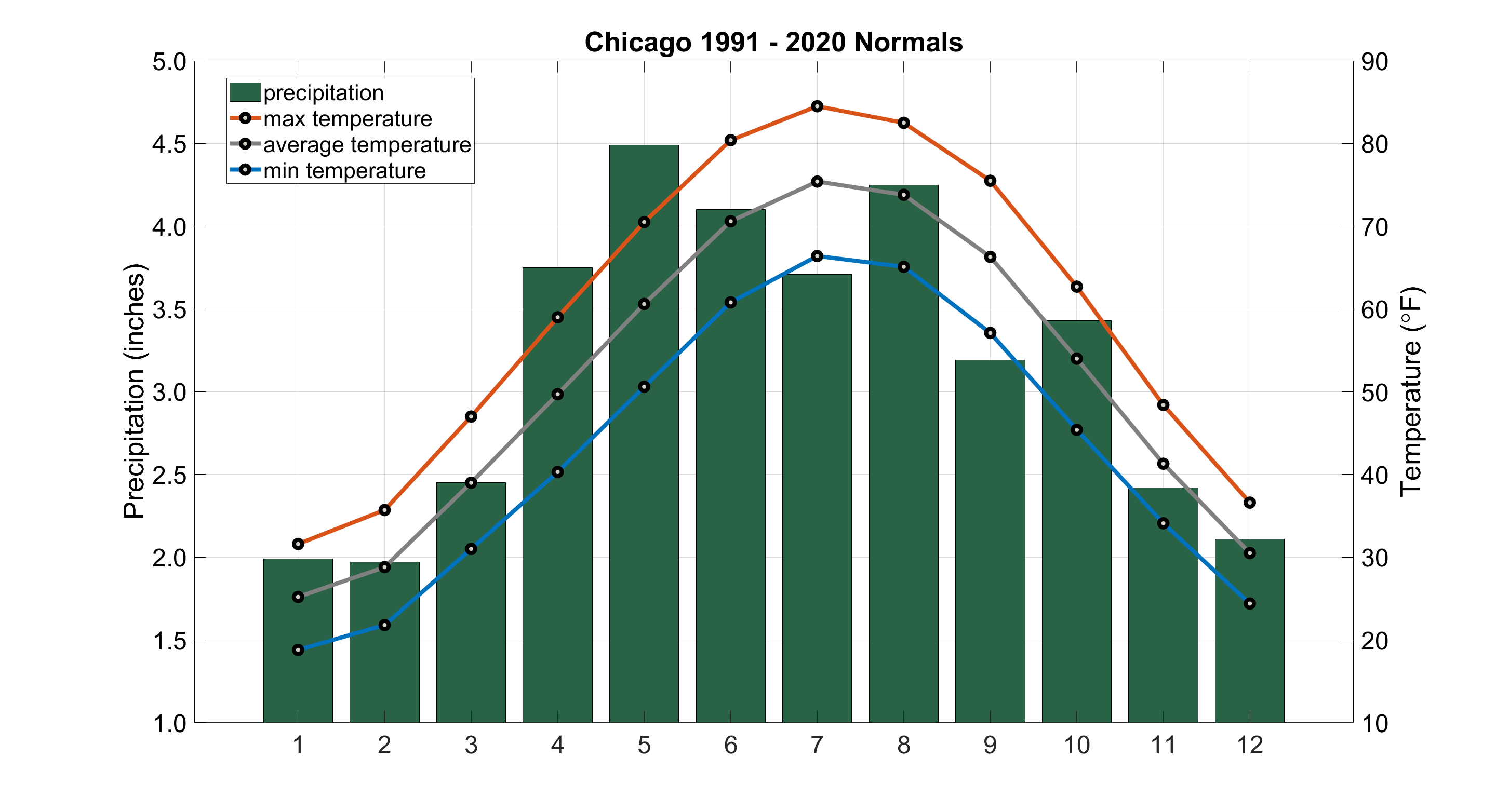
Spring in Chicago (typically March through May) is a period of transition, marked by a slow but steady warming trend. Early spring can still feel decidedly wintery, with lingering cold snaps, late snowfalls, and persistent winds. Average temperatures in March hover around the freezing mark, gradually climbing into the comfortable mid-60s Fahrenheit by May.
The most noticeable aspect of spring weather is the melting of snow and ice, leading to occasional flooding in low-lying areas. Rainfall increases as the season progresses, often arriving in the form of spring showers that can be both refreshing and disruptive. The winds, a constant companion in Chicago, often remain strong during this period, though they begin to carry the scent of renewal rather than the chill of winter. As April showers give way to May blooms, the city bursts into vibrant color, and outdoor activities begin to flourish. Parks and lakefront areas become popular destinations, offering a welcome escape from the confines of winter. However, travelers should always be prepared for unpredictable temperature fluctuations and the possibility of unseasonably cold days. Layering is key during spring in Chicago.
Summer: Warmth, Humidity, and Thunderstorms
Summer in Chicago (June through August) is generally warm to hot and humid, offering ample opportunities for enjoying the city’s extensive outdoor offerings. Average daytime temperatures typically range from the mid-70s to the low 80s Fahrenheit, though heatwaves can push temperatures significantly higher, often accompanied by oppressive humidity.
The humidity is a significant factor, making even moderately warm days feel much hotter. This can be particularly noticeable when exploring attractions like Navy Pier or strolling through Millennium Park. The proximity of Lake Michigan does provide a moderating influence, often bringing cooling lake breezes, especially along the shoreline. However, these breezes can sometimes be fleeting, and inland areas may feel considerably warmer.
Summers are also characterized by the possibility of thunderstorms. These storms can develop rapidly, bringing heavy rain, lightning, and strong winds. While often short-lived, they can impact outdoor plans. Visitors should stay informed about weather forecasts, especially when engaging in activities like baseball games at Wrigley Field or attending outdoor festivals. Despite the occasional downpour, summer is a peak tourist season, with the city buzzing with energy and a plethora of events and activities. The long daylight hours further enhance the appeal of this vibrant season.
Autumn: Crisp Air and Beautiful Foliage
Autumn in Chicago (September through November) is widely regarded as one of its most pleasant seasons. The summer heat and humidity give way to crisp, cool air, and the landscape transforms into a breathtaking display of fall colors. September often retains some of the warmth of summer, with average temperatures in the 60s Fahrenheit. As October progresses, temperatures cool significantly, dropping into the 40s and 50s Fahrenheit, and by November, winter’s chill begins to return.
The winds, while still present, often feel refreshing rather than biting, carrying the scent of fallen leaves. Rainfall is generally moderate, and the skies are often a clear, brilliant blue, providing excellent visibility for admiring the city’s renowned architecture, such as the Willis Tower. The fall foliage in Chicago’s many parks, including Lincoln Park, is a major draw for both locals and tourists. This season is ideal for exploring the city on foot, enjoying leisurely bike rides along the lakefront, or visiting outdoor markets. However, it’s essential to be prepared for cooler temperatures, especially in the evenings, and to pack layers. The transition from September to November can be quite dramatic, so checking the forecast is always advisable.
Winter: A Season of Snow and Ice

Winter in Chicago (December through February) is undeniably cold, often harsh, and frequently snowy. This season is defined by freezing temperatures, strong winds, and significant snowfall, creating a starkly beautiful, albeit challenging, urban landscape. Average temperatures consistently hover below freezing, with daytime highs rarely rising above 32 degrees Fahrenheit and nighttime lows plunging much further.
The infamous Chicago winds can reach gale-force strength during winter, creating a significant wind chill factor that makes the air feel much colder than the thermometer indicates. Snowfall is common, and accumulations can range from light dustings to heavy blizzards. When snow accumulates, the city transforms into a winter wonderland, with the Magnificent Mile adorned with festive lights and the frozen expanse of Lake Michigan presenting a dramatic spectacle. Outdoor activities are curtailed, with the focus shifting to indoor pursuits, such as visiting world-class museums like the Art Institute of Chicago, enjoying Broadway shows, or indulging in the city’s culinary scene. Despite the cold, winter in Chicago offers a unique charm, particularly around the holiday season. Visitors must be extremely well-prepared for the cold, with heavy coats, hats, gloves, and waterproof footwear being essential.
Factors Influencing Chicago’s Weather
Chicago’s weather is a product of its geographical location and the interplay of various atmospheric forces. Understanding these influences provides a deeper appreciation for the city’s climate.
Proximity to Lake Michigan
The presence of Lake Michigan is perhaps the most significant factor shaping Chicago’s weather. The vast body of water acts as a moderating influence on temperature, especially in the summer. Lake breezes can provide welcome relief from the heat along the shoreline, creating microclimates within the city. Conversely, in the spring and fall, the lake can retain cold air, leading to cooler temperatures near the water’s edge.
During winter, the lake can contribute to lake-effect snow, where cold air masses moving over the relatively warmer lake water pick up moisture and deposit snow on downwind areas, often impacting the eastern parts of the city and its suburbs. In summer, evaporation from the lake can increase humidity levels, contributing to the muggy conditions experienced during heatwaves. The lake’s influence is a constant presence, making Chicago’s weather a dynamic interplay between continental and maritime influences.
Continental Location and Air Masses
Chicago’s location deep within the North American continent exposes it to a wide variety of air masses. It is frequently influenced by cold, dry Arctic air masses moving south from Canada during winter, bringing frigid temperatures and heavy snowfall. In contrast, warm, moist air masses from the Gulf of Mexico can dominate during the summer, leading to hot and humid conditions and fueling thunderstorms.
The city’s position in the path of these continental air masses means that rapid temperature swings are common. A warm spell can be abruptly replaced by a cold front, or vice-versa, sometimes within a matter of hours. This constant influx and interaction of different air masses contribute to Chicago’s reputation for unpredictable weather. The city is also located within “tornado alley,” though the most severe tornado activity typically occurs further west. Nevertheless, severe weather events, including thunderstorms and strong winds, are a recurring feature of Chicago’s climate, particularly during the spring and summer months.
Preparing for Chicago’s Weather
Regardless of the season, being prepared for Chicago’s weather is key to enjoying your visit. A little foresight can make the difference between a memorable trip and one hampered by the elements.
Packing Essentials by Season
- Spring: Layers are crucial. Pack t-shirts, long-sleeved shirts, a sweater or fleece, and a waterproof and windproof jacket. Comfortable walking shoes are a must, and don’t forget an umbrella. Lighter pants and perhaps even shorts for warmer days, but always have a fallback.
- Summer: Light, breathable clothing is ideal. Pack shorts, t-shirts, sundresses, and a light jacket or cardigan for cooler evenings or air-conditioned interiors. Swimwear is essential if you plan to visit the lakefront beaches or hotel pools. Sunscreen, sunglasses, and a hat are highly recommended due to the strong sun.
- Autumn: Similar to spring, layers are essential. Pack a mix of warmer and lighter clothing. Think sweaters, long-sleeved shirts, jeans, and a medium-weight jacket. A scarf and gloves might be useful for later in the season. Comfortable walking shoes are still a priority.
- Winter: This is the season for serious warmth. Pack thermal undergarments, warm sweaters, insulated pants, and a heavy, waterproof, and windproof winter coat. A warm hat that covers the ears, waterproof gloves or mittens, and insulated, waterproof boots are absolutely essential. Scarves are highly recommended to protect your face from the wind.

Staying Informed and Flexible
The most important piece of advice for anyone visiting Chicago is to stay informed about the weather forecast. Utilize reliable weather apps and websites before and during your trip. Be prepared to be flexible with your itinerary. A planned outdoor excursion might need to be swapped for an indoor museum visit if a storm rolls in, or an unexpectedly warm day might be the perfect opportunity to explore the lakefront. Embrace the dynamism of Chicago’s weather; it’s part of what makes the city so unique and exciting.
LifeOutOfTheBox is a participant in the Amazon Services LLC Associates Program, an affiliate advertising program designed to provide a means for sites to earn advertising fees by advertising and linking to Amazon.com. Amazon, the Amazon logo, AmazonSupply, and the AmazonSupply logo are trademarks of Amazon.com, Inc. or its affiliates. As an Amazon Associate we earn affiliate commissions from qualifying purchases.