
Maine Coon cats, often hailed as the “gentle giants” of the feline world, are renowned for their impressive size, luxurious coats, and amiable personalities. While their striking appearance might suggest a wild ancestry, these magnificent creatures are purebred domestic cats with a rich history rooted in the rugged landscape of Maine. Understanding their size is key to appreciating their grandeur and providing them with the appropriate care and environment, especially for travelers who might encounter them in various settings, from cozy inns in New England to larger homes in bustling cities.
Physical Dimensions and Growth Patterns
The sheer size of a Maine Coon is one of their most defining characteristics. These cats are not merely large; they are substantial. Their growth is notably slower than that of many other cat breeds, meaning they reach their full magnificent stature over a longer period.

Weight and Length
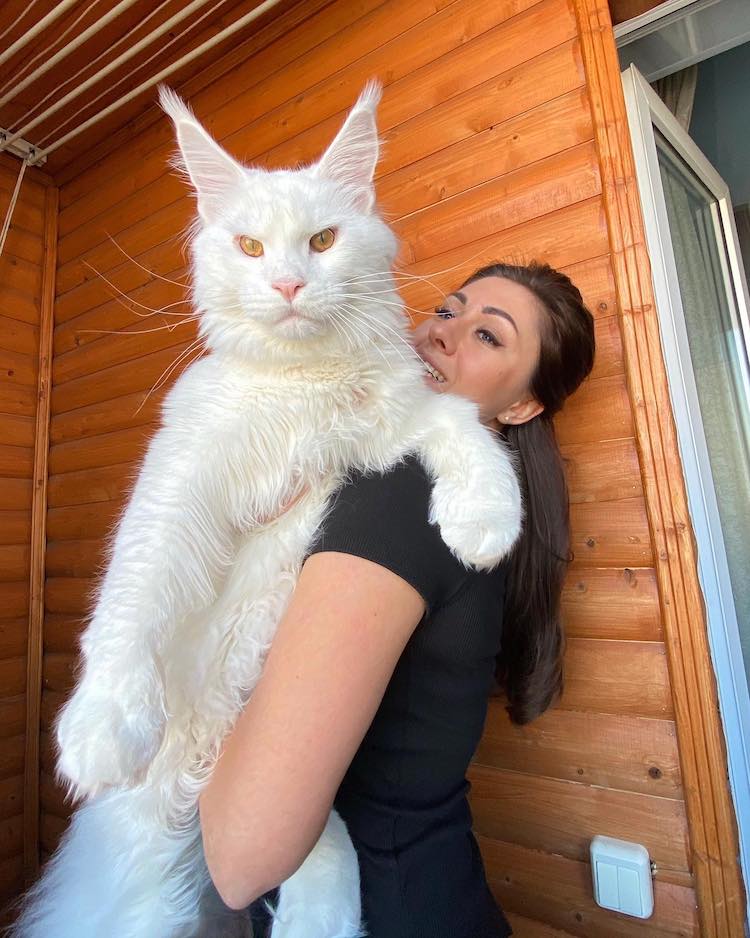
On average, male Maine Coons typically weigh between 15 to 25 pounds, with some individuals exceeding 30 pounds. Females, while generally smaller, are still considerable, usually weighing between 10 to 15 pounds. These are averages, and exceptional individuals can fall outside these ranges. Their length, from the tip of their nose to the end of their tail, can be astonishing. A mature male can measure up to 40 inches from nose to tail, a testament to their robust build. This impressive length, combined with their substantial weight, makes them one of the largest domesticated cat breeds. This size can be a charming feature for guests staying at a boutique hotel where a resident Maine Coon might greet them, or in a private villa where their presence adds a touch of regality.
Height and Stature
While length is impressive, their height at the shoulder is also noteworthy. Adult Maine Coons typically stand around 10 to 16 inches tall at the shoulder. This considerable height, coupled with their broad chests and muscular bodies, gives them a commanding and robust presence. They don’t possess the slender, lithe build of some Oriental breeds; instead, they are built for substance and strength, much like the hardy inhabitants of the region they are named after. Their stature makes them a compelling sight, whether they are perched on a windowsill overlooking a coastal view or exploring the grounds of a sprawling resort.
Growth Timeline
Unlike many breeds that reach their adult size within their first year, Maine Coons continue to develop for a significantly longer period. Kittens are born at a normal size for their age, but their rapid growth phase extends well into their second year. It is not uncommon for a Maine Coon to continue filling out and gaining muscle mass until they are three to five years old. This prolonged growth period is crucial for understanding their nutritional needs and ensuring they receive the appropriate diet to support their development without becoming overweight. For those managing short-term stays or long-term rentals, understanding this gradual maturation can help in appreciating the evolving presence of these magnificent felines.
Coat and Tail: Contributing to the Impression of Size
While the Maine Coon’s muscular build contributes significantly to their large size, their distinctive coat and tail play a crucial role in enhancing their overall impressive appearance.
The Luxurious Fur
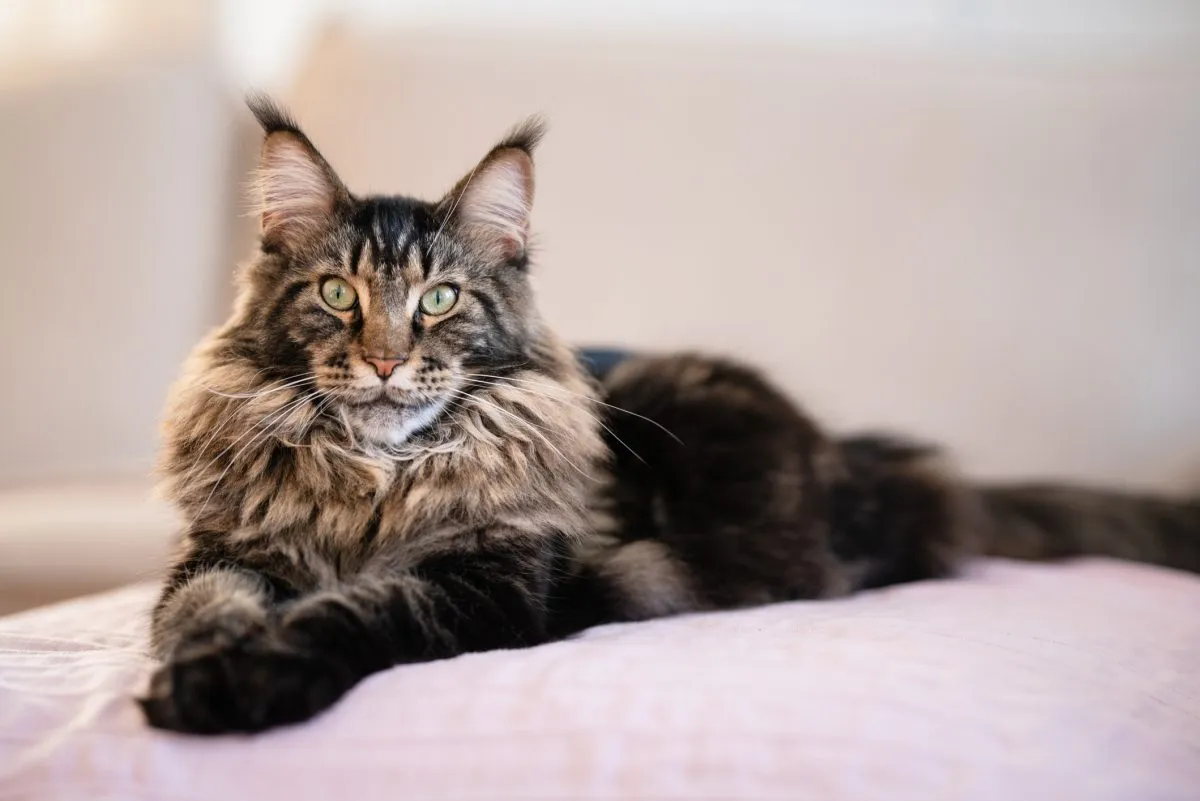
Maine Coons are blessed with a thick, shaggy, and water-repellent coat that is longer on their underside and shorter on their shoulders. This dense fur, particularly during the winter months, can make them appear even larger than they are. The fur provides insulation against the harsh New England winters from which they originated and also adds to their majestic silhouette. The texture varies from silky to slightly coarser, and the coat requires regular grooming to prevent matting. This luxuriant mane and ruff around their neck further accentuate their impressive frame, making them look even more formidable and regal. This is a feature that often captivates visitors at country inns or while exploring local attractions where these cats might be found.
The Signature Tail
No description of a Maine Coon’s size would be complete without mentioning their magnificent tail. It is exceptionally long and bushy, often described as a “raccoon-like” tail, hence the association with the state’s nickname. The tail is almost as long as their body and is covered in long, flowing fur. When a Maine Coon is relaxed, they often drape this impressive tail around themselves like a warm blanket, further enhancing their substantial appearance. This impressive appendage is not just for show; it aids in balance and also provides extra warmth in cold weather. It’s a visual cue that immediately sets them apart and contributes significantly to the perception of their overall size, a feature that can add to the charm of a family-friendly resort or a historic homestead.
Comparison with Other Breeds and Factors Influencing Size
To truly grasp the magnitude of Maine Coons, it is helpful to compare them with other popular cat breeds and to understand the genetic and environmental factors that influence their size.
A Breed Apart
When placed alongside breeds like the Siamese or the Abyssinian, the difference in size is striking. These breeds are typically slender, elegant, and much smaller. Even compared to other larger breeds, such as the Norwegian Forest Cat (another breed with a similar robust build and ancient origins), the Maine Coon often holds its own in terms of sheer mass and length. The Ragdoll, another large breed, is known for its size and docile nature, but Maine Coons often surpass them in length and raw volume. The comparison highlights the Maine Coon’s unique genetic makeup, which has favored robust development. This comparison is often made by enthusiasts and prospective owners who might be visiting cat shows or breeders’ facilities across North America.
Genetic Predisposition
The Maine Coon’s impressive size is primarily a result of their genetic heritage. Bred in the harsh climate of Maine, their ancestors likely developed larger, hardier bodies to survive the elements. Over generations, selective natural selection favored larger, more robust cats capable of hunting effectively and withstanding cold temperatures. Responsible breeders aim to preserve these genetic traits, focusing on health and temperament alongside size. This dedication to breed standards ensures that the characteristic large size of the Maine Coon is maintained and celebrated. This genetic legacy is something that enthusiasts actively seek when visiting breed-specific events or looking for a companion in rural retreats.
Environmental and Nutritional Influences
While genetics lay the foundation for a Maine Coon’s size, environmental factors and nutrition play a crucial role in their development. A balanced diet rich in protein and essential nutrients is vital for supporting their long growth period. Overfeeding, especially during kittenhood, can lead to obesity, which can mask their true frame and lead to health issues. Conversely, inadequate nutrition can stunt their growth. Providing a stimulating environment that encourages natural activity also contributes to their muscular development. For travelers who might be house-sitting or staying in pet-friendly accommodations, understanding these dietary and environmental needs is important for any feline resident, particularly a breed as substantial as the Maine Coon. This insight is valuable for those enjoying extended stays in various residential areas.
Appreciating the Gentle Giant: Size in Context
The impressive size of Maine Coons is not just a physical attribute; it’s an integral part of their charm and their historical context. Understanding their dimensions allows for a greater appreciation of their presence, whether encountered in a domestic setting or as a beloved mascot of a charming establishment.
A Majestic Presence
A fully grown Maine Coon is a truly majestic sight. Their considerable size, combined with their striking features – tufted ears, bushy tails, and expressive eyes – gives them an almost regal aura. This imposing presence is balanced by their famously gentle temperament, earning them the “gentle giant” moniker. They are known for being curious, playful, and affectionate companions, often forming strong bonds with their human families. Their size makes them feel substantial and reassuring, a comforting presence in any home or even in a quiet corner of a welcoming bed and breakfast.
Practical Considerations for Travelers and Owners
For travelers who might encounter Maine Coons, their size is simply part of their captivating allure. For potential owners, understanding their dimensions is crucial for providing adequate space, appropriate furniture (like large scratching posts and sturdy cat trees), and suitable bedding. Their robust build means they require more food than smaller breeds, and their longer lifespan means they are a long-term commitment. This understanding is vital for anyone considering bringing one of these magnificent felines into their lives, or for those who might be responsible for their care during a holiday period or business trip. The sheer presence of a Maine Coon can transform a typical dwelling into a more engaging and characterful space, a delightful surprise for any visitor exploring new locales.
The Enduring Appeal
The enduring appeal of the Maine Coon lies in its unique combination of impressive size, stunning looks, and endearing personality. They are not just pets; they are companions that embody a sense of natural grandeur and quiet strength. Whether you are admiring one in a photographic exhibit or encountering one on a leisurely stroll through a historic village, their size is always a talking point, a testament to the extraordinary diversity within the domestic cat world. Their presence adds a unique dimension to any experience, from a brief encounter at a local farmers market to a prolonged stay in a welcoming community.
LifeOutOfTheBox is a participant in the Amazon Services LLC Associates Program, an affiliate advertising program designed to provide a means for sites to earn advertising fees by advertising and linking to Amazon.com. Amazon, the Amazon logo, AmazonSupply, and the AmazonSupply logo are trademarks of Amazon.com, Inc. or its affiliates. As an Amazon Associate we earn affiliate commissions from qualifying purchases.