
The question “How large is Alaska?” often conjures images of vast, untamed wilderness, but the true scale of the United States’ largest state is astonishing and profoundly impacts every aspect of travel, tourism, and lifestyle within its borders. Alaska is not just big; it’s a colossal landmass that dwarfs many countries and offers an unparalleled range of experiences, from bustling city life to remote, untouched wilderness. Its immense size dictates everything from the logistics of reaching its attractions to the types of accommodations available and the unique local culture one encounters. For any traveler planning an Alaskan adventure, comprehending its sheer magnitude is the first, most crucial step in crafting a memorable itinerary. This article delves into the staggering dimensions of Alaska, exploring how its scale shapes the travel experience, the diverse accommodations it offers, and the unforgettable landmarks that define this truly epic destination.
The Staggering Scale of the Last Frontier
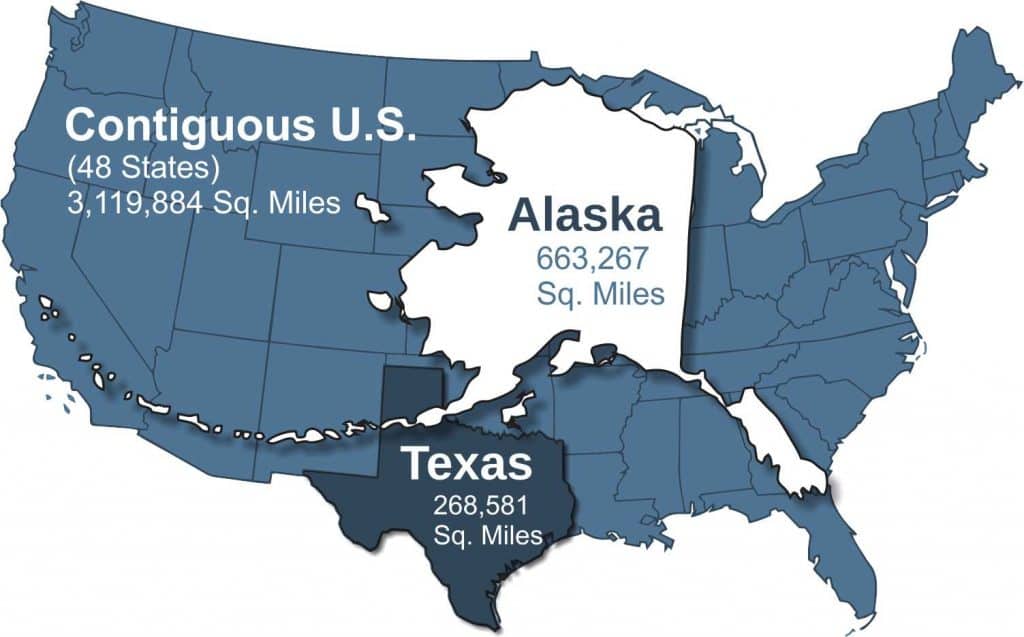
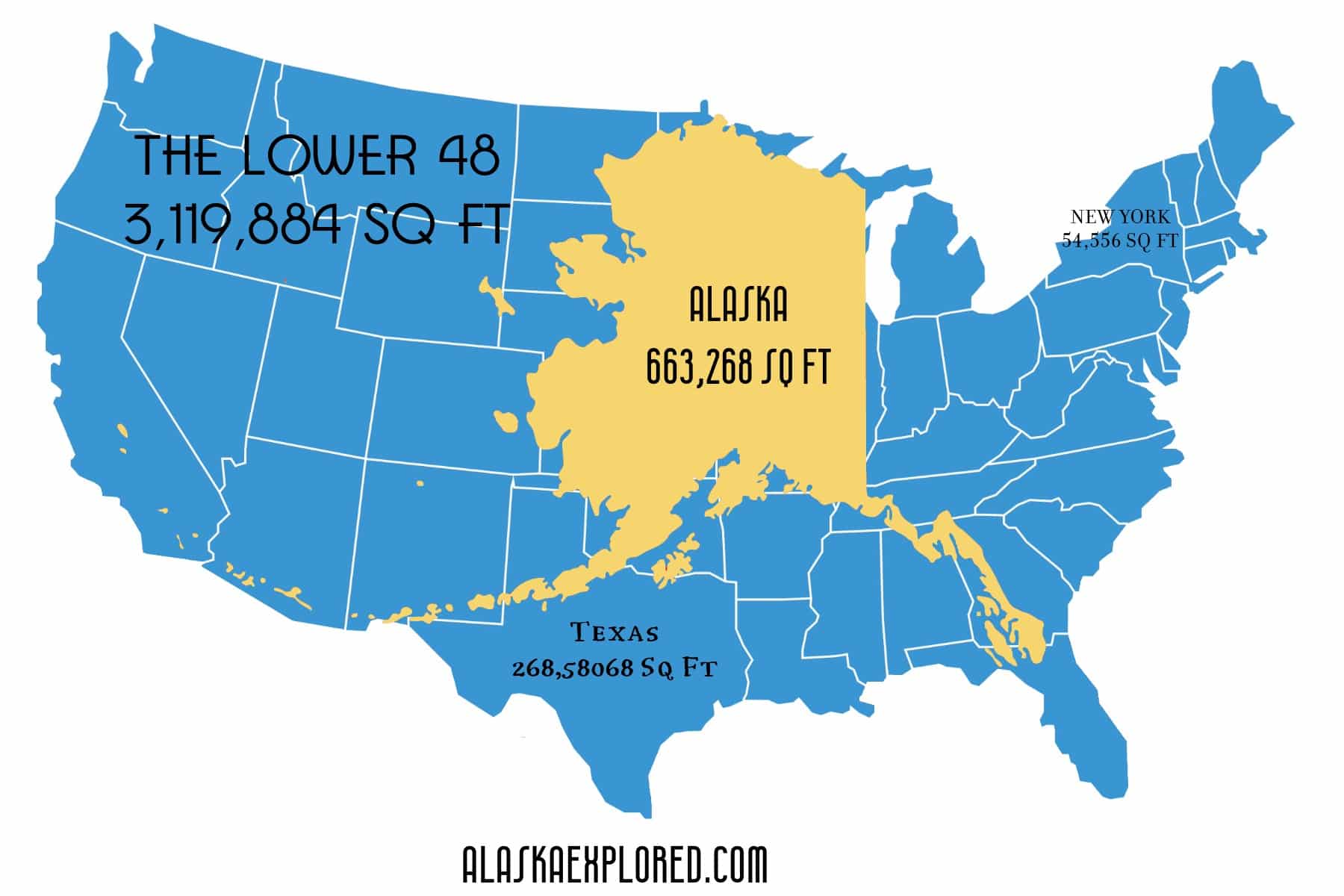
To truly grasp the size of Alaska is to redefine one’s understanding of “large.” Covering an astounding 665,384 square miles (1,723,337 square kilometers), it is significantly larger than the next three largest U.S. states combined: Texas, California, and Montana. If superimposed on the continental United States, Alaska would stretch from California to Florida and from Canada to Mexico, encapsulating nearly a quarter of the entire nation’s landmass. This immense territory accounts for approximately 18% of the total area of the United States.
Beyond land area, Alaska boasts an unparalleled coastline. Its shoreline, including islands, spans approximately 33,904 miles (54,563 kilometers) – more than all other U.S. states combined. This expansive coastline touches three major bodies of water: the Pacific Ocean to the south, the Arctic Ocean to the north, and the Bering Sea to the west. This geographical diversity gives rise to an incredible array of ecosystems, from temperate rainforests in Southeast Alaska to vast tundra plains in the Arctic, and towering mountain ranges in Southcentral Alaska and the Interior.
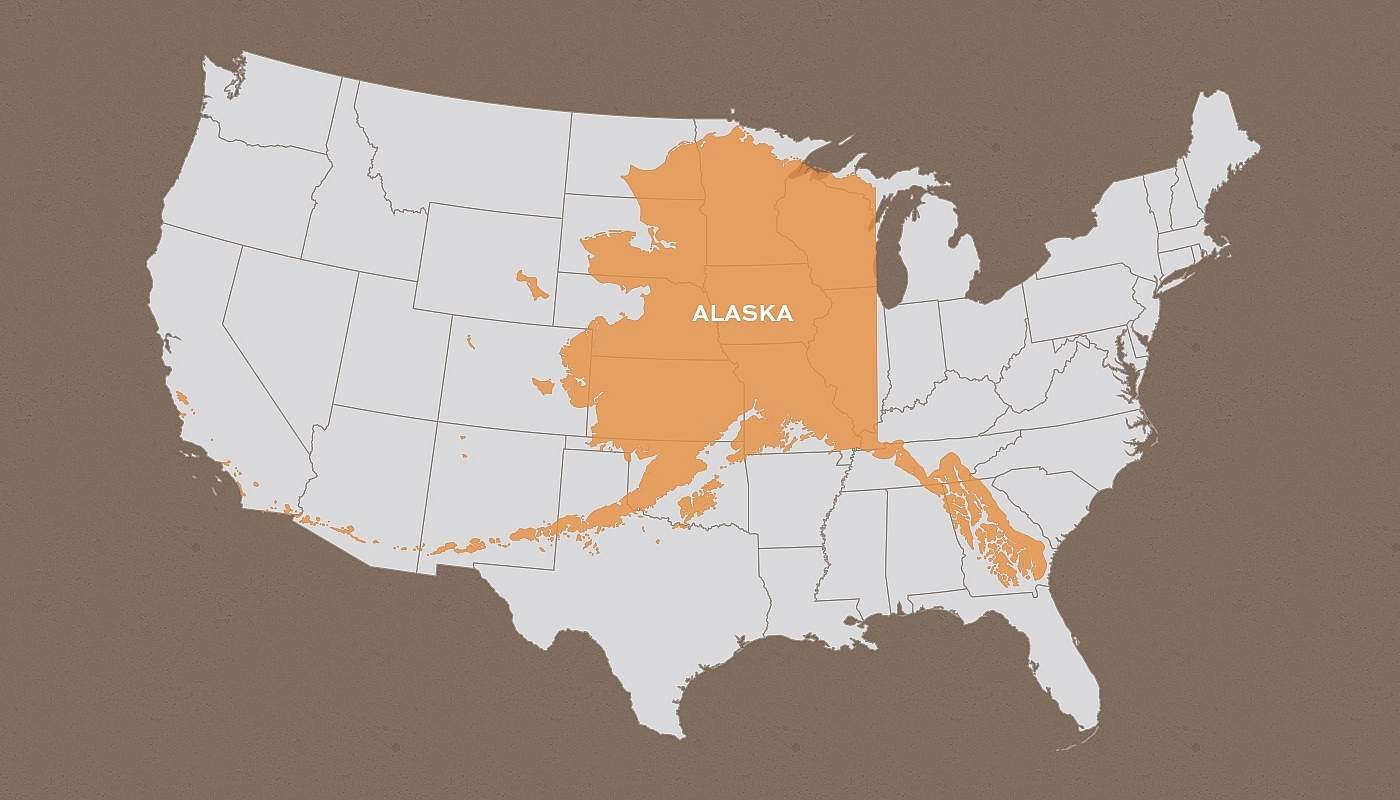
The state is home to 17 of the 20 highest peaks in the United States, including Mount Denali, North America’s tallest mountain, rising to 20,310 feet (6,190 meters). Alaska also contains over 100,000 glaciers, covering roughly 29,000 square miles (75,000 square kilometers), and 3 million lakes. The sheer number and scale of its national parks, forests, and wildlife refuges are testament to its magnitude. For instance, Wrangell-St. Elias National Park and Preserve alone is larger than Switzerland and is the largest national park in the United States. This incredible geographical diversity translates into a myriad of unique destinations and attractions, each offering distinct experiences for the intrepid traveler. Understanding this unparalleled vastness is crucial for appreciating the logistical challenges and boundless rewards of an Alaskan journey.
Navigating Alaska’s Expansive Landscapes: Travel and Logistics
The sheer size of Alaska fundamentally shapes how travelers explore its wonders, making travel guides and strategic planning indispensable. Distances that would be multi-state journeys elsewhere are often just trips between Alaskan towns or landmarks. This requires a flexible and often multi-modal approach to transportation, turning the journey itself into a significant part of the adventure.
Modes of Exploration Across a Giant State
Given the scale, conventional road travel, while scenic, is often insufficient for covering large swathes of Alaska. Many regions, particularly the northern and western parts of the state, are completely inaccessible by road, requiring air or water transport.
Air Travel: For many, small aircraft, including bush planes, are the lifeblood of Alaskan travel, providing access to remote villages, wilderness lodges, and backcountry national parks like Gates of the Arctic National Park and Preserve or Katmai National Park and Preserve. These flights offer breathtaking aerial views and an unparalleled sense of adventure, truly embodying the spirit of Alaskan experiences.
Cruises: For Southeast Alaska’s iconic Inside Passage, cruises are the most popular mode of transport, allowing travelers to effortlessly explore coastal towns like Juneau, Ketchikan, Sitka, and Skagway, and witness stunning glaciers like Mendenhall Glacier and the majestic Glacier Bay National Park and Preserve. These vessels often serve as floating hotels, offering a blend of comfort and continuous scenic views.
Road Trips: While limited, road trips along routes like the Alaska Highway or the scenic Seward Highway offer access to major cities such as Anchorage and Fairbanks, and popular destinations like Denali National Park and the Kenai Peninsula. These journeys require significant driving time, highlighting the vast distances involved, but reward travelers with incredible roadside wildlife viewing opportunities and panoramic vistas.
Rail Travel: The historic Alaska Railroad provides a comfortable and scenic alternative, connecting Seward and Anchorage to Fairbanks, with a stop near Denali National Park. It offers a unique vantage point to absorb the expansive Interior Alaska landscapes without the need for driving.
Planning Your Alaskan Adventure: Time and Itinerary
The sheer size of Alaska means that a single trip, even an extended one, can only realistically cover a fraction of its wonders. This necessitates careful planning and realistic expectations, allowing travelers to select regions and activities that align with their interests and time constraints.
Focus on Regions: Most travelers choose to focus on one or two distinct regions per visit – for example, a Southeast Alaska cruise combined with a land tour of Southcentral Alaska (e.g., Anchorage and Denali). Attempting to traverse the entire state in a short timeframe can lead to exhaustion and a superficial experience.
Seasonal Considerations: Alaska’s vastness also means varied climates and optimal visiting seasons. While summer offers long daylight hours and access to most areas, winter provides unique experiences like Northern Lights viewing, dog sledding, and the Iditarod Trail Sled Dog Race, albeit with fewer accessible roads and services.
Budget and Lifestyle Alignment: Planning for Alaska also involves considering the cost implications of long-distance travel and specialized tours. Budget travel in Alaska often means more self-sufficiency, camping, or staying in smaller, family-run lodges, while luxury travel might involve private charters and high-end resorts. Regardless of the approach, the scale of Alaska ensures that strategic itinerary planning is paramount for a fulfilling adventure.
Accommodation and Lifestyle: Finding Your Niche in the Wilderness
The expansive geography of Alaska is directly reflected in the diversity of its accommodation options, catering to every imaginable lifestyle and travel preference. From urban centers to the deepest wilderness, the state offers a unique blend of comfort, adventure, and immersion in nature, ensuring that every visitor finds their perfect base for exploration.
From Cozy Cabins to Luxury Lodges: Diverse Stays
Alaska’s vastness means that accommodations are not merely places to sleep but integral parts of the overall travel experience.
Urban Hotels and Resorts: In cities like Anchorage and Fairbanks, travelers can find a range of traditional hotels, from budget-friendly options to luxury resorts offering modern amenities and convenient access to urban attractions and transportation hubs. These often serve as excellent starting points or concluding stops for broader Alaskan itineraries.
Wilderness Lodges and Cabins: For those seeking true immersion in Alaska’s natural beauty, wilderness lodges are a quintessential choice. Often accessible only by small aircraft or boat, these resorts are typically nestled in stunning, remote locations, offering unparalleled access to wildlife viewing, fishing, hiking, and kayaking. Many provide all-inclusive packages, combining accommodation, food, and guided activities. From rustic, cozy cabins in a national forest to upscale, eco-conscious suites with panoramic views of glaciers, the options are diverse. Reviews often highlight the unique sense of serenity and adventure these remote stays provide.
Apartments and Villas: For longer stays or family trips, especially in larger towns, self-catering apartments or villas can offer a home-away-from-home experience, allowing travelers to embrace a more local lifestyle and prepare their own food.
Camping and RV Parks: Embracing the spirit of the outdoors, camping and RV parks are prevalent, particularly in state parks and along major highways. This budget travel option allows travelers maximum flexibility and proximity to nature, often with stunning views and opportunities for wildlife encounters. Many campsites are strategically located near popular landmarks or trailheads. The option for long-term stays in these parks also appeals to those seeking extended exploration.
Immersive Experiences: Local Culture and Culinary Delights Amidst Vastness
Alaska’s sheer size doesn’t just impact where you sleep; it profoundly influences the local culture, food, and activities available, offering truly immersive tourism experiences.
Regional Diversity: The vastness of the state means that different regions have distinct local cultures shaped by geography and indigenous heritage. In Southeast Alaska, Tlingit, Haida, and Tsimshian cultures are prominent, reflected in art, dance, and storytelling in towns like Juneau and Sitka. In the Arctic, the Inupiat traditions thrive, influencing local food and communal gatherings in places like Nome. This regional diversity offers a rich tapestry of human experience to explore.
Wild-Caught Food: Alaskan cuisine is defined by its pristine natural resources. Given the extensive coastline and countless rivers, wild-caught salmon, halibut, cod, and king crab are staples, found fresh in every restaurant from Anchorage to remote lodges. Berry picking (blueberries, cranberries, salmonberries) is a popular summer activity, and game meats like caribou and moose feature in traditional dishes. The immense landscape allows for sustainable harvesting, ensuring the quality and availability of these unique culinary delights.
Nature-Based Activities: Alaska’s size allows for an unparalleled range of nature-based activities. From world-class fishing in remote rivers to bear viewing tours in Katmai National Park and Preserve, glacier trekking on the Mendenhall Glacier, or kayaking through the fjords of Prince William Sound or Kenai Fjords National Park, the options are limitless. The vastness provides ample space for these activities to unfold without overcrowding, ensuring an authentic and deeply personal connection with the wilderness. Tips for engaging in these activities often emphasize respecting the environment and planning for remote conditions.
Iconic Landmarks Forged by Immense Scale
Alaska’s sheer magnitude has sculpted some of the world’s most breathtaking and significant landmarks. These natural wonders are not just visually stunning; their scale deeply impacts regional ecosystems, supports diverse wildlife, and offers unparalleled opportunities for exploration, embodying the essence of Alaska’s grandeur. Each landmark stands as a testament to the powerful geological and climatic forces that have shaped this vast state.
Denali National Park and Preserve: Home to Mount Denali, the highest peak in North America, this park encompasses 6 million acres of pristine wilderness. Its vastness protects a complete subarctic ecosystem, allowing for incredible wildlife viewing of grizzly bears, wolves, moose, and caribou in their natural habitat. The limited road access further emphasizes its remoteness, making visits an exclusive experience deeply connected to the wild. The sheer size of the park means that even at its busiest, visitors can find solitude and profound connection with nature.
Glacier Bay National Park and Preserve: A UNESCO World Heritage Site in Southeast Alaska, Glacier Bay sprawls over 3.3 million acres, dominated by tidewater glaciers that calve massive icebergs into the bay. The dramatic landscape showcases ongoing glacial retreat and advance, a living laboratory of geological change. Its immense size protects an incredible array of marine life, including humpback whales, orcas, sea lions, and sea otters, making it a prime destination for wildlife photography and boat tours.
Wrangell-St. Elias National Park and Preserve: As the largest national park in the United States at 13.2 million acres, Wrangell-St. Elias is six times the size of Yellowstone National Park. It is a convergence of four major mountain ranges, including nine of the 16 highest peaks in the United States. Its architecture of ice and rock defines a rugged wilderness, offering extreme outdoor activities like mountaineering, glacier hiking, and remote backcountry camping. The vastness of this park ensures that adventure knows no bounds, with endless unexplored valleys and untouched peaks.
Kenai Fjords National Park: Located near Seward on the Kenai Peninsula, this 669,984-acre park is famous for its dramatic fjords, carved by glaciers flowing from the massive Harding Icefield, one of only four remaining icefields in the United States. Boat tours are popular, offering close-up views of calving glaciers and abundant marine wildlife. The park’s accessibility, combined with its profound natural beauty and geological significance, makes it a must-see.
Chugach National Forest: Spanning 5.4 million acres across Southcentral Alaska, the Chugach is the second-largest national forest in the United States and encompasses a diverse range of landscapes, including temperate rainforests, glaciers, and coastal environments. It’s a popular spot for hiking, fishing, and wildlife viewing, easily accessible from Anchorage and providing a wild escape close to urban centers.
Arctic National Wildlife Refuge (ANWR): At 19.2 million acres, ANWR is the largest wildlife refuge in the United States. It protects one of the most untouched wilderness areas in the world, home to polar bears, caribou, musk oxen, and an incredible array of migratory birds. Its remote location in Arctic Alaska makes it a destination for truly adventurous travelers seeking an unparalleled connection to raw nature. The sheer scale allows for natural processes to unfold undisturbed, making it a critical habitat for numerous species.
These landmarks, among countless others, are not merely points on a map but vast, living examples of Alaska’s immense size and pristine natural history. Their grandeur is directly proportional to the state’s colossal dimensions, offering endless possibilities for discovery and adventure that are truly unique to the Last Frontier.
In conclusion, the question “How large is Alaska?” is answered not just with a statistic, but with a profound understanding of how its epic scale shapes every journey, every stay, and every memorable moment within its borders. Alaska’s vastness is its defining characteristic, influencing the incredible diversity of its destinations, the intricate logistics of its travel, the unique range of accommodations, and the unparalleled grandeur of its landmarks. For adventurers, nature lovers, and cultural explorers alike, Alaska offers a truly colossal canvas upon which to paint unforgettable experiences, making every trip a journey of discovery in the largest and wildest state in the United States.
LifeOutOfTheBox is a participant in the Amazon Services LLC Associates Program, an affiliate advertising program designed to provide a means for sites to earn advertising fees by advertising and linking to Amazon.com. Amazon, the Amazon logo, AmazonSupply, and the AmazonSupply logo are trademarks of Amazon.com, Inc. or its affiliates. As an Amazon Associate we earn affiliate commissions from qualifying purchases.