
Welcome to the Lone Star State, a land of vast landscapes, vibrant cities, and a rich tapestry of culture that beckons travelers from around the globe. Whether you’re planning a trip to immerse yourself in the live music scene of [Austin], explore the historic charm of [San Antonio], or enjoy the coastal breezes of [Galveston], understanding local customs and regulations is key to a seamless experience. Among the most common questions for visitors and new residents alike is, “How late can you buy alcohol in [Texas]?” The answer, as with many things in this diverse state, is nuanced, depending on the type of alcohol, where you’re buying it, and even the day of the week.
Navigating [Texas]’s Alcohol Sales Landscape
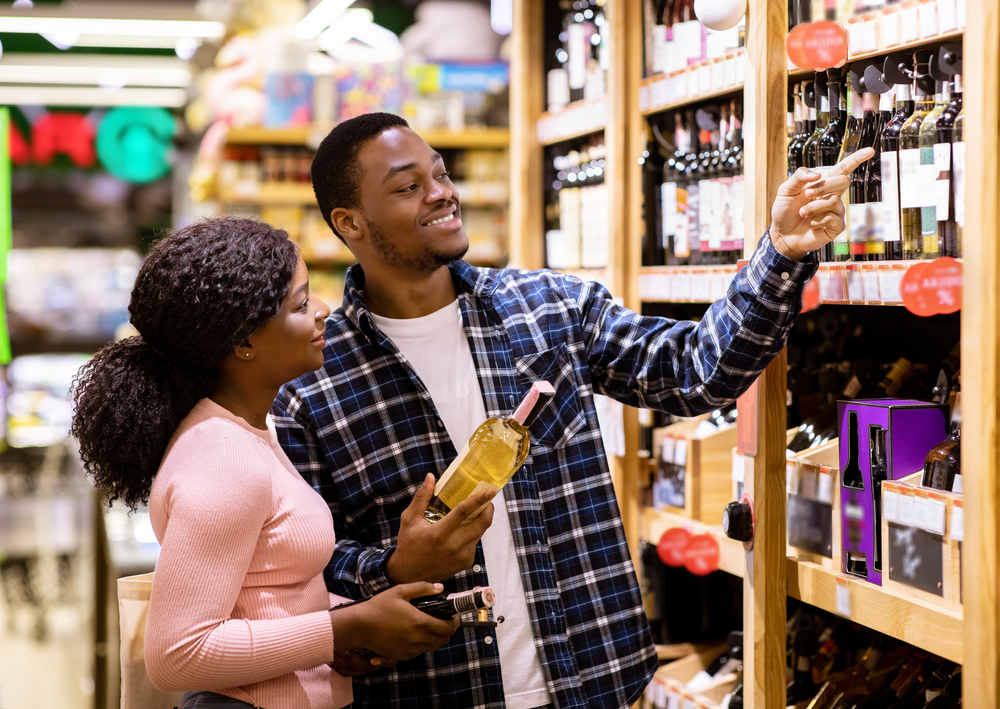
The ability to purchase alcohol in [Texas] is largely dictated by whether you’re buying it for consumption off-premise (e.g., at a grocery store or liquor store to take home) or on-premise (e.g., at a bar or restaurant). Each category has distinct rules, reflecting different legislative priorities and historical precedents.
Off-Premise Sales: What You Can Buy and When
For many travelers, stocking up for a stay at a [resort] or a quiet evening in an [apartment] rental is a common practice. Understanding where and when you can purchase beer, wine, and spirits for off-premise consumption is therefore essential.
Grocery Stores, Convenience Stores, and Supermarkets (Beer and Wine):
These establishments are the go-to for most everyday alcohol purchases. In [Texas], you can buy beer and wine at grocery stores, convenience stores, and similar retail outlets during the following hours:
- Monday through Friday: From 7:00 AM to midnight.
- Saturday: From 7:00 AM to 1:00 AM the following morning.
- Sunday: From 10:00 AM to midnight.
This means you have ample opportunity throughout the week to pick up your favorite lager or a bottle of [Texas Hill Country] wine to enjoy responsibly at your accommodation. The later start on Sundays for beer and wine sales is a vestige of historical “blue laws” but has been relaxed over the years to better serve consumers.
Liquor Stores (Spirits and High-Alcohol Volume Wine):
When it comes to hard liquor – spirits like whiskey, vodka, or tequila, and wines with an alcohol content greater than 17% by volume – the rules become more restrictive. These beverages can only be purchased from dedicated liquor stores, also known as package stores.
- Monday through Saturday: From 10:00 AM to 9:00 PM.
- Sunday: Liquor stores are closed all day.
- Holidays: Liquor stores are also typically closed on [New Year’s Day], [Thanksgiving Day], and [Christmas Day]. If [New Year’s Day] or [Christmas Day] falls on a Sunday, liquor stores are also closed the following Monday.
This distinction is crucial for visitors, especially those arriving on a Sunday or planning a trip over a major holiday. If you’re hoping to enjoy spirits during your stay, planning your liquor store visit in advance is highly recommended. A thoughtful traveler might consider purchasing their spirits on a Friday or Saturday if their arrival in a city like [Fort Worth] is scheduled for a Sunday.
On-Premise Sales: Enjoying a Drink Out
Experiencing [Texas]’s vibrant nightlife, enjoying a meal with a glass of wine, or catching a game at a sports bar is a highlight for many. On-premise sales, where alcohol is consumed at the establishment where it’s purchased, operate under different timelines.
Bars, Restaurants, and Clubs:
These establishments, which hold specific permits from the TABC, generally have more lenient hours for selling alcoholic beverages for immediate consumption.
- Monday through Saturday: Alcohol can be served from 7:00 AM to midnight.
- Sunday: Alcohol can be served from 10:00 AM to midnight.
However, many areas in [Texas], particularly major metropolitan areas such as [Dallas], [Houston], [San Antonio], and [Austin], have adopted late-hour permits. These permits allow establishments to serve alcohol until 2:00 AM on any day of the week, including Sundays. This extension is a significant boon for the tourism and hospitality industries, supporting the lively nightlife and entertainment scenes that define these cities.

For visitors enjoying a concert at a venue in [Austin] or a late dinner in [Dallas], the 2:00 AM last call means more flexibility in their evening plans. It’s always a good idea to check with individual establishments, as not all bars or restaurants will necessarily hold a late-hour permit, even in cities where they are common.
Sunday Morning Exception for Restaurants:
There’s a specific rule concerning Sunday morning alcohol sales in restaurants. To serve alcohol (including beer, wine, and spirits) before noon on Sunday, a restaurant must also be selling food. This ensures that the early morning sales are primarily tied to brunch or breakfast service, maintaining a certain decorum that echoes older “blue law” sentiments, even as overall alcohol sales have become more liberal. This rule does not typically apply after noon on Sundays.
Special Considerations for Travelers and Locals
Beyond the standard hours, several other factors can influence alcohol availability in [Texas], from local ordinances to holiday schedules. These nuances are especially relevant for travelers venturing beyond the major urban centers.
Understanding Dry Counties and Local Option Elections
One of the most unique aspects of [Texas] alcohol law is the concept of “local option” elections. This means that counties, and even precincts within counties, can vote on whether to permit the sale of alcoholic beverages, and if so, what types. This has led to a patchwork of “wet,” “dry,” and “partially wet” areas across the state.
- Wet Areas: Alcohol sales are generally permitted according to state laws.
- Dry Areas: The sale of all alcoholic beverages is prohibited.
- Partially Wet Areas: Some types of alcohol sales are permitted (e.g., beer and wine are allowed, but spirits are not), or sales might be limited to on-premise consumption.
While most major cities and their surrounding areas are “wet,” you might encounter “dry” counties or precincts, particularly in more rural parts of [Texas]. For example, if you’re planning a scenic drive through the [Texas Hill Country] or a remote camping trip near [Big Bend National Park], it’s wise to check the local alcohol laws for your specific destination. Running out of beer on a Sunday afternoon in a dry county can quickly alter your plans! Websites like the TABC often provide resources to check the wet/dry status of different areas, or a quick search for the specific county or town you’re visiting can provide clarity.
Holidays and Other Exceptions
Beyond the mandated closure of liquor stores on specific holidays, it’s worth noting how other events and circumstances might indirectly affect alcohol availability or your ability to purchase it.
- Major Holidays: While grocery stores and bars generally operate on their regular schedules for most holidays, the closure of liquor stores on [New Year’s Day], [Thanksgiving Day], and [Christmas Day] means careful planning is needed if your celebration calls for spirits.
- Special Events: During major events like [SXSW] in [Austin] or [RodeoHouston], while general alcohol laws remain in effect, the sheer volume of visitors might lead to longer lines or temporary restrictions in specific zones. Venues for these events will have their own permit hours, often extending to 2:00 AM.
- Personal Responsibility: Regardless of the hours, establishments retain the right to refuse service to anyone who appears intoxicated or is underage. The legal drinking age in [Texas], as across the United States, is 21. Carrying a valid ID is always necessary, especially for younger-looking individuals.
Planning Your [Texas] Itinerary with Alcohol Laws in Mind
For the discerning traveler, integrating an understanding of [Texas]’s alcohol laws into your trip planning can significantly enhance your overall experience, ensuring convenience and preventing minor frustrations.
Tips for Tourists and Visitors:
- Arriving on a Sunday? Plan Ahead: If your arrival in [Texas] is on a Sunday and you intend to purchase hard liquor, make sure to do so on Saturday before 9:00 PM. Alternatively, plan to visit a bar or restaurant for on-premise consumption.
- Check Local Laws for Rural Travel: Before heading to a more remote destination like a cabin rental in the piney woods or a quiet [resort] near the Mexican border, quickly verify the local option status of the county or precinct. Stock up in a “wet” area before you go if necessary.
- Utilize Hotel Amenities: Many [hotels] and [resorts] in [Texas] feature on-site bars or restaurants that offer convenient access to alcoholic beverages, often operating under late-hour permits in major cities. This can be a great option for a nightcap after a long day of sightseeing in [San Antonio] or attending a conference in [Houston].
- Explore Craft Beverages: [Texas] boasts a thriving craft beer scene, numerous wineries (especially in the [Texas Hill Country]), and an emerging spirits industry. Many breweries, wineries, and distilleries offer direct sales from their premises, which sometimes operate under different retail rules or have tasting room hours that vary from general retail. This is a fantastic way to experience local flavors.
- Be Mindful of Last Call: While many major city bars serve until 2:00 AM, always be aware of the “last call” at the specific establishment you’re visiting. Bartenders will often announce it well before closing time.
- Responsible Consumption and Transportation: [Texas] has strict laws against Driving While Intoxicated (DWI). Always designate a sober driver, use rideshare services, or utilize public transportation when enjoying alcoholic beverages. Open containers of alcohol are prohibited in vehicles on public roads, even if the driver is sober.
Imagine a scenario: You’ve just landed at [Dallas] Fort Worth International Airport, picked up your rental car, and are heading to your [hotel] in downtown [Dallas]. If it’s a Sunday evening, you can easily grab a beer or wine from a nearby grocery store until midnight, or enjoy a cocktail at a restaurant or bar until 2:00 AM. However, if you wanted a bottle of whiskey for your room, you would have needed to buy it before Sunday or wait until Monday morning. This simple distinction highlights the importance of being informed.

The [Texas] Lifestyle and Responsible Enjoyment
The spirit of [Texas] is one of freedom, hospitality, and celebration. From cheering on a football team to line dancing at a honky-tonk, or simply relaxing by a pool in [South Padre Island], alcohol often plays a part in the state’s vibrant social fabric. However, responsible consumption is always paramount.
The intricate alcohol laws in [Texas], while sometimes appearing complex, ultimately aim to balance individual freedoms with public safety and community values. For travelers, understanding these regulations isn’t just about legality; it’s about seamlessly integrating into the local culture and ensuring your trip is as enjoyable and stress-free as possible. Whether you’re planning a luxurious [lifestyle] trip or a [budget travel] adventure, knowing “how late can you buy alcohol in [Texas]” empowers you to make informed choices. So, plan accordingly, drink responsibly, and savor every moment of your journey through the Lone Star State.
LifeOutOfTheBox is a participant in the Amazon Services LLC Associates Program, an affiliate advertising program designed to provide a means for sites to earn advertising fees by advertising and linking to Amazon.com. Amazon, the Amazon logo, AmazonSupply, and the AmazonSupply logo are trademarks of Amazon.com, Inc. or its affiliates. As an Amazon Associate we earn affiliate commissions from qualifying purchases.