
Navigating the local customs and regulations of a new destination is a crucial aspect of responsible tourism, and for visitors to Florida, understanding the nuances of alcohol purchase times can significantly enhance their travel experience. Often dubbed the “Sunshine State,” Florida offers a vibrant array of activities, from pristine beaches to bustling theme parks, and for many adults, enjoying an alcoholic beverage is part of unwinding. However, unlike a single federal standard, alcohol sales in Florida are governed by a patchwork of state, county, and municipal laws, creating a varied landscape for tourists to navigate. This guide aims to demystify these regulations, providing practical tips for visitors looking to purchase liquor during their stay.

Understanding Florida’s Alcohol Laws for Tourists
At the state level, Florida sets the foundational framework for alcohol sales, dictating general licensing requirements and baseline purchasing age (21 years old). However, it grants significant autonomy to counties and even individual cities to establish more restrictive ordinances regarding sales hours. This means that while a statewide rule might permit sales until a certain time, a local jurisdiction can choose to cut off sales much earlier. For a tourist, this local variation is the most critical factor to consider, as what is permissible in one city may not be in an adjacent county.
The primary distinction is often between “on-premise” consumption, such as at a bar or restaurant, and “off-premise” consumption, referring to liquor stores, grocery stores, or convenience stores where alcohol is purchased to be consumed elsewhere. Generally, on-premise establishments tend to have later closing times for alcohol sales, often coinciding with their operational hours, while off-premise sales typically conclude earlier.
The Statewide Baseline
Florida state law generally permits the sale of alcohol from 7:00 AM until midnight. However, this is a lenient baseline, and most counties and municipalities have enacted stricter regulations. Tourists should not assume that because the state permits sales until midnight, they can purchase alcohol at an off-premise location that late in every part of Florida. This baseline is more often observed in on-premise establishments, though even here, local rules can still prevail.
County and City Specifics: A Patchwork of Regulations
The true complexity for tourists lies in the highly localized nature of alcohol sales laws. Each of Florida‘s 67 counties has the authority to set its own hours, and within those counties, individual cities can further refine or restrict these hours. This can lead to significant differences even within short driving distances. For instance, a major tourist hub like Miami-Dade County might have different rules than Broward County to its north, and within Miami-Dade County, the city of Miami Beach could have distinct rules from downtown Miami or Coral Gables.
For tourists, this means that prior research into the specific locality they are visiting is paramount. A quick search for “[City Name] alcohol sales hours” can save disappointment and ensure compliance with local ordinances. Websites for local government, tourism boards, or even the establishments themselves often provide this information.
Where and When to Purchase: Navigating Retailers and Establishments
Knowing the general timeframes is one thing, but understanding the specific types of venues where alcohol is sold and their typical hours is equally important for a seamless tourist experience. Florida offers a variety of options, each with its own rhythm.
Off-Premise Sales: Liquor Stores, Grocery Stores, and Convenience Stores
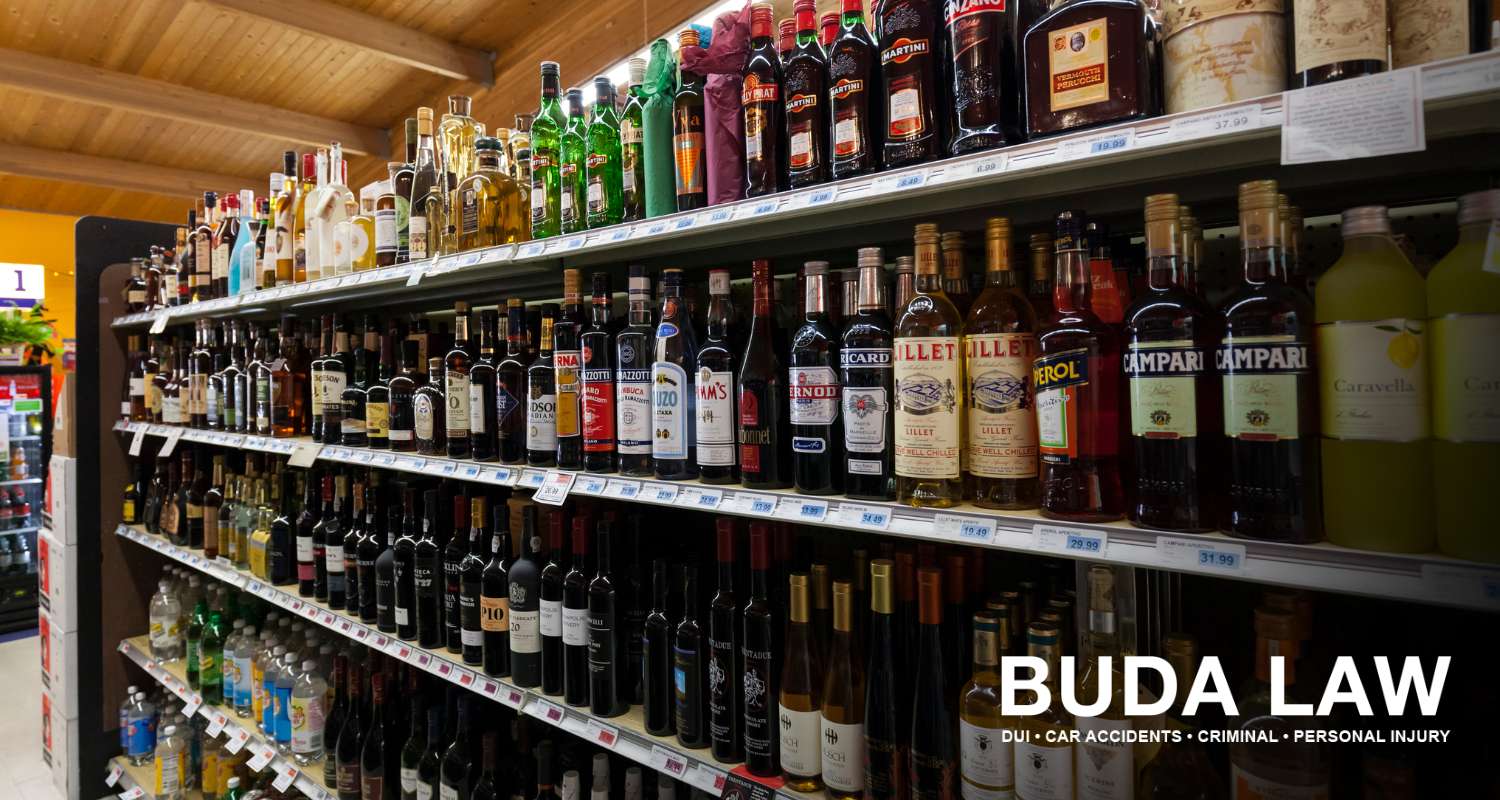
For purchasing alcohol to enjoy back at your accommodation, at a picnic, or on the beach (where permitted), off-premise retailers are your go-to. These typically include dedicated liquor stores, the alcohol sections of larger grocery stores, and convenience stores.
- Dedicated Liquor Stores: These establishments often have the widest selection of spirits, wines, and beers. Their hours are generally consistent, though they tend to close earlier than bars. In many Florida jurisdictions, liquor stores stop sales around 10:00 PM or 11:00 PM, with some closing as early as 9:00 PM. On Sundays, these hours can be further restricted, with many locations opening later or closing earlier than on weekdays.
- Grocery Stores and Convenience Stores: These retailers typically sell beer and wine, but rarely hard liquor, due to separate licensing requirements in Florida that distinguish between wine/beer and spirits. Their sales hours for beer and wine usually mirror those of dedicated liquor stores or are slightly extended, but they are still subject to local ordinances. For example, in many areas, beer and wine sales at grocery stores might cease by midnight, but in others, they could end much earlier.
On-Premise Sales: Bars, Restaurants, and Nightclubs
For those looking to enjoy a drink in a social setting, bars, restaurants, and nightclubs operate under different rules. These venues typically have later closing times for alcohol sales, often extending until 2:00 AM, and in some liberal jurisdictions like parts of Miami Beach or Key West, even later, especially on weekends or for specific licenses that allow sales until 4:00 AM or 5:00 AM.
- Bars and Nightclubs: These establishments are designed for late-night entertainment, and their alcohol service hours reflect this. Tourists visiting areas known for their nightlife, such as South Beach in Miami or Orlando’s entertainment districts, can generally expect to purchase drinks until the early morning hours.
- Restaurants: While many restaurants serve alcohol, their primary focus is dining. Alcohol sales will typically align with their kitchen hours or close slightly thereafter. If you’re planning a late dinner, it’s wise to check the restaurant’s closing time for alcohol service if that’s a key part of your dining experience.
Planning Your Evening: Implications for Dining and Entertainment
For tourists, understanding these varying regulations isn’t just about compliance; it’s about practical planning to maximize your vacation enjoyment. Unforeseen early cut-off times can disrupt an otherwise perfectly planned evening.
Pre-Planning for Special Occasions and Supplies
If you’re planning a beach bonfire (where permitted and safe) or a gathering at your vacation rental, purchasing your alcohol earlier in the day is always a safe bet. Don’t wait until the last minute, especially on a Sunday, when hours are often more restricted. Consider making your off-premise purchases during standard business hours (e.g., before 8:00 PM) to avoid any surprises. This is particularly relevant in less populated areas or smaller towns where retail hours might be shorter.
Navigating Holiday and Sunday Restrictions
Florida counties often impose additional restrictions on Sundays, and sometimes on major holidays. While many areas have relaxed “blue laws” over the years, some still maintain Sunday morning bans, meaning alcohol sales, particularly off-premise, might not begin until noon or later. Tourists planning a Sunday brunch with mimosas or a holiday celebration should always verify local rules for that specific day. Popular tourist destinations often have more lenient Sunday laws to accommodate visitors, but this is not universal. For example, in Orlando and Miami, Sunday sales typically start by 7:00 AM, but this is a privilege not extended everywhere.
Specific City Examples for Tourists
To illustrate the diversity, consider a few key Florida tourist destinations:
- Miami & Miami Beach: Known for its vibrant nightlife, Miami generally allows on-premise sales until 5:00 AM in many areas, and even 24/7 in some specific entertainment zones. Off-premise sales typically cease around midnight or 2:00 AM. This makes it one of the most lenient areas for late-night purchases.
- Orlando: Home to Walt Disney World and Universal Orlando Resort, Orlando is generally quite accommodating. On-premise sales often run until 2:00 AM, and off-premise sales for beer and wine are generally permitted until 2:00 AM, with liquor stores closing slightly earlier, usually around midnight.
- Tampa: In Tampa, on-premise alcohol sales commonly extend until 3:00 AM, particularly in entertainment districts like Ybor City. Off-premise sales typically conclude around midnight.
- Jacksonville: As the largest city by land area in the contiguous United States, Jacksonville tends to align with the 2:00 AM closing for on-premise and midnight for off-premise, though specific districts might vary.
- Key West: This island paradise is another location with very liberal alcohol laws. On-premise sales can often go until 4:00 AM, aligning with its festive atmosphere. Off-premise sales are generally until midnight.

Responsible Tourism and Enjoying Florida’s Nightlife
While knowing the latest possible purchase times is helpful, practicing responsible tourism remains paramount. Always carry a valid ID (driver’s license or passport) if you look under 30, as establishments are strict about checking ages. Never drink and drive; Florida has severe penalties for DUI. Utilize ride-sharing services, taxis, or designated drivers.
For tourists, the diverse alcohol laws of Florida present a unique challenge but also reflect the distinct character of its many cities and counties. From the non-stop party atmosphere of South Beach to the family-friendly resorts of Orlando, the rules are tailored to local expectations and lifestyles. By doing a little research into your specific destination, you can confidently navigate the sales hours, ensuring your access to adult beverages aligns perfectly with your vacation plans. Whether you’re stocking up for a quiet evening on your balcony or planning a vibrant night out, a little local knowledge goes a long way in making your Florida trip memorable and enjoyable.
LifeOutOfTheBox is a participant in the Amazon Services LLC Associates Program, an affiliate advertising program designed to provide a means for sites to earn advertising fees by advertising and linking to Amazon.com. Amazon, the Amazon logo, AmazonSupply, and the AmazonSupply logo are trademarks of Amazon.com, Inc. or its affiliates. As an Amazon Associate we earn affiliate commissions from qualifying purchases.