
Embarking on a journey from the bustling streets of New York to the tranquil shores of Hawaii is a quintessential American dream for many travelers. This trans-continental and trans-Pacific Ocean flight represents a significant commitment of time, distance, and preparation. For those planning this incredible escape, one of the most pressing questions is often, “How long will I actually be in the air?” While the answer isn’t a single, definitive number, understanding the variables involved can help set accurate expectations and ensure a smoother, more enjoyable travel experience. This guide will delve into the typical flight durations, the factors that influence them, and offer practical advice for navigating this lengthy but rewarding voyage from the East Coast to the heart of the Pacific.
Unveiling the Trans-Pacific Journey: The Core Flight Duration
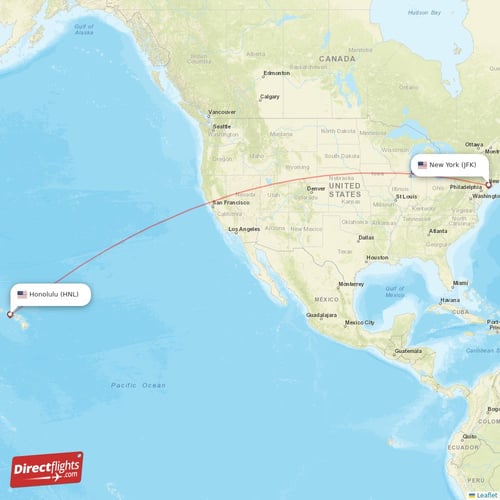
The immense distance separating New York City from the Hawaiian archipelago means that any flight will be a long-haul endeavor. Hawaii, situated approximately 4,900 miles (about 7,900 kilometers) from the eastern seaboard of the USA, requires a substantial amount of time to traverse. The flight duration is primarily dictated by whether you opt for a non-stop service or a connecting flight.
Non-Stop vs. Connecting Flights
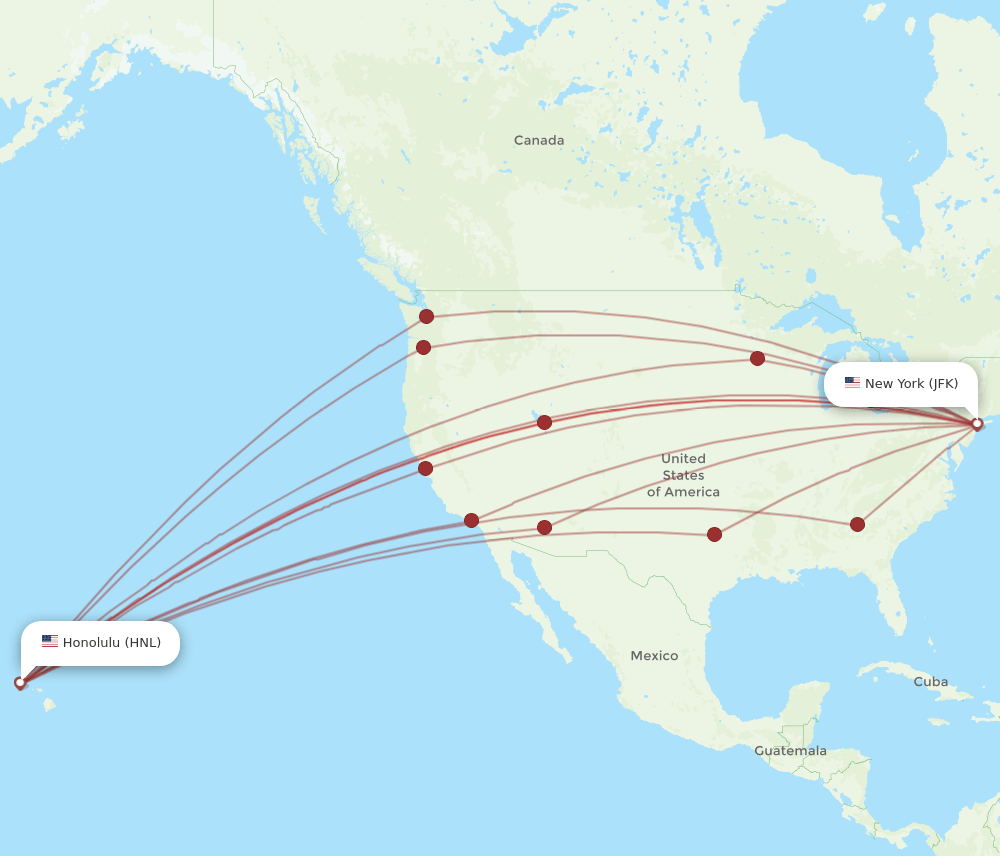
Direct flights are, without a doubt, the most efficient way to travel this route, minimizing both travel time and potential layover complexities. Major airlines frequently offer non-stop services from key New York metropolitan area airports to the primary gateway island of Oahu. However, non-stop options are not always available or might come at a premium price.
Connecting flights, on the other hand, involve one or more stops, typically in major hubs on the West Coast of the United States such as Los Angeles, San Francisco, or Seattle. While these can sometimes be more budget-friendly, they significantly extend the overall travel time, adding hours for layovers and additional segments.
Typical Flight Times to Major Hawaiian Islands
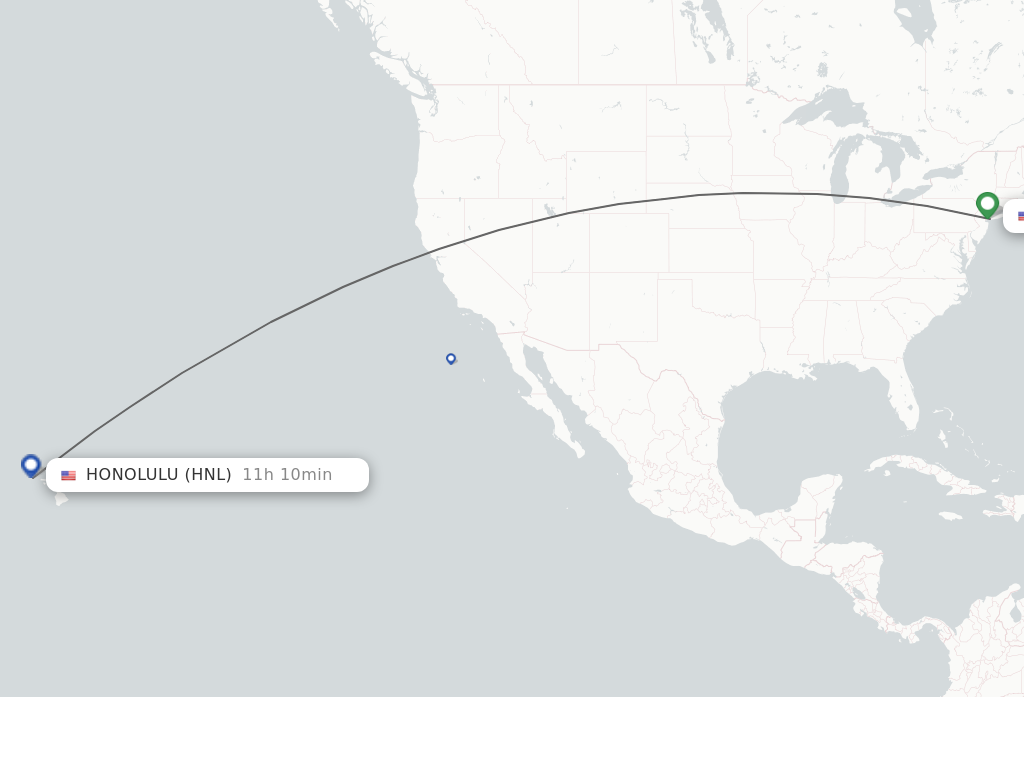
For a non-stop flight from a New York area airport to Daniel K. Inouye International Airport (HNL) in Honolulu, Oahu, you can expect the journey to take approximately 10 to 11 hours. This is the most common and direct route for travelers.
If your final destination is another Hawaiian island, such as Maui (Kahului Airport – OGG), the Big Island (Kona International Airport – KOA or Hilo International Airport – ITO), or Kauai (Lihue Airport – LIH), you will likely have a layover in Honolulu and then take a short inter-island flight. These inter-island flights typically range from 30 minutes to an hour. Therefore, the total travel time for these destinations with a connection in Honolulu could extend to 12-14 hours or more, depending on the layover duration.
For connecting flights via the West Coast, the total travel time from New York to Hawaii can range widely, often stretching from 14 to 20 hours or even longer, depending on the number of stops and the length of each layover.
The Science of Flight Times: What Influences Your Journey?
While the average flight times provide a good baseline, several dynamic factors can subtly, and sometimes significantly, alter the actual duration of your flight. Understanding these can offer a deeper insight into the complexities of air travel.
Atmospheric Conditions and Jet Streams
One of the most influential factors is the presence and strength of the jet stream, powerful high-altitude winds that circle the Earth. Flights traveling westward from New York to Hawaii often fly against these prevailing winds. This headwind acts as a natural brake, increasing flight duration. Conversely, eastbound flights (from Hawaii back to the mainland) often benefit from tailwinds, making them notably shorter. Other atmospheric conditions like turbulence, storm systems, and air traffic control directives to reroute can also impact flight paths and, consequently, flight times.
Aircraft Type and Cruising Speed
Different aircraft models possess varying cruising speeds and operational efficiencies. Modern wide-body jets, such as the Boeing 777, Boeing 787 Dreamliner, or Airbus A330 and A350, are typically deployed on these long-haul routes. These planes are designed for extended range and higher cruising speeds, but even among them, slight differences exist. A newer, more fuel-efficient aircraft might be able to maintain a slightly higher average speed or adapt better to adverse conditions, potentially shaving off a few minutes or more from the estimated flight time.
Departure and Arrival Airports
The specific airports involved also play a role, particularly in terms of ground operations. Congestion at major international hubs like John F. Kennedy International Airport (JFK), Newark Liberty International Airport (EWR), or Daniel K. Inouye International Airport (HNL) can lead to delays in takeoff or landing, indirectly extending the overall travel experience, even if the flight time itself remains consistent. Taxiing times, waiting for gate availability, and air traffic control queues are all variables.
Essential Pre-Flight Planning for Your Hawaiian Escape
A journey of this magnitude requires thoughtful preparation. From selecting your departure point to understanding layover logistics, careful planning can significantly enhance your travel experience.
Choosing Your Departure Point: New York City’s Airports
The New York metropolitan area is served by three major airports, each offering varying flight options to Hawaii:
- John F. Kennedy International Airport (JFK): Often has the most frequent non-stop options to Honolulu offered by major carriers like Hawaiian Airlines, Delta Air Lines, and American Airlines.
- Newark Liberty International Airport (EWR): A significant hub for United Airlines, also typically offering direct flights to Honolulu.
- LaGuardia Airport (LGA): Primarily serves domestic short-to-medium-haul flights, so direct flights to Hawaii are rare, if non-existent. You would almost certainly need a connecting flight from LGA.
Consider your proximity to each airport, public transport options, and parking availability when making your choice.
Selecting Your Hawaiian Gateway: Primary Arrival Airports
While Honolulu on Oahu is the primary entry point, it’s worth noting that a few direct flights from the mainland might occasionally service Maui (OGG) or Kona (KOA) on the Big Island from West Coast cities. However, from New York, your first arrival will almost certainly be HNL. Plan your inter-island connections in advance, especially if you have a tight schedule or are traveling during peak season.
Navigating Layover Logistics
If your itinerary includes a layover, particularly on the West Coast, factor in sufficient time between flights. A minimum of 2-3 hours is advisable to account for potential delays, taxiing, deplaning, navigating the airport, and boarding your next flight. Rushing between gates at a large airport can add unnecessary stress to an already long day of travel. Consider using the layover as an opportunity to stretch, grab a fresh meal, or even explore a small part of the city if the layover is significantly long (though this is rare for a Hawaii bound flight).
Mastering the Long-Haul: Tips for a Comfortable Flight
A flight of 10-11 hours, or even longer with connections, demands strategies to ensure comfort and manage fatigue. Your experience onboard can significantly impact how you feel upon arrival.
Prioritizing Comfort and Hydration
Wear loose, comfortable clothing and layers, as cabin temperatures can fluctuate. Compression socks are highly recommended to promote circulation and reduce swelling in your legs during extended periods of sitting. Staying hydrated is crucial; drink plenty of water and avoid excessive alcohol and caffeine, which can contribute to dehydration and disrupt sleep patterns. Bring your own reusable water bottle to fill up after security.
Entertainment and Relaxation Strategies
Pack a variety of entertainment options. Download movies, TV shows, podcasts, and audiobooks to your devices. A good book, crossword puzzles, or a journal can also be excellent ways to pass the time. Noise-canceling headphones are a game-changer for blocking out cabin noise and enhancing your listening or relaxation experience. Don’t forget a comfortable neck pillow and an eye mask to facilitate rest. Try to adjust your sleep schedule to Hawaii’s time zone (typically 5-6 hours behind New York during standard time, 6 hours during daylight saving) even before you depart.
Combating Jet Lag on Arrival
Jet lag is almost inevitable when crossing multiple time zones. To minimize its effects, try to adjust your internal clock as much as possible during the flight. Upon arrival, expose yourself to natural light, stay active (even a walk on the beach helps), and resist the urge to nap for too long. Try to eat meals at local times and go to bed at a reasonable hour in Hawaii. Patience and consistency are key to adapting quickly.
Beyond the Flight: The Start of Your Hawaiian Adventure
After successfully navigating the long flight, the real adventure begins. How you manage those initial hours can set the tone for your entire trip.
Ground Transportation on the Islands
Before you land, have a plan for getting from the airport to your accommodation. Honolulu (HNL), Maui (OGG), and the Big Island airports offer various options including rental cars, shuttle services, taxis, and ride-sharing apps. Booking a rental car in advance is highly recommended, especially for Maui, the Big Island, and Kauai, as public transportation can be limited outside of Honolulu.
Embracing the Time Zone Shift
The time difference can be disorienting. Remember that when it’s 3 PM in New York, it’s only 9 AM or 10 AM in Hawaii. This means you’ll essentially gain 5-6 hours upon arrival. Use this to your advantage; wake up early, enjoy the quiet mornings, and let the natural rhythm of the islands help reset your body clock. Avoid making critical plans or commitments immediately upon landing to allow for flexibility as you adjust.
Maximizing Your Initial Hours in Paradise
Resist the temptation to overschedule your first day. After such a long flight, light activities like a leisurely walk on the beach, a relaxed meal, or simply settling into your accommodation are ideal. The goal is to acclimate to the time zone and the tropical environment without adding further fatigue. Save the strenuous hikes and extensive sightseeing for day two or three, once your body has had a chance to recover and embrace the “Aloha” spirit.
In conclusion, while a flight from New York to Hawaii is a significant undertaking in terms of duration, the unparalleled beauty and serene atmosphere of the islands make every minute of the journey worthwhile. With careful planning, smart packing, and an understanding of what to expect, your trans-Pacific voyage will be just the beginning of an unforgettable Hawaiian adventure.
LifeOutOfTheBox is a participant in the Amazon Services LLC Associates Program, an affiliate advertising program designed to provide a means for sites to earn advertising fees by advertising and linking to Amazon.com. Amazon, the Amazon logo, AmazonSupply, and the AmazonSupply logo are trademarks of Amazon.com, Inc. or its affiliates. As an Amazon Associate we earn affiliate commissions from qualifying purchases.