
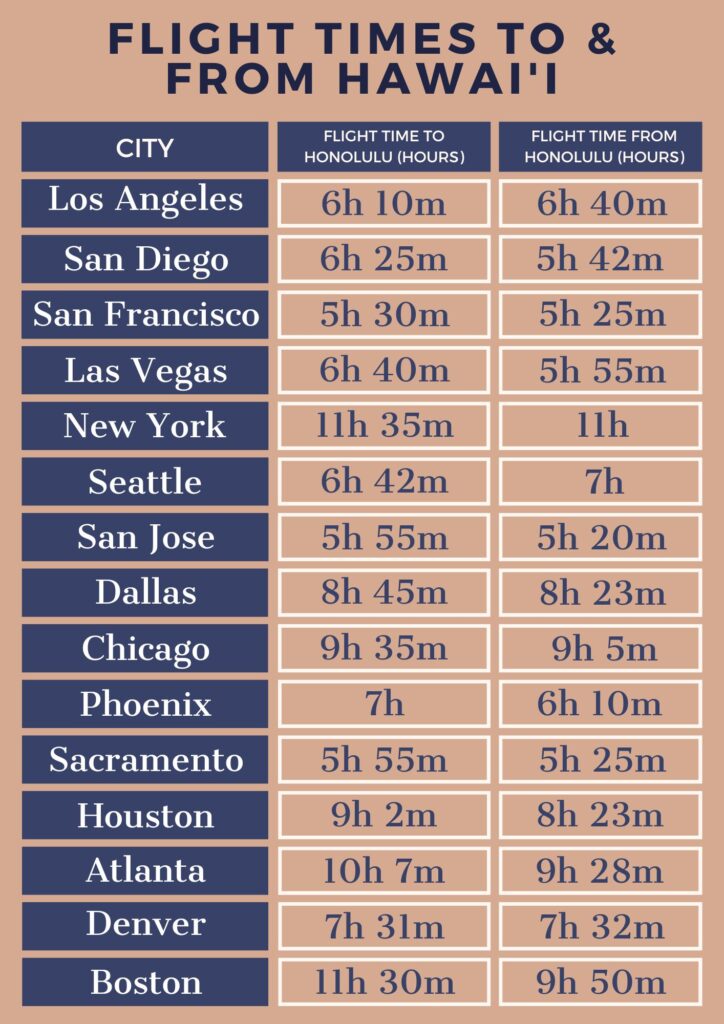
Dreaming of a tropical escape from the bustling Emerald City to the serene shores of Hawaii? The journey across the Pacific Ocean is a common one for many West Coast travelers, offering a relatively quick transition from cityscapes to island paradises. The most pressing question for eager adventurers often revolves around the flight duration: exactly how long does it take to fly from Seattle to Hawaii? Typically, a direct flight from Seattle to the main Hawaiian islands will range from approximately 5 hours and 30 minutes to 6 hours and 30 minutes.

This article will not only delve into the specifics of flight times and factors influencing them but also serve as your comprehensive guide to planning an unforgettable trip. We’ll explore the various islands, their unique attractions, accommodation options, and essential travel tips to ensure your Hawaiian adventure is as seamless as it is spectacular. Whether you’re seeking a luxurious resort experience, a family-friendly getaway, or an adventurous exploration of nature, Hawaii has something for everyone, and your journey starts with understanding the flight path.
Understanding Your Flight from Seattle to Hawaii
The flight from Seattle to Hawaii is a significant part of your travel experience, bridging the gap between the continental United States and the remote island chain. Knowing what to expect regarding flight duration, airline options, and booking strategies can help you prepare for a smooth and enjoyable journey.
Typical Flight Durations and Factors
The flight time from Seattle-Tacoma International Airport (SEA) to Hawaii varies slightly depending on your specific island destination. As a general guideline, here are the approximate non-stop flight durations to the major Hawaiian airports:
- To Honolulu, Oahu (HNL): Approximately 5 hours and 45 minutes to 6 hours. This is often the shortest flight duration due to Oahu’s relatively eastern location among the main islands and the frequent direct routes available.
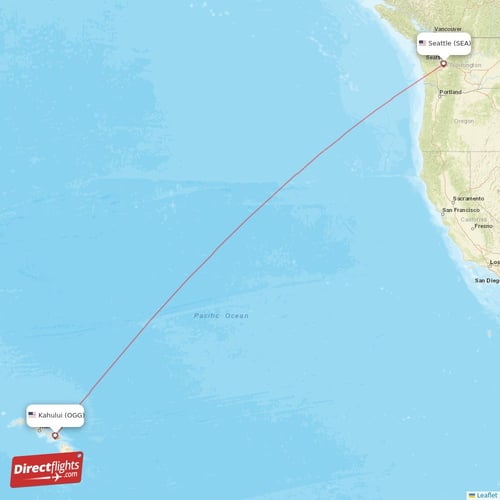
- To Kahului, Maui (OGG): Roughly 6 hours to 6 hours and 15 minutes.
- To Kona, Island of Hawaii (KOA) (Big Island): Around 6 hours and 15 minutes to 6 hours and 30 minutes.
- To Lihue, Kauai (LIH): Generally 6 hours to 6 hours and 15 minutes.
Several factors can influence these durations. Headwinds and tailwinds, common across the vast Pacific Ocean, can shorten or lengthen a flight by 15-30 minutes. The specific aircraft model used by the airline can also play a minor role, with newer, more efficient planes potentially offering slightly faster transit times. While most travelers opt for non-stop flights for convenience, connecting flights will naturally extend your total travel time significantly, often requiring 8-10+ hours including layovers.
Major Airlines and Routes
The route from Seattle to Hawaii is well-serviced by several major carriers, making it easy to find direct flights to multiple islands. The primary airlines offering non-stop service include:
- Alaska Airlines: Known for its extensive West Coast network, Alaska Airlines offers numerous daily flights from SEA to Honolulu, Maui, Kona, and Lihue. They are a popular choice for their frequency and service.
- Hawaiian Airlines: As the flag carrier of Hawaii, Hawaiian Airlines provides a genuine taste of aloha even before you land. They also offer direct flights from Seattle to Honolulu and Maui, often with cultural touches like Hawaiian music and meals.
- Delta Air Lines: A major global carrier, Delta Air Lines operates non-stop flights from SEA to Honolulu and Maui, offering a premium experience for those looking for enhanced comfort.
- United Airlines: Another significant player, United Airlines provides direct service to Honolulu and Maui from Seattle, often as part of their broader national and international network.
Booking directly with these airlines or through reputable travel aggregators ensures you get the most accurate information on flight times, availability, and pricing. Choosing a direct flight minimizes travel time and reduces the chances of delays associated with connections, making your journey smoother.
Best Time to Fly and Booking Tips
Deciding when to fly to Hawaii from Seattle can significantly impact both the cost of your trip and your overall experience. Hawaii experiences pleasant weather year-round, but there are distinct peak and off-peak seasons:
- Peak Season: Generally from mid-December to March (winter holidays and spring break) and during the summer months (June to August). During these times, demand is high, leading to higher airfares and accommodation costs. Flights are often fuller, and attractions more crowded.
- Shoulder Season: April to May and September to November. These periods offer a sweet spot with pleasant weather, fewer crowds, and often more affordable prices. This is often considered the best time for a budget-conscious traveler or anyone seeking a more relaxed atmosphere.
- Off-Peak Season: Limited, but sometimes late January to early February (post-holiday lull) or certain weeks in late autumn can offer better deals.
Booking Tips:
- Book in Advance: Especially for peak season travel, aim to book flights and accommodation 3-6 months out.
- Be Flexible with Dates: Flying mid-week (Tuesday-Thursday) is often cheaper than weekend travel. Even shifting your departure or return by a day or two can yield savings.
- Use Price Alerts: Set up alerts on flight comparison websites to monitor fare changes for your desired dates and destinations.
- Consider Package Deals: Sometimes, bundling flights and hotels can offer significant savings compared to booking separately.
- Check Different Airports: While Honolulu is the primary hub, sometimes flying directly to Maui or the Big Island might be more cost-effective or convenient depending on your itinerary.
By considering these factors, you can optimize your travel plans, ensuring a comfortable and well-priced journey to your Hawaiian paradise.
Your Hawaiian Adventure: Choosing Your Island Paradise
With your flight details sorted, the next exciting step is deciding which Hawaiian island (or islands) best suits your dream vacation. Each island offers a distinct personality, from bustling city life and historical sites to dramatic volcanic landscapes and pristine, secluded beaches.
Oahu: The Gathering Place
Oahu, home to the state capital Honolulu, is the most populated and frequently visited island, aptly nicknamed “The Gathering Place.” It offers a vibrant blend of urban sophistication, historical significance, and natural beauty.
- Iconic Attractions: Spend your days relaxing on the world-famous Waikiki Beach, learning to surf, or enjoying the lively atmosphere. Hike to the summit of Diamond Head for panoramic views of Honolulu and the coastline. A visit to Pearl Harbor is a poignant and educational experience, honoring a pivotal moment in history.
- Cultural Experiences: Explore the historical Iolani Palace, the only official residence of royalty in the United States. Discover the North Shore’s legendary surf breaks and enjoy the laid-back surf town vibe.
- Accommodation: Oahu boasts a wide range of hotels and resorts. For luxury, consider the historic Moana Surfrider or the elegant Halekulani on Waikiki Beach. There are also numerous mid-range and budget-friendly options, as well as vacation rentals to suit every traveler’s lifestyle. Oahu offers diverse lifestyle options, from luxury travel to budget-conscious family trips.
Maui: The Valley Isle
Maui, “The Valley Isle,” is renowned for its stunning beaches, lush valleys, and the majestic Haleakala National Park. It strikes a perfect balance between luxury and natural adventure, making it a popular choice for honeymooners and families alike.
- Natural Wonders: Catch a breathtaking sunrise above the clouds at the summit of Haleakala volcano, an unforgettable experience. Drive the iconic Road to Hana, a winding coastal road offering spectacular views, waterfalls, and scenic pull-offs.
- Beaches and Water Activities: Maui is home to some of Hawaii’s best beaches, including Ka’anapali Beach and Wailea Beach. It’s a prime destination for snorkeling, scuba diving, and during winter months, incredible whale watching tours where you can spot humpback whales.
- Accommodation: Upscale resorts dominate areas like Wailea and Ka’anapali. The Grand Wailea and the Hyatt Regency Maui are examples of luxurious resort experiences, offering extensive amenities. For a more laid-back vibe, explore boutique hotels or vacation rentals in towns like Paia.
Island of Hawaii (Big Island): Diverse Landscapes
The Island of Hawaii, affectionately known as the “Big Island,” is the largest and most geologically active island. It’s a land of incredible diversity, featuring everything from active volcanoes to snow-capped peaks, black sand beaches, and lush rainforests.
- Volcanic Exploration: Explore the mesmerizing landscapes of Hawaii Volcanoes National Park, where you can witness active volcanic activity (conditions permitting) and walk through ancient lava tubes.
- Unique Beaches: Visit Punalu’u Black Sand Beach, famous for its striking black sands and often frequented by green sea turtles. Discover pristine white sand beaches like Manini’owali Beach (Kua Bay) or even rare green sand beaches.
- Activities: The Big Island offers fantastic snorkeling and diving in the calm waters off Kona’s coast, world-class stargazing atop Mauna Kea, and tours of coffee plantations in the Kona district.
- Accommodation: Hotels and resorts are concentrated on the Kona side, offering sunny weather and easy access to ocean activities. Hilo, on the wetter east side, provides access to waterfalls and rainforests and has more budget-friendly options.
Kauai: The Garden Isle
Kauai, “The Garden Isle,” is the oldest and northernmost of the main islands, celebrated for its dramatic cliffs, lush valleys, and stunning natural beauty. It’s a paradise for outdoor enthusiasts and those seeking tranquility.
- Breathtaking Scenery: Witness the awe-inspiring Na Pali Coast, best experienced by boat tour, helicopter, or hiking part of the challenging Kalalau Trail. Explore the “Grand Canyon of the Pacific,” Waimea Canyon, with its vibrant hues and expansive vistas.
- Outdoor Activities: Kauai is perfect for hiking, kayaking, zip-lining, and exploring hidden waterfalls. The island offers a more rugged and untouched experience compared to its more developed siblings.
- Accommodation: Kauai features resorts primarily on the south shore (Poipu) and east shore (Lihue/Kapaa), balancing luxury with the island’s natural charm. Vacation rentals, including apartments and villas, are also very popular for a more immersive stay, fitting a serene lifestyle travel preference.
Regardless of your choice, each island promises a unique and memorable Hawaiian experience, tailored to different travel styles and preferences.
Enhancing Your Hawaiian Experience: Accommodation and Activities
Beyond flights and island choice, the quality of your Hawaiian vacation largely hinges on where you stay and what you choose to do. Hawaii caters to a diverse range of preferences, from opulent resorts to charming local stays, and offers an endless array of activities that immerse you in its unique culture and stunning natural environment.
From Luxury Resorts to Cozy Stays
Accommodation is a crucial element of any trip, and Hawaii provides a spectrum of choices to match every budget and desired experience:
- Luxury Resorts: For those seeking indulgence, Hawaii is home to some of the world’s most luxurious resorts. These properties, often found in prime beachfront locations in Waikiki, Wailea, or Poipu, offer unparalleled amenities such as championship golf courses, world-class spas, multiple swimming pools, fine dining restaurants, and concierge services. Think spacious suites, private villas, and personalized experiences designed for a truly opulent lifestyle. When booking, always check recent reviews and compare different resort amenities to find the perfect fit.
- Boutique Hotels: For a more intimate and locally inspired experience, boutique hotels offer unique charm and personalized service. These properties often reflect the local culture and art, providing a distinctive atmosphere that differs from larger chains.
- Vacation Rentals (Apartments, Villas): Ideal for families, groups, or those planning a longer stay, vacation rentals such as apartments, condos, and private villas offer more space, privacy, and often kitchen facilities. This option provides a “home away from home” feel and can be more budget-friendly for extended trips or larger parties. Websites specializing in accommodation booking allow you to compare options and read reviews from previous guests.
- Budget-Friendly Options: While Hawaii can be expensive, it’s possible to travel on a budget. Look for hostels, guesthouses, or more basic hotels, especially outside the main tourist hubs. Long-term stay options might also offer better rates. Prioritizing experiences over extravagant accommodation can help manage costs without sacrificing adventure.
Choosing the right accommodation involves considering your travel companions, your budget, and the kind of atmosphere you desire. Whether it’s the pampering of a full-service resort or the independence of a cozy apartment, Hawaii has a comfortable base for your explorations.
Embracing Local Culture and Activities
Hawaii’s allure extends far beyond its stunning scenery; its rich Polynesian culture and diverse activities invite visitors to engage deeply with the islands’ spirit.
- Water Sports: The warm, clear waters are an invitation to adventure. Try surfing lessons on Waikiki Beach, snorkel with vibrant marine life in Maui’s Molokini Crater, or scuba dive in Kona with manta rays. Kayaking, paddleboarding, and sailing are also popular ways to enjoy the ocean.
- Cultural Experiences: Immerse yourself in the local culture by attending a traditional luau, featuring authentic Hawaiian food, music, and hula dancing. Visit historical landmarks like Pearl Harbor on Oahu or learn about the ancient Hawaiian way of life at various cultural centers and museums. Exploring local markets offers a glimpse into daily island life and an opportunity to find unique crafts and local produce.
- Hiking and Nature Exploration: Each island offers incredible hiking trails, from the lush rainforests of Kauai (Na Pali Coast) and the volcanic landscapes of the Big Island (Hawaii Volcanoes National Park) to the challenging ascent of Diamond Head. These experiences connect you with the islands’ powerful natural beauty.
- Foodie Adventures: Hawaiian cuisine is a delicious fusion of Polynesian, Asian, and American influences. Don’t miss out on local delicacies like fresh poke, kalua pig, loco moco, and, of course, a refreshing shave ice. Explore local food trucks and farmers’ markets for authentic flavors.
- Family Trips and Adventure Travel: Hawaii is excellent for family trips, offering attractions for all ages, from calm beaches for toddlers to adventurous excursions for teens. For those seeking thrill, consider zip-lining, helicopter tours, or exploring lava fields.
By engaging with these activities and respecting the local culture, you’ll gain a deeper appreciation for Hawaii and create memories that last a lifetime, aligning perfectly with a desired travel lifestyle.
Practical Travel Tips for Your Journey
Preparation is key to a smooth and enjoyable trip, especially when traveling to a destination as unique as Hawaii. From packing essentials to understanding inter-island travel and managing your budget, these practical tips will help you navigate your Hawaiian adventure with ease.
Packing Essentials and Health Considerations
Knowing what to pack can save you time and hassle upon arrival. Hawaii’s tropical climate means light clothing is generally sufficient, but a few specific items are crucial:
- Clothing: Swimsuits, shorts, t-shirts, light dresses, and a light jacket or sweater for cooler evenings or higher elevations (Haleakala, Mauna Kea). Comfortable walking shoes or sandals are a must.
- Sun Protection: The Hawaiian sun is potent. Pack high-SPF, reef-safe sunscreen (required by law in Hawaii to protect coral reefs), wide-brimmed hats, and sunglasses. Consider rash guards for extended water activities.
- Gear: Reusable water bottle, a good camera, snorkel gear (though rentals are available), and insect repellent, especially if planning rainforest hikes.
- Health: Staying hydrated is vital. Be mindful of dehydration and sunstroke. If you plan strenuous activities, ensure you’re in good health. Over-the-counter medications for common ailments can be useful. Consider travel insurance for unforeseen circumstances.
- Jet Lag: While the time difference from Seattle (Pacific Time Zone) to Hawaii (Hawaii Standard Time Zone) is generally only 2-3 hours (depending on daylight saving), it can still cause minor jet lag. Try to adjust your sleep schedule a few days before departure, stay hydrated on the flight, and expose yourself to natural light upon arrival.
Navigating Inter-Island Travel
If your dream Hawaiian itinerary includes visiting multiple islands, understanding inter-island travel is essential.
- Inter-island Flights: This is the most common and efficient way to travel between islands. Hawaiian Airlines operates frequent flights between all major islands (Oahu, Maui, Kauai, Big Island, Lanai, Molokai). Other airlines like Mokulele Airlines (often code-shared with Southern Airways Express) and Southwest Airlines also offer inter-island routes, providing competitive options. Flight durations are typically short, ranging from 20 to 50 minutes.
- Ferries: Currently, the only public ferry service is between Maui and Lanai, offering a scenic alternative. There are no regular public ferries connecting the larger islands.
- Booking Tips: Book inter-island flights in advance, especially during peak season. Be aware of baggage fees, which can vary between airlines. Allow ample time between connecting flights, especially if your international or mainland flight connects with an inter-island flight.
Budgeting for Your Dream Trip
Hawaii can be an expensive destination, but with careful planning, you can make your trip more affordable.
- Flights: As discussed, booking in advance and being flexible with dates can save significantly.
- Accommodation: Consider a mix of luxury and budget stays, or opt for vacation rentals with kitchenettes to save on dining costs.
- Food: While dining out at renowned restaurants is a treat, balance it with local eateries, food trucks, and cooking some meals yourself. Supermarkets are readily available.
- Activities: Many of Hawaii’s best attractions, like beaches and hiking trails, are free. Prioritize paid tours and excursions that truly interest you. Look for package deals or discounts for multiple activities.
- Transportation: Renting a car is often essential for exploring the islands, especially Maui, Big Island, and Kauai. Book rental cars well in advance, as they can sell out quickly, particularly during peak seasons. Public transport is limited outside of Oahu. Ride-sharing services are available in major areas.
By strategically planning these aspects, you can tailor your Hawaiian adventure to fit your budget without compromising on the incredible experiences the islands have to offer.
In conclusion, a flight from Seattle to Hawaii is a relatively straightforward journey, typically ranging from 5.5 to 6.5 hours for a direct flight. This comfortable flight duration makes the paradise of Hawaii an accessible and highly desirable destination for travelers seeking an escape. From the vibrant energy of Oahu to the serene landscapes of Kauai, the romantic sunsets of Maui to the dynamic volcanic wonders of the Big Island, each island offers a unique tapestry of experiences. With careful planning regarding flights, accommodation, and activities, your journey from the Pacific Northwest to the aloha spirit is sure to be filled with unforgettable memories. So, pack your bags, prepare for a fantastic voyage, and get ready to discover your perfect slice of Hawaiian paradise.
LifeOutOfTheBox is a participant in the Amazon Services LLC Associates Program, an affiliate advertising program designed to provide a means for sites to earn advertising fees by advertising and linking to Amazon.com. Amazon, the Amazon logo, AmazonSupply, and the AmazonSupply logo are trademarks of Amazon.com, Inc. or its affiliates. As an Amazon Associate we earn affiliate commissions from qualifying purchases.