
Embarking on a journey to the enchanting Hawaiian Islands is a dream for countless travelers, promising sun-kissed beaches, vibrant culture, and unparalleled natural beauty. From the volcanic landscapes of the Big Island to the bustling energy of Oahu and the serene shores of Maui and Kauai, each island offers a unique slice of paradise. However, before you can dip your toes into the Pacific or hike through lush rainforests, there’s a practical question that often comes to mind: “How long is the flight to Hawaii?”
The answer isn’t always straightforward, as flight durations can vary significantly based on several factors, including your departure city, the presence of layovers, and even prevailing wind conditions. This comprehensive guide will break down typical flight times from major hubs across North America and international locations, offering insights into what influences your travel duration and how to make the journey as comfortable as possible. We’ll also touch upon how to seamlessly integrate your flight plans with your overall Hawaiian adventure, covering aspects from accommodation to local culture.
Understanding Flight Duration to Hawaii
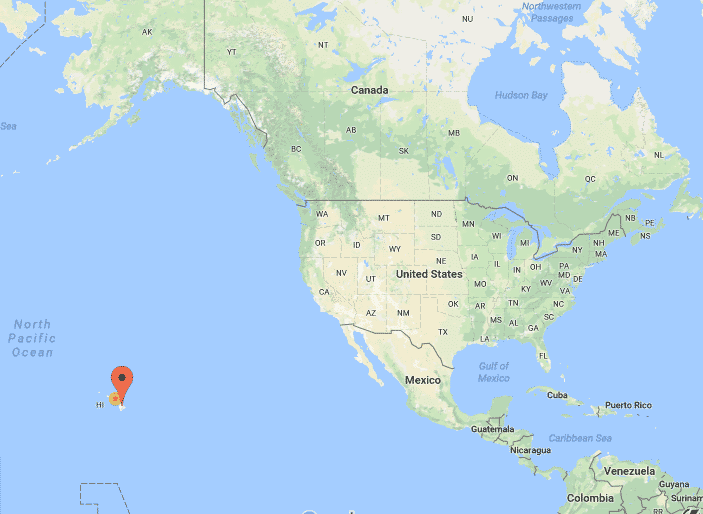
The Hawaiian archipelago, situated in the middle of the Pacific Ocean, is renowned for its remote location, which is part of its allure. This geographical isolation means that flights, particularly from mainland destinations, tend to be longer than typical domestic routes. Understanding the variables at play is crucial for planning your trip effectively.
Key Factors Influencing Flight Times
Several elements contribute to the total time you’ll spend in the air and in transit:
- Departure City: This is arguably the most significant factor. Flights originating from the West Coast of the United States will naturally be shorter than those from the East Coast or international destinations. The further east or west you are, the longer the journey.
- Direct vs. Connecting Flights: A direct, non-stop flight will always be the fastest option. Flights with one or more layovers can add several hours to your total travel time, not just due to the additional flight legs but also because of connection times between flights. While sometimes more economical, connecting flights demand careful planning to ensure sufficient layover durations.
- Aircraft Type and Speed: Modern long-haul aircraft are designed for efficiency and speed. While variations exist between models, most commercial jets fly at similar cruising speeds. However, the specific airline and aircraft can sometimes subtly impact flight duration.
- Wind Conditions (Jet Stream): The jet stream is a powerful, high-altitude air current that flows predominantly from west to east. Flights traveling eastward (e.g., from Hawaii back to the mainland) can often benefit from a tailwind, shortening the flight time. Conversely, flights heading westward to Hawaii may encounter headwinds, slightly increasing the duration. This phenomenon can sometimes account for a difference of 30 minutes to an hour or more.
- Target Airport in Hawaii: While most international and mainland flights land at Daniel K. Inouye International Airport (Honolulu – HNL) on Oahu, direct flights are also available to Kahului Airport (Maui – OGG), Kona International Airport (Kona – KOA) on the Big Island, and Lihue Airport (Kauai – LIH) from certain mainland cities. The specific island you fly into might slightly affect the initial flight segment, although inter-island travel will then be required if your final destination is not the arrival island.
Typical Flight Times from Major North American Cities
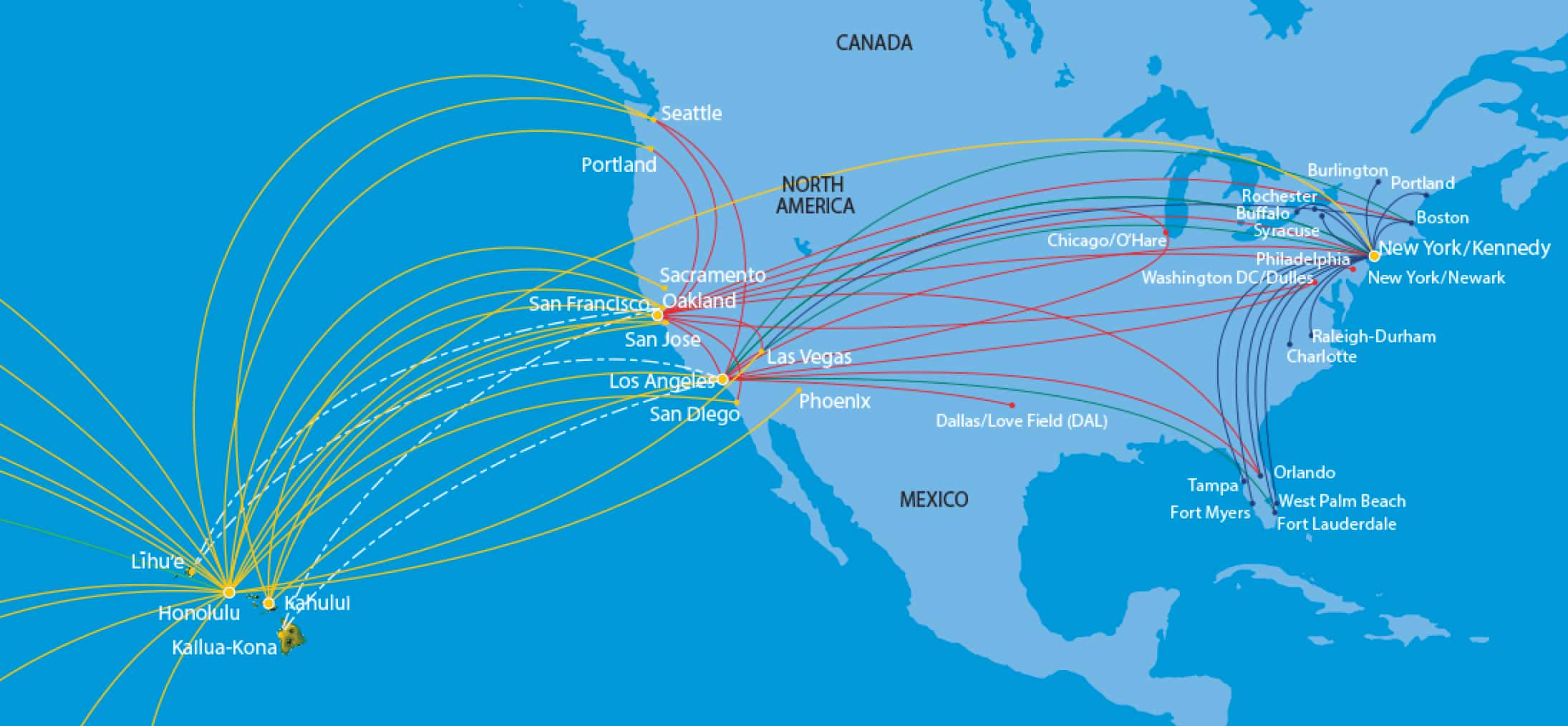
For most visitors from the United States and Canada, Hawaii is a popular choice, and direct flights are widely available from major urban centers. Here’s a breakdown of estimated non-stop flight durations to Honolulu, which serves as the primary gateway to the islands.
West Coast Departures
The West Coast offers the shortest direct flights to Hawaii, making it a convenient jumping-off point for many.
- Los Angeles (LAX) to Honolulu (HNL): Approximately 5 hours, 30 minutes to 6 hours.
- San Francisco (SFO) to Honolulu (HNL): Approximately 5 hours, 30 minutes to 6 hours.
- Seattle (SEA) to Honolulu (HNL): Approximately 5 hours, 45 minutes to 6 hours, 15 minutes.
- Portland (PDX) to Honolulu (HNL): Approximately 5 hours, 45 minutes to 6 hours, 15 minutes.
- Vancouver (YVR), Canada to Honolulu (HNL): Approximately 5 hours, 45 minutes to 6 hours, 30 minutes.
Direct flights are also available from these cities to Maui, Kona, and Kauai, with similar flight times.
Mid-Continent Departures
As you move further inland, flight times naturally increase, though direct options remain available from several key cities.
- Chicago (ORD) to Honolulu (HNL): Approximately 8 hours, 30 minutes to 9 hours, 30 minutes.
- Dallas/Fort Worth (DFW) to Honolulu (HNL): Approximately 7 hours, 30 minutes to 8 hours, 30 minutes.
- Houston (IAH) to Honolulu (HNL): Approximately 8 hours to 9 hours.
- Denver (DEN) to Honolulu (HNL): Approximately 7 hours, 15 minutes to 8 hours.
East Coast Departures
Travelers departing from the East Coast face the longest direct flights within North America, often stretching into double-digit hours.
- New York City (JFK/EWR) to Honolulu (HNL): Approximately 10 hours to 11 hours.
- Boston (BOS) to Honolulu (HNL): Approximately 10 hours, 30 minutes to 11 hours, 30 minutes.
- Washington D.C. (IAD) to Honolulu (HNL): Approximately 10 hours to 11 hours.
- Miami (MIA) to Honolulu (HNL): Approximately 10 hours, 30 minutes to 11 hours, 30 minutes.
For many East Coast travelers, a connecting flight through a West Coast hub like Los Angeles or San Francisco is a popular and sometimes more cost-effective option, though it will extend the overall travel time significantly, often to 15-20 hours including layovers.

International Flight Durations to Hawaii
Hawaii’s allure extends far beyond North America, drawing visitors from across the Asia-Pacific region and even Europe. Flight times from these destinations reflect the vast distances involved.
Asia-Pacific Routes
Hawaii serves as a vital bridge between the Americas and Asia-Pacific.
- Tokyo (NRT/HND), Japan to Honolulu (HNL): Approximately 7 hours to 7 hours, 30 minutes.
- Osaka (KIX), Japan to Honolulu (HNL): Approximately 7 hours, 30 minutes to 8 hours.
- Seoul (ICN), South Korea to Honolulu (HNL): Approximately 8 hours to 8 hours, 30 minutes.
- Sydney (SYD), Australia to Honolulu (HNL): Approximately 9 hours to 10 hours.
- Auckland (AKL), New Zealand to Honolulu (HNL): Approximately 8 hours, 30 minutes to 9 hours.
European Routes (Often with Connections)
Direct flights from Europe to Hawaii are rare, if not nonexistent, due to the immense distance. Travelers from European countries typically connect through major hubs on the U.S. West Coast, or sometimes through Asian cities.
- London (LHR), UK to Honolulu (HNL): This journey almost always involves at least one layover, typically in a major US city like Los Angeles or San Francisco. Total travel time can range from 18 to 25 hours, depending on the connection.
- Paris (CDG), France to Honolulu (HNL): Similar to London, expect total travel times between 18 and 26 hours with at least one stopover.
- Frankfurt (FRA), Germany to Honolulu (HNL): Also typically involves a layover in the US, resulting in total travel times of 19 to 27 hours.
While the journey from Europe is long, the reward of experiencing Hawaii’s unique charm makes it a worthwhile endeavor for many.
Making the Long Flight Comfortable and Enjoyable
Regardless of whether your flight is 5 hours or 15 hours, preparing for a long-haul journey to Hawaii can significantly enhance your travel experience. Thoughtful planning can transform what might seem like a daunting flight into a manageable and even enjoyable part of your adventure.
Pre-Flight Preparations
- Choosing the Right Flight: Consider your priorities. A direct flight minimizes travel time and stress, but might be pricier. Connecting flights can save money but require more patience and planning for layovers. If budget allows, consider flying in business class or first class for enhanced comfort, reclining seats, and better service.
- Seat Selection: If flying economy, aim for seats with more legroom, such as exit rows or bulkhead seats (often available for an extra fee). A window seat is great for views, but an aisle seat offers easier access for stretching your legs. Many airlines offer “economy plus” or similar options for a slight upgrade in comfort.
- Packing Essentials for Your Carry-On: This is crucial. Include a comfortable neck pillow, eye mask, and earplugs/noise-canceling headphones for rest. Pack essential toiletries, any necessary medications, and a change of clothes. Bring your own entertainment (tablet, e-reader loaded with books or movies) as in-flight options can vary. Don’t forget snacks and an empty reusable water bottle to fill after security.
During the Flight Strategies
- Staying Hydrated: Cabin air can be very dry. Drink plenty of water throughout the flight and limit caffeine and alcohol, which can contribute to dehydration.
- Moving Around: To prevent stiffness and reduce the risk of deep vein thrombosis (DVT), get up and walk around the cabin every couple of hours. Perform simple stretches in your seat.
- Entertainment: Beyond the in-flight system, having your own movies, music, podcasts, or books will keep you occupied. Consider downloading some travel guides for Hawaii to get excited about your destination.
- Adjusting to Time Zones (Jet Lag): Hawaii operates on Hawaii Standard Time (HST), which is significantly behind most mainland U.S. time zones (e.g., 5 hours behind Pacific Time in winter, 6 hours behind in summer due to daylight saving). Try to adjust your sleep schedule gradually a few days before your trip. Once onboard, set your watch to Hawaiian time and try to sleep or stay awake accordingly. Upon arrival, expose yourself to natural light and try to stick to local mealtimes and sleep patterns to help your body acclimate faster.
Beyond the Flight: Planning Your Hawaiian Getaway
Once you’ve navigated the skies, the real adventure begins. Planning your Hawaiian getaway involves more than just flights; it’s about curating an experience that aligns with your travel style and preferences. Our website’s main topics—Travel, Hotels, Tourism, Accommodation, Landmarks, and Lifestyle—are designed to help you craft the perfect trip.
- Accommodation Choices: Hawaii boasts a diverse range of places to stay. From opulent luxury resorts like the Four Seasons Resort Maui at Wailea or The Royal Hawaiian, a Luxury Collection Resort on Waikiki Beach, offering world-class amenities and personalized service, to charming boutique hotels, vacation rentals managed by companies like Aqua-Aston Hospitality, and more budget-friendly apartments, there’s something for every preference and wallet. Utilize booking platforms and read reviews to compare options and find your ideal home away from home.
- Attractions & Activities: Hawaii is a treasure trove of attractions and activities. On Oahu, explore historic Pearl Harbor, surf the legendary North Shore, or hike to the summit of Diamond Head for panoramic views. Maui beckons with the scenic Road to Hana and breathtaking sunrises from Haleakala Crater. The Big Island is home to the active Volcanoes National Park, where you can witness volcanic landscapes. Kauai, the Garden Isle, offers the stunning Na Pali Coast and Waimea Canyon. Don’t forget to immerse yourself in the rich local culture by attending a traditional Luau and savoring delicious Hawaiian food.
- Travel Guides & Experiences: Our travel guides provide detailed information on destinations, experiences, and tips for navigating each island. Whether you’re interested in luxury travel, a budget-friendly adventure, or a family trip, you’ll find resources to help tailor your itinerary. Consider island hopping to experience the unique character of multiple islands, easily done via short inter-island flights.
Conclusion
While the question “How long is a flight to Hawaii?” might initiate a journey planning process, the answer reveals a fascinating array of factors influencing your travel time. From a brisk 5.5-hour hop from the West Coast to a comprehensive 10-11 hour direct flight from the East Coast, or even longer multi-stop international journeys, reaching paradise requires a commitment to travel.
However, with proper preparation—from selecting the right flight and seat to packing smart and staying hydrated—the journey itself can be a comfortable precursor to the incredible experience awaiting you. Hawaii’s unparalleled beauty, vibrant local culture, and diverse activities make every minute of the flight undeniably worth it. So, begin planning your escape to the Pacific, confident that the travel time is merely a bridge to an unforgettable Hawaiian adventure.
LifeOutOfTheBox is a participant in the Amazon Services LLC Associates Program, an affiliate advertising program designed to provide a means for sites to earn advertising fees by advertising and linking to Amazon.com. Amazon, the Amazon logo, AmazonSupply, and the AmazonSupply logo are trademarks of Amazon.com, Inc. or its affiliates. As an Amazon Associate we earn affiliate commissions from qualifying purchases.