
Embarking on a journey to Hawaii, the archipelago of pristine beaches, volcanic landscapes, and vibrant Polynesian culture, is a dream for many travelers. This idyllic paradise, nestled in the heart of the Pacific Ocean, offers an escape unlike any other. However, for those planning their dream vacation, one of the most pressing questions often revolves around the travel time: “How long are flights to Hawaii?” Given its remote location, reaching the Aloha State typically involves a substantial flight duration, making preparation and understanding the journey crucial for a smooth and enjoyable trip.
Understanding the typical flight durations, the factors that influence them, and how to make the long journey comfortable is key to starting your Hawaiian adventure on the right foot. From the moment you begin considering your travel options to the final descent over the sparkling waters, knowledge empowers you to plan a seamless transition from your everyday life to the tranquility of island living. Our comprehensive guide delves into everything you need to know about the flight itself, ensuring you’re well-prepared for your unforgettable getaway, whether you’re seeking luxury resorts, budget-friendly accommodations, or unique local experiences.
The Journey to Paradise: Understanding Flight Durations to Hawaii
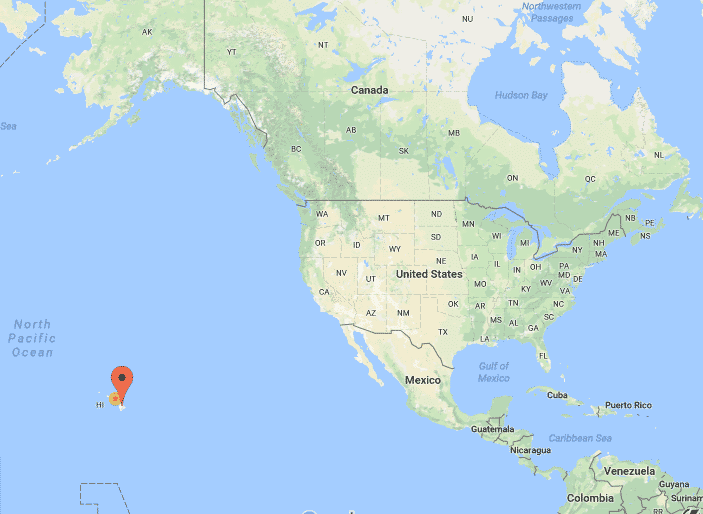
The flight duration to Hawaii is not a one-size-fits-all answer. It varies significantly based on several critical factors, primarily your departure city, whether you opt for a direct or connecting flight, and even which specific Hawaiian island you choose as your final destination. Because Hawaii is the most isolated population center on Earth, situated nearly 2,400 miles from the U.S. mainland, expect a considerable amount of time in the air.
Key Factors Influencing Your Flight Time
Several elements contribute to the overall length of your flight to Hawaii:
- Departure City/Region: This is arguably the most significant factor. Flights from the West Coast of the United States (e.g., California, Washington, Oregon) are considerably shorter than those originating from the Midwest or East Coast. International flights will naturally have even longer durations.
- Direct vs. Connecting Flights: Non-stop flights will always be the quickest option. Connecting flights, while potentially more affordable or offering more flexible scheduling, add extra hours due to layovers and additional take-offs and landings. A connection might add anywhere from 3 to 8+ hours to your total travel time, depending on the length of the layover and the efficiency of the connection.
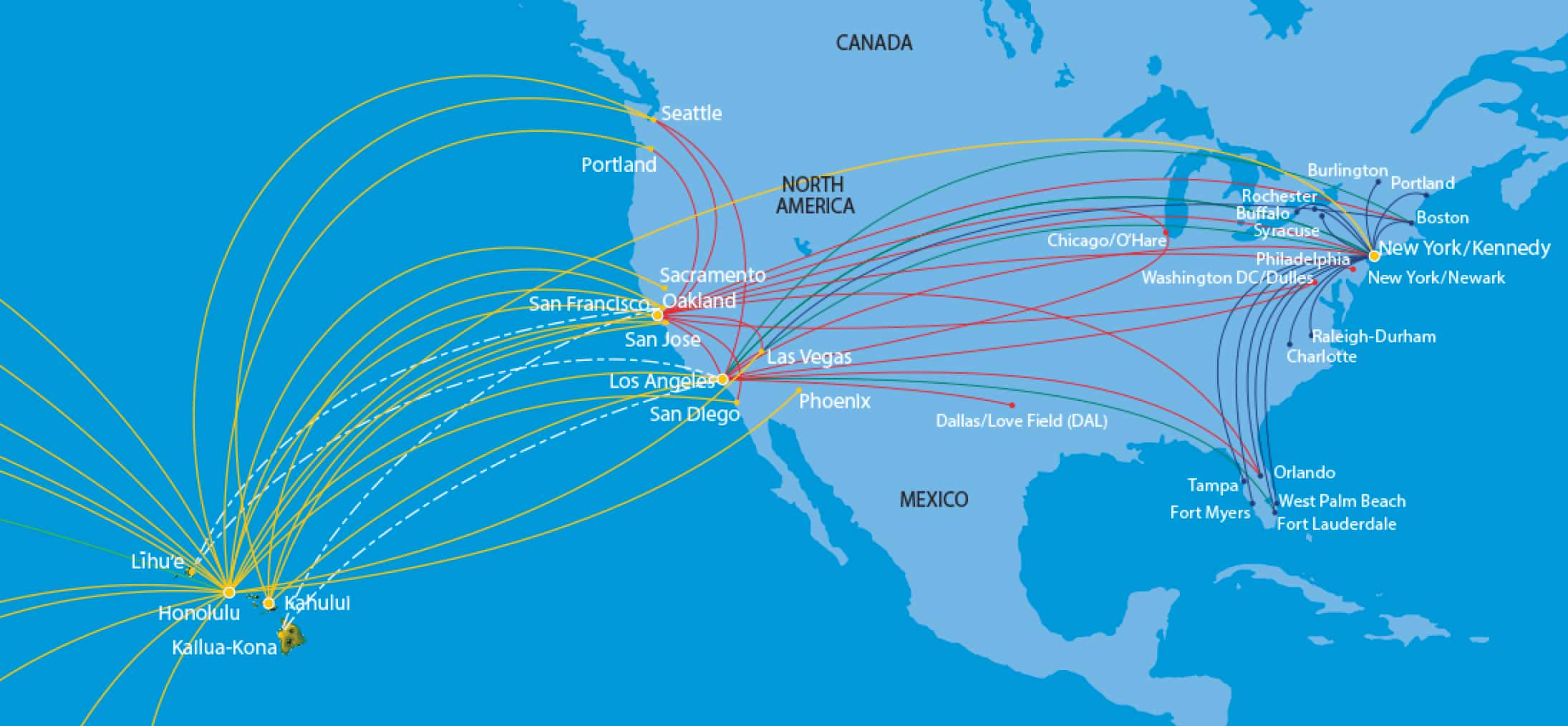
- Specific Hawaiian Island Destination: While most international and mainland flights land at Daniel K. Inouye International Airport (HNL) in Honolulu on Oahu, some airlines offer direct flights to other major islands like Maui (Kahului Airport – OGG), the Big Island (Kona International Airport – KOA or Hilo International Airport – ITO), and Kauai (Lihue Airport – LIH). If your final destination is one of the neighbor islands and you land in Honolulu first, you’ll need to factor in an additional inter-island flight, which typically adds 30 minutes to an hour of flight time, plus transfer and waiting times.
- Aircraft Type and Air Traffic Control: Larger, more modern aircraft can sometimes fly slightly faster or more efficiently. Air traffic control delays, headwinds, and tailwinds can also marginally affect actual flight times.
Typical Flight Times from Major U.S. Hubs
To give you a clearer picture, here are estimated direct flight durations from some major U.S. cities to Honolulu (HNL) or Kahului (OGG):
-
West Coast (e.g., Los Angeles, San Francisco, Seattle): These are the shortest flights.
- From Los Angeles (LAX) to HNL/OGG: Approximately 5 hours 30 minutes to 6 hours.
- From San Francisco (SFO) to HNL/OGG: Approximately 5 hours 30 minutes to 6 hours.
- From Seattle (SEA) to HNL/OGG: Approximately 6 hours to 6 hours 30 minutes.
-
Midwest (e.g., Chicago, Dallas/Fort Worth, Houston): These flights are significantly longer and often involve connections, though some direct options exist.
- From Chicago (ORD) to HNL: Approximately 8 hours 30 minutes to 9 hours (direct).
- From Dallas/Fort Worth (DFW) or Houston (IAH) to HNL: Approximately 8 hours to 8 hours 30 minutes (direct).
- Connecting flights from the Midwest could easily push total travel time to 12-15+ hours.
-
East Coast (e.g., New York City, Boston, Miami): These are the longest flights from the continental U.S. and often require connections, though some direct routes have emerged.
- From New York City (JFK/EWR) to HNL: Approximately 10 hours to 11 hours (direct).
- From Boston (BOS) or Miami (MIA) to HNL: Direct flights are rare; connecting flights typically range from 12-18+ hours total travel time.
International Gateways to the Aloha State
Hawaii is also a popular destination for international travelers, especially from the Asia-Pacific region.
- From Tokyo, Japan (NRT/HND) to HNL: Approximately 7 hours to 7 hours 30 minutes. Airlines like Japan Airlines and Hawaiian Airlines frequently service this route.
- From Sydney, Australia (SYD) to HNL: Approximately 9 hours to 10 hours.
- From Vancouver, Canada (YVR) to HNL: Approximately 5 hours 30 minutes to 6 hours.
These figures represent actual flight time and do not account for check-in, security, boarding, or potential delays. When planning your trip, always factor in these additional hours for a more realistic travel estimate.
Navigating the Long-Haul: Tips for a Comfortable Flight
Given that even the shortest flights to Hawaii are around 5.5 hours, and many travelers face journeys exceeding 8-10 hours, mastering the art of the long-haul flight is essential. A comfortable journey ensures you arrive feeling refreshed and ready to immerse yourself in the beauty of the islands, rather than battling fatigue.
Choosing Your Airline and Seat Wisely
Your choice of airline and seat can significantly impact your comfort. Major carriers such as Hawaiian Airlines, Delta Air Lines, United Airlines, Alaska Airlines, American Airlines, and Southwest Airlines all offer routes to Hawaii.
- Aircraft and Amenities: Research the aircraft type for your specific flight. Newer planes often offer better in-flight entertainment systems, Wi-Fi, and more comfortable seating. Many airlines provide complimentary meals and snacks on Hawaiian routes, but checking in advance is always wise.
- Seat Selection:
- Extra Legroom: Investing in economy plus or premium economy seats can be a game-changer for longer flights, offering precious extra inches to stretch out.
- Aisle vs. Window: An aisle seat provides easier access to restrooms and the ability to stand and stretch without disturbing others. A window seat offers views and a wall to lean against for sleeping.
- Avoid the Middle: Unless traveling with family or a group, aim to avoid the dreaded middle seat.
- Bulkhead or Exit Row: These seats often come with additional legroom but may have restrictions on stowing carry-on items during take-off and landing.

Essential Packing for the Journey
Smart packing for your carry-on can make all the difference. Think about what will keep you comfortable and entertained for several hours.
- Comfort Essentials:
- Neck Pillow and Eye Mask: Crucial for napping or sleeping.
- Noise-Canceling Headphones: Block out engine noise and chatter, making in-flight entertainment more enjoyable or allowing for quiet relaxation.
- Warm Layers: Cabin temperatures can fluctuate significantly. A sweater, scarf, or light blanket can provide warmth.
- Comfortable Clothing: Wear loose-fitting, breathable clothing.
- Compression Socks: Recommended for long flights to help with circulation and prevent swelling.
- Entertainment and Hydration:
- Loaded Devices: Tablet, e-reader, or smartphone with movies, shows, books, or podcasts downloaded. Don’t rely solely on in-flight entertainment, which can sometimes be unreliable.
- Portable Charger: Keep your devices powered up.
- Reusable Water Bottle: Stay hydrated by refilling it after security. Dehydration can exacerbate jet lag.
- Snacks: While some meals are provided, having your favorite healthy snacks on hand (nuts, fruit, granola bars) can prevent hunger pangs and offer healthier alternatives.
Beating Jet Lag and Arriving Refreshed
Hawaii’s time zone (Hawaii Standard Time – HST) can be significantly different from your departure point (e.g., 2-3 hours behind Pacific Time, 5-6 hours behind Eastern Time). Managing jet lag effectively is vital for an enjoyable start to your vacation.
- Adjust Before You Fly: A few days before your trip, gradually shift your sleep schedule closer to Hawaiian time.
- Hydrate and Avoid Alcohol/Caffeine: Drink plenty of water throughout your flight. Alcohol and excessive caffeine can disrupt sleep and worsen dehydration, amplifying jet lag symptoms.
- Move Around: Periodically walk the aisle, do light stretches, or engage in foot and ankle exercises to maintain circulation.
- Embrace the New Time Zone Immediately: Upon arrival, try to adapt to the local time as quickly as possible. If it’s daytime, resist the urge to nap for too long. Get some sunlight exposure, which helps reset your body clock. If it’s evening, try to stay awake until a reasonable bedtime.
- Light Exercise: A gentle walk on the beach or a swim can help invigorate you and promote better sleep later.
Beyond the Air: Making the Most of Your Hawaiian Escape
Once your long flight is behind you and you’ve adjusted to island time, Hawaii unveils a world of possibilities. The beauty of this destination lies not just in its iconic landmarks but also in its vibrant local culture, diverse activities, and a range of accommodation options to suit every travel style and budget.
Iconic Destinations and Unforgettable Experiences
Each Hawaiian island offers a unique charm and array of attractions. From adventurous hikes to serene beach days, there’s something for everyone.
- Oahu: Home to the capital city of Honolulu, Oahu blends urban sophistication with natural beauty. Explore the iconic sands of Waikiki Beach, hike to the summit of Diamond Head for panoramic views, or pay respects at the historic Pearl Harbor memorials. The North Shore beckons surfers with its legendary waves, while numerous cultural centers offer insights into traditional Hawaiian life.
- Maui: Known as “The Valley Isle,” Maui boasts stunning natural landscapes. Drive the scenic Road to Hana, witness a breathtaking sunrise from the summit of Haleakala National Park, or go whale watching (seasonal) off the coast of Lahaina. Its luxurious resorts and world-class golf courses also make it a favorite for upscale travelers.
- Kauai: “The Garden Isle” is a haven for nature lovers and adventurers. Marvel at the dramatic cliffs of the Na Pali Coast from a catamaran or helicopter tour, explore the vast Waimea Canyon (often called “The Grand Canyon of the Pacific”), or discover secluded beaches.
- Big Island: As the youngest and largest island, the Big Island offers incredible diversity. Witness active volcanoes at Hawaii Volcanoes National Park, snorkel in the pristine waters of Kealakekua Bay (where Captain Cook first landed), or relax on black sand beaches.
- Lanai and Molokai: For those seeking ultimate seclusion and a glimpse into old Hawaii, these smaller islands offer serene landscapes, luxury resorts on Lanai, and rugged, untouched beauty on Molokai.
Beyond specific landmarks, popular activities include snorkeling and scuba diving in vibrant coral reefs, surfing lessons for all skill levels, enjoying a traditional luau with hula dancing and local cuisine, hiking through lush rainforests to hidden waterfalls, and exploring local farmers’ markets.
Finding Your Perfect Hawaiian Home: Accommodation Options
Hawaii offers a spectrum of accommodation choices to match every preference and budget, ensuring your stay is as comfortable and memorable as your adventures.
- Luxury Resorts and Hotels: For those seeking an indulgent experience, Hawaii is home to some of the world’s most exquisite resorts. Imagine staying at the Four Seasons Resort Maui at Wailea with its oceanfront suites and impeccable service, the sprawling Grand Wailea, A Waldorf Astoria Resort known for its incredible pools, or the iconic pink palace, The Royal Hawaiian, A Luxury Collection Resort on Waikiki Beach. Other notable options include the Hyatt Regency Maui Resort and Spa and Aulani, A Disney Resort & Spa for family-focused luxury. These properties typically offer extensive amenities like spas, multiple dining options, concierge services, and exclusive beach access.
- Boutique Hotels and Charming Inns: For a more intimate and personalized experience, smaller hotels and inns provide unique character, often reflecting local culture and offering bespoke services. These can range from historical properties in Lahaina to secluded retreats on Kauai.
- Vacation Rentals (Villas, Apartments, Condos): Platforms like Airbnb and VRBO offer a vast selection of vacation rentals, from cozy apartments ideal for budget travel to spacious villas perfect for families or longer stays. These options often provide kitchens, allowing for self-catering, which can be a significant cost-saver and offers a more local living experience.
- Budget-Friendly Options: While Hawaii can be an expensive destination, it is possible to travel on a budget. Hostels, smaller hotels, and guesthouses, particularly in areas slightly outside the main tourist hubs, can offer more affordable rates. Camping is also an option in designated state and national parks for the truly adventurous and budget-conscious.
When booking your accommodation, consider its proximity to attractions, dining, and transportation, as well as the amenities that are most important for your travel style – whether it’s a luxurious pool, a full kitchen, or simply a comfortable bed after a day of exploration.
Embracing the Local Lifestyle and Culture
A trip to Hawaii is more than just sightseeing; it’s an opportunity to immerse yourself in a unique culture shaped by Polynesian traditions and modern influences.
- Local Cuisine: Don’t miss out on local delicacies. Try poke bowls, fresh seafood, kalua pig, loco moco, shaved ice, and tropical fruits. Explore local eateries, food trucks, and farmers’ markets for authentic flavors and experiences.
- Respectful Tourism: Hawaii values “Malama Aina” – caring for the land. Practice responsible tourism by respecting natural environments, cultural sites, and local communities. Learn a few Hawaiian phrases, like “Aloha” (hello/goodbye/love) and “Mahalo” (thank you), to show respect.
- Activities Beyond the Tourist Path: While the popular attractions are a must-see, consider exploring less-frequented areas, attending local festivals, or volunteering for a conservation project to gain a deeper appreciation for the islands. Family trips can include educational visits to historical sites, while luxury travelers might enjoy private chef experiences or exclusive yacht charters. Budget travelers can find joy in free hiking trails and public beach access.
Planning Your Hawaiian Adventure: A Final Look
While the flight to Hawaii can be a significant undertaking, ranging from approximately 5.5 hours from the West Coast to 10+ hours from the East Coast or international destinations, the reward of arriving in this tropical paradise far outweighs the journey. By understanding the factors that influence flight duration, strategically planning for comfort, and embracing effective jet lag management, you can transform a potentially arduous trip into a smooth and enjoyable start to your vacation.
From the moment you touch down at Daniel K. Inouye International Airport or any other island gateway, Hawaii offers an unparalleled experience. Whether your ideal trip involves lounging on the world-renowned Waikiki Beach, exploring the dramatic landscapes of the Na Pali Coast, witnessing the raw power of Hawaii Volcanoes National Park, or indulging in the amenities of a five-star Four Seasons Resort Maui at Wailea, the islands promise unforgettable memories.
Careful planning regarding your flights, choosing the right accommodation—from opulent resorts to charming Airbnb rentals—and immersing yourself in the rich local culture will ensure that your Hawaiian adventure is everything you’ve dreamed of and more. Embrace the journey, for every hour in the air brings you closer to the “Aloha Spirit” and the unparalleled beauty of the Hawaiian Islands.
LifeOutOfTheBox is a participant in the Amazon Services LLC Associates Program, an affiliate advertising program designed to provide a means for sites to earn advertising fees by advertising and linking to Amazon.com. Amazon, the Amazon logo, AmazonSupply, and the AmazonSupply logo are trademarks of Amazon.com, Inc. or its affiliates. As an Amazon Associate we earn affiliate commissions from qualifying purchases.