
The concept of a second chance resonates deeply across various facets of life, touching upon personal growth, professional development, and ultimately, civic participation. For individuals who have served their time and are striving to rebuild their lives, the ability to regain the right to vote marks a significant milestone in their journey of reintegration. In the vast and diverse landscape of Texas, understanding this path is not merely about legal technicalities; it’s about appreciating a profound lifestyle transformation, a voyage from past mistakes to active citizenship within the community. This article delves into the specific timeline and requirements for felons to vote in Texas, framing it within the broader narrative of re-entry, the pursuit of a fulfilling lifestyle, and the vibrant communities that welcome and support this essential transition. It’s a journey that, much like exploring a new destination, requires guidance, understanding, and a commitment to active engagement.

The Path to Reintegration: Understanding Texas Voting Rights
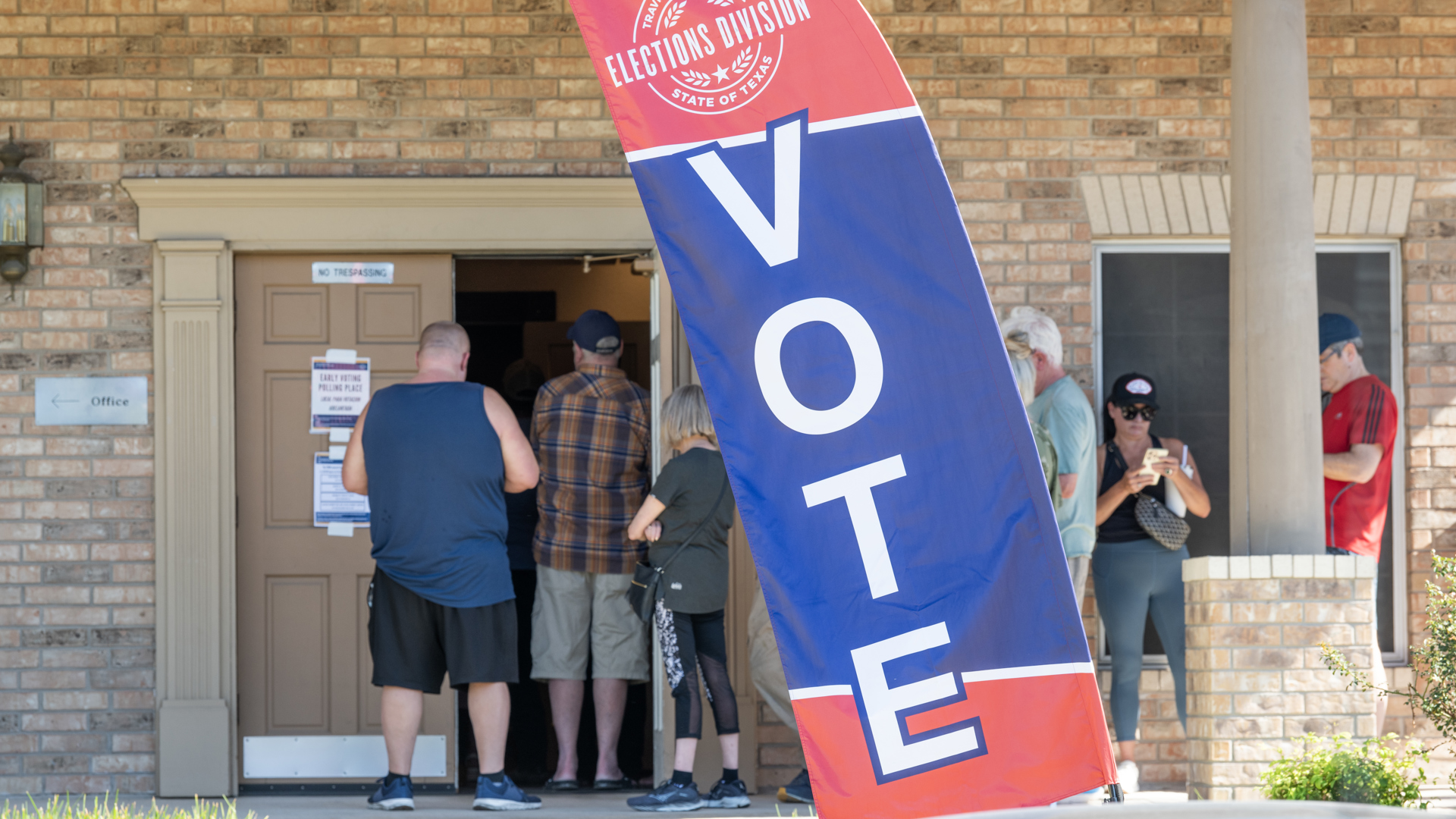
Embarking on the road to civic re-engagement after a felony conviction in Texas is akin to planning a significant life trip. It involves understanding the rules of the road, preparing for the journey ahead, and appreciating the ultimate destination: full participation in the democratic process. Unlike some states that impose lifetime bans, Texas offers a clear and achievable path for individuals to regain their voting rights once they have fulfilled specific conditions. This commitment to second chances underscores a crucial aspect of the United States‘s justice system, emphasizing rehabilitation and the eventual return to active community life.
Navigating the Legal Landscape: Eligibility and Timeframes
The fundamental rule for restoring voting rights in Texas is straightforward: an individual who has been convicted of a felony regains their right to vote upon the completion of their sentence. This seemingly simple phrase encompasses several critical components. “Completion of their sentence” means that the person must have finished any period of incarceration, parole, or probation associated with their felony conviction. This isn’t a vague timeline; it’s a definitive point marking the end of the legal obligations tied to the conviction. Once all these conditions are met, the individual is immediately eligible to register and vote. There is no waiting period beyond the actual fulfillment of the sentence terms. This means that unlike the complex itineraries of international travel, where visas and waiting periods can add layers of complexity, the path to voting rights in Texas is comparatively direct once the core requirements are satisfied. It’s a testament to the state’s approach to rehabilitation, acknowledging that once the debt to society is paid, civic privileges should be restored. Understanding one’s exact status – whether parole has ended, or probation terms are fully discharged – is the first crucial step in planning this particular journey back to full citizenship. Many individuals find that seeking clarity from their probation or parole officers, or even legal aid services, can provide the precise confirmation needed to move forward with voter registration.
Beyond the Ballot Box: Rebuilding a Life in the Lone Star State
While regaining the right to vote is a monumental step, it is often a single facet of a much larger and more intricate process of rebuilding a life. For many, this journey involves finding stable accommodation, securing meaningful employment, and re-establishing social and familial connections. Texas, with its vast expanse, diverse economy, and welcoming spirit, offers numerous opportunities for those seeking a fresh start. From the bustling metropolitan areas like Houston and Dallas, which are hubs for industry and innovation, to the more laid-back charm of cities like Austin or the historic allure of San Antonio, the state presents a kaleidoscope of environments where individuals can carve out a new lifestyle.
The “Lone Star State” isn’t just a place of scenic beauty and unique cultural landmarks; it’s a dynamic economy that consistently generates jobs across various sectors, from technology and energy to healthcare and manufacturing. This economic vitality can be a crucial factor for individuals re-entering society, providing the essential foundation for self-sufficiency and stability. Finding suitable employment often goes hand-in-hand with securing long-term accommodation and integrating into a new community. The journey of rebuilding a life in Texas is not merely about finding a job or a place to live; it’s about discovering a sense of belonging, contributing positively to society, and embracing the myriad opportunities that the state offers for personal growth and community engagement. This broad approach to reintegration ensures that the right to vote is not an isolated privilege, but rather a crowning achievement in a holistic process of personal transformation and active participation in the rich tapestry of Texan life.
A Traveler’s Guide to Civic Re-engagement in Texas Communities
Just as an intrepid traveler explores new destinations with an open mind and a desire to connect, those embarking on the path of civic re-engagement in Texas can benefit from understanding the resources and communities available to them. This phase of the journey is less about specific legal deadlines and more about actively seeking out support, fostering personal growth, and engaging with the unique cultural fabric of the state. It’s about becoming a thoughtful participant in local tourism – not just observing, but truly immersing oneself in the community spirit.
Discovering Supportive Communities: Resources and Local Support
Across Texas, numerous organizations and community programs are dedicated to assisting individuals with their re-entry journey. These groups act as invaluable guides, offering resources for employment, housing, education, and social support. In major urban centers like Houston, for example, you can find non-profits specializing in job placement and vocational training, helping individuals secure stable careers. Dallas offers a range of services from legal aid for expungement processes to mentorship programs designed to foster personal development and reintegration into society. In Austin, known for its vibrant community and progressive initiatives, programs often focus on skill-building and entrepreneurship, encouraging individuals to tap into the city’s dynamic job market. Even smaller cities and towns across the state often have local churches, community centers, or government-funded initiatives that provide crucial support.
These support networks are vital because they offer more than just practical assistance; they provide a sense of belonging and a community that understands the unique challenges of reintegration. Connecting with these groups can transform a potentially solitary journey into a shared experience, reinforcing the idea that no one has to navigate this path alone. Much like finding a welcoming hotel or a cozy resort after a long day of travel, these communities offer a place of stability and encouragement, laying the groundwork for a successful and active lifestyle. Engaging with these local resources is not just about seeking help; it’s about building new relationships, contributing one’s unique perspective, and becoming an active, valued member of the Texan community.
The Journey of Self-Improvement: Education and Skill Development
Reintegration is also a profound journey of self-improvement, where individuals often dedicate themselves to personal growth and skill development. This phase can be likened to exploring new educational destinations or embarking on a learning tour to acquire new expertise. Texas boasts a robust educational system, offering a wide array of opportunities for former felons to enhance their qualifications, pursue higher education, or gain vocational skills. Community colleges across the state, such as those in Fort Worth, El Paso, or San Antonio, provide accessible and affordable pathways to certifications, associate degrees, and foundational knowledge for various trades. These institutions often have programs tailored to non-traditional students and can be invaluable in bridging employment gaps.
Furthermore, many non-profit organizations, in partnership with local businesses and government agencies, offer specialized vocational training programs. These might range from construction and welding to IT support and culinary arts, equipping individuals with marketable skills demanded by the Texan economy. The pursuit of education and skill development is more than just a means to secure employment; it’s an investment in a new lifestyle and a reaffirmation of personal agency. It helps individuals cultivate confidence, expand their horizons, and demonstrate their commitment to positive change. By embracing these educational opportunities, former felons are not only increasing their employability but are also actively shaping their future, making a conscious choice to become more valuable contributors to their communities. This continuous journey of learning and self-improvement is a cornerstone of successful reintegration, enabling them to stand tall as informed, capable, and active citizens ready to exercise their newly restored right to vote.
Embracing a New Chapter: Lifestyle, Accommodation, and Active Citizenship
The culmination of the journey towards regaining voting rights in Texas is not merely about checking a legal box; it’s about fully embracing a new chapter of life characterized by stability, community engagement, and active citizenship. This phase seamlessly blends the practical necessities of a fulfilling lifestyle — such as securing appropriate accommodation — with the deeper aspiration of contributing to the vibrant social and political landscape of the state. It’s about transitioning from being an observer to becoming an engaged participant in the dynamic tapestry of Texan culture, much like a seasoned traveler who moves beyond fleeting visits to truly integrate with a new place.
Finding Your Place: Accommodation and Stability
Stable housing is undeniably a cornerstone of successful reintegration. It provides a foundation upon which all other aspects of rebuilding a life — employment, education, and community involvement — can securely rest. In Texas, the search for suitable accommodation can vary widely depending on the region. In bustling cities like Houston or Dallas, a range of options exists, from apartment rentals to shared living arrangements. Many re-entry programs and non-profits also facilitate access to transitional housing or sober living environments, providing crucial support during the initial phases of re-establishment. These facilities often offer more than just a roof over one’s head; they create a supportive community, offer mentorship, and help individuals navigate daily challenges.
For those looking for long-term solutions, understanding the local rental markets and exploring various neighborhoods is key. Resources are available to assist with rental applications, security deposit assistance, and understanding tenant rights, ensuring that individuals can find safe and affordable places to call home. Just as a traveler might research hotels or villas for an extended stay, those rebuilding their lives invest considerable effort in finding the right accommodation that aligns with their new lifestyle and fosters stability. This critical element ensures that individuals have a secure base from which to engage with their communities, pursue employment, and ultimately, exercise their civic duties. The ability to return to a stable home environment after casting a ballot underscores the full circle of their journey.
From Observer to Participant: Engaging with Texas Culture and Politics
With stable accommodation and the foundation of a new lifestyle in place, the journey culminates in active participation in Texas culture and politics. The restored right to vote is a powerful symbol of this transition, moving individuals from a position of societal detachment to one of empowered engagement. Texas is a state rich in history, diverse cultures, and vibrant community life, offering countless avenues for involvement. From volunteering at local food banks or community gardens to attending town hall meetings, joining civic groups, or participating in cultural festivals, there are myriad ways to connect and contribute.
Imagine visiting historical sites like The Alamo in San Antonio, not just as a casual tourist, but as a citizen reflecting on the historical struggles and triumphs that shaped the state, understanding the deep roots of civic duty. Or perhaps exploring the NASA Johnson Space Center in Houston, marveling at human ingenuity and ambition, and realizing that one’s own vote contributes to the future of such endeavors. Even engaging with local political discourse, attending city council meetings, or advocating for specific community needs becomes a meaningful part of this renewed citizenship. The famous River Walk in San Antonio, bustling with life, can serve as a metaphor for the confluence of diverse individuals contributing to the energetic flow of society.
This deep engagement moves beyond mere passive observation. It transforms the act of voting into a conscious choice to shape the future of one’s community, state, and country. It’s a testament to the idea that every voice matters, and every individual, regardless of their past, has the potential to contribute meaningfully to the democratic process. The journey of reintegration in Texas is thus a holistic one, encompassing legal rights, personal development, community building, and ultimately, the profound satisfaction of active, informed citizenship.
The path for a felon to regain the right to vote in Texas is a clear and defined one: it begins the moment their full sentence, including any period of incarceration, parole, or probation, is completed. This pivotal moment marks the beginning of a larger, deeply personal journey of reintegration and civic renewal. Far more than a mere legal formality, it represents a commitment to personal growth, the establishment of a stable lifestyle, and active engagement within supportive communities across the Lone Star State. From finding stable accommodation and pursuing educational opportunities to engaging with local tourism and cultural landmarks, every step along this path helps to weave individuals back into the fabric of society. Texas stands as a testament to the belief in second chances, offering a welcoming landscape for those ready to embrace their responsibilities and contribute their voices to the democratic future of the United States. It is a journey that, like any profound travel experience, enriches not only the individual but also the vibrant communities they choose to call home.
LifeOutOfTheBox is a participant in the Amazon Services LLC Associates Program, an affiliate advertising program designed to provide a means for sites to earn advertising fees by advertising and linking to Amazon.com. Amazon, the Amazon logo, AmazonSupply, and the AmazonSupply logo are trademarks of Amazon.com, Inc. or its affiliates. As an Amazon Associate we earn affiliate commissions from qualifying purchases.