
For families residing in or considering a move to Florida, understanding the nuances of healthcare coverage for children is paramount. Medicaid serves as a vital safety net for many, providing comprehensive health services to low-income individuals and families. However, the specifics of eligibility, particularly concerning how long a child can remain enrolled, can often be a source of confusion. This article delves into the duration of children’s Medicaid coverage in Florida, offering insights crucial for families in their long-term lifestyle and financial planning.
Understanding Medicaid’s Role in Family Lifestyles in Florida
Choosing a place to live and raise a family involves much more than just finding a home; it’s about crafting a sustainable and supportive lifestyle. For many, Florida’s attractive climate, diverse communities, and economic opportunities make it an appealing choice. Yet, underpinning any sound family lifestyle plan is access to reliable healthcare.
The Importance of Healthcare Planning for Families
Effective healthcare planning is a cornerstone of responsible family management. It ensures that children receive necessary medical care, from routine check-ups and immunizations to specialized treatments and emergency services. Without adequate coverage, families can face significant financial burdens, impacting their ability to save, invest, and maintain overall financial stability. For families managing tight budgets, or those experiencing unforeseen economic shifts, publicly funded programs like Medicaid become indispensable tools for maintaining health and peace of mind. Understanding the longevity of such programs for children directly influences decisions about housing, employment, and future family growth, deeply integrating with lifestyle choices.
Florida’s Appeal and Healthcare Considerations
Florida’s status as a popular destination for families, whether for vacations, relocation, or long-term residency, highlights the importance of its healthcare infrastructure. The state attracts a diverse population, from retirees to young families, all with varying healthcare needs. For those establishing roots in the Sunshine State, or even considering an extended stay, knowing the intricacies of Medicaid for children can be a deciding factor. It directly impacts a family’s budget, their access to local providers, and their overall sense of security in their chosen Florida lifestyle. A clear understanding prevents disruption in care, allowing children to maintain continuous access to their doctors and medical treatments, regardless of changes in family income or circumstances.
Eligibility Criteria and Age Limits for Florida Medicaid
The duration a child can stay on Medicaid in Florida is fundamentally tied to eligibility criteria, primarily focusing on age and household income. These parameters define who qualifies for the program and for how long.
General Program Overview: Medicaid in Florida
Medicaid in Florida is administered by the Florida Agency for Health Care Administration (AHCA) and provides comprehensive medical assistance to eligible low-income Florida residents. This includes a broad range of services such as doctor visits, hospital care, prescription drugs, mental health services, and dental care. For children, the program aims to ensure early and continuous access to health services, promoting healthy development and preventing chronic conditions. The specifics of eligibility can vary slightly based on the particular Medicaid program a child qualifies for, but general guidelines apply across the board.
Age-Based Eligibility for Children
One of the most common questions revolves around the age limit for children on Medicaid. In Florida, children are generally eligible for Medicaid up to the age of 19. This means that from birth through their 18th birthday, a child may qualify for coverage if their family meets the income and other eligibility requirements. This extended period of coverage is critical, as it spans the formative years of a child’s life, ensuring consistent access to pediatric care and supporting their physical and mental development. This continuity of care is a significant benefit for families, reducing the stress associated with finding new insurance as children grow.
Income and Household Requirements
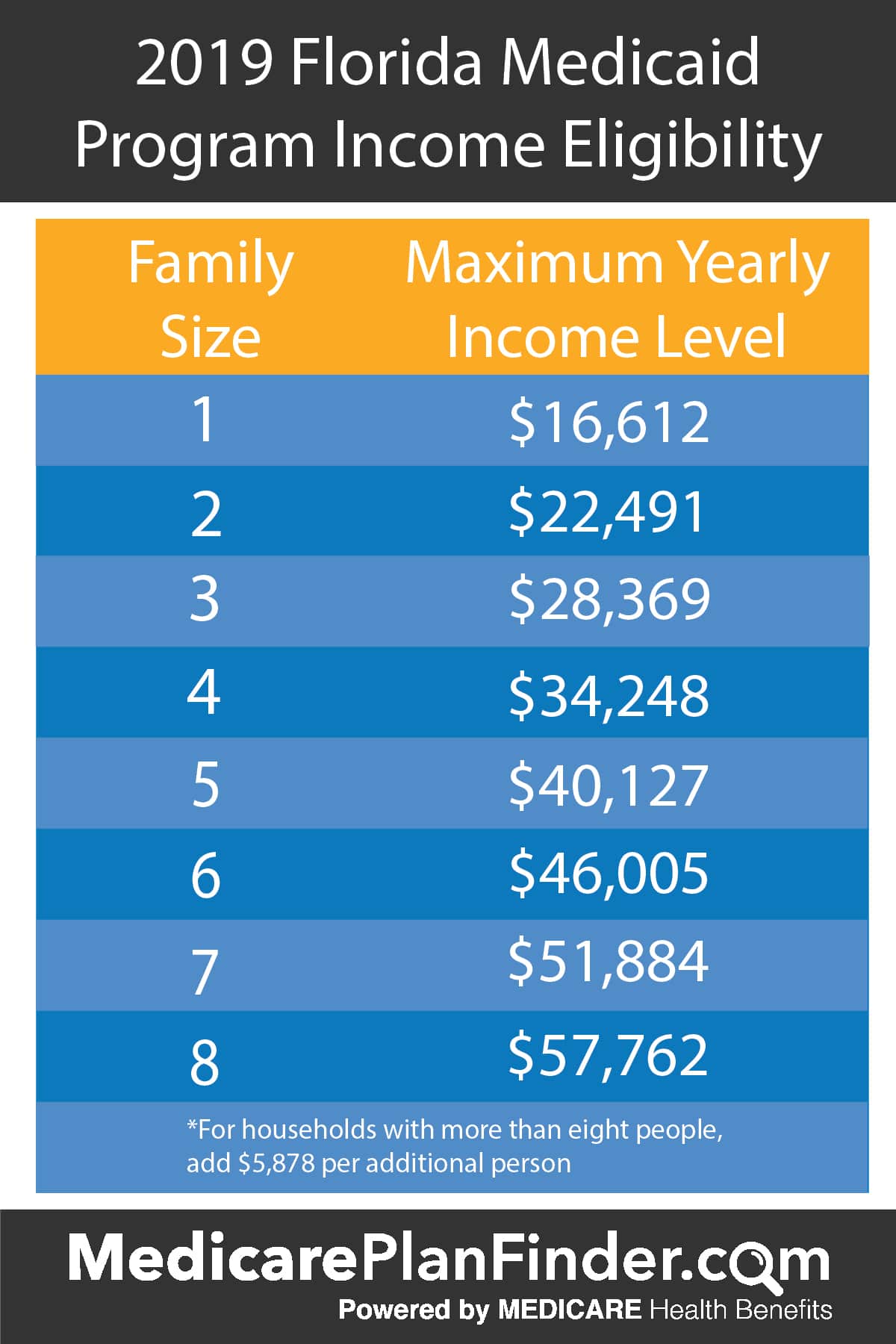
Beyond age, the primary determinant of Medicaid eligibility for children in Florida is the family’s Modified Adjusted Gross Income (MAGI) relative to the Federal Poverty Level (FPL). The specific income thresholds can vary and are subject to change, but generally, children in households with incomes up to certain percentages of the FPL are eligible. For instance, infants (under one year old) and pregnant women often have higher income thresholds for eligibility, reflecting a focus on maternal and infant health.
The household size is also a critical factor, as income limits increase with more family members. Assets are typically not counted for most child and family Medicaid programs, making income the predominant factor. Families must accurately report their income, household composition, and any changes to ensure continued eligibility. Failing to do so can lead to a loss of coverage or even overpayment issues, underscoring the need for diligence in reporting.
Navigating Continuous Coverage and Redeterminations
Maintaining continuous Medicaid coverage for a child requires active participation from the family, particularly through annual reviews and promptly reporting any changes that may affect eligibility. Understanding these processes is vital for seamless healthcare access.

Annual Reviews and Renewal Processes
To ensure that only eligible individuals continue to receive benefits, Medicaid eligibility is typically redetermined on an annual basis. Families with children on Medicaid in Florida will receive a renewal notice, usually by mail, asking them to provide updated information on their income, household size, and other relevant details. It is crucial for families to complete and submit these renewal forms promptly, often with supporting documentation, to avoid any lapse in coverage.
During this redetermination process, state agencies review the family’s current circumstances against the prevailing eligibility criteria. If the child still meets all requirements, their Medicaid coverage will be renewed for another year. This annual cycle is a critical aspect of managing healthcare within a family’s lifestyle, requiring proactive engagement to maintain benefits.
Impact of Changing Family Circumstances
Life circumstances are rarely static, and changes within a family can directly impact a child’s Medicaid eligibility. Significant events such as a parent getting a new job with a higher income, a change in household size (e.g., birth of another child, an adult moving out), or a change in residency must be reported to the Florida Agency for Health Care Administration. These changes could potentially alter the family’s MAGI, leading to a redetermination of eligibility outside the annual cycle.
If a family’s income increases above the Medicaid threshold, the child may lose eligibility. However, states are required to provide a period of “express lane” eligibility and other protections, especially for children. It’s also important to note that even if a child loses Medicaid, they may still qualify for other state or federal health insurance programs, such as the Florida Healthy Kids program.
The Role of the Florida Healthy Kids Program
In Florida, children who are not eligible for Medicaid due to slightly higher household incomes may qualify for the Florida Healthy Kids program. This is part of the federal Children’s Health Insurance Program (CHIP). Florida Healthy Kids provides affordable, comprehensive health insurance for children aged 5 through 18. Families typically pay a low monthly premium based on their income, but many benefits are covered, including doctor visits, prescription drugs, dental care, and mental health services. For children under five, similar programs like MediKids and Healthy Kids are available.
This program serves as a crucial bridge for families whose income exceeds Medicaid limits but who still struggle to afford private health insurance. It ensures that even as family incomes fluctuate, children can maintain access to affordable health coverage, providing continuity of care within their family’s evolving lifestyle.
Transitioning Beyond Child Medicaid: Future Healthcare Planning
As children grow and eventually age out of child Medicaid programs, proactive planning becomes essential to ensure continued access to healthcare. This transition period, typically around ages 18 or 21, marks a significant shift in a young person’s healthcare journey.
Options for Young Adults After Age 18/21
Upon turning 19, a young adult in Florida will typically age out of the child Medicaid program. At this point, their eligibility will be re-evaluated based on adult Medicaid criteria, which often have stricter income limits or are tied to specific conditions (e.g., pregnancy, disability). Many young adults will no longer qualify for traditional Medicaid solely based on their income.
However, several other avenues for coverage open up. If the young adult is still a student or financially dependent, they may be able to remain on a parent’s private health insurance plan until age 26 under the Affordable Care Act. For those who do not have access to employer-sponsored plans or parental coverage, exploring options through the Affordable Care Act Marketplace becomes critical.
Exploring the Affordable Care Act Marketplace
The Affordable Care Act Marketplace (also known as the health insurance exchange) offers a platform where individuals and families can shop for health insurance plans. Many young adults who age out of Medicaid will find suitable options here. Depending on their income, they may be eligible for subsidies (premium tax credits and cost-sharing reductions) that significantly lower the cost of monthly premiums and out-of-pocket expenses. This makes private health insurance more accessible and affordable, bridging the gap between child Medicaid and independent adult coverage. The special enrollment period triggered by losing Medicaid eligibility provides an opportunity to enroll outside of the typical open enrollment period.

Long-Term Healthcare Strategies for Families
For families, anticipating these transitions and integrating them into a long-term lifestyle plan is crucial. This involves:
- Financial Literacy: Educating young adults about managing their own healthcare and insurance.
- Budgeting: Factoring potential health insurance premiums and out-of-pocket costs into household budgets.
- Open Communication: Discussing healthcare needs and options as children approach adulthood.
- Staying Informed: Keeping up-to-date with changes in Medicaid policies, ACA Marketplace offerings, and other state-specific programs.
By understanding how long a child can stay on Medicaid in Florida and planning for subsequent healthcare solutions, families can ensure continuous coverage and maintain the health and well-being of their children as they grow, contributing to a stable and secure family lifestyle. It’s about empowering young adults to navigate their healthcare independently while providing them with the necessary foundation for a healthy future.
LifeOutOfTheBox is a participant in the Amazon Services LLC Associates Program, an affiliate advertising program designed to provide a means for sites to earn advertising fees by advertising and linking to Amazon.com. Amazon, the Amazon logo, AmazonSupply, and the AmazonSupply logo are trademarks of Amazon.com, Inc. or its affiliates. As an Amazon Associate we earn affiliate commissions from qualifying purchases.