
California, a state renowned globally for its vibrant culture, stunning landscapes, and innovative industries, also presents a complex economic landscape. While it offers unparalleled opportunities for travel, lifestyle, and unique accommodation experiences, the reality for many residents involves navigating the intricacies of its job market. Economic fluctuations, industry shifts, or unforeseen personal circumstances can sometimes lead individuals to seek the support offered by unemployment benefits. Understanding how long one can receive these benefits in the Golden State is crucial for financial planning and maintaining a sense of stability. Whether you’re considering a long-term stay in one of its bustling cities or simply trying to manage a temporary setback, a clear grasp of California’s unemployment insurance system is invaluable. This guide delves into the duration, eligibility, and procedural aspects of unemployment benefits, offering a comprehensive overview for residents and those considering a future in this dynamic state.
Navigating California’s Unemployment Insurance System
The Unemployment Insurance (UI) program in California is designed to provide temporary financial assistance to eligible workers who have lost their jobs through no fault of their own. It serves as a vital safety net, allowing individuals to cover essential living expenses while they actively seek new employment opportunities. Understanding the foundational elements of this system is the first step toward effective financial management during periods of joblessness.
Understanding the Fundamentals of UI Benefits
At its core, Unemployment Insurance (UI) is a joint federal and state program that provides temporary wage replacement to eligible individuals. In California, this program is administered by the Employment Development Department (EDD). It’s not a handout but an earned benefit, funded by employer contributions based on the wages paid to their employees. This system ensures that workers who have diligently contributed to the state’s economy have a resource to fall back on during difficult times.
What is Unemployment Insurance (UI)?
UI benefits offer a financial cushion, helping individuals bridge the gap between jobs. This temporary income support is crucial for maintaining economic stability, not just for the individual and their family, but also for local communities. It allows claimants to cover basic needs like housing, food, and utilities, thereby preventing a sudden and drastic drop in their quality of life. For many, this support can mean the difference between maintaining their lifestyle in a preferred neighborhood or being forced to relocate, potentially impacting their overall connection to California’s diverse tourism and lifestyle offerings.
Who is Eligible for UI in California?
Eligibility for UI in California is determined by both monetary and non-monetary criteria. Claimants must meet specific requirements to qualify for benefits.
- Monetary Eligibility: To be monetarily eligible, you must have earned sufficient wages during a specific “base period.” The EDD typically looks at wages earned in the first four of the last five completed calendar quarters before you filed your claim. There’s a minimum earnings threshold you must meet, which varies but generally requires a certain amount of income in at least two quarters of your base period. This ensures that only individuals with a recent history of substantial employment contribute to and benefit from the system.
- Non-Monetary Eligibility: Beyond earnings, non-monetary requirements address the circumstances surrounding your job loss. Generally, you must have lost your job through no fault of your own (e.g., laid off due to lack of work, plant closure). If you quit your job, it must have been for “good cause.” If you were fired, it must not have been for “misconduct.” Additionally, you must be physically able to work, available for work, and actively seeking new employment. These criteria are critical to ensuring the program supports those genuinely in need of assistance while they search for new opportunities.
Calculating Your Weekly Benefit Amount (WBA)
Your Weekly Benefit Amount (WBA) in California is calculated based on your earnings during your highest-paid quarter within your base period. While the exact formula can be complex, the EDD website provides a calculator to help estimate your potential WBA. As of recent updates, the maximum WBA in California is a significant figure, reflecting the state’s higher cost of living. This maximum amount, however, does not always reflect the full wages earned by some professionals, necessitating careful budgeting and perhaps adjusting lifestyle expectations during a benefit period.
Duration of Benefits and Extended Programs
The central question for many is, “How long can you actually get unemployment benefits in California?” The answer is not always straightforward, as it depends on both state law and potential federal extensions, which often come into play during periods of high unemployment.
Standard Benefit Duration
Under regular state law, eligible claimants in California can receive UI benefits for a maximum of 26 weeks within a one-year benefit period. This 26-week duration is standard in many states across the United States and is designed to provide a reasonable window for job searching. For many, this period is sufficient to find new employment, especially in a state like California with a diverse and often robust job market. However, for others, particularly those in niche industries or during economic downturns, 26 weeks may not be enough to secure a new position that aligns with their skills and previous income level.
Federal Extensions and Special Programs (Historical Context and Current Relevance)
During periods of severe economic distress, such as recessions or pandemics, the federal government often steps in to provide extensions to state unemployment benefits. These programs have historically played a crucial role in preventing widespread financial hardship and supporting individuals beyond the standard 26 weeks. While specific programs like those enacted during the COVID-19 pandemic have expired, understanding their mechanisms provides insight into how future crises might be addressed.
Pandemic Unemployment Assistance (PUA)
The Pandemic Unemployment Assistance (PUA) program was a groundbreaking federal initiative introduced during the COVID-19 pandemic. Unlike traditional UI, PUA extended benefits to individuals who were not typically eligible for regular unemployment, such as self-employed workers, freelancers, gig workers, and independent contractors. This was particularly significant in California, a hub for the gig economy, providing a lifeline to many whose livelihoods were severely impacted. PUA also covered individuals who exhausted their regular UI benefits and those who couldn’t work due to pandemic-related reasons, such as school closures or self-quarantine. The program significantly broadened the scope of unemployment aid, recognizing the evolving nature of work and the unprecedented challenges posed by the pandemic.
Pandemic Emergency Unemployment Compensation (PEUC)
The Pandemic Emergency Unemployment Compensation (PEUC) program provided additional weeks of benefits to individuals who had exhausted their regular state UI benefits. It effectively extended the standard 26 weeks, offering a crucial bridge for those struggling to find work in a pandemic-altered economy. The number of additional weeks varied throughout the pandemic, but at its peak, it significantly prolonged the duration of assistance available to millions across the United States, including many in California who faced prolonged job searches.
Federal-State Extended Duration (FED-ED) Benefits
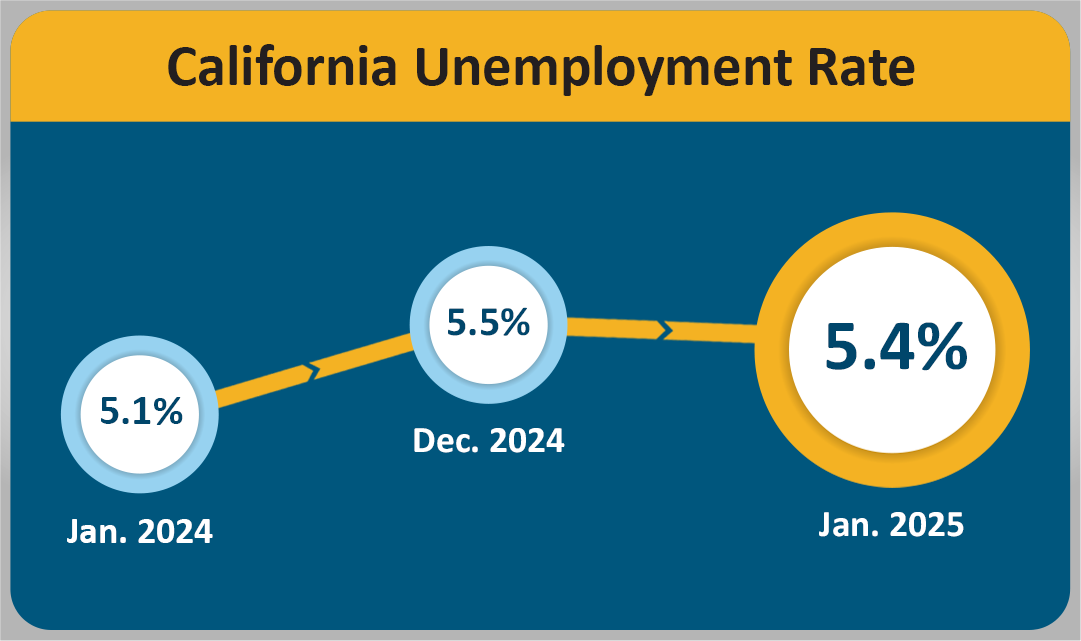
The Federal-State Extended Duration (FED-ED) program is a long-standing federal extension that can be triggered in states with high unemployment rates. Unlike the pandemic-specific programs, FED-ED is part of the permanent unemployment insurance law, though it is only active when certain economic indicators are met. If triggered, FED-ED can provide up to 20 additional weeks of benefits after a claimant exhausts both their regular UI and any PEUC benefits. This program is typically activated when a state’s insured unemployment rate reaches a specific threshold, signaling a more widespread and persistent job crisis. The availability of FED-ED benefits is dynamically tied to California’s economic conditions, reflecting the severity of joblessness within the state.
The Evolution of Unemployment Benefits During Economic Downturns
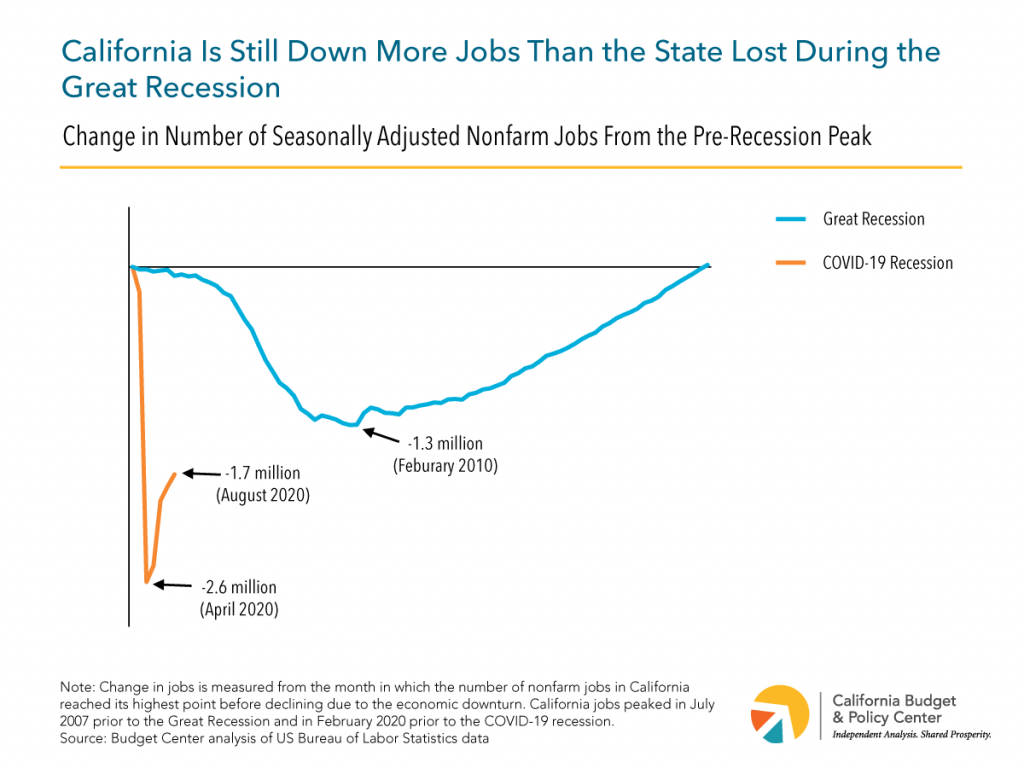
The history of unemployment benefits, especially in states like California which are often at the forefront of economic trends, is one of constant evolution. Each major economic downturn, from the Great Recession to the COVID-19 pandemic, has led to a re-evaluation and expansion of unemployment programs. These historical precedents illustrate that while the standard 26 weeks provides a baseline, federal intervention through programs like PUA, PEUC, and FED-ED can significantly extend the duration of benefits, often making the total possible benefit period much longer during severe crises. Therefore, while planning your finances, it’s essential to stay informed about current economic conditions and any potential federal legislative changes that might impact benefit duration.
The Application Process and Maintaining Eligibility
Securing unemployment benefits in California involves a clear, step-by-step application process, followed by ongoing requirements to maintain eligibility. Navigating this successfully ensures consistent support while you focus on your job search.
Steps to Apply for UI Benefits
The application process for UI benefits in California has become increasingly streamlined, with online portals being the primary method. However, preparation is key.
Gathering Necessary Information
Before filing, collect all essential documents and information. This typically includes your Social Security number, driver’s license number, mailing address, phone number, and information about your last employer(s) – their name, address, phone number, and the dates of your employment. You’ll also need the reason for separation and your gross wages. Having this information readily available will expedite the online application process and reduce potential delays.
Filing Your Claim Online or by Phone
The most efficient way to apply for UI in California is online through the EDD’s UI Online portal. This platform is available 24/7 and guides you through each section of the application. For those without internet access or who require assistance, claims can also be filed by phone during business hours. After filing, the EDD will review your claim and determine your eligibility and Weekly Benefit Amount (WBA).
The Waiting Period and First Payment
Historically, California had a one-week waiting period before benefits could be paid for eligible weeks. This means the first week you were eligible and certified for benefits would typically be unpaid. However, this waiting period has often been waived during federal emergency programs. It’s crucial to check the current status of the waiting period when you apply. Once your claim is processed and approved, payments are typically issued via a debit card or direct deposit.
Key Requirements for Ongoing Eligibility
Receiving unemployment benefits is not a one-time event; it requires ongoing effort and adherence to specific rules to maintain eligibility.
Certifying for Benefits
Every two weeks, you must “certify” for benefits, typically through the UI Online system. This involves answering a series of questions about your availability for work, any work you performed, and any earnings you received during the previous two-week period. This crucial step confirms that you still meet the eligibility criteria. Failure to certify on time can result in delayed or denied payments.
Actively Seeking Work
A fundamental requirement for receiving UI benefits is being actively engaged in searching for new employment. California requires claimants to make a reasonable effort to find a job each week. This generally involves contacting prospective employers, submitting resumes, and participating in job interviews. The EDD may require you to provide a log of your job search activities, so it’s wise to keep meticulous records. This requirement underscores the temporary nature of UI, encouraging claimants to transition back into the workforce as quickly as possible.
Reporting Income and Work History
It is imperative to accurately report any income you earn, even from part-time or temporary work, during your benefit weeks. Earning income while on UI does not necessarily disqualify you, but it will affect your WBA for that week. California has specific rules about how earnings are deducted from your benefits. Failing to report income accurately can lead to overpayments, which you would then be required to repay, and potentially penalties for fraud.
Understanding Disqualifications
Certain actions can lead to disqualification from receiving UI benefits. These include refusing suitable work without good cause, failing to participate in required reemployment services, or making false statements to the EDD. Understanding these potential pitfalls is vital to ensure an uninterrupted flow of benefits. The EDD takes fraud seriously, and claimants found to have intentionally misrepresented information can face severe penalties, including fines, imprisonment, and permanent disqualification from the program.
Financial Implications and Lifestyle Adjustments
Unemployment benefits, while a critical support, represent a significant change in income for most individuals. Understanding the financial implications, particularly concerning taxation, and making necessary lifestyle adjustments are crucial for managing this period effectively.
Taxation of Unemployment Benefits
A common misconception is that unemployment benefits are tax-free. However, this is not the case. Unemployment benefits are considered taxable income by both the federal government and the state of California. This means that the amounts you receive from the EDD are subject to income tax. You have the option to have federal taxes (and sometimes state taxes) withheld from your weekly payments, similar to how taxes are withheld from regular wages. Many people opt for this to avoid a large tax bill at the end of the year. The Internal Revenue Service (IRS) and the California Franchise Tax Board will consider these benefits when calculating your annual tax liability. The EDD will provide you with a 1099-G form detailing the total amount of unemployment benefits paid to you during the tax year, which you will need when filing your income tax returns. Failing to account for this can lead to unexpected tax burdens.
Impact on Financial Planning and Lifestyle in California
Receiving unemployment benefits often necessitates a re-evaluation of personal financial planning and lifestyle choices, particularly in a state with a high cost of living like California. While the maximum WBA is substantial, it rarely replaces 100% of a claimant’s previous income. This often means adjusting budgets, prioritizing essential expenses, and perhaps pausing certain discretionary spending, such as elaborate travel plans or dining out at high-end restaurants. It might also involve re-evaluating long-term accommodation choices, opting for more budget-friendly options, or considering temporary stays that reduce monthly outgoings. For individuals who have enjoyed the diverse lifestyle offerings of California, this period can be an opportunity to explore more affordable attractions, local tourism, and experiences that don’t heavily impact the wallet, such as hiking state parks or visiting free museums. Effective financial planning during unemployment is not just about survival, but about strategizing how to maintain stability and prepare for re-entry into the workforce.
Important Resources and Support
The Employment Development Department (EDD) website (edd.ca.gov) is the primary and most authoritative resource for all information related to California unemployment benefits. It provides detailed guides, FAQs, online tools, and contact information for claimant services. Additionally, the EDD offers various reemployment services, including job search assistance, workshops, and training programs, designed to help claimants find new jobs faster. Local workforce development boards and community organizations also offer valuable support, resources, and networking opportunities. Utilizing these resources can significantly shorten the duration of unemployment and ease the transition back into a fulfilling career.
In conclusion, while the standard duration for unemployment benefits in California is 26 weeks, various federal extension programs have historically and can in the future extend this period significantly during times of high unemployment. Understanding the eligibility criteria, the application process, and the ongoing requirements is paramount. For those navigating this challenging period in California, it’s crucial to stay informed, utilize available resources, and proactively manage finances and lifestyle expectations. By doing so, individuals can leverage the unemployment insurance system as it was intended: a temporary bridge to new opportunities and renewed stability in one of the world’s most dynamic states.
LifeOutOfTheBox is a participant in the Amazon Services LLC Associates Program, an affiliate advertising program designed to provide a means for sites to earn advertising fees by advertising and linking to Amazon.com. Amazon, the Amazon logo, AmazonSupply, and the AmazonSupply logo are trademarks of Amazon.com, Inc. or its affiliates. As an Amazon Associate we earn affiliate commissions from qualifying purchases.