
The concept of a hotel stay usually evokes images of a weekend getaway, a three-day business trip, or a week-long vacation in a sun-drenched coastal resort. However, as the boundaries between work, travel, and lifestyle continue to blur, a growing number of individuals are asking a more permanent question: how long can you actually stay in a hotel room? Whether driven by a nomadic career, a home renovation, or a desire for a service-oriented lifestyle, the answer is far more complex than a simple “as long as you can pay.”
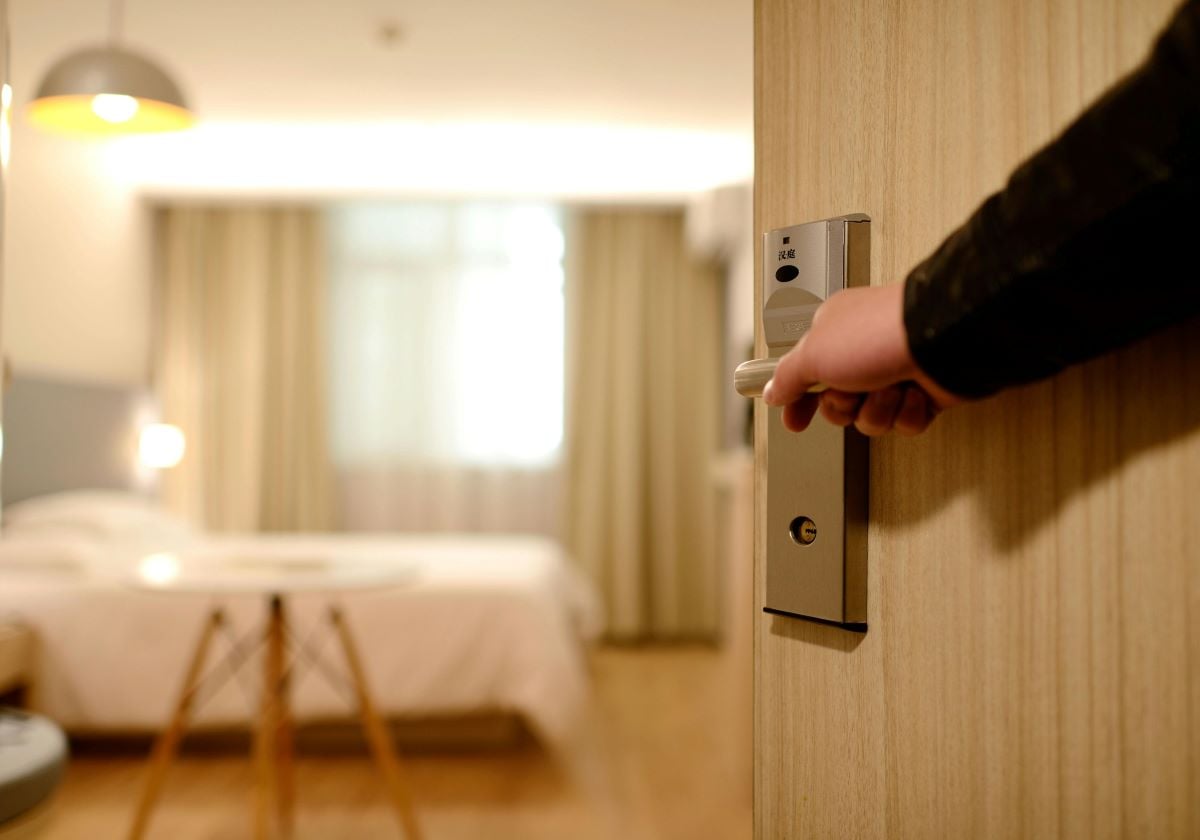
In the world of professional accommodation management, the duration of a stay is governed by a delicate balance of local legislation, corporate policy, and tax implications. Understanding these nuances is essential for anyone considering transforming a suite into a semi-permanent residence.
Legal Definitions and the Transition to Tenancy
One of the most critical factors determining how long you can stay in a hotel room is the legal distinction between a “guest” and a “tenant.” This distinction varies significantly depending on whether you are in London, New York City, or Tokyo.
The 30-Day Threshold and Tenant Rights
In many jurisdictions, particularly across the United States, staying in a hotel for more than 28 to 30 consecutive days can trigger a change in legal status. Once a guest surpasses this mark, they may be legally classified as a “tenant” rather than a transient lodger. This shift grants the individual certain protections under local housing laws, making it significantly harder for the property to evict them without a formal court process.
To avoid the complexities of landlord-tenant law, some boutique properties or smaller establishments in California or Florida may require guests to “check out” and “check back in” after 29 days, or even move to a different room. This reset is designed to maintain the guest’s status as a transient occupant.
Tax Implications and VAT Exemptions
From a financial perspective, the length of your stay can actually work in your favor regarding taxes. In various parts of Europe, specifically in countries like the United Kingdom, the Value Added Tax (VAT) applied to hotel stays may drop significantly after a certain period. For instance, after 28 days of continuous stay, the VAT on the accommodation portion of the bill is often reduced, as the stay is no longer considered short-term leisure but rather a long-term residential arrangement.
Hotel-Specific Policies
Regardless of what the law allows, individual brands like Hilton or Marriott have their own internal policies. Some luxury hotels are more than happy to host guests for years—provided the credit card on file remains valid—while others may have a maximum stay limit of 90 days to ensure they do not become a de facto apartment complex.
Choosing the Right Type of Long-Term Accommodation
If you are planning to stay in a hotel for several months, a standard 300-square-foot room may quickly feel claustrophobic. The accommodation industry has evolved to provide specific products tailored for the long-term traveler.
Extended Stay Hotels vs. Traditional Hotels
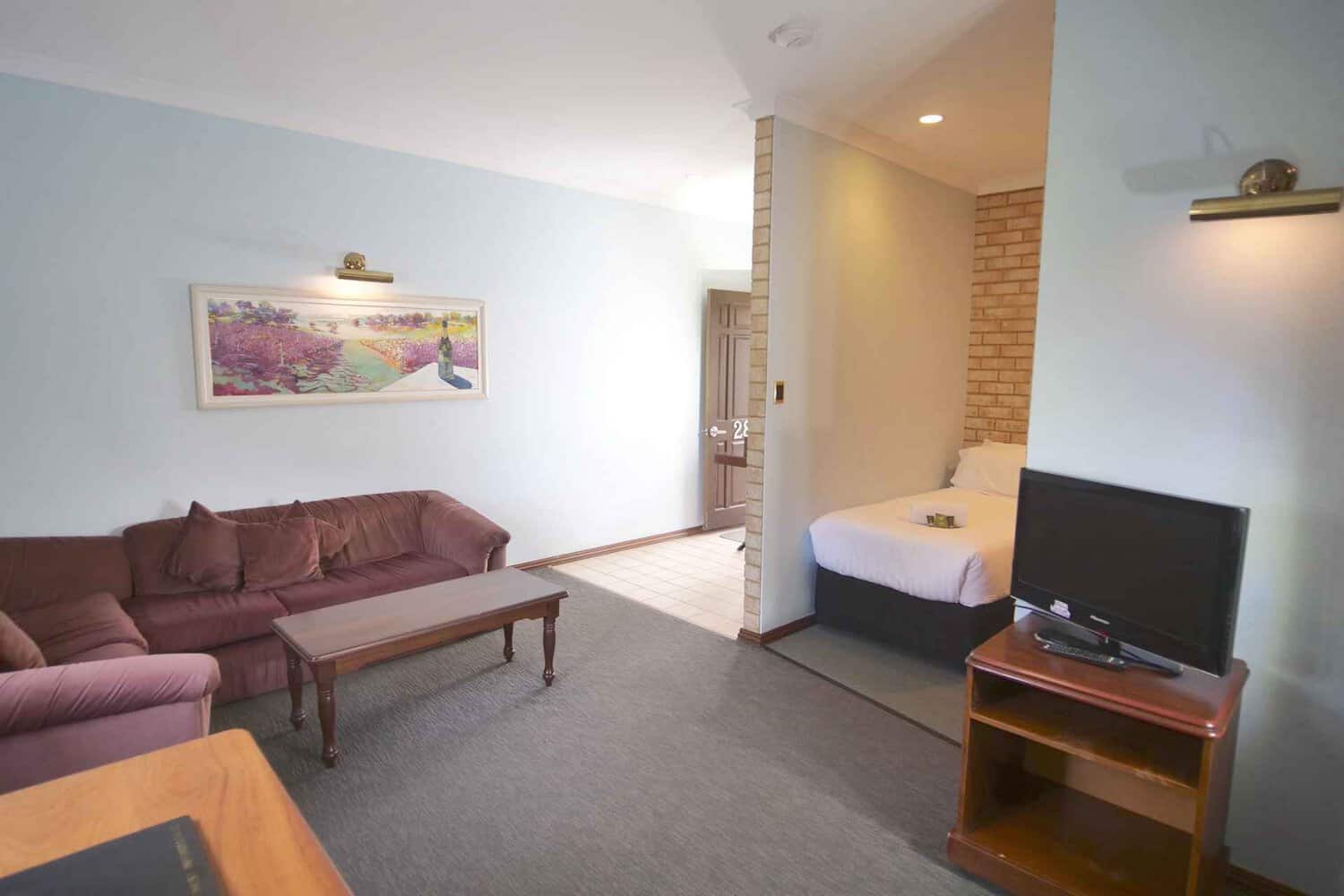
Brands like Residence Inn, Homewood Suites, and Extended Stay America are specifically designed for guests who plan to stay for weeks or months. These rooms typically feature full kitchenettes, larger living areas, and communal facilities like coin-operated laundry and grocery delivery services. In contrast, staying at a high-end property like the Four Seasons or the Ritz-Carlton offers a different level of luxury, focusing on high-touch service and amenities rather than self-sufficiency.
Serviced Apartments and Branded Residences
For those seeking the ultimate middle ground, “serviced apartments” or “branded residences” are the premier choice in global hubs like Dubai, Singapore, and Hong Kong. These properties, often managed by major hotel groups, provide the privacy of a fully furnished apartment with the perks of a hotel, such as 24-hour concierge, fitness centers, and daily or weekly housekeeping. They are specifically structured for stays ranging from one month to several years.
The Rise of the Digital Nomad Hub
In recent years, cities such as Lisbon, Mexico City, and Bali have seen an explosion in “co-living” hotel concepts. These establishments cater to remote workers who want to stay for 30 to 90 days, offering discounted monthly rates and shared office spaces. This model has redefined the “long-term stay” by prioritizing community and high-speed internet over traditional room service.
Financial Strategies for Long-Term Hotel Living
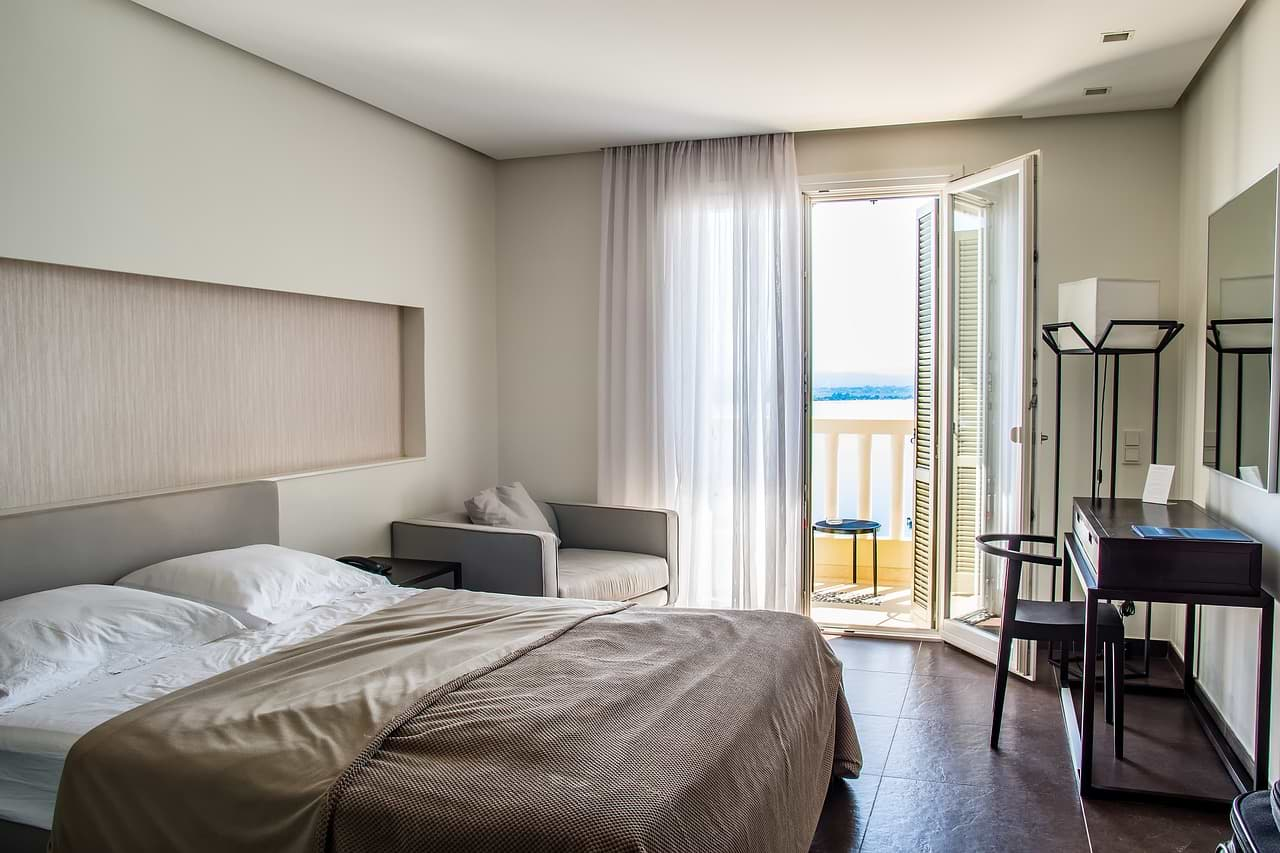
Living in a hotel is often perceived as an extravagance, but when managed strategically, it can be surprisingly cost-effective, especially when compared to the high rents in prime districts of Paris or San Francisco.
Negotiating the Corporate or Monthly Rate
The nightly rate displayed on travel booking sites is rarely the price you should pay for a long-term stay. Most hotel sales managers have the authority to negotiate “extended stay” or “corporate” rates. If you are staying for more than 30 days, you can often secure a discount of 30% to 50% off the standard rack rate. This is particularly effective during the off-season in seasonal destinations like Greece or the French Riviera.
Maximizing Loyalty Programs
One of the greatest advantages of long-term hotel living is the accumulation of loyalty points. Staying at a Hyatt or an InterContinental for three months can easily earn you enough points for several weeks of free stays elsewhere. Furthermore, the “elite status” gained—such as Diamond or Platinum levels—often yields complimentary breakfast, lounge access, and room upgrades, which significantly reduces your daily out-of-pocket expenses for food and beverages.
Understanding the All-Inclusive Nature of Hotels
When comparing a hotel stay to an apartment rental, one must factor in the “hidden” savings. A hotel guest does not pay for electricity, water, high-speed Wi-Fi, or council taxes. There are no security deposits, utility setup fees, or furniture costs. When you add the value of daily housekeeping and access to a gym and pool, a room at a Westin or a Sheraton can become a competitive alternative to a luxury lease in a major city.
The Practical Realities of Life in a Hotel
Living in a hotel requires a shift in mindset and a high degree of organization. While it sounds glamorous to have someone make your bed every morning, the reality involves managing a life within a limited footprint.
Managing Logistics: Laundry and Mail
Traditional hotel laundry services are notoriously expensive, often charging per item. Long-term residents usually seek out local “wash and fold” services in the neighborhood or choose properties like Adina Apartment Hotels that provide in-room washing machines. For mail and packages, the hotel front desk acts as a personal mailroom, which is a significant convenience for those who shop online or receive business documents.
Privacy and the Housekeeping Relationship
In a standard hotel stay, you might see the housekeeping staff daily. When living in a hotel long-term, many guests opt for “limited service” to maintain privacy. You might schedule housekeeping for just twice a week. Establishing a good rapport with the staff at a property like the Waldorf Astoria or the St. Regis ensures that your preferences—such as your favorite type of pillow or a specific time for coffee delivery—are consistently met.
Creating a Routine in a Transient Space
The biggest challenge of staying in a hotel room for months is the psychological impact of living in a space designed for transience. Successful long-term guests often “personalize” their rooms with small items like family photos, their own coffee maker, or a specific brand of toiletries. Utilizing the hotel’s amenities, such as the business center or the rooftop bar at a W Hotel, helps to demarcate “work” and “leisure” areas, preventing the feeling of being “stuck” in a single room.
Historical and Modern Precedents of Long-Term Stays
The idea of living in a hotel is not a modern invention; it has a storied history among the elite and the eccentric. Coco Chanel famously lived in the Hotel Ritz Paris for over 30 years, treating the suite as her primary residence. Similarly, Howard Hughes spent years sequestered in penthouses at the Desert Inn in Las Vegas and the Beverly Hills Hotel in Los Angeles.
Today, this lifestyle is no longer reserved for billionaires and fashion icons. The rise of “digital nomad visas” in countries like Italy, Spain, and Costa Rica has made it easier for professionals to stay in hotels and resorts for months at a time. The modern traveler looks for the reliability of a brand like Fairmont or Sofitel to provide a consistent base while they explore new cultures.
Ultimately, how long you can stay in a hotel room is limited only by your budget, the local laws regarding tenancy, and your own comfort level. From the bustling streets of Bangkok to the historic avenues of Vienna, hotels are increasingly pivoting to accommodate the long-term guest, offering a seamless blend of hospitality and home. Whether it is for 30 days or 300, the hotel industry is more ready than ever to welcome you for the long haul.
LifeOutOfTheBox is a participant in the Amazon Services LLC Associates Program, an affiliate advertising program designed to provide a means for sites to earn advertising fees by advertising and linking to Amazon.com. Amazon, the Amazon logo, AmazonSupply, and the AmazonSupply logo are trademarks of Amazon.com, Inc. or its affiliates. As an Amazon Associate we earn affiliate commissions from qualifying purchases.