
California, a land of sun-kissed beaches, towering redwoods, and vibrant cities, beckons travelers from across the globe. From the glamorous allure of Los Angeles to the iconic vistas of San Francisco, and the historic charm of San Diego, the Golden State offers an unparalleled array of destinations and experiences. Yet, beneath its modern facade and diverse landscapes lies a rich, complex history, a tapestry woven from indigenous roots, Spanish colonial ambitions, Mexican sovereignty, and American expansion. To truly appreciate the landmarks, culture, and lifestyle that define contemporary California, one must delve into its past, particularly the period when it was part of Mexico.
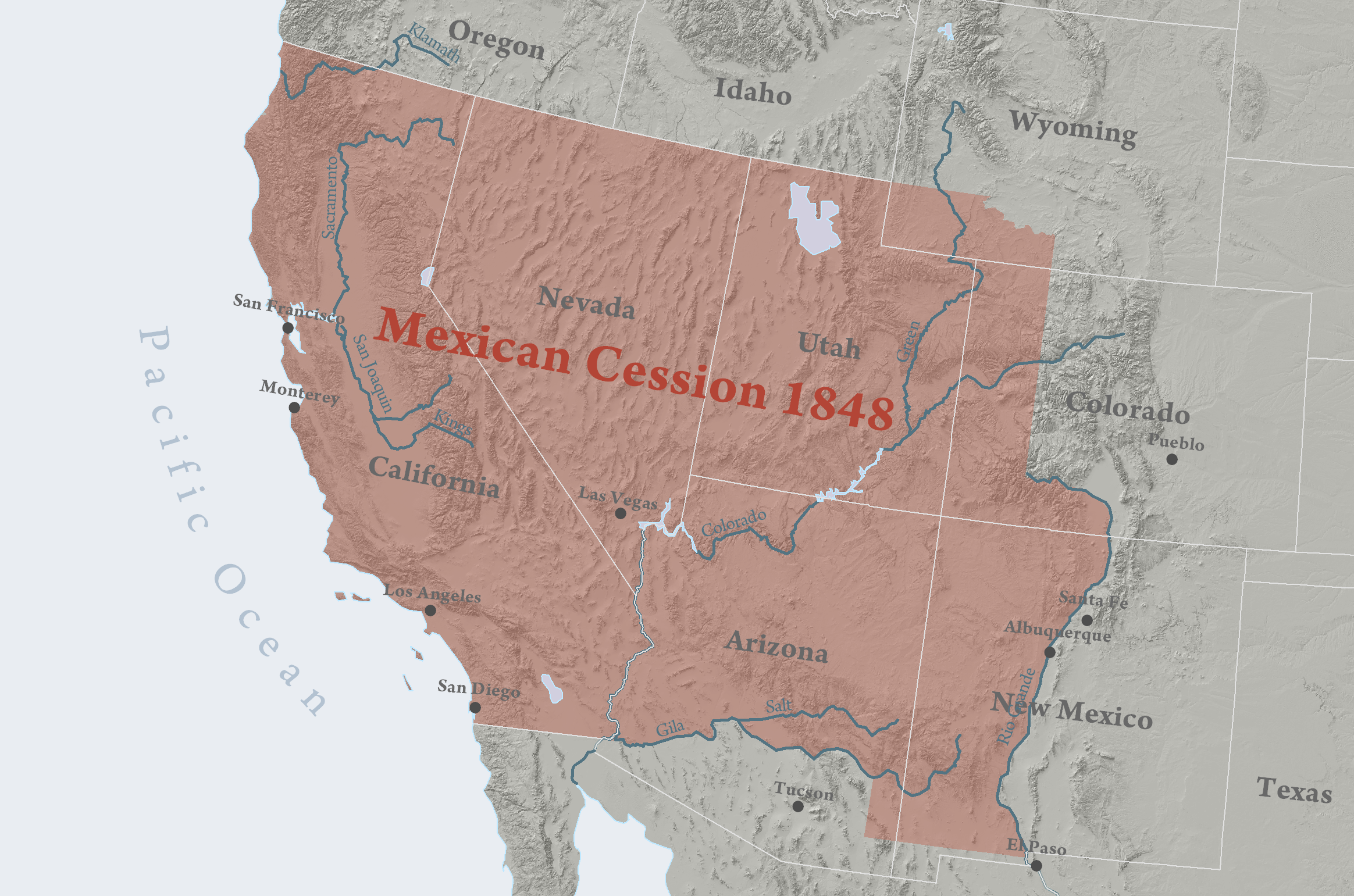
So, how long did Mexico own California? The answer is 27 years. This seemingly brief period, spanning from 1821 to 1848, was nonetheless transformative, shaping the identity of the region in profound ways that are still visible today. It was an era of dramatic change, marked by the secularization of missions, the rise of the powerful rancho system, and a growing influx of foreign settlers, all culminating in a geopolitical shift that would forever alter the course of California’s destiny. Understanding this period is not just a historical exercise; it’s an essential part of appreciating the unique travel opportunities, cultural nuances, and historical sites that make a trip to California so enriching.
The Dawn of Mexican California: A New Era (1821-1848)
Before delving into the specifics of Mexican rule, it’s crucial to acknowledge the preceding Spanish colonial era. For over fifty years, from the late 18th century, Spain established a chain of missions, presidios, and pueblos along the California coast, stretching from San Diego to Sonoma. This period, while brief by European standards, laid the groundwork for European settlement, converting indigenous populations and introducing new agricultural practices and architectural styles. However, the Spanish grip on its vast New World empire was weakening.
From Spanish Colony to Mexican Territory
The year 1821 marked a pivotal turning point not just for Mexico but for Alta California, as the province was then known. After more than a decade of struggle, Mexico finally achieved independence from Spain. Overnight, Alta California transitioned from a distant Spanish outpost to a remote northern territory of the newly formed Mexican Republic. This shift, while initially subtle in its day-to-day impact on the sparse population, fundamentally changed the administrative and legal framework of the region.
One of the most significant changes under Mexican rule was the secularization of the missions. The Spanish mission system, which had been the dominant economic and social force in Alta California, was dismantled. Lands previously held by the missions were distributed, primarily to Mexican citizens as vast land grants known as ranchos. This policy aimed to reduce the power of the Catholic Church and stimulate economic development through private enterprise. The secularization had a profound and often devastating impact on the indigenous peoples who had been living and working at the missions, often forcing them into precarious labor arrangements on the new ranchos or displacing them entirely.
The rise of the rancho system created a powerful and wealthy class of Californios, as the Spanish-speaking residents of California were known. These families, often descendants of the original Spanish settlers, became the political and economic elite, establishing sprawling cattle ranches that formed the backbone of the Californian economy. The hides and tallow produced on these ranchos were highly sought after commodities, traded with American and European merchants who frequented Californian ports. This period laid the foundation for much of California’s distinctive ranching heritage, a lifestyle that still evokes romantic notions of a bygone era.
Life in Alta California Under Mexican Rule
Life in Alta California during the Mexican period was characterized by a blend of frontier ruggedness and a surprisingly refined social culture among the Californio elite. The population remained relatively small, centered around the major presidios and pueblos that would evolve into modern cities like San Diego, Los Angeles, Santa Barbara, and Monterey, which served as the capital for much of the period.
The rancho lifestyle was one of expansive lands, cattle ranching, and a deeply ingrained tradition of hospitality. Californios were renowned for their generosity, hosting elaborate fiestas that could last for days, featuring music, dancing, horsemanship, and abundant food. These social gatherings were crucial for community bonding and maintaining cultural ties in a geographically isolated region. The architecture of the time, characterized by adobe walls, red-tiled roofs, and central courtyards, was both practical for the climate and aesthetically pleasing, a style that continues to influence Californian design and can be admired in many historic districts and luxury resorts across the state today.
Culinary traditions also flourished, blending indigenous ingredients with Spanish and Mexican influences. Dishes centered around beef, beans, corn, and chilies, flavors that are undeniably at the heart of modern Californian cuisine. Travelers exploring California today will find countless restaurants and food festivals celebrating this rich heritage, offering an authentic taste of the past.
Despite its beauty and unique culture, Alta California faced significant challenges under Mexican rule. The central government in Mexico City was often distant and preoccupied with its own political instability, leading to limited resources and inconsistent governance in the far-off territory. This relative autonomy, combined with internal squabbles among Californio families, occasionally led to political unrest and changes in local leadership. Simultaneously, American and European traders and trappers began to arrive in increasing numbers, drawn by the prospect of land and trade. Figures like John Sutter, who established Sutter’s Fort in 1839, represented this growing foreign presence, setting the stage for future conflicts.
The Shifting Sands of Power: Conflict and Cession
As the 1840s dawned, the tranquil, albeit remote, existence of Mexican California began to give way to growing tensions. The vast lands and strategic Pacific coastline of Alta California became increasingly attractive to the expanding United States, fueled by the ideology of Manifest Destiny – the belief in America’s God-given right to expand westward to the Pacific Ocean.
Seeds of Change: American Interest and Influx
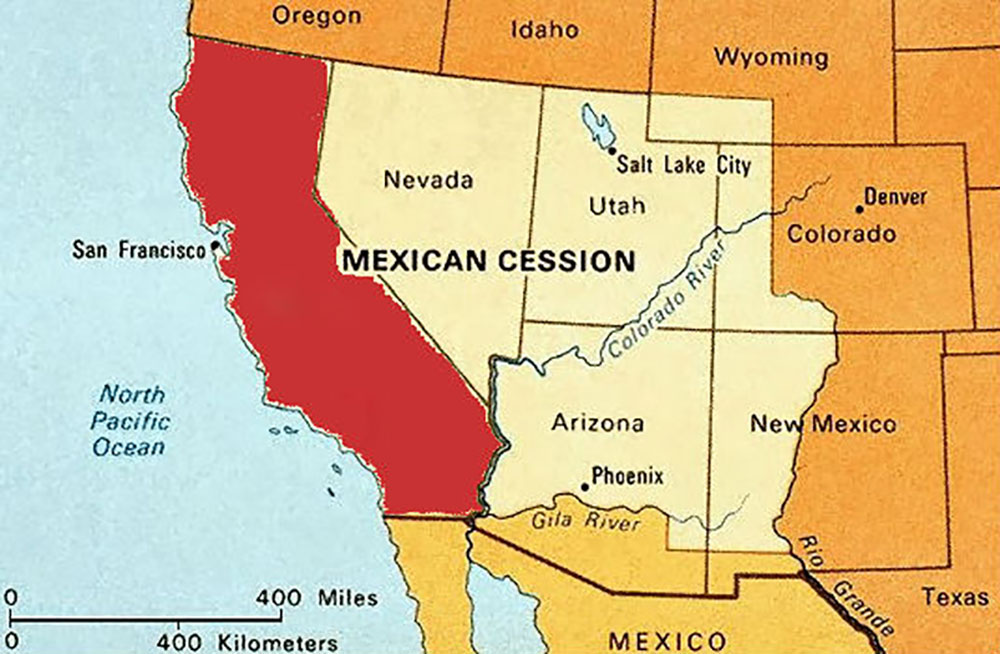
The trickle of American settlers and traders grew into a steady stream. Pathways like the Santa Fe Trail brought adventurers and entrepreneurs westward, many eventually making their way to California. The American government, particularly under President James K. Polk, harbored clear territorial ambitions for California.
This growing American presence, often acting with a sense of entitlement and disregard for Mexican authority, created friction with the local Californio population and Mexican officials. One of the most notable precursors to the formal conflict was the Bear Flag Revolt in June 1846. A small group of American settlers, with the encouragement of U.S. Army officer John C. Frémont, rebelled against Mexican rule in Sonoma, declaring the short-lived California Republic. They raised a crude flag depicting a grizzly bear and a star, a symbol that would later be incorporated into the state flag of California. While the revolt was quickly absorbed into the larger conflict, it underscored the unstable political climate and the fervent American desire for the territory.
The Mexican-American War and the Treaty of Guadalupe Hidalgo
The simmering tensions between Mexico and the United States erupted into the Mexican-American War in May 1846. Although the primary battlegrounds were in central Mexico and along the Texas border, California quickly became a theater of war. U.S. Naval forces, under Commodore John D. Sloat, seized Monterey and San Francisco in July 1846, effectively claiming the coastal areas for the United States.
However, resistance from the Californios was fierce, particularly in the southern part of the province. Led by skilled leaders like Andrés Pico and José Antonio Carrillo, they achieved several victories, most notably at the Battle of San Pasqual near San Diego in December 1846, where a contingent of U.S. Army dragoons suffered heavy casualties. Despite these initial successes, the superior numbers and resources of the American forces eventually overwhelmed the Californio resistance.
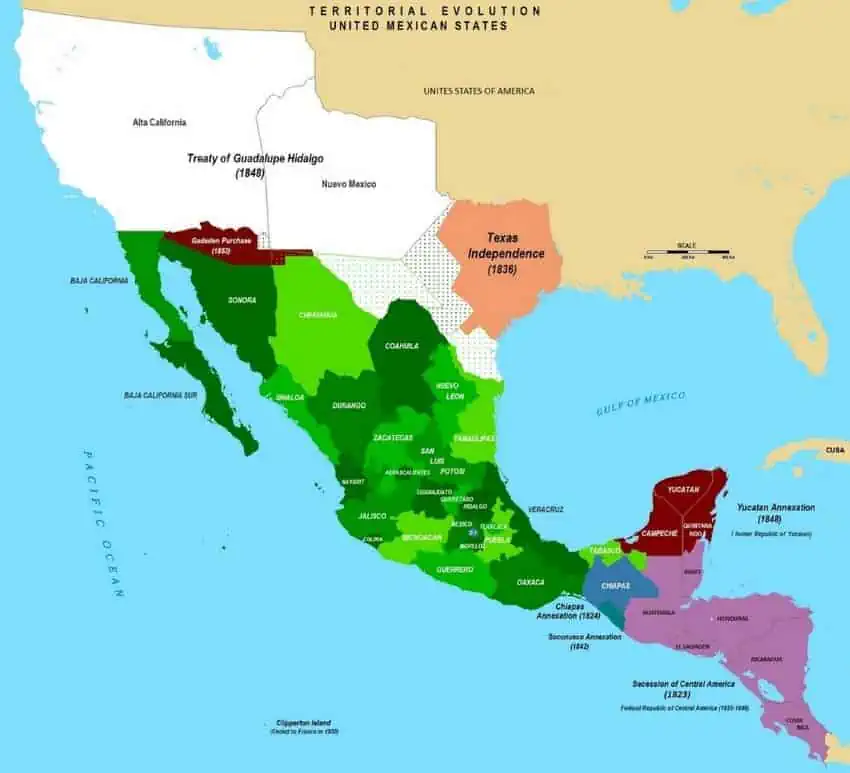
The war officially concluded with the signing of the Treaty of Guadalupe Hidalgo on February 2, 1848. Under the terms of this treaty, Mexico ceded a vast expanse of territory, including all of Alta California and New Mexico, to the United States in exchange for $15 million and the assumption of Mexican debts to American citizens. Just nine days before the treaty was signed, gold was discovered at Sutter’s Mill, setting off the California Gold Rush and accelerating American settlement even further.
Thus, after 27 years, California’s period under Mexican ownership came to an end. The transfer of sovereignty was a monumental event, marking the end of one era and the rapid beginning of another, irrevocably altering the land and its people. For the Californios, it meant adapting to a new legal system, a new language, and often, the loss of their land grants.
Echoes of the Past: Experiencing Mexican California Today
The legacy of Mexican California is far from relegated to history books. It lives on in the state’s culture, architecture, place names, and the very fabric of its identity. For travelers, exploring this heritage offers a deeper understanding of what makes California such a fascinating and diverse destination.
Unearthing History: Must-Visit Landmarks and Cultural Sites
To truly connect with California’s Mexican past, visitors should prioritize sites that have preserved this unique era. The former missions, though originally Spanish, continued to shape the landscape during Mexican rule, and many still stand as impressive landmarks. While the secularization meant their decline as ecclesiastical powerhouses, their architectural grandeur and historical significance remain.
- Mission San Juan Capistrano: Known as the “Jewel of the Missions,” its beautiful ruins and gardens offer a poignant glimpse into the past. Located in Orange County, it’s a popular destination for history buffs and those seeking serene beauty.
- Mission San Diego de Alcalá: The first of the California missions, it holds immense historical weight and showcases the early architectural styles that continued into the Mexican period. A visit here provides insight into the beginnings of European settlement in California.
- Old Town San Diego State Historic Park: This vibrant park meticulously recreates and preserves the atmosphere of early San Diego during the Mexican and early American periods. Visitors can wander through historic adobe buildings, browse artisan shops, and enjoy authentic Mexican cuisine, truly stepping back in time.
- El Pueblo de Los Angeles Historical Monument: Centered around Olvera Street, this historic district is the birthplace of Los Angeles. It preserves buildings from the Mexican era, including the Avila Adobe, the city’s oldest house, offering a vivid portal to its origins.
- Presidio of Monterey: As the former capital of Alta California, Monterey boasts numerous historical buildings from both the Spanish and Mexican periods. Strolling through its historic adobes provides a tangible connection to the political and social heart of Mexican California.
- Santa Barbara: Often called the “American Riviera,” Santa Barbara is celebrated for its stunning Spanish Colonial Revival architecture, which, though largely built in the 20th century, pays homage to its Mexican and Spanish heritage. The Santa Barbara Presidio State Historic Park and the Mission Santa Barbara are excellent points of interest.
Beyond specific sites, the architectural influence of the Mexican period is evident throughout California. Many modern homes, hotels, and public buildings incorporate elements like stucco walls, courtyards, fountains, and archways, creating a distinctive regional style that enhances the travel experience.
A Taste of Heritage: Culinary and Lifestyle Experiences
The culinary landscape of California is perhaps one of the most delicious reminders of its Mexican past. Authentic Mexican food, far beyond simple tacos, is deeply ingrained in the state’s gastronomic identity. From traditional mole sauces to fresh ceviche and handmade tortillas, the flavors of Mexico are celebrated in high-end restaurants, bustling taquerias, and family kitchens across the state. Food tours in cities like San Diego and Los Angeles often highlight this rich heritage, allowing visitors to savor historical flavors.
Festivals and cultural events also play a vital role in preserving and sharing this heritage. Celebrations like Cinco de Mayo and Día de los Muertos, though often Americanized, have deep roots in Mexican tradition and are widely celebrated throughout California, offering colorful and lively cultural experiences for tourists. Even the emphasis on outdoor living, hospitality, and a relaxed pace—elements often associated with the quintessential Californian lifestyle—can trace some of its lineage back to the rancho era.
For those planning their accommodations, consider staying in historic boutique hotels or inns in areas like Old Town San Diego or the historic core of Monterey, where the ambiance reflects the enduring charm of Mexican California. Many luxury resorts, particularly in Southern California, skillfully integrate Spanish Colonial Revival architecture and design, offering a seamless blend of modern comfort and historical elegance.
In conclusion, while Mexico owned California for a relatively short 27 years, this period was undeniably foundational. It sculpted the land, influenced its people, and laid down cultural roots that continue to flourish. For any traveler seeking to truly understand the spirit of California—its vibrant culture, stunning landmarks, and unique lifestyle—a journey into its Mexican past is an essential and rewarding adventure. It’s a testament to how history, though sometimes brief, can leave an indelible mark, transforming a landscape into a destination rich with stories waiting to be discovered.
LifeOutOfTheBox is a participant in the Amazon Services LLC Associates Program, an affiliate advertising program designed to provide a means for sites to earn advertising fees by advertising and linking to Amazon.com. Amazon, the Amazon logo, AmazonSupply, and the AmazonSupply logo are trademarks of Amazon.com, Inc. or its affiliates. As an Amazon Associate we earn affiliate commissions from qualifying purchases.