
A Pork Boston Butt, often a centerpiece of Southern Barbecue traditions, is not merely a cut of meat; it is a cultural icon, a testament to patience, and a beacon for culinary tourists worldwide. The question of “how long” transcends simple cooking instructions, delving instead into the rich tapestry of heritage, technique, and the immersive experience that defines true barbecue tourism. For the discerning traveler, understanding the commitment of time behind this delectable dish offers a deeper appreciation for the destinations where it reigns supreme, transforming a meal into a memorable journey into local culture and tradition.
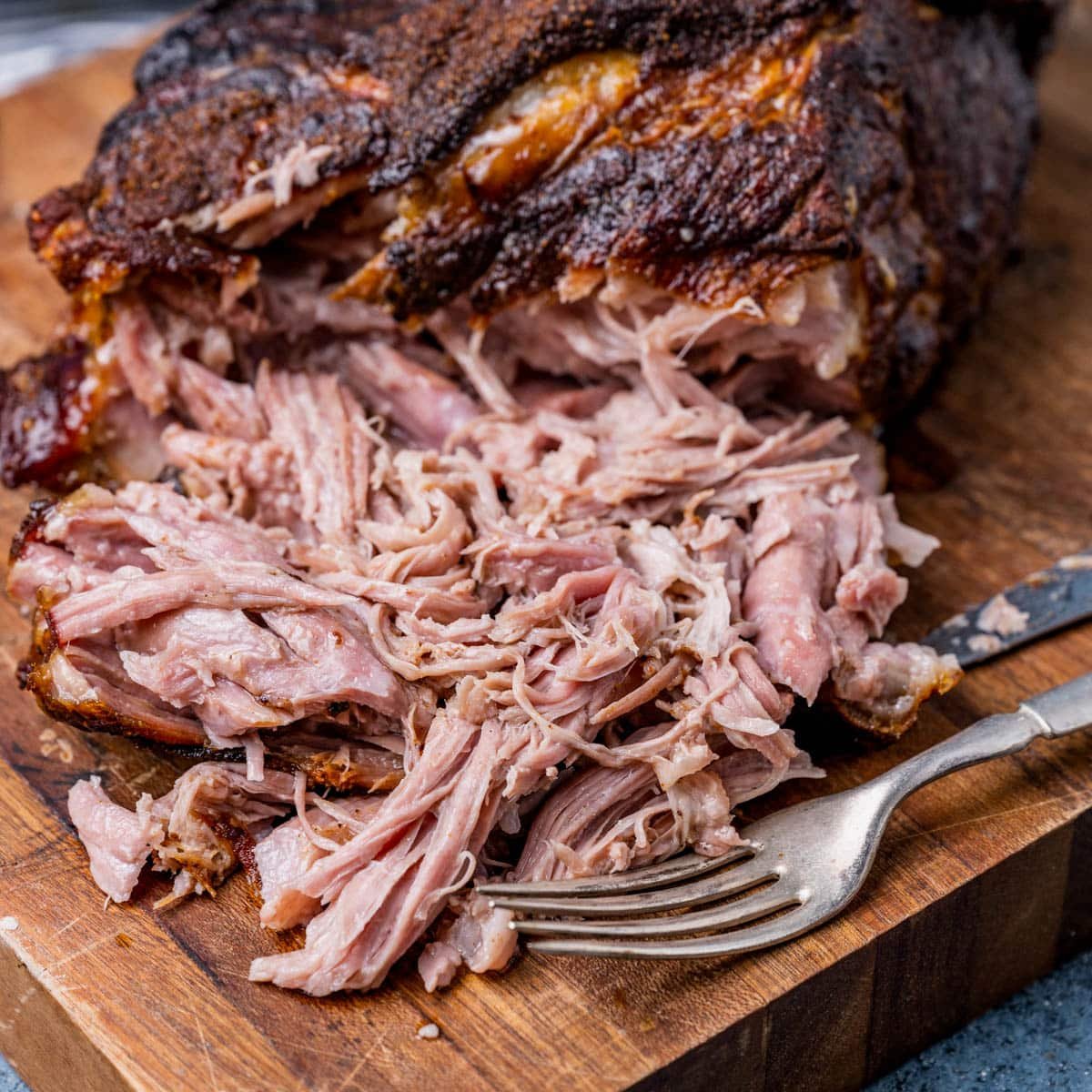
A Culinary Journey Through Slow-Cooked Tradition
The journey of the Pork Boston Butt begins long before it ever touches a smoker. It starts with a commitment to a slow, deliberate process that has shaped communities and defined regional identities across the United States. This cut, originating from the upper part of the pig’s shoulder, is inherently tough, marbled with fat and connective tissue. It is precisely these characteristics that demand extensive cooking times, transforming it into the succulent, fall-apart pulled pork revered by millions.
The Anatomy of a Boston Butt: More Than Just Pork
The term “Boston Butt” itself carries a fascinating historical anecdote, believed to have originated in colonial New England where pork shoulders were packed and shipped in barrels called “butts.” This historical footnote underscores the deep-seated legacy of this particular cut in American culinary history. For tourists exploring food markets or butcher shops in regions famous for barbecue, understanding this background adds a layer of depth to their culinary explorations. It’s not just a piece of meat; it’s a piece of history, an ingredient chosen specifically for its ability to withstand, and indeed thrive, under prolonged, low-temperature cooking. The fat content is crucial, as it renders slowly, basting the meat from within, while the connective tissues break down into gelatin, creating an unparalleled tenderness and rich flavor profile that simply cannot be rushed.
Deep Roots in Southern Barbecue Culture
The true home of the slow-cooked Pork Boston Butt is arguably the American South, where barbecue is not just a cooking method but a way of life, a communal gathering, and a fiercely debated culinary art form. From the vinegary tang of North Carolina barbecue to the sweet and smoky profiles of Kansas City and the dry rubs of Memphis, the Boston Butt forms the foundational canvas for a myriad of regional expressions. For tourists, tasting the local pulled pork is often the quickest and most authentic way to grasp the culinary soul of a particular Southern state or city. The extensive cooking time is integral to this culture; it’s a shared experience of waiting, of anticipating, and ultimately, of savoring a dish perfected over generations. Barbecue joints in these regions are often multi-generational establishments, their pits seasoned with decades of smoke, embodying the very essence of culinary heritage that draws visitors from far and wide.
The Art of Time: Why Slow Cooking Defines the Experience
The lengthy cooking duration of a Pork Boston Butt is not a mere technicality; it is a fundamental aspect that defines its character and elevates it from a simple meal to an art form. This commitment to time is what separates true barbecue from quick-grilling, offering a unique draw for culinary tourists seeking authenticity and a profound connection to regional foodways.
From Pit to Plate: The Patience of Perfection
Traditional preparation of a Pork Boston Butt often involves smoking it at low temperatures, typically between 225°F and 275°F (107°C and 135°C), for anywhere from 8 to 16 hours, sometimes even longer for larger cuts or specific pitmasters aiming for a particular texture. This extended period allows the smoke to penetrate deeply, imparting complex layers of flavor, while the low heat gently breaks down the tough collagen into succulent gelatin. The external crust, known as the “bark,” develops a rich, savory crunch that contrasts beautifully with the tender interior. For the culinary tourist, this lengthy process is part of the allure. Visiting a traditional barbecue pit and witnessing the patient tending of the fire, the slow dance of smoke and meat, offers an invaluable insight into the dedication required. It teaches a lesson in patience, craft, and the profound satisfaction derived from slow food, contrasting sharply with the fast-paced nature of modern life. It’s an immersion into a slower rhythm, a chance to appreciate the unhurried craft that yields extraordinary results.
Regional Variations and Their Timeless Techniques
The “how long” question also varies subtly depending on regional styles, each of which has perfected its own timeless techniques.
In Eastern North Carolina, for instance, whole hogs or large Boston Butts are traditionally cooked over hardwood coals for exceptionally long periods, often overnight, until the meat is falling off the bone and ready to be chopped and mixed with a vinegar-based sauce. The emphasis here is on simplicity and the pure flavor of the pork, subtly enhanced by smoke and tang.
Contrast this with the “low and slow” philosophy prevalent in regions like Texas, where beef brisket often takes center stage, but pork shoulders are also masterfully prepared. While the wood and rubs might differ, the core principle of extended cooking over indirect heat remains sacrosanct. Pitmasters in these areas are often revered figures, their mastery of time, temperature, and smoke built on decades of practice and inherited wisdom. Tourists on a culinary tour will quickly learn that these long cooking times are not arbitrary; they are the heart of each region’s distinct identity and flavor profile, meticulously honed over generations.
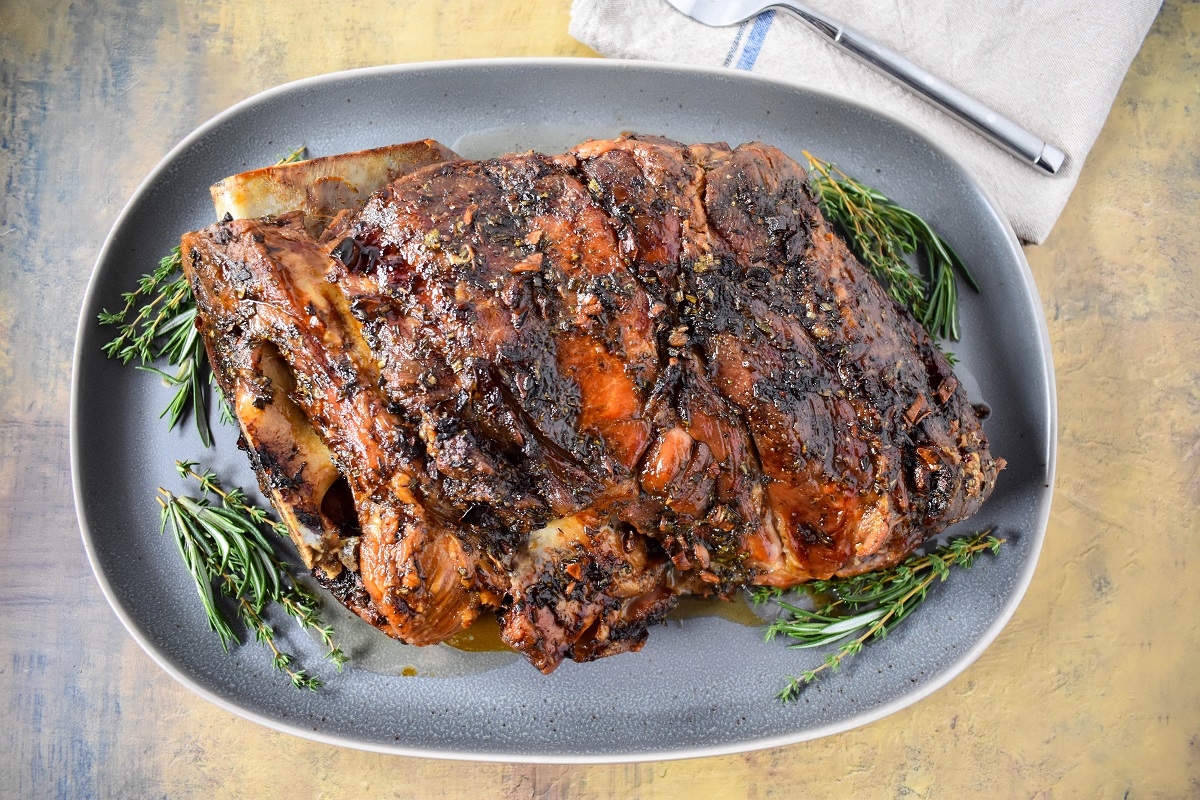
Experiencing the Boston Butt as a Tourist
For the culinary traveler, the Pork Boston Butt presents an incredible opportunity for immersive food experiences. It’s not just about eating; it’s about exploring the culture, understanding the history, and appreciating the craftsmanship behind this iconic dish.
Finding Authentic Barbecue Joints
The quest for the perfect slow-cooked Pork Boston Butt often leads tourists off the beaten path to cherished, often unassuming, barbecue joints. These establishments, from rustic shacks to bustling urban eateries, are the true custodians of the tradition. In cities like Charleston, Austin, or Nashville, finding an authentic barbecue spot involves engaging with locals, researching historical eateries, and sometimes even waiting in lines that speak volumes about the quality within. The ambiance of such places, often filled with the aroma of wood smoke and the chatter of contented diners, is as much a part of the experience as the meal itself. Tourists learn that these places aren’t just restaurants; they are cultural institutions where the legacy of slow cooking is actively preserved and celebrated.
Food Festivals and Culinary Trails
One of the most engaging ways for tourists to experience the depth and breadth of Pork Boston Butt culture is through dedicated food festivals and culinary trails. Events like the Memphis in May International Festival or numerous regional barbecue cook-offs offer a vibrant showcase of pitmaster skills, allowing visitors to taste variations from different teams and styles. These festivals provide an unparalleled opportunity to sample a wide array of slow-cooked pork, compare techniques, and interact directly with the artisans who dedicate their lives to perfecting the craft. Similarly, curated culinary trails, such as those found across Virginia or Alabama, guide travelers through a succession of acclaimed barbecue destinations, providing a structured yet adventurous way to explore the regional nuances of the Boston Butt. These experiences highlight that the “how long” of cooking is translated into the “how long” of a cultural event, bringing people together around a shared passion for good food and tradition.
Beyond the Plate: Workshops and Demonstrations
For those who wish to delve deeper, many destinations offer barbecue workshops and demonstrations. These provide a hands-on or observational understanding of the intricate process, including the selection of the Boston Butt, the application of rubs, the management of smoke and temperature, and of course, the critical factor of time. Participating in or observing such a session can transform a casual interest into a profound appreciation for the skill and dedication involved in achieving that perfect tenderness. These workshops are a growing segment of culinary tourism, allowing visitors to not just consume the local culture but to actively engage with it, gaining insights into the centuries-old methods that dictate exactly “how long” a perfect pork butt truly takes.
The Enduring Legacy of a Slow-Cooked Masterpiece
The Pork Boston Butt, cooked patiently for hours, is more than a fleeting meal; it is an enduring legacy that fuels local economies, preserves culinary heritage, and continually draws visitors seeking authentic gastronomic experiences. Its very existence is a testament to the value of tradition in a fast-changing world.
Economic Impact on Local Tourism
The cultural significance of the slow-cooked Pork Boston Butt translates directly into a substantial economic impact for many regions. Barbecue tourism drives visitors to small towns and bustling cities alike, supporting local restaurants, independent butcher shops, lodging providers, and ancillary businesses. Tourists travelling specifically for barbecue spend money on accommodation, fuel, souvenirs, and other local attractions, creating a vibrant ecosystem around this culinary pillar. The reputation of a city for its outstanding pulled pork can become a significant draw, positioning it as a must-visit destination for food enthusiasts. This economic engine, powered by the patient art of barbecue, underscores the value of preserving traditional foodways as a cornerstone of local identity and a catalyst for growth.
Preserving Culinary Heritage
Finally, the long cooking time associated with a Pork Boston Butt is intrinsically linked to the preservation of culinary heritage. In a world increasingly dominated by instant gratification, the commitment to slow food traditions offers a powerful counter-narrative. It champions techniques passed down through generations, celebrates regional distinctiveness, and encourages a slower, more mindful approach to eating and living. For tourists, engaging with this heritage means supporting local pitmasters who uphold these traditions, learning about the origins of different sauces and rubs, and understanding the social rituals surrounding barbecue. The question “How long do you cook a Pork Boston Butt?” ultimately becomes a question about how long we cherish our food traditions, how long we’re willing to invest in flavor, and how long we will continue to explore the rich cultural tapestry woven by something as seemingly simple, yet profoundly complex, as a piece of pork. It’s a timeless question with a perpetually rewarding answer for anyone embarking on a culinary journey.
LifeOutOfTheBox is a participant in the Amazon Services LLC Associates Program, an affiliate advertising program designed to provide a means for sites to earn advertising fees by advertising and linking to Amazon.com. Amazon, the Amazon logo, AmazonSupply, and the AmazonSupply logo are trademarks of Amazon.com, Inc. or its affiliates. As an Amazon Associate we earn affiliate commissions from qualifying purchases.