
For culinary enthusiasts and intrepid travelers embarking on a gastronomic journey through the United States, understanding the intricacies of iconic regional dishes is paramount. Among the pantheon of American comfort food, the Boston Butt, destined to become succulent pulled pork, holds a revered position. Its preparation isn’t merely a cooking process; it’s a ritual, a cornerstone of Southern United States hospitality, and a testament to the patient pursuit of flavor. For many, a trip to the heartland of BBQ isn’t complete without savoring this tender, smoky delight. The question “How long do you cook Boston Butt?” isn’t just about timing; it’s about achieving a specific texture, a profound depth of flavor, and ultimately, a memorable culinary experience that defines local culture. This guide delves into the art and science behind preparing the perfect Boston Butt, contextualizing it within the broader landscape of food tourism and offering insights for both aspiring home pitmasters and curious travelers.
Understanding the Boston Butt: A Culinary Icon of Southern Tourism
Before delving into cooking times, it’s crucial to appreciate what the Boston Butt truly is and why it occupies such a significant place in American culinary heritage, particularly within the tourism sector. This cut of meat is more than just pork; it’s a narrative of regional identity, slow-cooked traditions, and communal feasting.
What Exactly is a Boston Butt?
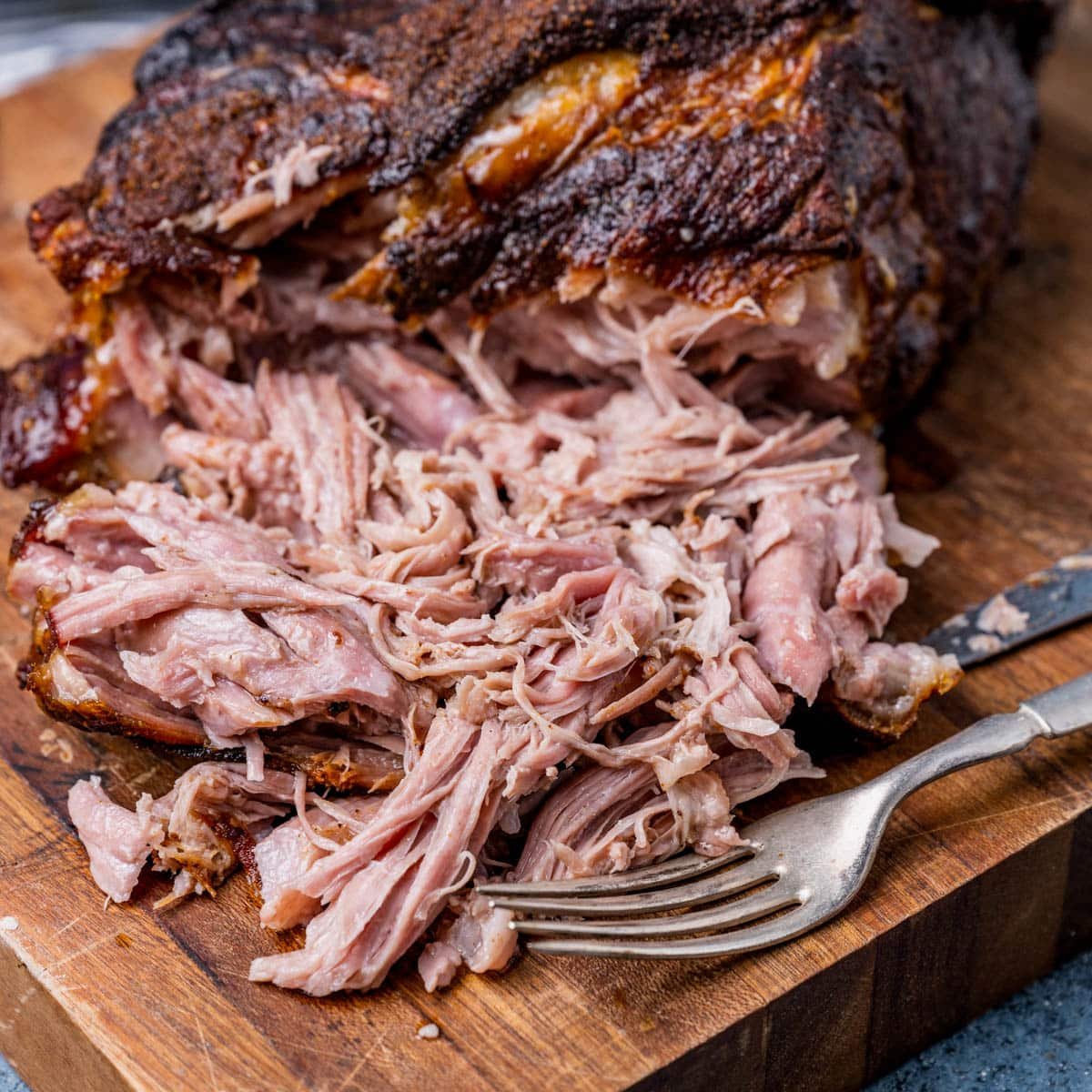
Despite its name, the Boston Butt is not from the rear end of a pig, nor is it exclusive to Boston. In fact, it’s a specific cut from the upper part of the pig’s front shoulder, encompassing parts of the neck, shoulder blade, and upper arm. The term “butt” likely derives from the barrels or “butts” that pork used to be packed into for storage and transport in pre-Revolutionary New England. This dense, marbled cut is ideal for slow cooking due to its generous fat content and connective tissue, which break down over extended periods, yielding exceptionally tender and flavorful results. When cooked to perfection, it easily shreds into what is universally known and loved as pulled pork – a staple across countless BBQ joints and family gatherings, making it a key attraction for food tourists.
The Cultural Significance in BBQ Trails
The Boston Butt is the star of various regional BBQ styles, each offering a unique flavor profile and a distinct cultural experience for visitors. Exploring these “BBQ trails” has become a popular form of culinary tourism, drawing travelers eager to taste authentic, slow-smoked pork shoulder.
In North Carolina, for instance, pulled pork is often served with a tangy vinegar-based sauce, a tradition deeply embedded in the state’s identity. Further south, South Carolina offers a variety, including mustard-based sauces, particularly in the Pee Dee region. In Kansas City BBQ, the emphasis shifts to thick, sweet, and smoky tomato-based sauces, while Texas BBQ is renowned for its low-and-slow approach, often with a simple dry rub, allowing the quality of the meat and smoke to shine. Cities like Memphis and Charleston are celebrated hubs where the art of cooking Boston Butt is perfected, offering tourists endless opportunities to sample variations. Each region’s approach to the Boston Butt tells a story, making it a quintessential element of experiencing local culture through food.
The Art and Science of Cooking Times: A Tourist’s Guide to Perfect Pulled Pork
Cooking a Boston Butt is less about rigidly adhering to a clock and more about understanding the interplay of heat, time, and internal temperature. For those seeking to replicate the pitmaster experience at home or simply understand what goes into the mouth-watering dishes they sample on their travels, this section demystifies the process.
Factors Influencing Cook Time
Several variables dictate how long a Boston Butt will need to cook:
- Weight of the Butt: This is arguably the most significant factor. A 5-pound butt will cook faster than a 10-pound butt. A general rule of thumb for smoking is 1.5 to 2 hours per pound at 225-275°F (107-135°C), but this is a rough estimate.
- Cooking Temperature: Lower temperatures (e.g., 225°F/107°C) require longer cooking times but often result in more tender, smoky meat. Higher temperatures (e.g., 300°F/149°C) reduce cooking time but can risk drying out the meat or creating a less pronounced smoke ring.
- Desired Doneness: For pulled pork, the goal is extremely tender meat that shreds easily. This typically means an internal temperature between 195-205°F (90-96°C).
- The “Stall”: A common phenomenon in slow-cooked meats, the “stall” occurs when the internal temperature of the meat plateaus, sometimes for several hours, typically between 150-170°F (65-77°C). This is due to evaporative cooling as moisture from the meat evaporates from the surface, cooling it down. Patience is key during this phase; wrapping the butt in foil or butcher paper (the “Texas Crutch”) can help power through the stall and accelerate cooking, a technique often employed by commercial pitmasters to maintain service schedules.
- Bone-in vs. Boneless: Bone-in butts often take slightly longer to cook, but many enthusiasts believe the bone contributes to flavor and moisture.
Common Cooking Methods and Their Timelines
The method of cooking significantly impacts the timeline and the final flavor profile, offering diverse experiences for culinary tourists.
- Smoking (The Traditional Method): This is the quintessential method for authentic pulled pork and a major draw for BBQ tourism.
- Temperature: 225-275°F (107-135°C)
- Time: Expect 1.5 to 2 hours per pound. A 7-pound butt could take 10-14 hours. A 10-pound butt might need 15-20 hours. Patience is paramount. The long, slow smoke imbues the meat with incredible flavor and tenderness.
- Oven Roasting (Home Kitchen Alternative): While lacking the distinct smoky flavor of a smoker, an oven can still produce delicious pulled pork.
- Temperature: 275-300°F (135-149°C)
- Time: Typically shorter than smoking, around 1 to 1.5 hours per pound. A 7-pound butt might take 7-10 hours. It’s often covered to retain moisture.
- Slow Cooker (Convenient & Moist): Ideal for hands-off cooking, especially for travelers with access to kitchenettes.
- Temperature: Low setting (around 200°F/93°C) or High setting (around 300°F/149°C)
- Time: On low, 8-10 hours for a typical 4-6 pound butt. On high, 4-6 hours. The meat cooks in its own juices, resulting in very moist pulled pork, though without a crispy bark.
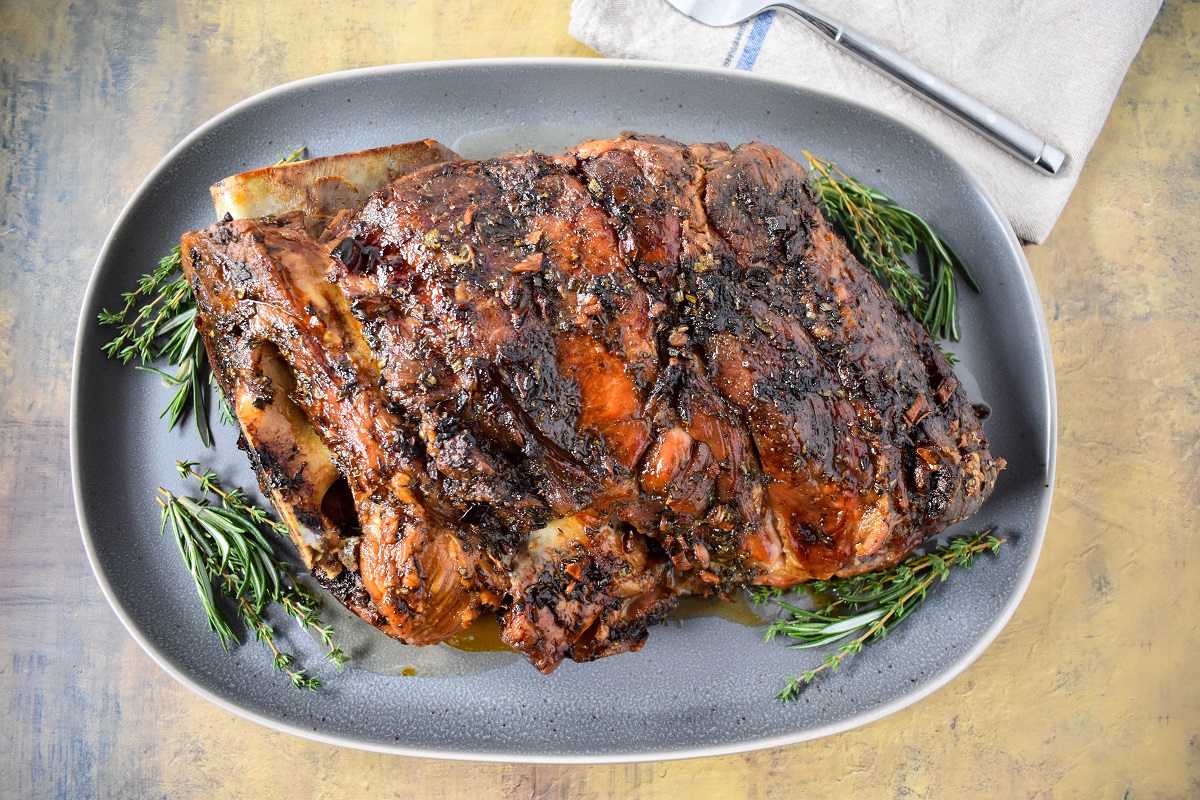
Each method offers a different pathway to the same delicious destination, allowing tourists to appreciate the varying approaches used by professional pitmasters in establishments like those found in Austin or Kansas City.
Achieving Pitmaster Perfection: Tips for Travelers and Home Cooks
Whether you’re attempting to recreate a beloved dish from a recent trip or simply aiming for the best possible pulled pork, a few key principles will guide you to success. These insights are not only practical cooking tips but also reflections of the dedication found in the world of BBQ tourism.
Temperature, Not Time: The Golden Rule
The single most important takeaway for cooking Boston Butt is to cook to temperature, not strictly to time. While time guidelines are useful for planning, the meat is done when it reaches the desired internal temperature and feels tender.
- Internal Temperature Target: For easily shreddable pulled pork, aim for an internal temperature between 195°F (90°C) and 205°F (96°C). Some pitmasters even go higher, to 210°F (99°C), especially if the meat feels tight at lower temperatures.
- The Probe Test: Beyond temperature, experienced cooks often use the “probe test.” A properly cooked butt will feel like “soft butter” when probed with a thermometer or skewer in several spots. If it meets this resistance-free test, it’s ready.
- Tools: An accurate leave-in meat thermometer is an indispensable tool for monitoring progress, especially during long cooks. For tourists keen on culinary experiences, observing this simple tool in action at a live BBQ demonstration can be quite insightful.
Resting Your Butt: A Crucial Final Step
Once the Boston Butt reaches its target internal temperature and passes the probe test, resist the urge to immediately shred it. This resting period is just as critical as the cooking itself.
- Why Rest? As the meat cooks, its muscle fibers tighten, pushing moisture to the center. Resting allows these fibers to relax and reabsorb those juices, resulting in a significantly more tender and moist final product. Without resting, much of the delicious moisture will simply run out onto your cutting board.
- How to Rest: Wrap the cooked butt tightly in foil, then in a thick towel, and place it in an insulated cooler (without ice) for at least 1-2 hours, or even up to 4 hours. This keeps the meat hot while allowing it to reabsorb its juices and finish carryover cooking. This technique is routinely used by competition pitmasters and local BBQ restaurants to maintain quality.
Debunking Myths and Embracing Patience
The journey to perfect pulled pork is often punctuated by myths and misconceptions. For instance, the idea that the “stall” means something is wrong is a common one. It’s a natural part of the process. Embracing patience is arguably the most important ingredient in any slow-cooked dish, a lesson that extends beyond the kitchen to many aspects of local culture. The best BBQ isn’t rushed; it’s a labor of love, a slow dance between heat and meat that rewards the patient with unparalleled flavor and texture. This philosophy underpins the entire culinary tourism experience around BBQ – it’s not just fast food, it’s a craft.
Exploring Boston Butt in Its Native Habitats: A Culinary Tourism Itinerary
For those who prefer to taste the masters’ work rather than become one, a culinary tour focusing on Boston Butt offers a rich and flavorful adventure.
Iconic BBQ Joints to Visit
The Southern United States is dotted with legendary BBQ establishments where the Boston Butt reigns supreme. Visiting these joints provides an authentic taste of local culture and the unique regional variations of pulled pork.
- Central Texas: While famous for brisket, many joints in cities like Austin also serve incredible pulled pork, often smoked over post oak. Places like Franklin Barbecue or La Barbecue (though primarily brisket focused) will often feature exceptional pork.
- Memphis, Tennessee: A true mecca for pork BBQ, Memphis offers both dry-rubbed and wet-sauced pulled pork. Charlie Vergos’ Rendezvous (though known for ribs) and One & Only BBQ are excellent examples of local flavor.
- The Carolinas: From the vinegar-based sauces of eastern North Carolina to the mustard-based delights of South Carolina, the Carolinas offer a diverse and delicious pulled pork experience. Try Sweatman’s BBQ in Holly Hill, South Carolina or Skylight Inn BBQ in Ayden, North Carolina for traditional tastes.
- Kansas City, Missouri: Known for its wide array of BBQ, Kansas City pitmasters masterfully prepare pulled pork with their signature sweet and tangy sauces. Joe’s Kansas City Bar-B-Que and Arthur Bryant’s Barbeque are legendary stops.
Each establishment tells a story, often passed down through generations, making the meal an immersive cultural experience.
Seasonal BBQ Festivals and Events
For the ultimate Boston Butt experience, consider planning your travels around one of the many BBQ festivals held throughout the United States. These events are vibrant showcases of culinary skill, community spirit, and, of course, incredible food.
- Memphis in May International Festival (World Championship Barbecue Cooking Contest): Held annually in Memphis, this is the largest pork BBQ cooking contest in the world, attracting teams globally to compete for bragging rights. It’s an unparalleled opportunity to sample diverse approaches to the Boston Butt.
- Big Apple BBQ Block Party (New York City): While not in the South, this festival brings top pitmasters from across the country to New York City, allowing urban dwellers and tourists to experience authentic Southern BBQ without leaving the city.
- American Royal World Series of Barbecue (Kansas City): Another massive competition and festival, the American Royal in Kansas City is a celebration of all things BBQ, with numerous vendors serving up award-winning pulled pork.
These festivals are not just about eating; they are lively cultural events featuring live music, artisanal goods, and a palpable sense of community, making them essential additions to any food tourism itinerary.
In conclusion, the question of “How long do you cook Boston Butt?” is a gateway to understanding a rich tapestry of American culinary tradition. It underscores the patience, precision, and passion required to transform a humble cut of pork into a celebrated dish. Whether you choose to embark on this slow-cooking journey in your own kitchen or through the flavorful BBQ trails of the Southern United States, the reward is a taste of deeply rooted local culture and an unforgettable gastronomic adventure.
LifeOutOfTheBox is a participant in the Amazon Services LLC Associates Program, an affiliate advertising program designed to provide a means for sites to earn advertising fees by advertising and linking to Amazon.com. Amazon, the Amazon logo, AmazonSupply, and the AmazonSupply logo are trademarks of Amazon.com, Inc. or its affiliates. As an Amazon Associate we earn affiliate commissions from qualifying purchases.