
When considering a getaway to the Sunshine State, whether it’s for a lavish resort stay in Miami Beach, a family adventure exploring Walt Disney World, or a quiet escape to a beachfront villa in the Florida Keys, understanding the local climate and its impact on infrastructure is surprisingly relevant. While your primary focus might be on booking the perfect accommodation or planning your next exciting tourism experience, the longevity of a roof in Florida is a crucial factor that influences the comfort and safety of your stay, and indeed, the very preservation of the beautiful landmarks and architecture you’ve come to admire.
The relentless sun, the frequent and often intense rain, and the ever-present threat of hurricanes create a unique set of challenges for any structure. For homeowners and property managers alike, knowing the lifespan of a roof isn’t just about maintenance; it’s about protecting investments and ensuring a secure environment for everyone who visits or resides in the state. This comprehensive guide delves into the factors that affect roof longevity in Florida, offering insights that are valuable whether you’re a long-term resident or a frequent traveler planning your next trip.
Understanding Florida’s Roofing Challenges
The Sunshine State’s tropical and subtropical climate presents a formidable environment for roofing materials. Unlike regions with milder weather, Florida experiences a combination of extreme heat, high humidity, intense UV radiation, and powerful storms. These elements work together to accelerate the aging process of most roofing systems, necessitating careful consideration when choosing materials and planning for upkeep.
The Impact of Intense Solar Radiation and Heat
Florida is renowned for its abundant sunshine, and while this is a major draw for tourists seeking sun-drenched beaches and outdoor adventures, it also poses a significant threat to roofing materials. Ultraviolet (UV) rays from the sun are a primary culprit in the degradation of asphalt shingles, metal coatings, and even the underlying protective layers of a roof. Prolonged exposure to UV radiation can cause materials to become brittle, crack, and lose their protective granules, making them more susceptible to water damage and wind uplift.
The high temperatures experienced throughout much of the year in Florida further exacerbate the effects of solar radiation. Heat causes materials to expand and contract, a process that, over time, can lead to fatigue and failure. Darker colored roofs, while aesthetically pleasing and popular in many vacation destinations, tend to absorb more heat, leading to higher surface temperatures and a faster rate of deterioration. This is a crucial consideration for anyone looking at accommodation options, as a well-maintained roof directly impacts the indoor temperature and energy efficiency of a building.
The Pervasive Influence of Humidity and Rainfall
The high humidity levels characteristic of Florida‘s climate create a fertile ground for biological growth such as mold, mildew, and algae. These organisms thrive in damp environments and can not only detract from the aesthetic appeal of a roof but also compromise its structural integrity. Algae, in particular, can stain shingles, creating unsightly dark streaks, while mold and mildew can penetrate porous materials, leading to rot and decay.
Furthermore, Florida experiences significant amounts of rainfall, often in the form of intense, short-lived thunderstorms. While roofs are designed to shed water, the sheer volume and force of these downpours can overwhelm drainage systems and test the resilience of any roofing material. Over time, constant exposure to moisture can lead to leaks, water damage to the roof deck, and potentially, significant structural issues within the building. For those planning long-term stays or considering investment properties, understanding how roofing systems handle frequent moisture is paramount.
The Menace of Hurricanes and High Winds
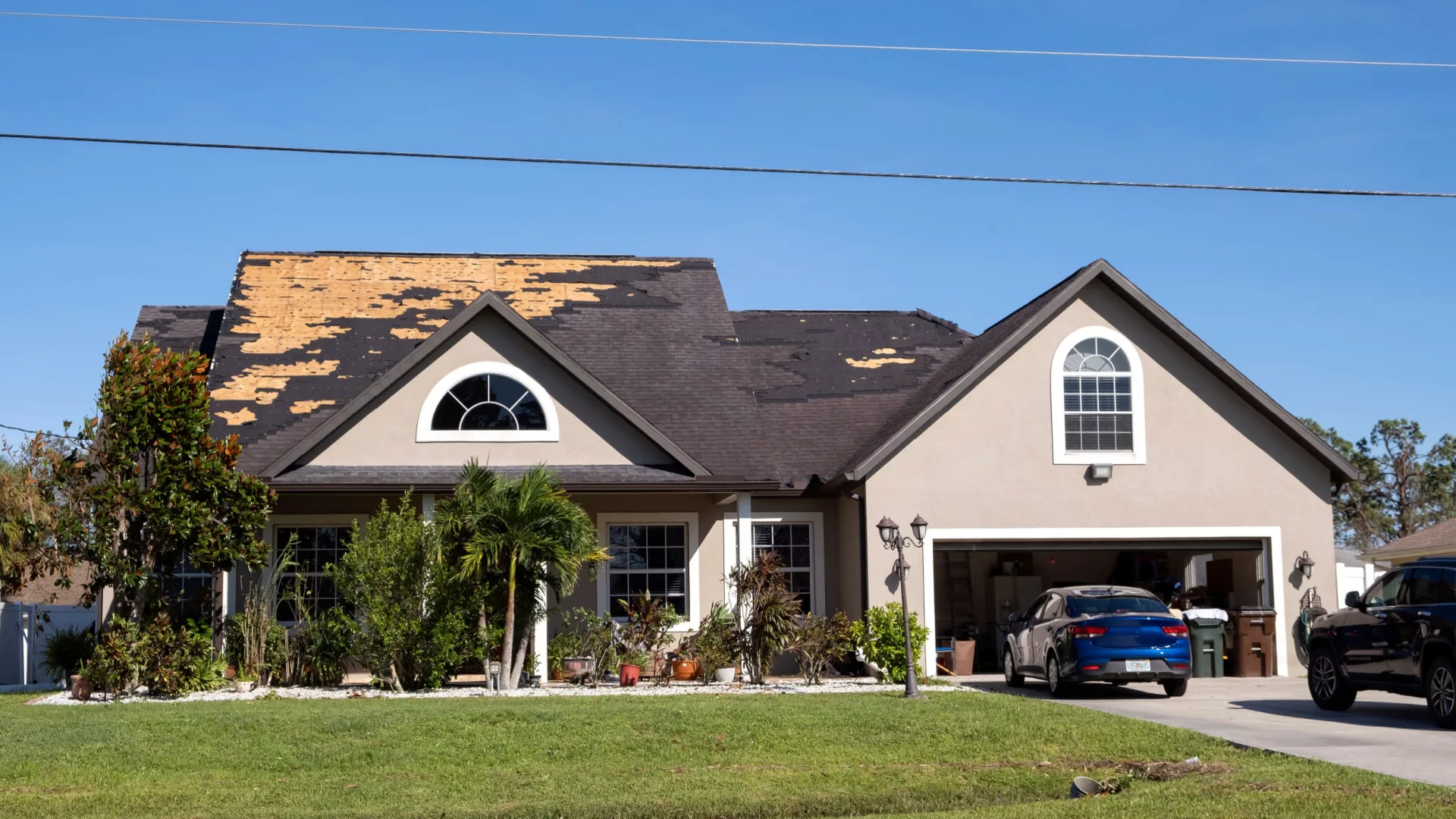
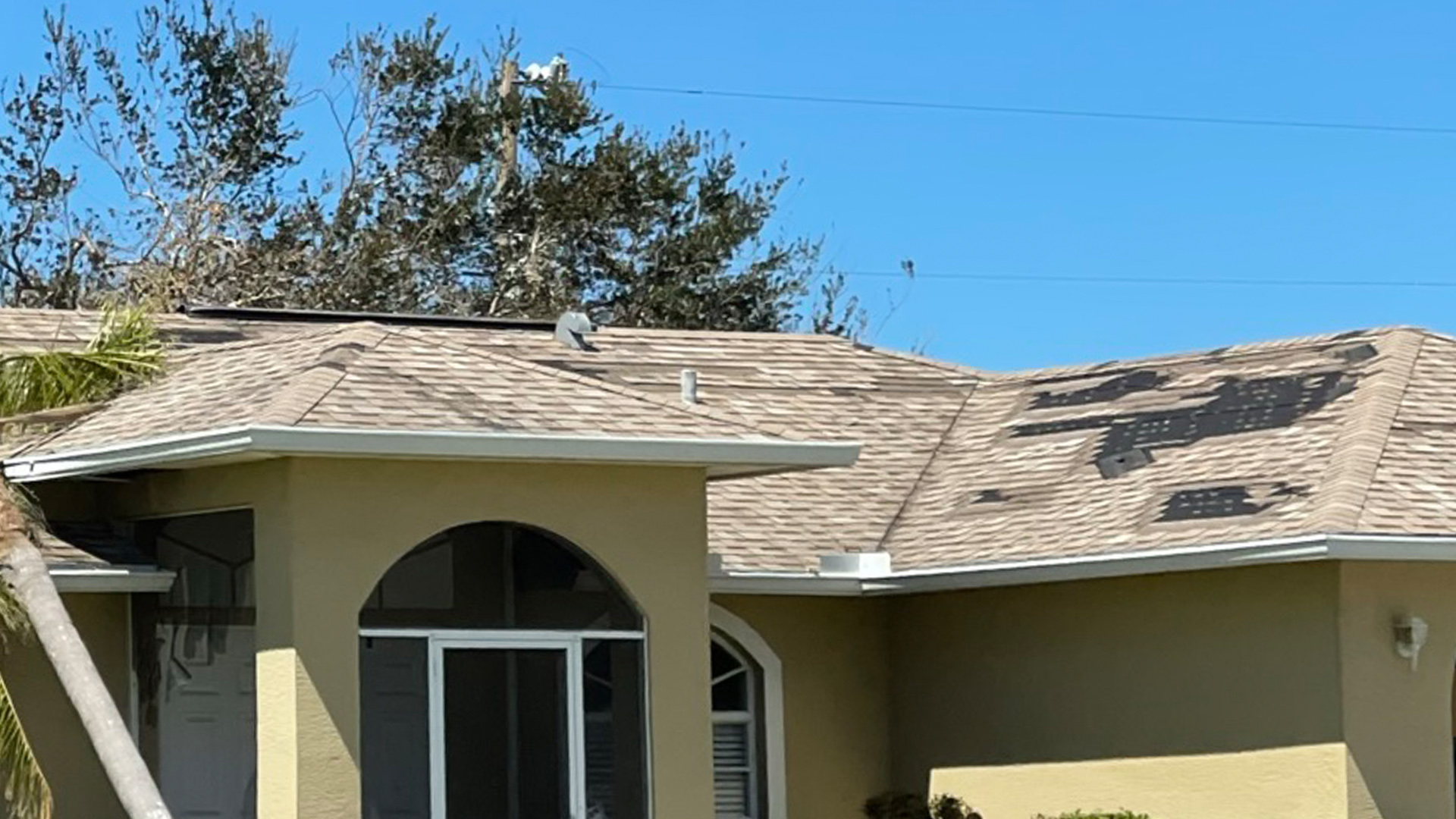
Perhaps the most significant roofing challenge in Florida is the threat of hurricanes and tropical storms. These events can bring devastating high winds, torrential rain, and flying debris, all of which can inflict severe damage on roofs. Wind uplift is a major concern, as strong gusts can peel away shingles, dislodge panels, and even lift entire sections of a roof. The integrity of a roof’s installation and the quality of the materials used are critically important in resisting these forces.
Following a hurricane, immediate inspection and repair are crucial to prevent further damage from subsequent rain or winds. For travelers, understanding that many resorts and hotels in coastal areas are built to withstand such events, often with reinforced roofing systems, can offer peace of mind. However, even the most robust roofs can sustain damage, and post-storm assessments are vital for ensuring safety and preventing long-term issues.
Factors Determining Roof Lifespan in Florida
Given the environmental pressures, the lifespan of a roof in Florida can vary considerably. Several key factors contribute to how long a roofing system will effectively protect a building. These include the type of material used, the quality of installation, proper maintenance, and the specific microclimate of its location.
Roofing Material Choices and Their Durability
The choice of roofing material is the most significant determinant of its potential lifespan. Different materials are engineered to withstand varying degrees of environmental stress.
-
Asphalt Shingles: These are the most common roofing material in Florida due to their affordability and ease of installation. However, they are also among the least durable. In Florida‘s climate, standard asphalt shingles typically last between 10 to 15 years. High-quality architectural shingles or those with specific “cool roof” technology, designed to reflect sunlight and reduce heat absorption, may offer a slightly longer lifespan, perhaps up to 20 years, but are still susceptible to wind damage and UV degradation.
-
Metal Roofing: Metal roofs, particularly those made from aluminum, steel, or copper, are becoming increasingly popular in Florida. They offer excellent durability and can withstand high winds and heavy rain. Properly installed metal roofs, especially those with corrosion-resistant coatings, can last 40 to 70 years, or even longer. They are also energy-efficient, reflecting solar heat. For luxury travel destinations aiming for longevity and resilience, metal roofs are often a preferred choice.
-
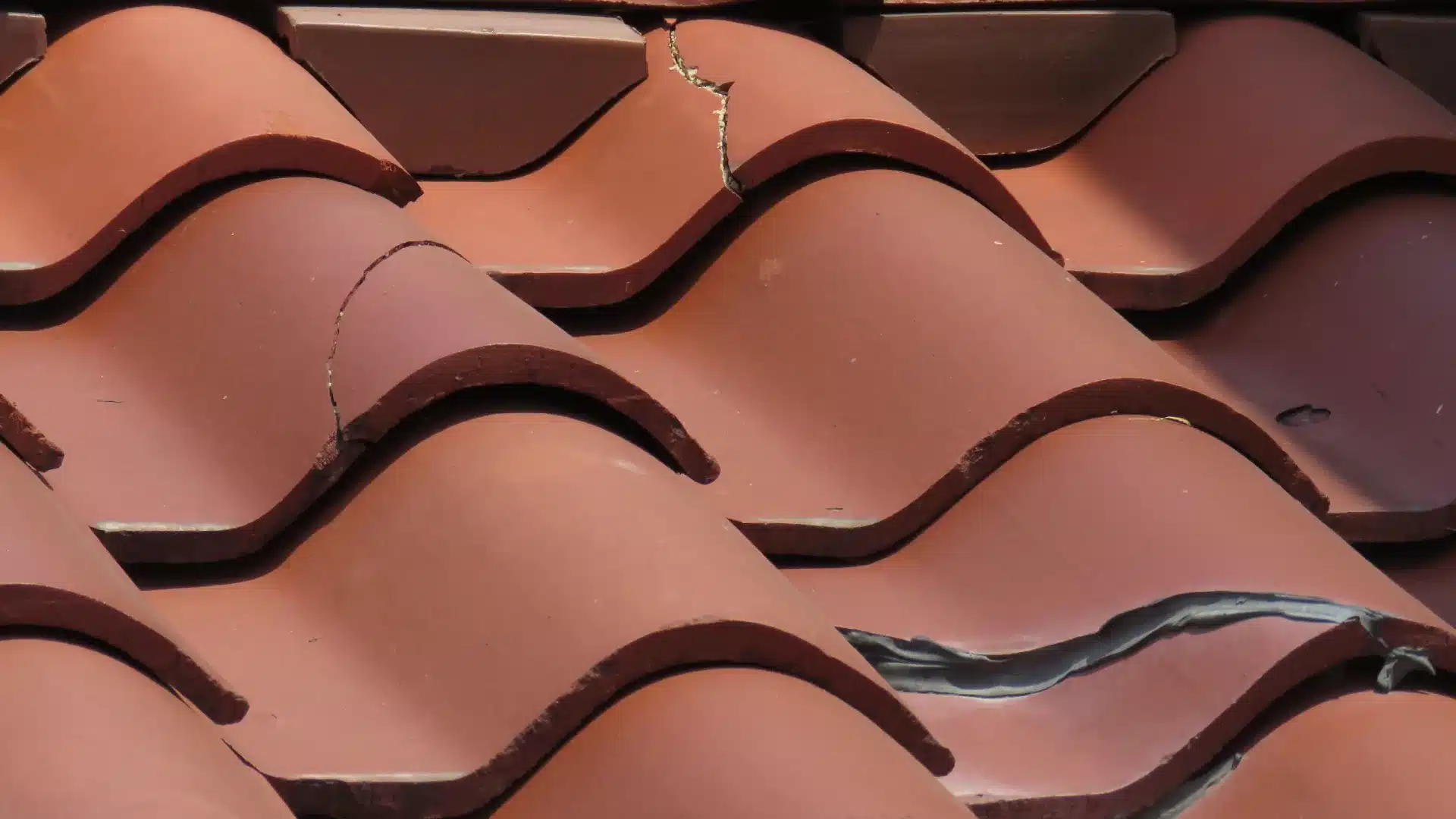
Tile Roofing: Clay and concrete tiles are a classic choice for Florida architecture, offering a distinctive aesthetic that complements many local culture and historical styles. Tile roofs are highly resistant to fire, wind, and rot. While the tiles themselves can last for 50 years or more, the underlayment and fasteners can degrade over time, typically requiring replacement of these components after 20 to 30 years. They are also very heavy, requiring a robust roof structure.
- TPO and EPDM (Flat Roofs): For properties with flat or low-sloped roofs, such as many commercial buildings, apartments, or some modern villas, single-ply membrane systems like TPO (Thermoplastic Olefin) and EPDM (Ethylene Propylene Diene Monomer) are common. These materials offer good protection against water but can be susceptible to punctures and UV degradation. Their lifespan in Florida typically ranges from 15 to 25 years, depending on the specific product and maintenance.
The Critical Role of Professional Installation
Even the most durable roofing material will fail prematurely if not installed correctly. In Florida, where wind resistance is paramount, proper installation is not just about preventing leaks but also about ensuring the roof can withstand hurricane-force winds. This involves:
- Following Manufacturer Specifications: Each roofing material comes with specific installation guidelines that must be adhered to precisely.
- Proper Fastening: The number, type, and placement of fasteners are crucial for securing shingles, tiles, or panels against wind uplift.
- Underlayment and Flashing: The underlayment provides a secondary layer of defense against water, and proper flashing around vents, chimneys, and valleys is essential to prevent leaks.
- Ventilation: Adequate attic ventilation helps to regulate temperature and moisture levels, preventing premature aging of the roofing materials and the roof deck.
A shoddy installation can drastically reduce a roof’s lifespan by 50% or more, turning a potential 30-year roof into one that needs replacement within 10-15 years. For property owners, especially those managing multiple accommodations or investment properties, hiring reputable, experienced roofers who are familiar with Florida building codes and climate challenges is essential.
The Importance of Regular Maintenance and Inspection
Proactive maintenance is key to maximizing a roof’s lifespan, especially in a demanding climate like Florida‘s. Regular inspections, ideally twice a year and after any significant storm event, can help identify minor issues before they escalate into major problems.
- Debris Removal: Keeping the roof free of leaves, branches, and other debris prevents moisture from being trapped and reduces the risk of clogged gutters and downspouts, which can lead to water pooling and damage.
- Gutter Cleaning: Clean gutters and downspouts ensure that rainwater is effectively channeled away from the building’s foundation.
- Checking for Damage: Visually inspecting for missing, cracked, or loose shingles, tiles, or metal panels.
- Addressing Moss and Algae: Promptly treating any signs of biological growth with appropriate cleaning solutions can prevent staining and material degradation.
- Sealant and Flashing Checks: Ensuring that sealants around penetrations are intact and that flashing is secure prevents water intrusion.
Neglecting maintenance can lead to a cascade of problems. A small leak, if ignored, can rot the roof deck, damage insulation, and even compromise the structural integrity of the building. For a homeowner or a property manager, a consistent maintenance schedule is far more cost-effective than emergency repairs or premature replacement. This is especially true for boutique hotels or vacation rentals where guest comfort and property value are paramount.
Expected Roof Lifespans for Different Materials in Florida
Based on the factors discussed, here’s a general overview of expected roof lifespans for common materials in Florida:
Asphalt Shingles: The Budget-Friendly but Shorter-Lived Option
As mentioned, standard 3-tab asphalt shingles typically last between 10-15 years in Florida. While affordable and widely available, their organic composition makes them more vulnerable to the harsh sun and high winds. Enhanced architectural or laminate shingles can extend this lifespan to 15-20 years, but this is still considerably shorter than other options. For those planning a short-term stay or staying in older, less recently renovated properties, this is the most likely roofing material.
Metal Roofs: The Long-Term, High-Performance Solution
Florida‘s climate is ideally suited for metal roofing. When installed correctly with appropriate coatings and underlayment, metal roofs can endure for 40-70 years, and sometimes even longer. This makes them a significant investment, but one that pays off in longevity and reduced maintenance over time. Their resistance to wind, fire, and impact makes them a particularly attractive choice for coastal properties and areas prone to severe weather. Many modern, eco-conscious resorts and villas are opting for metal roofs for their sustainability and durability.
Tile Roofs: Classic Aesthetics with Enduring Strength
Clay and concrete tiles are known for their impressive longevity. The tiles themselves can last 50 years or more. However, the supporting components, such as the underlayment and fasteners, will likely need to be replaced within 20-30 years. This makes tile roofs a durable and aesthetically pleasing option, often seen in traditional Florida architecture and in upscale residential communities or historic districts. Proper inspection and replacement of these secondary components are key to maintaining their protective function.
Flat Roof Membranes (TPO/EPDM): Moderate Lifespans for Specific Applications
For commercial properties, apartment complexes, and homes with flat or low-sloped roofs, TPO and EPDM membranes offer a lifespan of approximately 15-25 years in Florida. Their performance is heavily dependent on the quality of the material, the specifics of the installation, and the level of regular maintenance. Exposure to constant sunlight and heat can accelerate degradation, making regular inspections and prompt repairs crucial for extending their useful life.
Conclusion: Protecting Your Florida Experience
When you’re planning your next trip to Florida, whether it’s a bustling city break in Orlando, a serene beach escape in Clearwater, or an exploration of the unique ecosystems in the Everglades, the condition of the roofs above you plays a silent but vital role in your comfort and safety. From the shingles on a charming bungalow to the advanced materials on a luxury resort, a well-maintained roof is a testament to thoughtful planning and investment.
Understanding the lifespan of various roofing materials in Florida’s demanding climate empowers you to make informed decisions, whether you are a property owner, a potential investor, or simply a traveler seeking to appreciate the resilience and beauty of the Sunshine State. By considering the impact of the sun, rain, and wind, and by valuing quality installation and regular maintenance, the structures that shelter us can endure, allowing us to focus on the vibrant experiences that Florida has to offer, from its world-class attractions and gastronomy to its breathtaking natural landscapes. The lifespan of a roof is more than just a number; it’s a reflection of durability, protection, and the enduring charm of Florida.
LifeOutOfTheBox is a participant in the Amazon Services LLC Associates Program, an affiliate advertising program designed to provide a means for sites to earn advertising fees by advertising and linking to Amazon.com. Amazon, the Amazon logo, AmazonSupply, and the AmazonSupply logo are trademarks of Amazon.com, Inc. or its affiliates. As an Amazon Associate we earn affiliate commissions from qualifying purchases.