
Alaska, often dubbed “The Last Frontier,” is a land of unparalleled natural beauty, from towering mountains and pristine glaciers to vast tundras and abundant wildlife. However, one of its most intriguing and often misunderstood phenomena is the profound darkness that descends upon it during the winter months. For travelers planning a visit, understanding the duration and nature of this darkness is crucial to fully appreciate the unique Alaskan experience. Far from being a deterrent, the extended night offers a different kind of magic, revealing cosmic wonders and inspiring resilience. This guide delves into the science behind Alaska’s winter darkness, its impact on daily life and travel, and how to embrace the unique opportunities it presents for an unforgettable adventure.
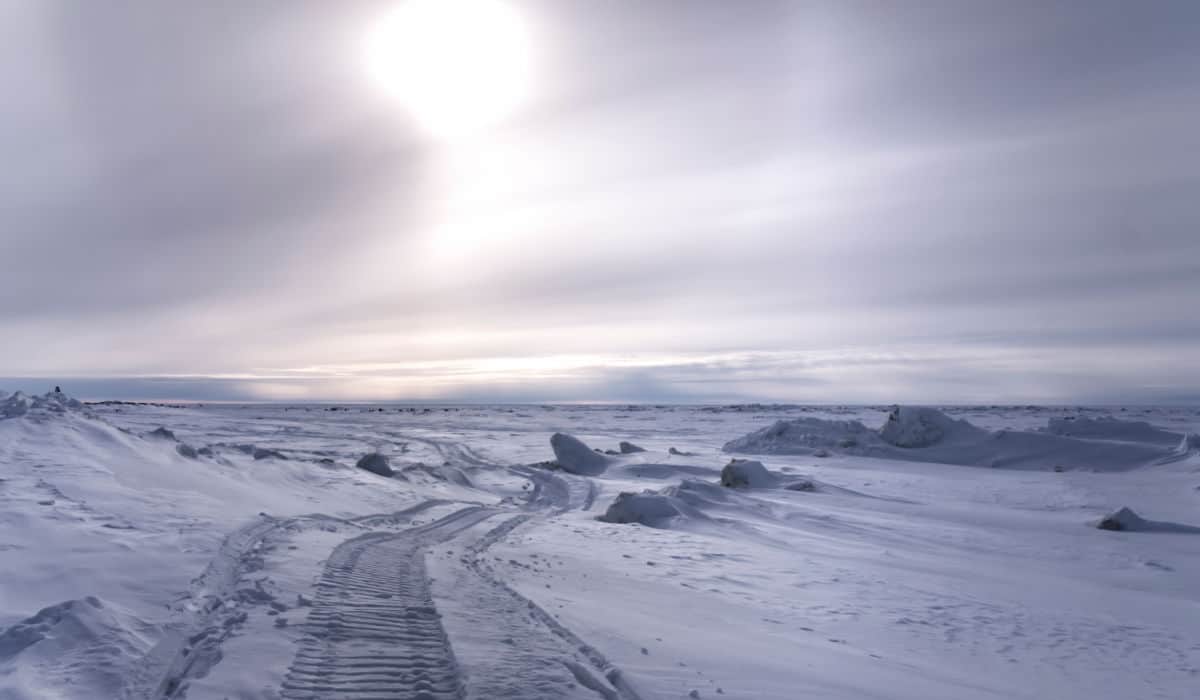
The Science of Arctic Darkness: Understanding Polar Nights and Twilight
To comprehend how long Alaska stays dark, one must first grasp the astronomical principles at play. The Earth’s axial tilt, combined with its orbit around the sun, creates the distinct seasons and, more dramatically, the phenomenon of polar day (midnight sun) and polar night in regions close to the planet’s poles.
What Causes the Darkness?
The primary reason for Alaska’s prolonged darkness in winter is its high latitude. Much of the state lies within or very close to the Arctic Circle, an imaginary line of latitude approximately 66.5 degrees North. During the Northern Hemisphere’s winter solstice, typically around December 21st, the North Pole is tilted furthest away from the sun. This tilt means that locations above the Arctic Circle receive little to no direct sunlight, resulting in periods where the sun either doesn’t rise above the horizon at all or remains very low in the sky for only a short time.
Defining Polar Night
A true polar night occurs when the sun does not rise above the horizon for more than 24 hours. The duration of this phenomenon intensifies the further north one travels. In parts of Alaska well above the Arctic Circle, like the city of Utqiagvik (formerly Barrow), this can mean months without direct sunlight. This doesn’t imply pitch-black conditions around the clock, however, thanks to the pervasive influence of twilight.
The Nuance of Twilight
Even during polar night, the sky is rarely completely dark for the entire 24-hour cycle. Instead, these regions experience varying degrees of twilight.
- Civil Twilight is when the sun is less than 6 degrees below the horizon. During this time, there’s enough natural light for outdoor activities, and objects are clearly discernible. This is often the brightest part of a polar day, resembling dawn or dusk.
- Nautical Twilight occurs when the sun is between 6 and 12 degrees below the horizon. The horizon is no longer visible, and general outlines of objects can be seen, but detailed activities require artificial light.
- Astronomical Twilight is when the sun is between 12 and 18 degrees below the horizon. At this point, the sky is truly dark for most practical purposes, and celestial objects become visible.
In areas experiencing polar night, the “daylight” hours are often characterized by prolonged civil and nautical twilight, casting a soft, ethereal glow over the landscape rather than total blackness.
Variations Across Alaska
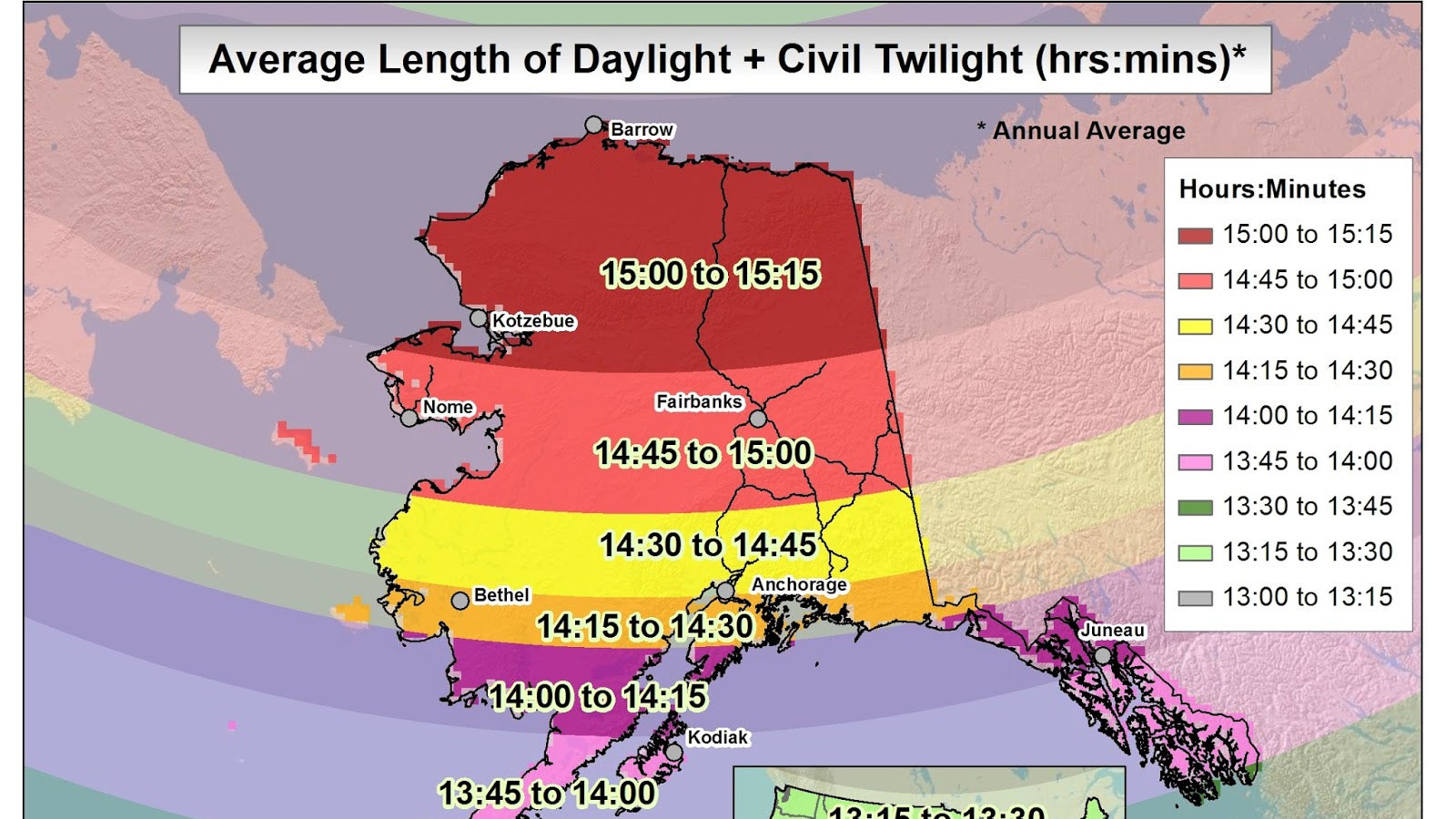
The extent and duration of darkness vary significantly across Alaska due to its vast geographical spread. While northern cities like Utqiagvik experience true polar night, more southerly and populated areas like Anchorage and Juneau still experience dramatically shortened days, but the sun always makes an appearance, even if briefly. This regional difference is key to understanding how long Alaska “stays dark” depending on your destination within the state.
Navigating Life in the Shadows: Impact on Travel and Lifestyle
The extended periods of darkness profoundly influence both the environment and the daily lives of Alaskans, as well as the experiences of visitors. Far from being a negative, this unique condition shapes a distinctive culture and offers unparalleled opportunities for specific types of tourism.
Duration of Darkness by Region
The phrase “how long does Alaska stay dark” needs to be addressed with geographical specificity, as the experience differs greatly from north to south.
The Deep North: Utqiagvik and Beyond
For those venturing into the northernmost reaches, the darkness is most extreme. Utqiagvik, the northernmost city in the United States, experiences true polar night for over two months. The sun typically sets around November 18th and doesn’t officially rise again until January 23rd. During this period, the city is bathed in a twilight glow for a few hours around midday, transitioning between nautical and civil twilight, but never sees direct sunlight. This extended dark period shapes the very rhythm of life, from schooling schedules to community events.
Interior Alaska: Fairbanks and the Central Regions
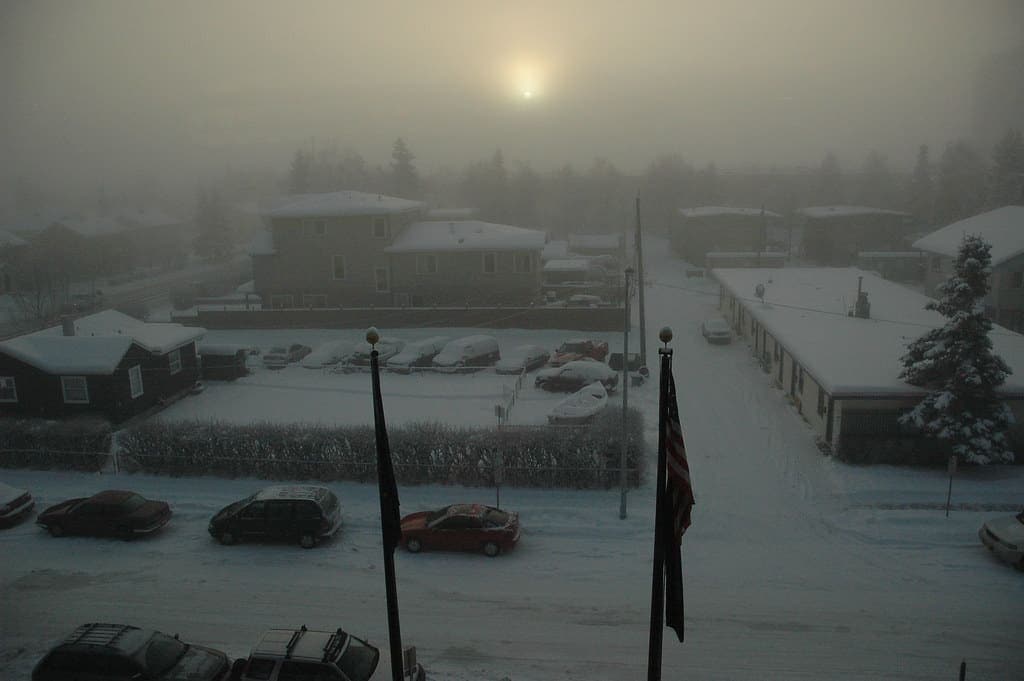
Fairbanks, situated closer to the Arctic Circle but still south of it, does not experience true polar night. However, its winter days are incredibly short. At the winter solstice, Fairbanks sees approximately 3 hours and 41 minutes of daylight. The sun rises low in the sky, barely cresting the horizon before setting again, creating long, lingering sunrises and sunsets that bleed into extended twilight periods. For most of December and January, the daylight hours are condensed, making the evening and morning commutes feel like nighttime.
Southcentral Alaska: Anchorage and Coastal Areas
Further south, in major population centers like Anchorage, the daylight hours are more substantial but still significantly shorter than in lower latitudes. At the winter solstice, Anchorage experiences about 5 hours and 28 minutes of daylight. While this is less extreme than Fairbanks or Utqiagvik, it still means that the majority of a typical workday is conducted in darkness or twilight. Cities like Juneau or Ketchikan further south will have slightly longer days, but the winter months across all of Alaska are characterized by reduced daylight.
Daily Life Adjustments
Living in a region with such extreme light cycles requires significant adaptations. Many Alaskans use light therapy lamps to combat Seasonal Affective Disorder (SAD), a common concern during extended darkness. Communities focus on indoor activities, vibrant lighting displays, and maintaining strong social connections to ward off the winter blues. Schools and businesses adjust their schedules, and the rhythm of life often shifts to accommodate the short “day.” For visitors, experiencing this lifestyle is an integral part of understanding Alaskan culture. From cozy cafes bustling with activity to brightly lit shops, the indoor environments become beacons of warmth and community.
Tourism Implications
Far from being a drawback, the darkness is a major draw for tourism in Alaska. It creates prime conditions for witnessing the awe-inspiring Northern Lights, facilitates unique winter sports, and fosters a distinct, resilient local culture. Travel guides and tourism bodies actively promote winter visits, highlighting specific attractions and experiences that thrive in the colder, darker months. Understanding these implications helps travelers plan their itineraries to make the most of what the Alaskan winter has to offer.
Embracing the Arctic Night: Winter Wonders and Activities
Instead of being a period of dormancy, the Alaskan winter bursts with unique activities and breathtaking sights, many of which are enhanced by the long nights. For travelers, this season offers a chance to experience a truly different side of the Last Frontier, steeped in adventure and natural spectacle.
Chasing the Northern Lights
Perhaps the most iconic attraction of the Alaskan winter is the aurora borealis, or Northern Lights. The extended periods of darkness, coupled with clear, cold skies, create ideal viewing conditions. Fairbanks, in particular, is renowned as one of the best places on Earth to witness this celestial dance, primarily due to its location under the auroral oval and its typically stable winter weather. Numerous tour operators offer guided excursions to remote cabins or heated viewing domes, maximizing the chances of a spectacular show. Many hotels and lodges in the region even provide aurora wake-up calls, ensuring guests don’t miss a moment of the dazzling display. Imagine sitting comfortably, perhaps with a hot beverage, as curtains of green, pink, and purple light ripple across the inky sky – an unforgettable experience facilitated directly by the long nights.
Winter Sports and Adventures
The abundant snow and ice that accompany the winter darkness transform Alaska into a vast playground for winter sports enthusiasts.
Skiing and Snowboarding
Ski resorts like Alyeska Resort in Girdwood, near Anchorage, offer world-class skiing and snowboarding. While daylight hours are limited, many runs are illuminated for night skiing, providing a unique experience under starry or aurora-lit skies. The quality of the snow, often light and powdery, draws enthusiasts from around the globe.
Dog Sledding
No trip to winter Alaska would be complete without experiencing dog sledding. From short, exhilarating rides to multi-day expeditions, dog sledding offers an authentic way to explore the snowy landscapes. Many kennels offer tours where visitors can meet the huskies, learn about the sport, and even drive a team. The famous Iditarod Trail Sled Dog Race, often dubbed “The Last Great Race on Earth,” begins its ceremonial start in Anchorage in early March, drawing thousands of spectators and embodying the spirit of Alaskan endurance.
Other popular activities include ice fishing on frozen lakes, snowmobiling (or snowmachining, as locals call it) through vast wilderness areas, and ice skating on natural or man-made rinks.
Cultural Experiences and Festivals
Alaskan communities truly come alive in winter, hosting a variety of festivals and cultural events that celebrate the season. Ice sculpture contests, like the World Ice Art Championships in Fairbanks, showcase incredible artistic talent. Indigenous cultures, with their deep connection to the land and its cycles, often hold traditional ceremonies and gatherings. The Alaska Native Heritage Center in Anchorage offers insights into the rich history and traditions of Alaska’s diverse indigenous peoples, providing a warm and enriching indoor experience. Local markets, arts and crafts fairs, and live music performances add to the vibrant winter lifestyle.
Wildlife Viewing
While many animals hibernate, others thrive in the winter. Moose, reindeer, and caribou are frequently seen against the snowy backdrop, often foraging along roadsides or in urban areas. Wolves, lynx, and various arctic foxes are also active. Winter can be an excellent time for birdwatching, as species like ptarmigan are camouflaged in their white plumage. Visiting national parks like Denali National Park in winter offers a starkly beautiful, quieter experience, with opportunities to see tracks in fresh snow and spot resilient wildlife in their natural habitat, often under the unique light of extended twilight or the aurora.
Planning Your Alaskan Winter Adventure: Tips for a Memorable Trip
A trip to Alaska during its darker months requires careful planning, but the rewards are immense. By preparing adequately, travelers can fully immerse themselves in the magic of the Arctic winter.
Best Time to Visit
To experience the profound darkness and maximize your chances of seeing the Northern Lights, the period from late November to early March is ideal. December and January offer the shortest daylight hours, meaning more opportunities for aurora viewing. If you’re interested in specific events like the Iditarod Trail Sled Dog Race or the Ice Art Championships, check their schedules, as these usually occur in late February or early March when daylight is slowly returning.
Accommodation Choices
Alaska offers a wide range of accommodation options, from luxurious resorts to cozy cabins and budget-friendly hotels. In cities like Anchorage, establishments like the Hotel Captain Cook provide full-service amenities and warmth, offering a comfortable base for exploration. In Fairbanks or more remote locations, look for lodges and B&Bs that cater specifically to aurora viewers, sometimes offering dedicated viewing areas or amenities designed for winter comfort. When booking, consider properties with good insulation, reliable heating, and perhaps even indoor pools or hot tubs – a true luxury after a day in the cold. Reading reviews on amenities, comfort, and local tips is crucial for finding the perfect winter retreat.
Essential Packing List
Layering is paramount for staying warm in Alaska’s winter. Start with a moisture-wicking base layer, add insulating mid-layers (fleece or down), and finish with a waterproof and windproof outer shell.
- Headwear: A warm hat that covers your ears is essential.
- Gloves/Mittens: Mittens are generally warmer than gloves. Consider thin liners for dexterity.
- Footwear: Insulated, waterproof boots with good grip are a must. Wool or synthetic socks are key.
- Accessories: Goggles, sunglasses (for glare on snow, even in low light), hand/foot warmers, and a good headlamp or flashlight are invaluable for navigating in the dark.
Transportation and Logistics
Road conditions can be challenging in winter, with snow and ice common. If driving, ensure your vehicle is equipped with appropriate tires (studded or winter tires) and be prepared for changing conditions. Many travelers opt for guided tours or flights to access more remote areas. Major cities like Anchorage and Fairbanks have airports with regular flights, but smaller community air service may be seasonal. Always check flight statuses and road conditions before embarking. For longer stays, consider the benefits of booking long-term accommodation with kitchenette facilities to manage costs and enjoy home-cooked meals.
Health and Wellness
Adapting to the extended darkness can affect mood and energy levels. Ensure you get enough rest, stay hydrated, and maintain a healthy diet. Many Alaskans use light therapy lamps during the winter months, and these can be helpful for visitors as well. Embrace outdoor activities during the brief daylight hours to boost your mood and energy. Connecting with locals and other travelers can also enhance your experience, turning potential solitude into shared adventure.
In conclusion, the question “How long does Alaska stay dark?” doesn’t have a single, simple answer. It’s a dynamic phenomenon that varies greatly by location and time of year. However, what is consistent across the state is the extraordinary beauty and unique opportunities that this extended night brings. From the dazzling displays of the Northern Lights to thrilling winter sports and rich cultural experiences, Alaska in winter is an adventure unlike any other. By understanding its rhythms and preparing wisely, travelers can embark on a truly memorable journey into the heart of the Arctic’s enchanting night.
LifeOutOfTheBox is a participant in the Amazon Services LLC Associates Program, an affiliate advertising program designed to provide a means for sites to earn advertising fees by advertising and linking to Amazon.com. Amazon, the Amazon logo, AmazonSupply, and the AmazonSupply logo are trademarks of Amazon.com, Inc. or its affiliates. As an Amazon Associate we earn affiliate commissions from qualifying purchases.