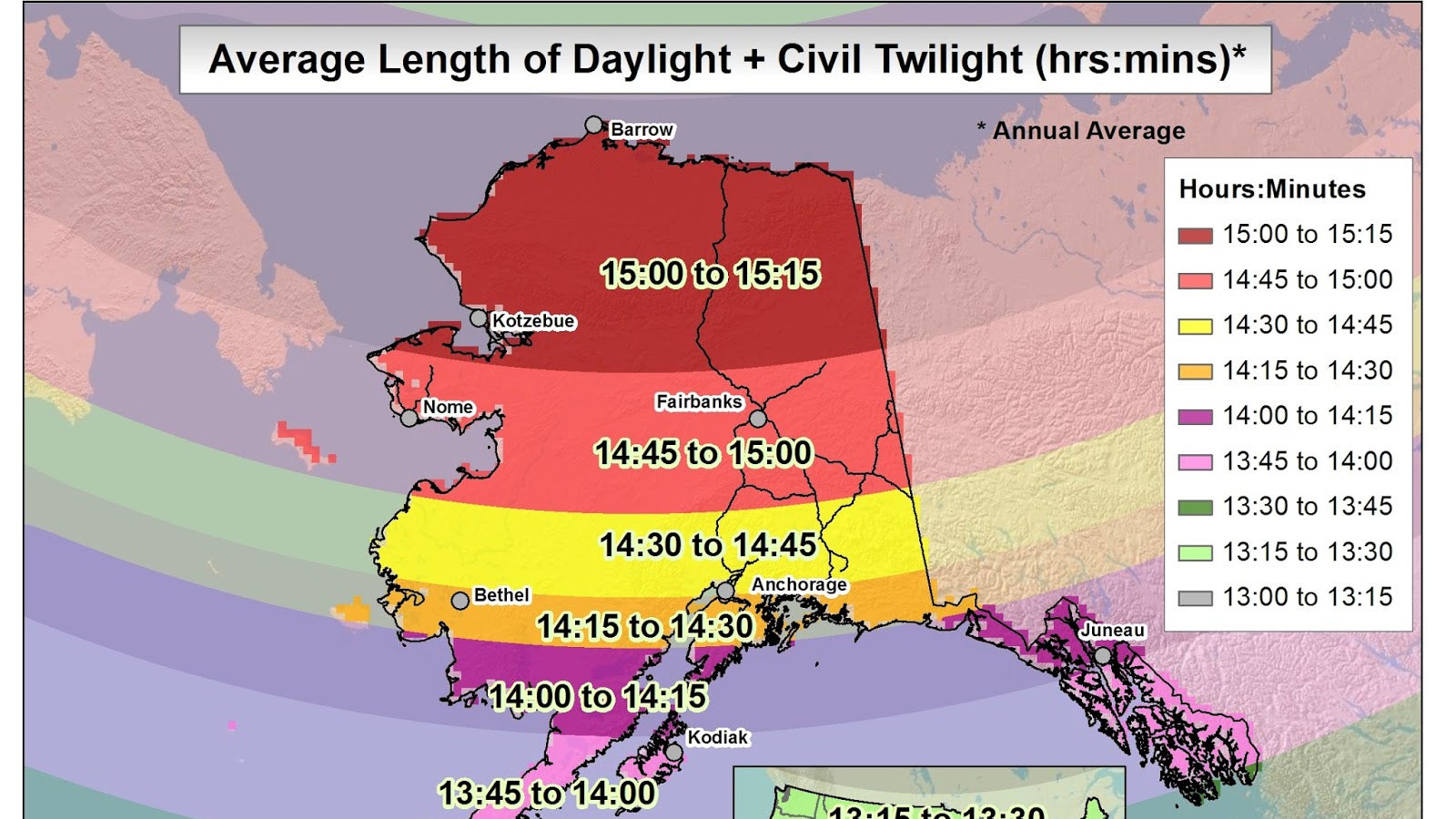
Alaska, often hailed as the Last Frontier, is a land of unparalleled natural beauty, rugged wilderness, and captivating extremes. Among its most fascinating and often misunderstood phenomena is the dramatic fluctuation of daylight and darkness throughout the year. For travelers planning a visit or simply curious about life in the high latitudes, the question “How long does it stay dark in Alaska?” unlocks a deeper understanding of this unique destination. It’s not just a simple answer; it’s an invitation to explore the science, the lifestyle, and the incredible opportunities that arise from Alaska’s distinct relationship with the sun. From prolonged winter nights to the legendary Midnight Sun, the state offers experiences unlike anywhere else on Earth, profoundly shaping its tourism, accommodation, and local culture.
Understanding Alaska’s Unique Relationship with Light and Dark
The extreme variations in daylight hours in Alaska are a direct consequence of its high latitude. Positioned closer to the North Pole than most other populated regions, Alaska experiences the full effect of the Earth’s axial tilt as it orbits the sun. This tilt, approximately 23.5 degrees, means that during different times of the year, either the Northern or Southern Hemisphere is tilted towards or away from the sun. When the Northern Hemisphere tilts away, Alaska plunges into its extended winter darkness.
The Science Behind the Solstices and Equinoxes
The celestial dance of the Earth around the sun dictates Alaska’s light cycles. The Winter Solstice, typically around December 21st, marks the shortest day and longest night of the year in the Northern Hemisphere. For Alaska, this means some areas experience merely a few hours of twilight, while those north of the Arctic Circle endure days with no direct sunlight at all. Conversely, the Summer Solstice, around June 21st, brings the longest day, ushering in the famous Midnight Sun where daylight can last for 20 hours or more, or even 24 hours north of the Arctic Circle. The Vernal and Autumnal Equinoxes, in March and September respectively, represent periods when day and night are roughly equal in length across the globe, including Alaska, marking transitional phases between the extremes. These scientific principles are not just abstract concepts; they are the fundamental drivers behind unique travel seasons and accommodation considerations in the state.
Regional Variations: From Anchorage to Utqiagvik
The extent of darkness or daylight varies significantly across Alaska due to its vast geographical span. The state covers a massive area, stretching from temperate rainforests in the southeast to the polar tundra in the north.
-
Anchorage (Southcentral Alaska): As Alaska’s largest city, Anchorage serves as a primary hub for travelers. During the peak of winter (December), Anchorage typically experiences about 5.5 to 6 hours of daylight. While still significantly less than lower latitudes, it’s not complete darkness. This relatively “milder” winter light situation makes Anchorage a popular destination for those wanting to experience an Alaskan winter without the most extreme light conditions. Accommodation options here range from luxury hotels to cozy vacation rentals, many of which are well-equipped for winter stays, offering amenities like indoor pools and excellent dining.
-
Fairbanks (Interior Alaska): Situated closer to the Arctic Circle, Fairbanks sees even more dramatic light shifts. In December, Fairbanks receives only around 3.5 to 4 hours of daylight. This extended period of twilight and darkness makes Fairbanks one of the best places in the world to witness the Northern Lights (Aurora Borealis), drawing thousands of tourists each winter. Hotels and lodges in and around Fairbanks often cater specifically to Aurora viewing, with specialized tours and comfortable viewing areas.
-
Utqiagvik (Northernmost Alaska): Formerly known as Barrow, Utqiagvik is the northernmost city in the United States and lies well north of the Arctic Circle. Here, the phenomenon of “polar night” is a reality. From mid-November to late January, the sun does not rise above the horizon for approximately 65 days. During this period, the city experiences civil twilight for a few hours each day, a dim glow on the southern horizon, but no direct sunlight. This extreme environment is primarily for adventurous travelers and researchers, requiring specialized travel arrangements and hardy accommodations. The unique local culture, deeply intertwined with Inupiat traditions, offers a profound glimpse into life in the true Arctic.
Experiencing the Alaskan Winter: Embracing the Darkness
While the prospect of prolonged darkness might seem daunting, it is precisely what makes an Alaskan winter an extraordinary travel experience. The winter months are a season of ethereal beauty, where snow-covered landscapes glisten under starlight, and the natural world slows to a serene pace.
Life in Perpetual Twilight: What to Expect
For visitors, life during Alaska’s darkest days is far from stagnant. While daylight hours are minimal, particularly in the Subarctic and Arctic regions, the landscape is often bathed in a soft, prolonged twilight rather than absolute pitch black. This “blue hour” can extend for hours, offering photographers unique opportunities. Locals adapt by maintaining vibrant indoor lives, participating in community events, and embracing winter sports. Many homes and businesses use abundant artificial lighting to create warmth and cheer. Travelers will find hotels and resorts well-equipped to provide comfort and entertainment regardless of the outside light conditions, from cozy lounges with fireplaces to excellent dining options. Planning your accommodation with features like blackout curtains for sleep (ironically useful in summer too) and easy access to activities is key.
Unforgettable Winter Activities and Attractions
The darkness of winter unveils some of Alaska’s most iconic attractions:
- The Northern Lights (Aurora Borealis): This is the quintessential winter draw. The long, dark nights provide the perfect canvas for the mesmerizing dance of green, purple, and red lights across the sky. Fairbanks, due to its location under the Aurora Oval and its typically clear, cold nights, is considered one of the best places in the world to see them. Many lodges and resorts, particularly around Fairbanks and Anchorage, offer dedicated Aurora viewing packages, often including heated cabins or specialized viewing domes.
- Dog Sledding and Mushing: Experience the thrill of gliding across snowy trails pulled by a team of enthusiastic huskies. Many tour operators offer short rides or multi-day expeditions. The annual Iditarod Trail Sled Dog Race starts in Anchorage and draws visitors from around the globe, offering a glimpse into Alaska’s rich mushing culture.
- Winter Sports: Downhill skiing and snowboarding are popular at resorts like Alyeska Resort near Girdwood, offering night skiing under floodlights. Cross-country skiing, snowshoeing, and ice skating are also widely enjoyed across the state’s numerous trails and frozen lakes.
- Ice Sculpting and Winter Festivals: Cities like Fairbanks host international ice carving competitions, transforming massive blocks of ice into intricate works of art. These festivals, often accompanied by fireworks and local delicacies, provide vibrant cultural experiences that counteract the winter chill.
- Wildlife Viewing: While many animals hibernate, others are active. Spotting moose, caribou, and even wolves against a pristine white backdrop is a magical experience. Specialized tours can take you to prime viewing spots.
For travelers, selecting accommodations during winter means looking for cozy, well-heated options. Many boutique hotels offer packages that include winter activities, and reviewing traveler experiences can help in choosing the perfect winter retreat.
Thriving in the Land of the Midnight Sun: The Summer Contrast
Just as extreme as its winter darkness, Alaska’s summer brings a dazzling display of endless daylight, thanks to the Midnight Sun. This period, roughly from May to August, sees the landscape burst into life, offering a completely different set of travel experiences.
Endless Daylight: A Season of Exploration
The extended daylight hours, stretching up to 20 hours or even 24 hours in some northern regions, invigorate the entire state. Flowers bloom, wildlife emerges, and the land beckons with an irresistible call to adventure. This is Alaska’s peak tourism season, and for good reason. The sheer amount of available light allows for long days of exploration without the rush.
- Hiking and Backpacking: With trails accessible for longer periods, national parks like Denali National Park and preserves become prime destinations. Hiking under the glow of the Midnight Sun is an unforgettable experience, allowing for exploration of stunning landscapes and diverse ecosystems.
- Fishing and Water Activities: Alaska is a world-renowned destination for fishing, particularly for salmon. Rivers and lakes teem with life, and charter boats offer deep-sea fishing experiences in coastal towns like Seward and Homer. Kayaking, rafting, and cruising through fjords like those in Glacier Bay National Park or Kenai Fjords National Park are popular ways to experience Alaska’s aquatic wilderness.
- Wildlife Viewing: Summer is prime time for seeing grizzly bears, black bears, moose, caribou, Dall sheep, and a myriad of bird species. Coastal areas, like Kodiak Island, offer incredible opportunities to spot marine mammals such as whales, sea otters, and seals. Many lodges specialize in wildlife photography tours.
- Cruises and Scenic Tours: From massive cruise ships navigating the Inside Passage to smaller expedition vessels exploring remote coves, summer cruises are a popular way to see coastal Alaska’s glaciers, wildlife, and charming towns like Juneau and Skagway. The Alaska Railroad also offers breathtaking scenic journeys.
Planning Your Alaskan Summer Adventure
The abundance of light in summer dictates a different approach to travel planning. Accommodations, particularly in popular areas like Denali or Anchorage, book up months in advance. Travelers should plan their trips, including flights and lodging, far ahead, ideally 6-12 months out. Comparing hotel options, from rustic cabins to luxury resorts, based on reviews and amenities, is crucial. Many establishments offer packages tailored to summer activities.
A key lifestyle adjustment for visitors is dealing with the constant daylight. Packing an eye mask and choosing accommodations with good blackout curtains are highly recommended to ensure restful sleep. Despite the potential for sleep disruption, the vibrant energy of summer Alaska is infectious, encouraging visitors to make the most of every sun-drenched hour.
Navigating Accommodation and Lifestyle in Alaska’s Extreme Seasons
Whether you’re drawn by the ethereal darkness of winter or the endless light of summer, understanding how to navigate Alaska’s unique light cycles is essential for a rewarding trip. This extends to choosing the right place to stay and adapting to the local rhythm.
Choosing the Right Accommodation for Your Trip
Alaska offers a diverse range of accommodation options, each tailored to different travel styles and seasons:
- Hotels and Resorts: Cities like Anchorage, Fairbanks, and Juneau boast a variety of hotels, from international chains to boutique establishments. Many high-end resorts, like Alyeska Resort, offer year-round amenities and activity access. For winter, look for hotels that provide comfortable indoor spaces, hot tubs, and proximity to Aurora viewing tours. For summer, consider those near trailheads or with easy access to boat charters.
- Lodges and Cabins: For a more immersive wilderness experience, especially outside of major cities, lodges and cabins are popular choices. These range from rustic, self-catering options to luxurious all-inclusive wilderness resorts. In winter, an Aurora viewing lodge in Fairbanks might be perfect, while in summer, a fishing lodge on the Kenai Peninsula could be ideal. Always check reviews regarding their winterization or summer amenities.
- Vacation Rentals (Apartments, Villas): Platforms like Airbnb and VRBO offer numerous private accommodations. These are excellent for families or longer stays, providing a sense of home and often unique local insights. They also allow for self-catering, which can be budget-friendly.
- Camping and RV Parks: Popular during the summer months, these options offer budget-friendly travel and the ultimate flexibility. Reservations are highly recommended for popular parks, especially near Denali or in national forests.
Booking should always be done well in advance, especially for the peak summer season. Comparing amenities, prices, and locations across various platforms will help secure the best stay for your Alaskan adventure. Long-term stay options are available, but require diligent planning and understanding of seasonal availability.
Health and Wellness: Adjusting to the Light Cycles
The extreme light cycles can impact human health and well-being. During the long winter nights, some individuals may experience Seasonal Affective Disorder (SAD), a type of depression related to changes in seasons. For travelers, acknowledging this potential impact is important. Strategies include:
- Light Therapy: Exposure to full-spectrum light lamps can mimic natural sunlight and help regulate mood and sleep patterns.
- Vitamin D Supplementation: Reduced sunlight exposure can lead to Vitamin D deficiency.
- Maintaining a Routine: Sticking to a consistent sleep schedule and engaging in regular physical activity can help the body adjust.
- Embracing the Outdoors: Even in winter, spending time outside during daylight hours (or twilight) can boost mood and energy.
- Blackout Curtains and Eye Masks: Essential for ensuring quality sleep during the endless summer days.
Conversely, the Midnight Sun can lead to overstimulation and difficulty sleeping for some. Preparing with appropriate sleep aids and a mindset to make the most of the long days will enhance the summer experience. Many accommodations understand these challenges and provide solutions like blackout blinds automatically.
Culinary Experiences and Local Culture
Alaska’s unique light cycles also influence its local culture and culinary scene. During summer, the abundance of fresh produce and seafood is celebrated in farmers’ markets and restaurants, featuring wild salmon, halibut, king crab, and local berries. Summer festivals often revolve around outdoor activities and community gatherings that stretch late into the “night.”
In winter, the focus shifts to hearty, warming foods. Communities come alive with indoor events, art markets, and cultural performances, such as those at the Alaska Native Heritage Center in Anchorage. The adaptation to the darkness fosters a strong sense of community and resilience, offering visitors a glimpse into the unique Alaskan way of life.
In conclusion, “How long does it stay dark in Alaska?” is a question that opens the door to understanding one of the world’s most captivating destinations. Whether experiencing the profound stillness of the polar night under a sky ablaze with Aurora Borealis, or reveling in the boundless energy of the Midnight Sun, Alaska promises an adventure shaped by the very rhythms of the Earth itself. Thoughtful planning for travel, accommodation, and personal wellness will ensure that any visitor can fully embrace the light and dark wonders of the Last Frontier.