
Navigating the complexities of the eviction process in Florida can be a daunting task, whether you are a landlord seeking to regain possession of your property or a tenant facing displacement. The timeline for an eviction in the Sunshine State is not a fixed number; rather, it’s a dynamic process influenced by various factors, including the specific type of eviction, court schedules, and potential tenant responses. Understanding these variables is crucial for setting realistic expectations and preparing for the steps involved.
The legal framework governing evictions in Florida is primarily outlined in Chapter 83 of the Florida Statutes, which differentiates between two main types of eviction: eviction for non-payment of rent and eviction for other lease violations. Each of these pathways has its own distinct procedural requirements and associated timeframes.

Understanding Florida Eviction Types and Timelines
Florida law provides landlords with specific remedies when tenants fail to uphold their lease agreements. The most common reasons for eviction are the tenant’s failure to pay rent and breaches of other significant lease terms. The procedural timelines differ for each, reflecting the legal distinction between these issues.
Eviction for Non-Payment of Rent
This is the most frequent type of eviction and generally follows a more streamlined process. The underlying principle is that a tenant’s failure to pay rent constitutes a material breach of the lease agreement.
Initial Notice Period: The Five-Day Notice
The process begins with the landlord serving the tenant with a formal written notice. For non-payment of rent, this notice is specifically a “Five-Day Notice to Pay Rent or Vacate.” This is not a court filing but a prerequisite notice that must be properly delivered to the tenant.
- Content of the Notice: The notice must clearly state the amount of rent due, the period for which it is owed, and that the tenant has five business days to pay the full amount or vacate the premises. It must also specify the date by which payment is due.
- Delivery: The notice must be delivered in one of three ways: personally delivered to the tenant, left at the tenant’s residence with a member of the tenant’s household who is at least 15 years of age, or if none of the above methods are successful, by posting it on the door of the dwelling unit.
- Counting the Days: The five-day period excludes weekends and legal holidays. This means a notice served on a Friday, for example, would not have the weekend days count towards the five days.
- Tenant’s Options: Upon receiving the Five-Day Notice, the tenant has two primary options:
- Pay the full rent due: If the tenant pays the entire outstanding rent within the five-day period, the eviction process for non-payment stops, and the tenant remains in possession.
- Vacate the property: If the tenant chooses to leave, they are no longer in possession, and the landlord can proceed to re-rent the property. However, the tenant may still be liable for any unpaid rent and damages.
If the tenant neither pays the rent nor vacates the property within the five business days, the landlord can then proceed to file an eviction lawsuit in the appropriate Florida county court.
Filing the Lawsuit and Summons
Once the Five-Day Notice period expires without resolution, the landlord can file a Complaint for Eviction with the county court where the property is located.
- Filing Fees and Documents: The landlord will need to pay court filing fees and submit the complaint along with copies of the lease agreement, the Five-Day Notice, and proof of its delivery.
- Issuance of Summons: After the complaint is filed, the court will issue a summons. This legal document officially notifies the tenant that they have been sued and must respond to the court.
- Service of Process: The summons and a copy of the complaint must be formally served on the tenant by a sheriff’s deputy or a certified process server. This ensures the tenant is legally notified of the lawsuit.
Tenant’s Response
Florida law generally requires tenants to respond to an eviction lawsuit within five business days after being served with the summons and complaint.
- Filing an Answer: The tenant can file a written answer with the court, admitting or denying the allegations in the complaint.
- Defenses: The tenant may also raise legal defenses against the eviction.
- Bond Requirement (Rent Deposit): In an eviction for non-payment of rent, if the tenant wishes to remain in possession of the property while the case is pending, they are generally required to deposit the undisputed portion of rent owed into the court registry. If there is a dispute over the amount of rent owed, the court will determine how much should be deposited. Failure to make this rent deposit can lead to the court entering a default judgment against the tenant.
Court Hearing and Judgment
If the tenant fails to respond within the five-day period, or fails to deposit the required rent into the registry, the landlord can request a default judgment from the court. This means the court can rule in favor of the landlord without a hearing.
If the tenant does respond and raises defenses, the court will schedule a hearing.
- Eviction Hearing: At the hearing, both the landlord and the tenant will have an opportunity to present their case, evidence, and arguments.
- Judge’s Decision: The judge will then make a ruling. If the judge finds in favor of the landlord, they will issue a Writ of Possession.
Writ of Possession and Final Eviction
The Writ of Possession is a court order directing the sheriff to remove the tenant from the property.
- Sheriff’s Involvement: The landlord must deliver the Writ of Possession to the local sheriff’s office. The sheriff will then schedule a date to execute the writ.
- Notice to Vacate: The sheriff will typically serve the tenant with a 24-hour notice to vacate. This notice informs the tenant of the exact date and time they must leave the property.
- Final Removal: If the tenant still refuses to leave after the 24-hour notice, the sheriff will physically remove the tenant and their belongings from the property, restoring possession to the landlord.
Overall Estimated Timeline for Non-Payment Eviction:
- Notice Period: 5 business days
- Tenant Response Time: 5 business days
- Time to File and Serve: Varies, but can take a few days to a week.
- Court Scheduling: Can range from a week to several weeks, depending on court dockets.
- Writ of Possession Execution: Usually scheduled within a few days to a week after issuance.
While it’s possible for an eviction for non-payment to be completed in as little as 2-3 weeks under ideal circumstances (e.g., tenant doesn’t respond or pays immediately), a more realistic timeframe often stretches to 4-6 weeks or longer, especially if the tenant contests the eviction or if court dockets are backlogged.
Eviction for Other Lease Violations
Evictions for reasons other than non-payment of rent, such as property damage, disturbing neighbors, or illegal activities, follow a different notice procedure and generally take longer.
Initial Notice Period: The Seven-Day Notice
For lease violations other than non-payment, the landlord must first serve the tenant with a “Notice to Cure or Quit.” This notice specifies the lease violation and gives the tenant a period to correct (cure) the issue or vacate the property.
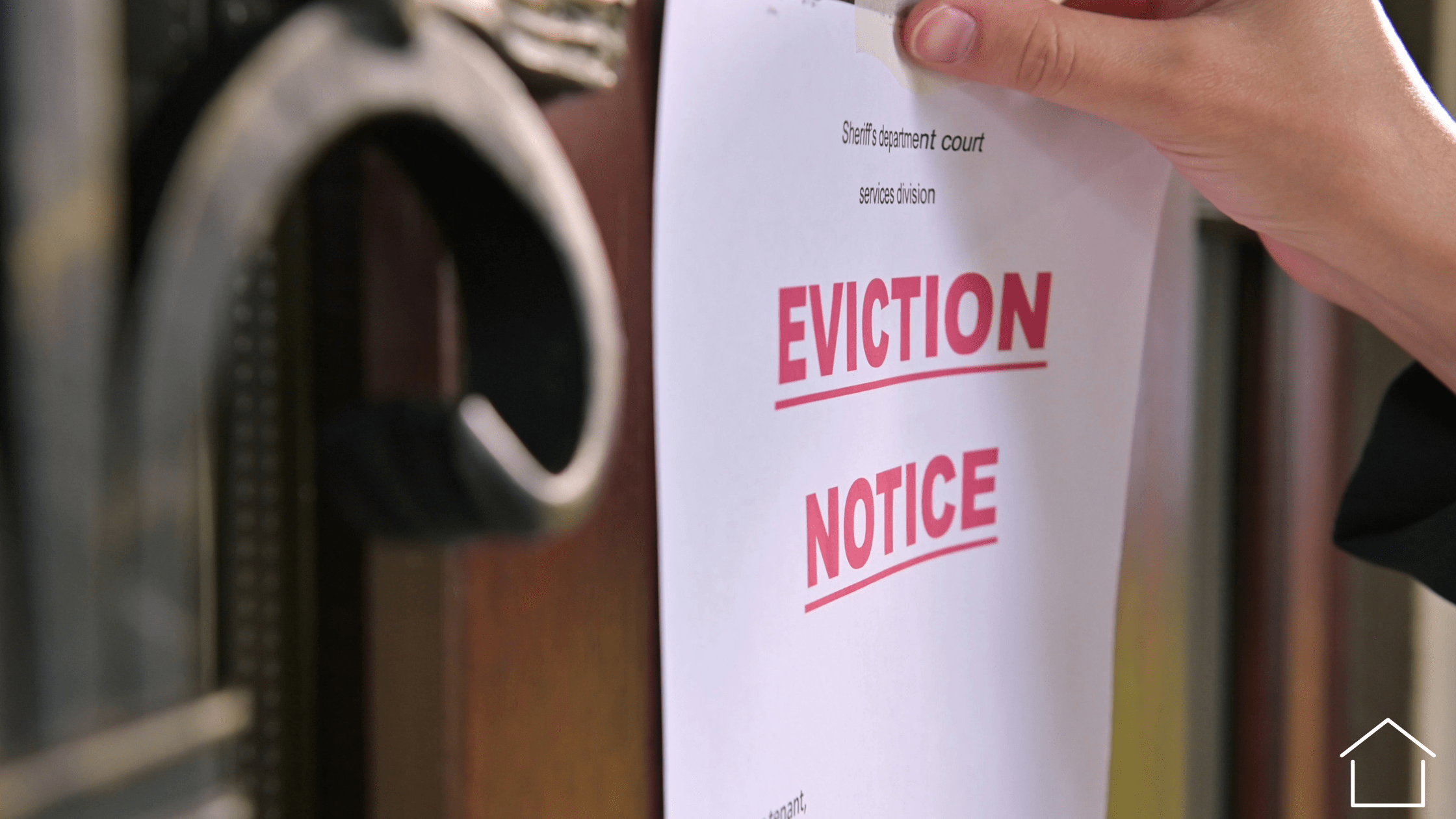
- Content of the Notice: The notice must clearly describe the specific lease violation. For example, if a tenant is keeping an unauthorized pet, the notice would detail this.
- Cure Period: The tenant has seven business days to cure the violation. If the violation can be cured (e.g., removing an unauthorized pet), the tenant must take action to resolve the issue within this timeframe.
- Quit Option: If the violation cannot be cured, or if the tenant chooses not to cure it, they must vacate the property within the seven days.
- Delivery: Similar to the five-day notice, this notice must be properly served on the tenant.
If the tenant fails to cure the violation or vacate within the seven days, the landlord can then proceed to file an eviction lawsuit.
Filing the Lawsuit and Subsequent Steps
The process that follows the expiration of the seven-day notice is largely the same as for a non-payment eviction:
- Filing the Complaint for Eviction: The landlord files a lawsuit with the court.
- Service of Summons and Complaint: The tenant is formally served with legal documents.
- Tenant’s Response: The tenant typically has five business days to respond.
- Court Hearing and Judgment: A hearing is scheduled if the tenant responds and contests the eviction.
- Writ of Possession and Final Eviction: If the landlord prevails, a Writ of Possession is issued and executed by the sheriff.
Overall Estimated Timeline for Lease Violation Eviction:
The seven-day notice period for curing a violation adds extra time compared to non-payment evictions. Therefore, these evictions generally take longer. A realistic timeframe for an eviction due to a lease violation can range from 6 weeks to 2 months or more, depending on the tenant’s response and court efficiency.
Factors Influencing Eviction Timelines in Florida
Several factors can significantly impact how long an eviction case takes to resolve in Florida. Understanding these variables can help both landlords and tenants anticipate potential delays.
Court Backlogs and Scheduling
The efficiency of the local court system plays a pivotal role. In areas with high volumes of legal cases, court dockets can become heavily backlogged, leading to delays in scheduling hearings, issuing orders, and executing writs. This is a common cause for extended eviction timelines.
Tenant’s Response and Legal Representation
A tenant’s decision to actively contest an eviction versus cooperating or defaulting has a profound effect on the timeline.
- No Response (Default): If a tenant fails to respond to the lawsuit within the statutory timeframe, the landlord can immediately move for a default judgment. This is the quickest pathway to a resolution.
- Contested Eviction: If the tenant files an answer and raises defenses, the case will proceed to a hearing, which inherently extends the timeline.
- Legal Representation: Tenants who obtain legal counsel may be more adept at navigating the legal system and raising effective defenses, potentially prolonging the process. Similarly, landlords who retain experienced eviction attorneys can often expedite proceedings due to their familiarity with local court procedures.
Type of Eviction and Specific Circumstances
As discussed, non-payment evictions are typically faster than those for other lease violations due to the shorter initial notice period. Furthermore, specific circumstances, such as a foreclosure action on the property or the presence of a valid defense by the tenant (e.g., the landlord failed to maintain the property), can introduce complexities and delays.
Accuracy and Proper Execution of Notices
Any errors in drafting, serving, or dating the initial notices (Five-Day Notice or Notice to Cure or Quit) can invalidate the entire eviction process. If a notice is found to be deficient, the landlord may have to start the entire process over, adding significant time. This underscores the importance of meticulous attention to detail in the initial stages.
Appeals
In rare cases, if a tenant disagrees with the court’s judgment, they may have grounds to file an appeal. An appeal can significantly prolong the eviction process, potentially for months, as the case moves to a higher court.
Strategies for Efficiently Managing the Eviction Process
While certain factors are beyond a landlord’s control, adopting strategic approaches can help minimize unnecessary delays.
Meticulous Record-Keeping
Maintain thorough and organized records of all lease agreements, rent payments, communications with the tenant, and copies of all notices served. This documentation is crucial for presenting a strong case in court and can help avoid disputes over factual matters.
Strict Adherence to Legal Procedures
Follow Florida landlord-tenant laws precisely. Ensure all notices are properly drafted, dated, and served according to statutory requirements. Consulting with an attorney experienced in Florida real estate law can be invaluable in ensuring compliance and avoiding procedural missteps.
Clear Communication (When Appropriate)
While legal proceedings require formal communication, maintaining professional and documented communication with tenants regarding lease terms and obligations can sometimes preempt issues. However, once an eviction is initiated, all substantive communication should be handled through legal channels or with legal counsel present.
Understanding Tenant Rights and Potential Defenses
Be aware of common tenant defenses and ensure that your actions as a landlord are legally sound and do not provide grounds for counterclaims or delays. This includes ensuring the property is habitable and that all landlord obligations under the lease and Florida law are met.

Conclusion: A Variable but Manageable Process
The duration of an eviction in Florida is not a one-size-fits-all answer. While the law provides specific timelines for notices and tenant responses, the actual resolution of an eviction case is subject to the interplay of court efficiency, tenant actions, and the specific circumstances of the case. For non-payment of rent, a swift resolution might occur in under a month, but realistically, landlords should prepare for a process that could take 4-6 weeks or longer. Evictions for other lease violations will generally extend this timeline further. By understanding the legal framework, adhering strictly to procedures, and anticipating potential variables, landlords can navigate the eviction process in Florida with greater clarity and manage expectations effectively.
LifeOutOfTheBox is a participant in the Amazon Services LLC Associates Program, an affiliate advertising program designed to provide a means for sites to earn advertising fees by advertising and linking to Amazon.com. Amazon, the Amazon logo, AmazonSupply, and the AmazonSupply logo are trademarks of Amazon.com, Inc. or its affiliates. As an Amazon Associate we earn affiliate commissions from qualifying purchases.