
Driving across the vibrant island of Puerto Rico offers a compelling way to experience its diverse landscapes, from the bustling urban energy of San Juan to the serene beauty of its southern shores and the lush grandeur of its mountainous interior. The answer to “How long does it take to drive across Puerto Rico?” is not a single, definitive number. Instead, it’s a nuanced equation influenced by your chosen route, traffic conditions, and, most importantly, your willingness to pause and absorb the island’s many treasures. This guide will explore the primary driving corridors and provide insights into estimating your travel time, while always encouraging a more immersive journey than a mere transit.
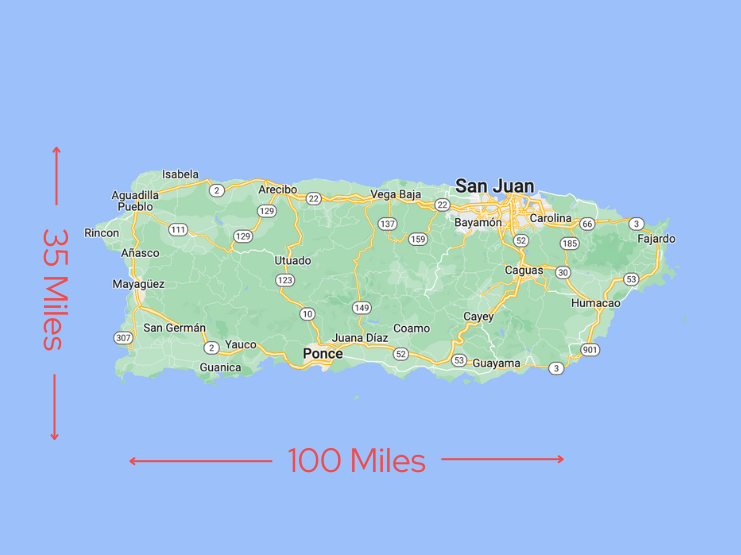
Understanding the Driving Experience in Puerto Rico
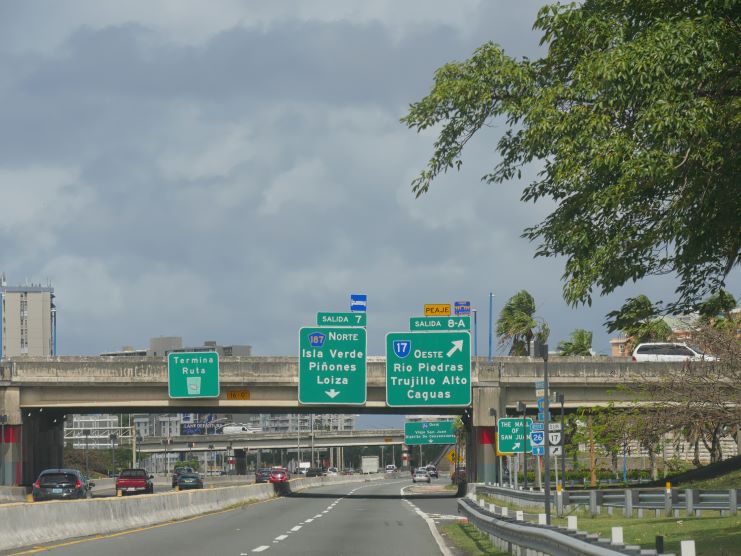
Navigating Puerto Rico by car is generally straightforward, though it presents unique characteristics that differ from mainland driving. The island’s road network is extensive, with major highways, known as autopistas, providing relatively swift connections between key cities. These autopistas are toll roads, and while they streamline travel, it’s wise to have cash or a compatible toll transponder ready.
Beyond the autopistas, you’ll encounter carreteras (state roads) and smaller local routes. These roads are where the true essence of Puerto Rico often reveals itself. They wind through charming villages, past roadside fruit stands, and offer glimpses into daily life. Driving on these roads requires more attention due to varying conditions, potential for livestock, and narrower pathways, but the rewards in terms of authentic experiences are immense.
Factors Influencing Travel Time
Several key factors will directly impact the duration of your drive across Puerto Rico:
- Route Selection: The most significant determinant of travel time. A direct, highway-focused route will be considerably faster than one that meanders through scenic byways and coastal roads.
- Traffic Conditions: Major urban centers like San Juan, Ponce, and Mayagüez can experience significant traffic, especially during peak commuting hours. Even secondary roads can become congested during local festivals or popular events.
- Road Conditions: While main autopistas are well-maintained, secondary roads can sometimes be subject to potholes or less predictable surfaces, particularly after heavy rainfall.
- Stops and Sightseeing: This is perhaps the most enjoyable factor influencing travel time. Puerto Rico is brimming with attractions. Planning to visit historical sites, natural wonders, or simply enjoy a leisurely meal will inevitably extend your journey.
- Time of Day: Driving very early in the morning or later in the evening can significantly reduce travel times by avoiding peak traffic periods.
Typical Driving Distances and Times
To provide a tangible understanding, let’s consider some common cross-island routes. These are approximate times and assume efficient driving with minimal stops.
East to West: San Juan to Mayagüez
This is a common trans-island route, traversing from the capital region on the northeast coast to the western port city.
- Route: Primarily via Autopista 22 (PR-22) heading west towards Bayamón, then connecting to Autopista 52 (PR-52) which eventually merges into Carretera 2 (PR-2) towards Mayagüez.
- Distance: Approximately 80-90 miles (130-145 km).
- Estimated Driving Time (Direct): Around 1.5 to 2 hours without significant traffic or stops.
North to South: San Juan to Ponce
This route takes you from the northern coast down into the southern region, often considered a gateway to the Caribbean Sea.
- Route: The most direct route involves Autopista 52 (PR-52) heading south from San Juan.
- Distance: Approximately 70-80 miles (110-130 km).
- Estimated Driving Time (Direct): Around 1 hour to 1 hour and 15 minutes without significant traffic or stops.
Coast to Coast: Fajardo to Cabo Rojo

This involves a longer stretch, crossing the entire width of the island, often offering more scenic diversity.
- Route: A combination of roads might be used, potentially starting on the east coast near Fajardo via routes like Carretera 3 (PR-3) heading west, then connecting to major autopistas like Autopista 52 (PR-52) and eventually utilizing Carretera 2 (PR-2) to reach the southwestern tip of Cabo Rojo.
- Distance: Approximately 120-140 miles (190-225 km).
- Estimated Driving Time (Direct): Around 3 to 3.5 hours without significant traffic or stops.
It’s crucial to remember these are for direct transit. The true magic of driving across Puerto Rico lies in the journey itself.
Crafting Your Cross-Island Itinerary: Beyond the Clock
The question of “how long” should ideally evolve into “how much can I experience.” A cross-island drive is an opportunity to immerse yourself in Puerto Rico’s rich tapestry of culture, history, and natural beauty. Consider dedicating at least one full day, preferably two or more, to truly appreciate the transit.
Exploring the Northern Coast and Central Mountains
Starting from the northeast, perhaps near San Juan, you have a wealth of options.
- Historic Old San Juan: Before heading out, dedicate ample time to explore the cobblestone streets, historic forts like Castillo San Felipe del Morro, and vibrant plazas of Old San Juan.
- El Yunque National Forest: A detour inland from the northeastern coast brings you to El Yunque National Forest, the only tropical rainforest in the U.S. National Forest System. Allow at least half a day to hike its trails, visit waterfalls like La Coca Falls, and marvel at its biodiversity.
- Caves and Indigenous History: Further west, consider a stop at the Cueva de Camuy (part of the Parque Nacional de las Cavernas del Río Camuy), one of the largest cave systems in the world. Nearby, you can explore sites related to the indigenous Taíno people.
Journeying Through the South and West Coasts
As you move south or west, the landscape shifts, offering new vistas and experiences.
- Ponce’s Cultural Hub: The southern city of Ponce is known as the “Pearl of the South” and boasts a beautiful historic district with striking architecture, including the iconic Parque de Bombas. Museums like the Museo de Arte de Ponce are significant cultural stops.
- Guánica’s Dry Forest: A unique ecosystem, the Bosque Seco de Guánica offers a starkly beautiful contrast to the rainforest. It’s a prime location for birdwatching and appreciating a different facet of Puerto Rico’s biodiversity.
- Southwestern Charm: The southwestern coast is renowned for its stunning beaches and laid-back atmosphere. Cabo Rojo boasts the picturesque Los Morrillos Lighthouse and the vibrant pink salt flats, Salinas de Cabo Rojo. Rincón, further north on the western coast, is a world-renowned surfing destination with a bohemian vibe.
Maximizing Your Road Trip Experience
A successful drive across Puerto Rico is more about mindful exploration than rapid transit. Embrace the island’s rhythm and allow for serendipitous discoveries.
Practical Tips for the Road
- Navigation: While GPS is invaluable, consider purchasing a good paper map as a backup, especially in more remote areas where cell service might be spotty.
- Vehicle Rental: Ensure your rental vehicle is suitable for the types of roads you anticipate driving. An SUV might be beneficial if you plan to explore more rural or mountainous areas.
- Fuel: Gas stations are generally plentiful along major routes. However, if you venture onto smaller roads, it’s wise to refuel when you see a station, rather than waiting until the tank is low.
- Local Cuisine: Don’t miss the opportunity to sample local delicacies. Roadside chinchorros (eateries) offer authentic lechon (roast pork), mofongo, and fresh seafood. These culinary stops are integral to the Puerto Rican experience.
- Language: Spanish is the primary language. While English is widely spoken in tourist areas, knowing a few basic Spanish phrases can enhance your interactions with locals.
- Patience and Flexibility: Traffic can be unpredictable, and road conditions can vary. Approaching your drive with patience and a willingness to adjust your plans will lead to a more enjoyable journey.
The “Real” Time: Embracing the Detours
To truly answer how long it takes to drive across Puerto Rico, we must acknowledge the spirit of exploration. A journey from San Juan to Cabo Rojo, for instance, that incorporates a morning visit to El Yunque National Forest, a leisurely lunch in Ponce, and an afternoon exploring the Cabo Rojo Lighthouse, will easily span 8-10 hours, if not an entire day, and that’s a journey to be savored.
Ultimately, the time it takes to drive across Puerto Rico is entirely within your control. You can traverse the island in a matter of hours, or you can turn it into a multi-day adventure, punctuated by moments of discovery, cultural immersion, and breathtaking scenery. The latter is undoubtedly the more rewarding approach, transforming a simple drive into an unforgettable chapter of your Puerto Rican exploration.
LifeOutOfTheBox is a participant in the Amazon Services LLC Associates Program, an affiliate advertising program designed to provide a means for sites to earn advertising fees by advertising and linking to Amazon.com. Amazon, the Amazon logo, AmazonSupply, and the AmazonSupply logo are trademarks of Amazon.com, Inc. or its affiliates. As an Amazon Associate we earn affiliate commissions from qualifying purchases.