
Driving to Alaska is more than just a road trip; it’s an epic odyssey that traces one of North America’s most iconic routes, the Alaska Highway. For many, it’s a rite of passage, an unparalleled adventure through vast wilderness, majestic mountains, and charming frontier towns. The burning question for any prospective adventurer is, of course, “How long does it truly take?” The answer, while seemingly straightforward, is wonderfully complex, depending on a myriad of factors that transform a simple drive into a deeply personal travel experience.
This journey from the contiguous United States through the heart of Canada to the Last Frontier demands meticulous planning, a spirit of adventure, and a realistic understanding of the time commitment involved. It’s not merely about covering miles; it’s about embracing the solitude, the unexpected encounters, and the sheer scale of the landscapes that unfold before you. From the moment you cross the border into Canada, the pace slows, the horizon widens, and the journey itself becomes the destination. Whether you’re chasing the midnight sun or the aurora borealis, understanding the duration of this drive is the first crucial step in planning an unforgettable Alaskan adventure.
The Epic Journey: Understanding the Variables
Embarking on a drive to Alaska is an ambitious undertaking, and the time it takes is rarely a fixed number. Instead, it’s a dynamic calculation influenced by a variety of factors, each contributing to the unique rhythm of your expedition. From your starting point in the lower 48 United States to the chosen route through Canada, every decision shapes the overall duration of your drive.
Starting Points and Route Options
The point of origin significantly impacts the total mileage and, consequently, the driving time. Travelers typically start from various locations across the United States, but common departure cities include those in the Pacific Northwest like Seattle, Washington, or more central locations like Minneapolis, Minnesota. Someone beginning their journey in Florida will, naturally, add several days to their trip before even reaching the Canadian border, let alone the start of the Alaska Highway.
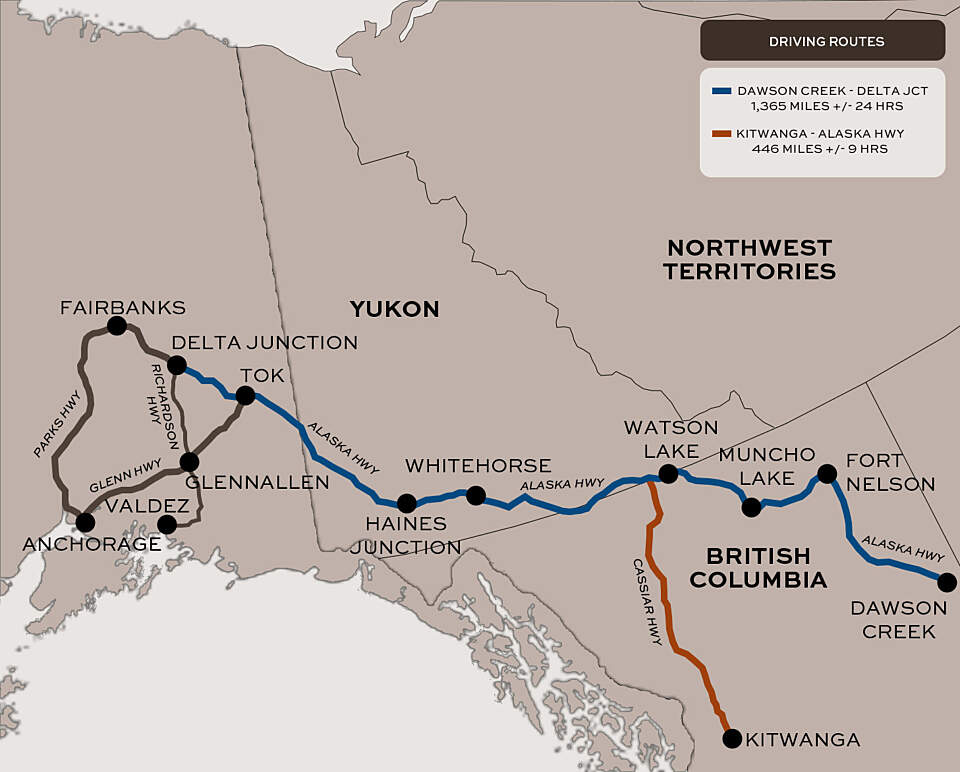
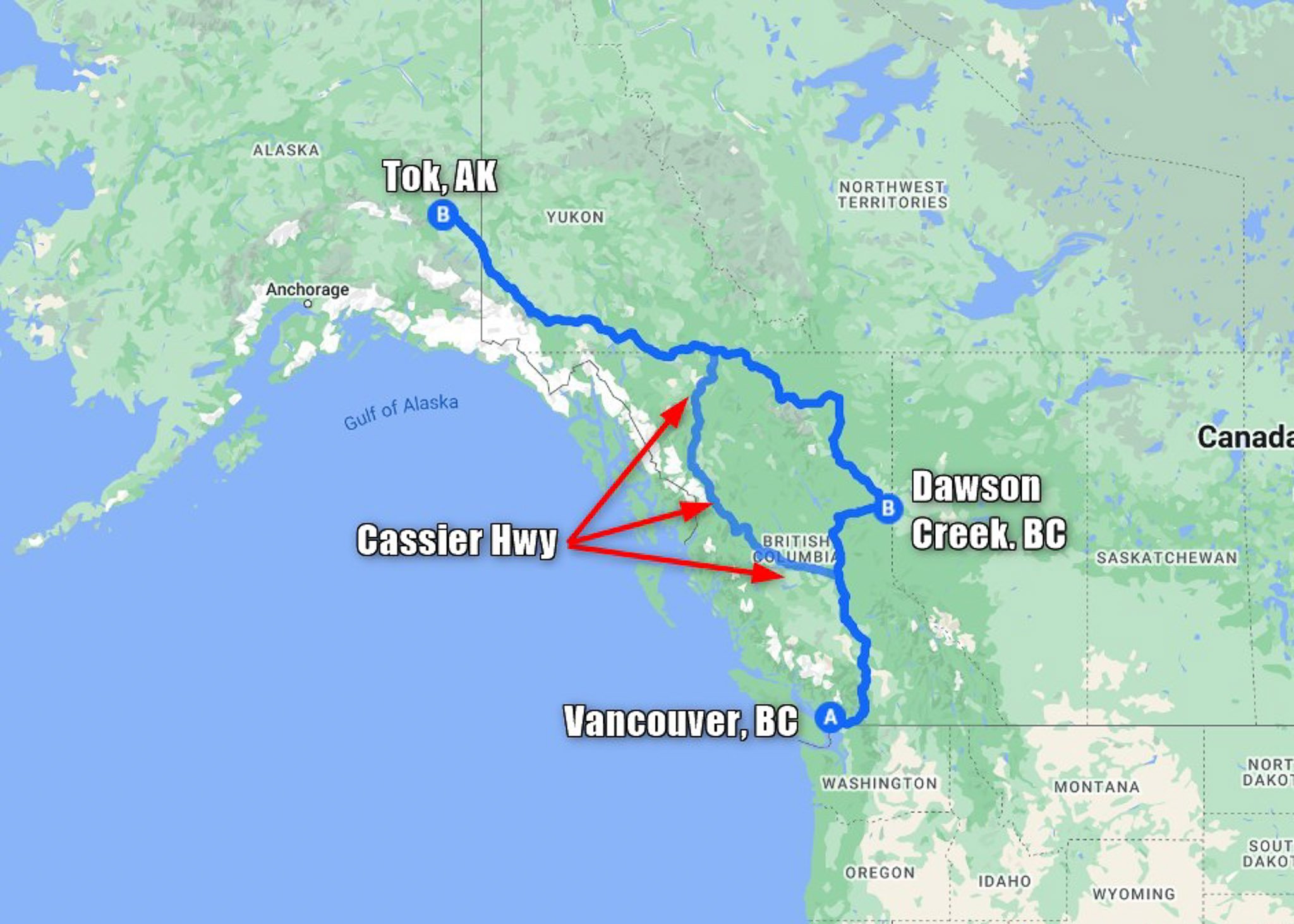
Once across the border, the most common and revered route is the Alaska Highway (also known as the Alcan Highway). This historic roadway, stretching approximately 1,387 miles (2,232 km) from Dawson Creek, British Columbia, to Delta Junction, Alaska, serves as the backbone of the drive. While there are alternative routes or scenic detours, such as those passing through the Yukon or even down to Prince Rupert for a ferry ride, the Alaska Highway is the quintessential overland path. The choice of route within Canada can add or subtract hundreds of miles and dictate the type of scenery and services encountered. For example, some might opt to weave through the Canadian Rockies before heading north, adding picturesque but time-consuming detours.
Key Factors Influencing Drive Time
Beyond the sheer mileage, several critical factors directly influence the actual time spent on the road and the overall duration of the trip:
- Average Driving Speed: While speed limits on the Alaska Highway are generally reasonable, road conditions, especially outside of peak summer months, can necessitate slower speeds. Gravel sections, wildlife crossings, and construction zones are common.
- Number and Duration of Stops: This is perhaps the most significant variable. Do you plan to drive 12 hours straight, or do you prefer a leisurely pace with numerous stops for sightseeing, photography, and exploring small towns? Rest breaks, fuel stops, and meal breaks are essential, but their frequency and length dramatically alter the daily mileage covered.
- Border Crossings: Crossing the US-Canada border and then the Canada-Alaska border typically involves some wait time. While usually quick, these can sometimes be prolonged depending on traffic and customs procedures. Ensuring all documentation (passports, vehicle registration, proof of insurance) is readily available can expedite the process.
- Seasonal Conditions: Driving in summer offers longer daylight hours and generally better road conditions. Spring and fall present cooler temperatures and fewer crowds but can bring unpredictable weather, including early snow or heavy rain, impacting driving speeds and visibility. Winter driving is reserved for the most experienced and prepared, dramatically increasing drive times due to adverse conditions.
Typical Driving Times and Mileage Breakdown
To provide a concrete understanding, let’s break down some common scenarios for driving to Alaska, keeping in mind that these are estimates for active driving days, not including extensive sightseeing layovers.
From Major US Cities
Most travelers from the lower 48 United States will dedicate approximately 2-5 days just to reach Dawson Creek, British Columbia, the official start of the Alaska Highway.
- From Seattle, Washington to Anchorage, Alaska: This route typically spans around 2,200-2,500 miles (3,540-4,023 km). Assuming an average of 8-10 hours of driving per day (around 400-500 miles), this journey would take roughly 5-7 days of dedicated driving. This includes the roughly 700 miles to Dawson Creek and then the full length of the Alaska Highway to Anchorage.
- From the Midwest (Minneapolis, Minnesota) to Anchorage: The distance increases significantly, often reaching 3,500-4,000 miles (5,630-6,437 km). This would extend the driving time to approximately 8-10 days of continuous travel, factoring in the longer drive to the Canadian border and subsequently to Dawson Creek.
- From the East Coast or Southeast (New York or Florida) to Anchorage: Such journeys can easily exceed 5,000 miles (8,046 km) and would require 10-14+ days of driving, potentially involving different routes to reach western Canada before embarking on the Alaska Highway.
These estimates are for travelers focused on reaching their destination efficiently. They do not account for extended stops for hiking, wildlife viewing, or spending multiple nights in one location.
Crossing the Canadian Wilderness
The heart of the drive to Alaska lies in traversing British Columbia and the Yukon via the Alaska Highway.
- Dawson Creek to Whitehorse, Yukon: This segment is approximately 918 miles (1,477 km) and typically takes 2-3 days of active driving. Key stops include Fort Nelson, Liard River Hot Springs, and Watson Lake with its famous Sign Post Forest.
- Whitehorse to Delta Junction, Alaska: The final stretch of the official Alaska Highway is about 500 miles (805 km), requiring another 1-2 days. This segment offers stunning views of the Saint Elias Mountains and the gateway into Alaska.
- From Delta Junction to Fairbanks or Anchorage: Once in Alaska, Fairbanks is a relatively short drive (about 90 miles / 145 km) from Delta Junction, taking an additional 2 hours. Reaching Anchorage requires traveling the Glenn Highway and is an additional 260 miles (418 km) from Delta Junction, adding another 5-6 hours of driving.
Daily Driving Limits and Realistic Expectations
A sustainable daily driving limit for most travelers is between 8 to 10 hours, covering 400 to 500 miles (640-800 km). Pushing beyond this often leads to fatigue, diminishes the enjoyment of the scenery, and increases the risk of accidents. It’s important to factor in time zone changes as you head north and west, as these can subtly impact your internal clock and energy levels. Moreover, the vastness of the Canadian and Alaskan wilderness means services like fuel, food, and lodging can be spaced far apart. Planning for these stretches is crucial to avoid running low on essentials and to ensure a comfortable pace. A realistic and enjoyable trip will often include a few half-days or full rest days scattered throughout the journey, allowing for exploration and recuperation.
Essential Preparation for the Alaskan Road Trip
The success and enjoyment of your drive to Alaska hinge significantly on thorough preparation. This isn’t a casual Sunday drive; it’s an expedition that demands attention to detail, especially concerning your vehicle, documentation, and provisions.
Vehicle Maintenance and Checks
Your vehicle is your most critical asset on this journey. Before departing, a comprehensive inspection by a trusted mechanic is non-negotiable. Focus on:
- Tires: Ensure they are in excellent condition, including your spare. Consider all-terrain tires if venturing onto unpaved roads. Know how to change a tire.
- Fluids: Check oil, transmission fluid, brake fluid, coolant, and windshield wiper fluid levels. Pack extra for top-offs.
- Brakes: Have them inspected for wear and tear.
- Belts and Hoses: Look for cracks or signs of wear.
- Battery: Test its charge and condition.
- Lights: Verify all headlights, taillights, turn signals, and brake lights are functioning.
- Emergency Kit: Assemble a robust kit including jumper cables, a first-aid kit, emergency flares or a reflective triangle, a flashlight with extra batteries, a basic tool kit, duct tape, and a tire repair kit/inflator.
- Vehicle Documents: Ensure your vehicle registration and proof of insurance are up-to-date and easily accessible.
Documentation and Border Crossing Requirements
Smooth border crossings are vital. Ensure all occupants have valid passports. If you are not a US or Canadian citizen, check specific visa requirements for both countries.
- Passports: Absolutely essential for everyone in the vehicle.
- Vehicle Ownership/Registration: Carry your vehicle’s registration. If driving a rental, ensure you have a letter from the rental company authorizing you to drive it into Canada and Alaska.
- Proof of Insurance: Canada requires proof of insurance. Contact your insurance provider for a Canadian Non-Resident Inter-Province Motor Vehicle Liability Insurance Card (often called a “yellow card”), or at least confirm your coverage extends to Canada.
- Customs Declarations: Be prepared to declare any goods, especially firearms, alcohol, and tobacco. Be aware of restrictions on certain food items and plants when crossing borders.
- Pets: If traveling with pets, carry their vaccination records, especially rabies certificates, and be aware of any specific requirements for entry into Canada and Alaska.
Supplies and Provisions
Given the long stretches between services, self-sufficiency is key.
- Fuel: Plan your fuel stops. Some towns have limited or expensive fuel. Consider carrying a jerry can with extra fuel, especially if you plan detours off the main highway.
- Food and Water: Pack non-perishable snacks, drinks, and enough water for several days. A cooler with ice can keep perishables fresh.
- Navigation: While GPS is helpful, physical maps (like The Milepost guide) are invaluable for areas without cell service. Download offline maps for your entire route.
- Communication: A satellite phone or a two-way satellite messenger can be a lifesaver in remote areas where cell service is non-existent.
- Comfort Items: Pillows, blankets, travel games, and entertainment can make long driving days more enjoyable.
Navigating the Alaska Highway Experience
The Alaska Highway itself is a character in your travel story, a testament to human ingenuity and resilience. Understanding its nuances will enhance your journey.
Fuel Stops and Accommodation Along the Way
The Alaska Highway is not a deserted wilderness road. Towns and settlements, though sometimes small and far between, dot the route, offering essential services.
- Fuel: Service stations are available, but spacing can vary. In some stretches, fuel stops might be 100-200 miles apart. Always fill up your tank when you have the opportunity, even if it’s only half-empty. Prices tend to be higher in remote areas.
- Accommodation: Motels, lodges, and campgrounds are found in most towns along the Alaska Highway. During peak summer months (July and August), reservations are highly recommended, especially in popular spots like Fort Nelson, Watson Lake, and Whitehorse. Alternatively, many travelers opt for camping or RV travel, which offers greater flexibility.
Road Conditions and Seasonal Considerations
The reputation of the Alaska Highway for rough conditions is largely historical. Today, it is mostly paved and well-maintained, particularly during the summer.
- Pavement: While most of the highway is paved, you will encounter gravel sections, frost heaves (bumps from thawing permafrost), and construction zones, especially in British Columbia and the Yukon. Drive cautiously and adjust your speed.
- Summer (June-August): This is the most popular time to drive, offering the longest daylight hours, warmest temperatures, and generally the best road conditions. Services are fully operational, and wildlife is abundant.
- Shoulder Seasons (May/September): These months offer fewer crowds and stunning fall colors or spring blossoms. However, weather can be more unpredictable, with possibilities of early snow or late thaws. Some services may operate on reduced hours or be closed.
- Winter (October-April): This period is for experienced winter drivers only. Extreme cold, heavy snow, limited daylight, and reduced services make it a challenging and potentially hazardous drive.
Wildlife Encounters and Safety Tips
The vast wilderness means wildlife sightings are almost guaranteed and require vigilance.
- Wildlife: Moose, caribou, bears, elk, and various birds are common. Drive defensively, especially at dawn, dusk, and night when animals are most active. A collision with a large animal can be catastrophic.
- Stopping for Wildlife: If you stop to observe wildlife, do so safely off the road and be mindful of other traffic. Never approach wild animals, especially bears or moose.
- Vehicle Safety: Always lock your vehicle when leaving it unattended, particularly in towns. Be cautious of leaving valuables visible.
Making the Most of Your Drive: Beyond Just Time
While the initial question focuses on “how long,” the true essence of driving to Alaska lies in the journey itself. It’s an opportunity to connect with nature, history, and the vast expanse of the North American continent.
Scenic Stops and Points of Interest
The Alaska Highway is dotted with attractions that warrant exploration, transforming your drive from a transit route into a sightseeing tour.
- Banff National Park & Jasper National Park: If your route takes you through Alberta, these Canadian Rockies gems are absolute must-sees. Their turquoise lakes (like Lake Louise), towering peaks, and abundant wildlife are world-renowned.
- Liard River Hot Springs: A natural oasis in British Columbia, these roadside hot springs are a perfect place to relax and rejuvenate weary muscles.
- Sign Post Forest in Watson Lake, Yukon: A unique and quirky attraction where travelers from around the world leave signs from their hometowns.
- Kluane National Park and Reserve: In the Yukon, this park offers breathtaking views of Canada’s highest mountains and largest icefields. Stop at scenic pullouts and visitor centers.
- Milepost Markers: The original milepost markers along the Alaska Highway denote historical significance and indicate distances to various points of interest.
- Museums and Cultural Centers: Many small towns along the route, such as Dawson Creek, Fort Nelson, and Whitehorse, have museums that chronicle the construction of the highway and the history of the region.
Embracing the Adventure and Flexibility
The best drives to Alaska are those undertaken with a flexible mindset. While planning is crucial, being open to spontaneous detours, unexpected discoveries, and unforeseen delays is part of the adventure. Embrace the solitude of the long stretches, the awe of the vast landscapes, and the warmth of the small communities you’ll encounter. This journey fosters a sense of self-reliance and connection with nature that is increasingly rare in our fast-paced world. Pack your sense of humor, your patience, and your desire for exploration, and you’ll find that the rewards far outweigh any minor inconveniences.
Reaching Your Alaskan Destination
Finally, after days of continuous driving, the moment of crossing into Alaska is a profound one. Whether your ultimate destination is Fairbanks, Anchorage, or a smaller community, the feeling of accomplishment is immense. You’ve traversed continents, overcome challenges, and witnessed some of the most spectacular scenery on Earth. The time it took will fade into a memory, replaced by the vivid tapestry of experiences that only an overland journey to Alaska can provide. The drive itself is an integral part of your Alaskan story, a prelude to the wonders that await in the Last Frontier.
LifeOutOfTheBox is a participant in the Amazon Services LLC Associates Program, an affiliate advertising program designed to provide a means for sites to earn advertising fees by advertising and linking to Amazon.com. Amazon, the Amazon logo, AmazonSupply, and the AmazonSupply logo are trademarks of Amazon.com, Inc. or its affiliates. As an Amazon Associate we earn affiliate commissions from qualifying purchases.