
Embarking on a road trip to Chicago is a quintessential American adventure, offering a unique perspective on the vastness and diversity of the United States. The answer to “How long does it take to drive to [Chicago]?” is far from a simple number. It’s a question that opens up a world of planning, logistics, and the potential for unforgettable experiences along the way. The duration of your drive is intrinsically tied to your starting point, the chosen route, the time of year, and crucially, the pace at which you wish to travel. Whether you’re seeking the most direct path or planning a leisurely exploration of scenic byways, understanding these factors is key to a successful and enjoyable journey to the Windy City.
Factors Influencing Drive Time to Chicago
The most significant determinant of your drive time to Chicago is, of course, your origin city. From a neighboring state like Wisconsin or Indiana, a trip to Chicago can be a matter of a few hours. However, venturing from the West Coast or the Southeast transforms the journey into a multi-day expedition.
Distance and Speed Limits
The sheer mileage between your starting point and Chicago is the foundational element of your travel time. Most cross-country drives will cover well over a thousand miles, and often closer to two or three thousand, or even more. This distance is then factored against average driving speeds, which are influenced by the legal speed limits on various highways and interstates. While many interstates in the United States allow speeds of 70-75 mph in rural areas, urban centers and construction zones necessitate slower travel. For planning purposes, it’s often prudent to estimate an average speed of 55-65 mph when accounting for the totality of a long-distance drive, as this incorporates necessary slowdowns.
Route Selection
The specific highways and byways you choose can significantly alter your drive time. The most direct routes typically utilize major interstate highways, designed for efficient, high-speed travel. For instance, driving from Denver, Colorado to Chicago might predominantly follow I-80 East, a well-maintained and largely direct path. Alternatively, a more scenic route might involve smaller state highways or even national scenic byways, which, while offering picturesque views and unique local experiences, will invariably add substantial time to your journey. These less direct routes often involve lower speed limits, more frequent stops in small towns, and potentially less direct terrain.
Traffic Conditions
Traffic is an unpredictable yet omnipresent factor in any road trip, especially when approaching a major metropolitan area like Chicago. Major interstates leading into the city, such as I-90, I-94, and I-55, can experience significant congestion during peak commuting hours, holidays, and even on weekends. A journey that might take 8 hours under ideal conditions could easily stretch to 10 or 12 hours if you encounter substantial traffic delays, particularly as you near the city limits. Utilizing real-time traffic applications and planning your arrival outside of rush hour can mitigate these delays.
Time of Year and Weather
The season in which you travel plays a crucial role in both safety and travel time. Winter driving in the northern United States can be treacherous, with snow, ice, and reduced visibility potentially causing significant delays or even road closures. Driving to Chicago in January requires a different level of preparation and a more conservative time estimate than a summer drive in July. Spring and fall generally offer more stable driving conditions, though severe thunderstorms can occur in these seasons as well. Summer, while often pleasant, brings with it increased tourist traffic on popular routes and a higher likelihood of road construction projects.
Driver Fatigue and Stops
Long-distance driving is inherently demanding, and driver fatigue is a significant safety concern. It is essential to factor in regular stops for rest, meals, and stretching. Most safety guidelines recommend taking a break every two to three hours. For a multi-day drive, overnight stays are not just a necessity but also an opportunity to rest and recharge. The number and duration of these stops will add to the overall time spent on the road, turning a theoretical 10-hour drive into a more realistic 12-14 hour travel day, or a multi-day journey into an extended exploration.
Estimating Drive Times from Major Regions
To provide a more concrete understanding, let’s explore estimated drive times from various points across the United States to Chicago, assuming efficient travel on major interstates with minimal delays. These are approximate figures and can vary considerably.
Northeast Corridor
Cities like New York City or Boston are a significant drive away.
- New York City, NY to Chicago, IL: Approximately 790 miles. This typically takes around 12-14 hours of pure driving time, making it a two-day trip when factoring in overnight rest.
- Boston, MA to Chicago, IL: Approximately 960 miles. This journey usually requires 14-16 hours of driving, also best split over two days.
- Philadelphia, PA to Chicago, IL: Approximately 710 miles. This drive can be completed in about 11-13 hours, potentially achievable in a very long single day for a determined driver, but a two-day journey is far more comfortable and safer.
Southeast and Mid-Atlantic
Journeys from the southern and mid-Atlantic states are longer and require more dedicated planning.
- Atlanta, GA to Chicago, IL: Approximately 750 miles. This is a 11-13 hour drive, often best as a two-day trip.
- Charlotte, NC to Chicago, IL: Approximately 700 miles. A solid 10-12 hour drive, again, best managed over two days.
- Washington D.C. to Chicago, IL: Approximately 700 miles. Similar to Charlotte, this is a 10-12 hour drive, making a two-day travel plan advisable.
Midwest Hubs
For those within the Midwest, Chicago is often a more accessible destination.
- Detroit, MI to Chicago, IL: Approximately 285 miles. This is a manageable 4-5 hour drive.
- Indianapolis, IN to Chicago, IL: Approximately 180 miles. A relatively short 3-hour drive.
- St. Louis, MO to Chicago, IL: Approximately 300 miles. This drive takes around 4.5-5.5 hours.
- Minneapolis, MN to Chicago, IL: Approximately 430 miles. Expect a 6-7 hour drive.
- Kansas City, MO to Chicago, IL: Approximately 500 miles. This journey typically takes 7-8 hours.
- Cleveland, OH to Chicago, IL: Approximately 350 miles. A drive of 5-6 hours.
Southern Plains and Rockies

These regions present longer drives that necessitate careful planning for multiple days of travel.
- Denver, CO to Chicago, IL: Approximately 1,000 miles. This is a substantial 14-16 hour drive, requiring at least two full days of travel.
- Dallas, TX to Chicago, IL: Approximately 1,000 miles. Similar to Denver, this is a 15-17 hour drive, best spread over two days.
- Omaha, NE to Chicago, IL: Approximately 480 miles. This drive takes around 7-8 hours.
Western United States
Driving from the western states is a significant undertaking, often requiring a week or more of travel.
- Salt Lake City, UT to Chicago, IL: Approximately 1,150 miles. This is a minimum 17-19 hour drive, comfortably done over three days.
- Phoenix, AZ to Chicago, IL: Approximately 1,700 miles. This journey is at least 25-28 hours of driving time, realistically requiring three to four days of travel with overnight stops.
- Los Angeles, CA to Chicago, IL: Approximately 2,000 miles. This is a cross-country epic, typically taking 30-35 hours of driving spread over four to five days.
- Seattle, WA to Chicago, IL: Approximately 2,100 miles. A journey of similar magnitude to Los Angeles, requiring at least four to five days of dedicated travel time.
Planning Your Drive to Chicago
A successful road trip to Chicago hinges on meticulous planning. Beyond simply estimating drive time, consider the practicalities that will make your journey smoother and more enjoyable.
Vehicle Preparation
Before setting off, ensure your vehicle is in optimal condition. A thorough inspection including tires, brakes, fluids, and battery is crucial, especially for long distances. Consider a pre-trip service appointment if you’re due. Pack an emergency kit with essentials like jumper cables, a first-aid kit, water, and non-perishable snacks.
Navigation and Technology
Reliable navigation is paramount. Utilize GPS devices or smartphone apps like Google Maps or Waze, which offer real-time traffic updates and route optimization. Download offline maps in case you encounter areas with limited cell service. Consider a portable power bank to keep your devices charged.
Accommodation and Rest Stops
For multi-day drives, book accommodations in advance, especially during peak travel seasons. Researching potential overnight stops along your route can save time and ensure you have a comfortable place to rest. Look for hotels or motels conveniently located near major highways. Planning for regular rest stops, even on shorter drives, is vital for maintaining alertness.
Budgeting for the Trip
Beyond the cost of fuel, factor in expenses for food, lodging, tolls, and potential vehicle maintenance. Having a contingency fund for unexpected issues is always wise. Research toll roads along your planned route and consider purchasing an electronic toll pass for convenience.
Packing Essentials
Pack for a range of weather conditions, as Illinois weather can be unpredictable. Comfortable clothing, walking shoes, and layers are recommended. Don’t forget essentials like sunglasses, sunscreen, a camera, and any personal medications. Entertainment for the road, such as audiobooks, podcasts, or music playlists, can make the miles fly by.
Beyond the Drive: Experiencing Chicago
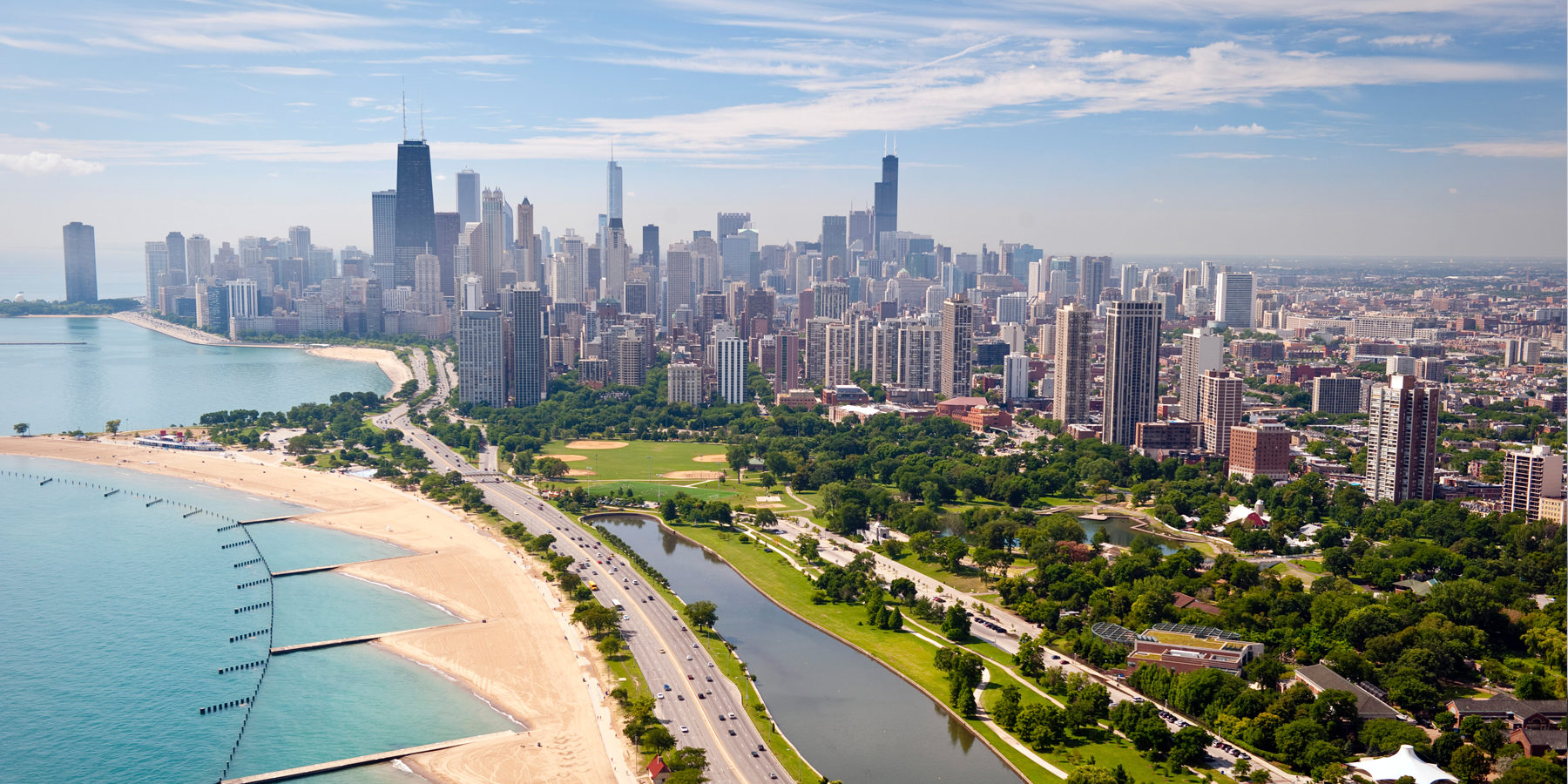
Once you’ve navigated the roads and arrived in Chicago, a world of urban exploration awaits. The city is a vibrant tapestry of culture, history, and culinary delights. From the iconic architecture of the Loop to the serene beauty of Lincoln Park and the world-class museums like the Art Institute of Chicago, there is something to captivate every visitor.
Architectural Marvels and River Cruises
Chicago is renowned for its groundbreaking architecture. A river cruise is an unparalleled way to appreciate the city’s skyline, with guides detailing the history and design of landmarks such as the Tribune Tower and the Wrigley Building. Don’t miss the chance to visit the observation decks of the Willis Tower (formerly Sears Tower) or the 875 North Michigan Avenue (formerly John Hancock Center) for breathtaking panoramic views.
Culinary Delights
Chicago is a food lover’s paradise. Indulge in a classic deep-dish pizza from legendary establishments like Lou Malnati’s or Giordano’s. Explore the diverse ethnic neighborhoods for authentic international cuisine, from vibrant Pilsen for Mexican fare to the heart of Chinatown for dim sum. The city’s burgeoning fine-dining scene also offers Michelin-starred experiences.

Cultural Immersion and Entertainment
Beyond its visual splendor and culinary prowess, Chicago offers a rich cultural landscape. Catch a show in the renowned theater district, experience the blues at a legendary club like Buddy Guy’s Legends, or enjoy a performance by the Chicago Symphony Orchestra. The city’s numerous parks, including the expansive Grant Park, offer green spaces for relaxation and recreation, often hosting festivals and events throughout the year.
The journey to Chicago is as much a part of the adventure as the destination itself. By understanding the variables that influence drive time and planning accordingly, you can transform a potentially daunting drive into a rewarding exploration, arriving in the Windy City refreshed and ready to experience all it has to offer.
LifeOutOfTheBox is a participant in the Amazon Services LLC Associates Program, an affiliate advertising program designed to provide a means for sites to earn advertising fees by advertising and linking to Amazon.com. Amazon, the Amazon logo, AmazonSupply, and the AmazonSupply logo are trademarks of Amazon.com, Inc. or its affiliates. As an Amazon Associate we earn affiliate commissions from qualifying purchases.