
Planning a road trip to the vast state of Texas requires careful consideration of your starting point, desired destinations within the state, and the various factors that can influence your travel time. This guide aims to provide a comprehensive overview, breaking down the driving durations from major North American cities and offering insights into optimizing your journey.
Understanding the Driving Distances to Texas
Texas is the second-largest state in the United States by both area and population, spanning an impressive 268,596 square miles. This sheer size means that “driving to Texas” can encompass a significant range of travel times. The duration is heavily dependent on where you are beginning your journey and which of its major cities or regions you intend to reach.

From the East Coast
For those embarking on a road trip from the East Coast of the United States, the drive to Texas is a substantial undertaking, often requiring multiple days.
- New York City, New York: Driving from New York City to a central Texas location like Dallas is approximately 1,550 miles. This journey typically takes around 23-25 hours of pure driving time. Most travelers break this down into at least two, often three, days of travel, factoring in overnight stops. Popular routes often involve I-81 South and then connecting to I-40 West or I-30 West, passing through states like Pennsylvania, Virginia, Tennessee, Arkansas, and finally into Texas.
- Miami, Florida: Travelers starting in Miami will face a slightly shorter, yet still considerable, drive. The distance to Houston is around 1,150 miles, equating to roughly 17-19 hours of driving. This is often manageable as a two-day trip, with an overnight stop in a city like New Orleans, Louisiana. The primary route would typically involve I-10 West, traversing the Gulf Coast states.
- Atlanta, Georgia: From Atlanta, the drive to Dallas is approximately 800 miles, taking about 11-13 hours of driving. This is a feasible one-day drive for those who prefer to cover long distances quickly, though an overnight stop in Shreveport, Louisiana, can make it a more relaxed two-day journey. The route commonly uses I-20 West.
From the West Coast
The drive from the West Coast to Texas involves crossing multiple states and vast desert landscapes.
- Los Angeles, California: The journey from Los Angeles to El Paso is roughly 750 miles, taking about 11-12 hours of driving. This makes it a convenient two-day drive, especially since El Paso is the first major gateway into Texas from the west. The standard route is I-10 East, passing through Arizona and into the west of Texas. To reach further inland cities like San Antonio or Austin, you would add an additional 5-6 hours of driving.
- Seattle, Washington: A drive from Seattle to Dallas represents one of the longest potential road trips to Texas. This route covers approximately 2,300 miles and can take 34-36 hours of dedicated driving. This is undeniably a multi-day adventure, typically spanning 4-5 days, allowing for stops in cities like Boise, Idaho, Denver, Colorado, and Oklahoma City, Oklahoma. Common routes might utilize I-90 East, then I-25 South, and finally I-40 East to I-35 South.
From the Midwest
The Midwest offers a more central starting point for many travelers heading to Texas.
- Chicago, Illinois: Driving from Chicago to Dallas is about 950 miles, requiring approximately 14-16 hours of driving. This is comfortably a two-day drive, with an overnight stop often made in St. Louis, Missouri. The route typically involves I-55 South to I-44 West, then transitioning to I-35 South.
- Denver, Colorado: For those in the Rocky Mountain region, Denver to Amarillo is approximately 400 miles, taking about 6-7 hours. This makes it a manageable one-day drive into the northern panhandle of Texas. The direct route is I-25 South to US-87 South. To reach further into Texas, such as Austin, you would add approximately 7-8 more hours of driving.
From Canada
Travelers from our northern neighbor, Canada, will find their drive times comparable to those starting in the northern United States, depending on their departure city.
- Calgary, Alberta: Driving from Calgary to Dallas is a significant journey of around 1,800 miles, taking approximately 27-30 hours of driving. This necessitates at least a three-day trip, with potential overnight stops in cities like Billings, Montana, and Oklahoma City, Oklahoma. The route would likely involve US highways south into Montana, then connecting to I-90 East and I-25 South, eventually merging with routes heading into Texas.
- Toronto, Ontario: From Toronto, the drive to Houston is approximately 1,500 miles and takes about 22-24 hours of driving. This is typically a two-to-three-day trip, with common overnight stops in cities like Detroit, Michigan, and Little Rock, Arkansas. The route often utilizes I-94 West, then I-70 West and I-44 West, finally transitioning to I-30 West into Texas.
Key Factors Influencing Your Drive Time
Beyond the sheer mileage, several variables can significantly impact how long your drive to Texas actually takes.
Road Conditions and Traffic
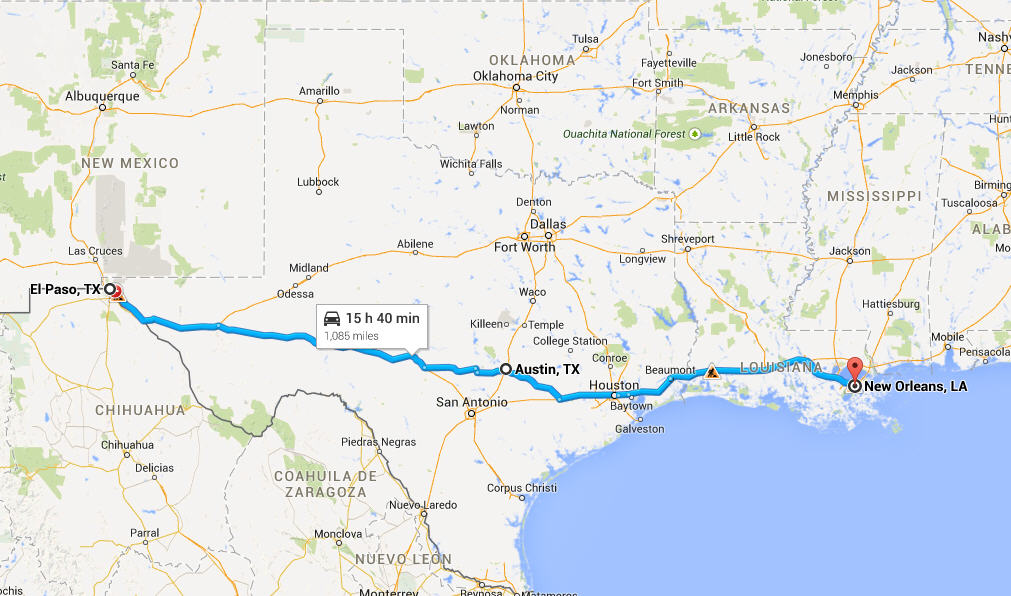
- Major Interstates: Driving on major interstates like I-10, I-20, I-35, I-40, and I-45 will generally offer the most direct and fastest routes. These highways are well-maintained and designed for higher speeds.
- Construction and Detours: Road construction is a perennial factor, especially during warmer months. Always check for real-time traffic updates and potential construction zones before and during your trip. Unexpected detours can add considerable time.
- Urban Congestion: Major metropolitan areas in Texas such as Houston, Dallas, San Antonio, and Austin can experience significant traffic congestion, particularly during rush hours. Entering or passing through these cities can add substantial time to your journey if not planned strategically.
Weather
Weather can be a critical, and sometimes dangerous, factor in road trip durations.
- Seasonal Variations: Texas experiences diverse weather patterns. Summers are extremely hot, which can lead to increased risk of vehicle breakdowns and reduced driving comfort. The fall and spring offer more pleasant driving conditions. Winters can bring ice and snow, particularly in the northern parts of the state, which can cause widespread travel delays and road closures.
- Severe Weather Events: Tornadoes are a significant concern in the spring and early summer in parts of Texas. Hurricanes can impact coastal regions during the late summer and fall. Flash floods are also common in many areas after heavy rainfall. It is imperative to monitor weather forecasts and have alternative plans if severe weather is predicted.
Speed Limits and Driving Habits
- Speed Limits: Texas generally has higher speed limits on its interstates, often up to 75 mph (120 km/h) and in some rural areas, even higher. However, adhering to posted speed limits is crucial for safety and to avoid costly tickets.
- Driver Fatigue: Long-distance driving can lead to fatigue, which significantly impairs reaction time and decision-making. It is vital to take frequent breaks, switch drivers if possible, and never push yourself beyond your limits. Planning for adequate rest stops and overnight stays is paramount.
Stops and Breaks
The “driving time” often quoted by GPS devices is pure, uninterrupted driving. Your actual travel time will be longer due to necessary stops.
- Fueling Up: Even with a full tank, you’ll need to stop for gas multiple times on a long journey.
- Restroom Breaks: Regular stops are essential for comfort and to avoid discomfort.
- Meals: You’ll need to stop for breakfast, lunch, and dinner. While fast food is an option, enjoying local cuisine can be part of the travel experience.
- Overnight Stays: For drives exceeding 10-12 hours, planning overnight accommodation is non-negotiable for safety and well-being.
Planning Your Route and Making the Most of Your Drive
A well-planned road trip to Texas can be an enjoyable experience, offering glimpses into diverse American landscapes and cultures.
Choosing Your Destination within Texas
Texas is not a monolithic destination. Deciding where you want to go within the state will directly influence your drive time.
- Major Cities:
- Houston: A sprawling metropolis known for its energy industry, museums, and diverse culinary scene.
- Dallas: Famous for its arts district, historical sites like the Sixth Floor Museum at Dealey Plaza, and vibrant business environment.
- San Antonio: Home to iconic landmarks such as the Alamo and the scenic Riverwalk.
- Austin: The state capital, renowned for its live music scene, progressive culture, and outdoor recreational opportunities.
- Fort Worth: Known for its Western heritage, including the Stockyards National Historic District.
- El Paso: Situated on the border with Mexico, offering a unique blend of cultures and stunning desert landscapes.
- Regional Travel: Are you heading to the piney woods of East Texas, the Hill Country, the West Texas desert, or the Gulf Coast? Each region has its own character and can be a significant drive from other parts of the state.
Utilizing Navigation Tools
Modern navigation apps and devices are invaluable for road trips.
- Real-Time Traffic: Apps like Google Maps, Waze, and Apple Maps provide real-time traffic updates, suggest alternative routes to avoid congestion, and estimate arrival times with remarkable accuracy, considering current conditions.
- Route Planning: Use these tools to map out your entire journey, including potential overnight stops. Many allow you to add multiple waypoints.
- Offline Maps: Download offline maps of the areas you’ll be traveling through, especially for remote regions of Texas where cell service can be spotty.

Optimizing Your Drive
- Travel During Off-Peak Hours: If your schedule allows, consider driving through major cities during off-peak hours to avoid rush hour traffic. Early mornings or late evenings can be significantly less congested.
- Break Down the Journey: For long drives, breaking the trip into manageable daily segments of 6-10 hours of driving is highly recommended. This allows for ample rest and exploration along the way.
- Book Accommodations in Advance: Especially during peak travel seasons or holidays, booking hotels or other lodging in your chosen overnight stops well in advance is wise.
- Pack Essentials: Ensure your vehicle is in good condition before you leave. Pack an emergency kit, including water, snacks, a first-aid kit, jumper cables, and a spare tire.
The question of “How Long Does It Take To Drive To Texas?” is best answered by understanding your starting point, your specific destination within the Lone Star State, and by meticulously planning for the realities of long-distance travel. With careful preparation, your drive to Texas can be a rewarding prelude to the unique experiences that await you in this vast and diverse state.
LifeOutOfTheBox is a participant in the Amazon Services LLC Associates Program, an affiliate advertising program designed to provide a means for sites to earn advertising fees by advertising and linking to Amazon.com. Amazon, the Amazon logo, AmazonSupply, and the AmazonSupply logo are trademarks of Amazon.com, Inc. or its affiliates. As an Amazon Associate we earn affiliate commissions from qualifying purchases.