
Flying to California, the Golden State, is a journey many travelers embark on for its diverse landscapes, vibrant cities, and iconic attractions. From the bustling beaches of Los Angeles to the rolling vineyards of Napa Valley and the tech hubs of Silicon Valley, California offers an unparalleled travel experience. However, a common and critical question for anyone planning such a trip is: “How long does it actually take to fly there?” The answer is far from simple, as it depends on a multitude of factors, ranging from your departure city and specific destination within California to whether you opt for a direct flight or one with layovers.
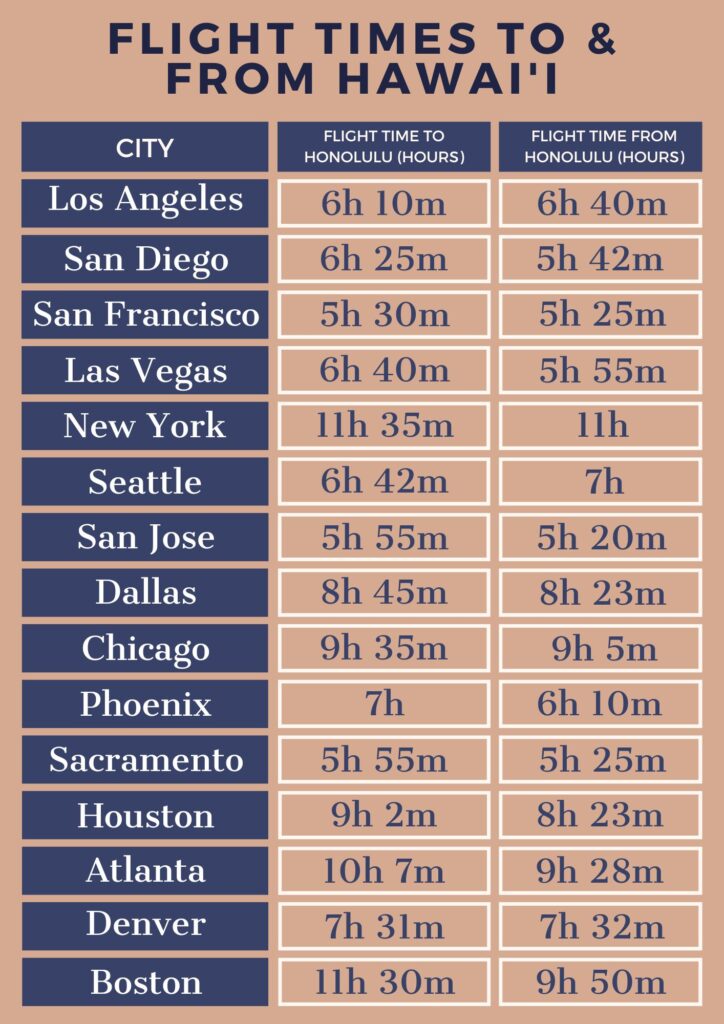
This comprehensive guide aims to demystify the complexities of flight durations to California. We will explore the variables that influence travel time, provide estimated durations from various global regions, and offer insights into optimizing your journey. Understanding these elements is crucial not just for booking the most efficient flights but also for managing expectations and planning your overall itinerary effectively, ensuring your adventure in the Golden State begins as smoothly as possible. Whether you’re flying in for a quick business trip to San Francisco, a family vacation to Disneyland in Anaheim, or an exploratory road trip along the Pacific Coast Highway, knowing what to expect in terms of flight duration is your first step towards a well-planned trip.
Understanding Flight Duration Variables
The perceived simplicity of a flight from point A to point B often belies the numerous factors that contribute to its actual duration. When flying to California, these variables can collectively add hours to your travel time, transforming a seemingly short hop into a day-long expedition. Discerning these elements is key to making informed decisions when booking your tickets.
Origin City and Distance
Naturally, the most significant factor influencing flight duration is the geographical distance between your departure point and your arrival airport in California. Flying from a neighboring state like Arizona will be significantly quicker than flying from the East Coast, let alone an international hub like London or Tokyo. For instance, a flight from Las Vegas, Nevada, to Los Angeles might take less than an hour, while a journey from New York City could easily extend to five or six hours. International flights, crossing oceans and continents, inherently require much longer durations, often stretching beyond ten hours. The further east or west you begin your journey, the more time you can expect to spend in the air.
Destination Within California
California is a vast state, stretching over 800 miles from north to south. Consequently, your specific arrival city within California plays a crucial role in flight duration. The state boasts several major international and regional airports, each serving different areas:
- Los Angeles International Airport (LAX): Serving Southern California, including Los Angeles, Orange County, and proximity to popular attractions like Disneyland.
- San Francisco International Airport (SFO): The primary gateway to Northern California, San Francisco, and the Bay Area.
- San Diego International Airport (SAN): Convenient for those heading to San Diego and its surrounding coastal regions.
- Sacramento International Airport (SMF): Serving the state capital, Sacramento, and central California.
- Mineta San Jose International Airport (SJC): Another major airport in the Bay Area, particularly convenient for Silicon Valley.
- Oakland International Airport (OAK): Also serving the Bay Area, often a budget-friendly alternative to SFO.
For example, a flight from Chicago to Los Angeles might be 4 hours, whereas a flight from Chicago to Sacramento could be slightly longer, perhaps 4.5 hours, due to the difference in geographical coordinates and flight paths.
Direct vs. Connecting Flights
Perhaps the single biggest determinant of total travel time is whether your flight is direct or involves one or more layovers. A direct flight takes you straight from your origin to your destination without any stops. A connecting flight, however, requires you to disembark one plane, navigate a connecting airport, and board another plane to complete your journey. While direct flights are typically more expensive, they drastically cut down on travel time. Each layover can add anywhere from 2 to 5 hours (or even more if there’s a significant delay) to your overall journey, encompassing deplaning, navigating the connecting airport, waiting for your next flight, and re-boarding. If time is of the essence, a direct flight is almost always the superior choice.
Air Traffic Control, Weather, and Wind Patterns
Beyond the planned route, several external factors can influence actual flight duration. Air traffic control (ATC) can mandate holding patterns or reroutes, particularly around busy airspaces like LAX or SFO. Adverse weather conditions, such as strong headwinds, thunderstorms, or fog, can slow down an aircraft or necessitate detours. Conversely, tailwinds, especially the powerful jet stream, can significantly shorten transcontinental and transoceanic flights. For example, eastbound flights across the United States often benefit from the jet stream, making them shorter than their westbound counterparts. While these factors are unpredictable, they are an inherent part of air travel and contribute to the variability in flight times.
Typical Flight Times from Major Hubs to California
To provide a clearer picture, let’s look at estimated direct flight durations from various popular departure regions to California’s major airports, primarily LAX or SFO, which are the most common entry points. Remember, these are approximations for direct flights; adding layovers will extend these times considerably.
East Coast to California
Traveling from the East Coast of the United States to California involves crossing nearly the entire continent.
- New York City (JFK, LGA, EWR) to Los Angeles (LAX) or San Francisco (SFO): Expect direct flights to range from 5.5 to 6.5 hours.
- Boston (BOS) to LAX or SFO: Similar to New York, direct flights typically take 5.5 to 6.5 hours.
- Miami (MIA) to LAX: Direct flights are usually around 5 to 5.5 hours.
Flights originating from the East Coast are among the longest domestic routes and often experience the most significant benefit or detriment from the jet stream.
Midwest to California
The Midwest offers a slightly shorter journey to California compared to the East Coast.
- Chicago (ORD or MDW) to LAX or SFO: Direct flights are generally 4 to 4.5 hours.
- Dallas (DFW or DAL) to LAX or SFO: Direct flights typically take 3 to 3.5 hours. Dallas is further south and west than Chicago, shortening the flight considerably.
- Denver (DEN) to LAX or SFO: Due to its proximity, direct flights are often as short as 2 to 2.5 hours.
International Flights to California
California’s major international airports, particularly LAX and SFO, are critical gateways for travelers from around the globe.
- Europe to California:
- London (LHR) to LAX or SFO: Direct flights are typically 10 to 11 hours.
- Paris (CDG) or Frankfurt (FRA) to LAX or SFO: Expect direct flights to be around 11 to 12 hours.
- Asia to California:
- Australia/Oceania to California:
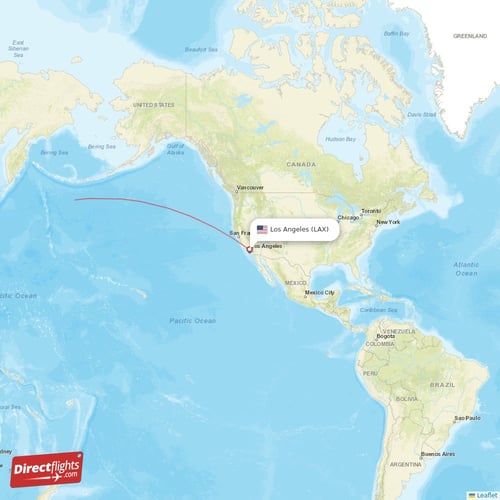
These international routes are particularly susceptible to wind patterns and potential for delays due to customs and immigration processes upon arrival.
Beyond Flight Time: Total Travel Duration
While the “flight time” refers specifically to the duration spent airborne, the actual “travel duration” is a much more encompassing metric, often significantly longer. Smart travelers account for all stages of their journey to accurately plan their trip to California.
Pre-Flight Essentials
Your journey begins long before the plane leaves the tarmac. These pre-flight activities can easily add 2-3 hours (or more for international flights) to your total travel time:
- Travel to the Airport: Depending on traffic and distance, this can vary wildly.
- Check-in: If you’re checking bags, this can take time, even with online check-in.
- Security Screening: This is often the most unpredictable part. Long lines are common at major airports, especially during peak travel times. TSA PreCheck or Global Entry can significantly reduce this wait.
- Boarding: Airlines typically begin boarding 30-60 minutes before departure.
For international flights, arriving 3 hours before departure is generally recommended, while domestic flights usually require a 2-hour buffer. Failing to account for these can lead to missed flights or a highly stressful start to your vacation.
Post-Flight Logistics
Once your plane touches down in California, your travel isn’t over.
- Deplaning: Depending on your seat and aircraft size, getting off the plane can take 10-20 minutes.
- Baggage Claim: If you checked luggage, waiting for your bags can add another 15-45 minutes.
- Customs and Immigration: For international arrivals, this can be a lengthy process, often taking 30 minutes to over an hour, depending on passenger volume and staff availability. Programs like Global Entry expedite this.
- Ground Transportation: Finding a taxi, ride-share, rental car, or public transport to your final destination in California can add significant time, especially from large airports like LAX or SFO where traffic can be intense.
Collectively, these post-flight activities can easily add another 1-2 hours (or more for international arrivals) to your overall journey.
Time Zone Changes and Jet Lag
When flying to California, especially from the East Coast or internationally, time zone changes and the resulting jet lag are important considerations. [California](https://lifeoutofthebox.com/california] observes Pacific Time (PT), which is 3 hours behind Eastern Time (ET) in the United States and often 8 or 9 hours behind major European cities. While not directly adding to the “flight time,” the adjustment period can make your arrival day feel much longer and impact your initial travel plans. A flight arriving at 2 PM local time in Los Angeles from New York might feel like 5 PM to your body, limiting your energy for immediate activities. Planning for rest upon arrival, especially after long-haul flights, is crucial for a pleasant trip.
Optimizing Your Journey to California
Given the variables involved, careful planning can significantly streamline your travel experience to California and reduce your overall travel duration.
Choosing the Right Airport
Don’t just default to LAX or SFO because they are the largest. Research airports closer to your ultimate destination in California. For instance:
- If you’re heading to Orange County or Disneyland, John Wayne Airport (SNA) is often more convenient than LAX.
- For Silicon Valley or the South Bay Area, San Jose (SJC) or Oakland (OAK) might be a better choice than SFO.
- Even Burbank (BUR) or Long Beach (LGB) can be excellent alternatives to LAX for certain parts of the Los Angeles area, often offering quicker security and easier ground transportation.
Choosing a smaller, closer airport can save hours of transit time and stress on the ground, effectively shortening your overall journey.
Booking Direct Flights
Whenever possible, prioritize direct flights. While they may sometimes carry a higher price tag, the time savings and reduced risk of missed connections, baggage issues, and general travel fatigue are often well worth the investment, especially for longer routes. Use flight search engines to filter specifically for direct flights to compare options.
Best Time to Fly
Consider flying during off-peak hours or seasons. Early morning or late-night flights often have less air traffic congestion, potentially leading to smoother take-offs and landings. Weekday travel can also be less crowded than weekend travel. Additionally, flying during less popular travel seasons (e.g., late fall or early spring, avoiding major holidays) can result in fewer delays and shorter lines at security.
Smart Packing and Preparation
Enroll in trusted traveler programs like TSA PreCheck (for domestic flights within the United States) or Global Entry (for international arrivals) to significantly reduce time spent in security and immigration lines. Pack efficiently to avoid checking bags if possible, saving time at baggage claim. Have all necessary documents easily accessible to speed up check-in and security processes.
Managing Layovers
If a direct flight isn’t feasible or affordable, choose connecting flights wisely.
- Allow Ample Layover Time: Don’t book tight connections (less than 1.5-2 hours for domestic, 3 hours for international), especially if you’re unfamiliar with the connecting airport or traveling during peak times. A comfortable layover reduces stress and accounts for potential delays on your first leg.
- Choose Efficient Connecting Airports: Some airports are known for their efficiency and ease of connections (e.g., Phoenix Sky Harbor, Salt Lake City), while others might be more sprawling or prone to delays.
- Consider Overnight Layovers: For very long journeys, an overnight layover can break up the travel, allowing for rest and reducing the impact of jet lag.
In conclusion, the journey to California is a rewarding experience, but understanding the nuances of flight duration is essential for a smooth and enjoyable trip. By considering your origin, destination airport, flight type, and accounting for pre- and post-flight logistics, you can make informed decisions that optimize your travel time and ensure you arrive in the Golden State ready to explore its myriad attractions. The exact number of hours varies greatly, but with careful planning, your path to California can be as efficient as it is exciting.
LifeOutOfTheBox is a participant in the Amazon Services LLC Associates Program, an affiliate advertising program designed to provide a means for sites to earn advertising fees by advertising and linking to Amazon.com. Amazon, the Amazon logo, AmazonSupply, and the AmazonSupply logo are trademarks of Amazon.com, Inc. or its affiliates. As an Amazon Associate we earn affiliate commissions from qualifying purchases.