
The allure of Hawaii is undeniable – a chain of volcanic islands rising majestically from the heart of the Pacific, offering sun-kissed beaches, lush rainforests, vibrant marine life, and a unique culture steeped in the aloha spirit. For many, the dream of a Hawaiian getaway is a potent antidote to the stresses of daily life. However, before you can don your lei and dip your toes into the warm Pacific waters, there’s the inevitable question of the journey: how long does it actually take to fly to Hawaii?
The simple answer is, it depends. The total travel time to this paradise varies significantly based on your departure city, whether you opt for a direct flight or one with layovers, and even the specific Hawaiian island you choose as your final destination. While the journey might seem long for those traveling from the far reaches of the continental United States, the reward of experiencing one of the world’s most breathtaking destinations makes every minute in the air worthwhile. This comprehensive guide will break down typical flight durations, explore the factors that influence travel time, and offer essential tips for making your journey as comfortable and enjoyable as possible, preparing you for an unforgettable Hawaiian adventure.
Understanding Flight Durations to Hawaii
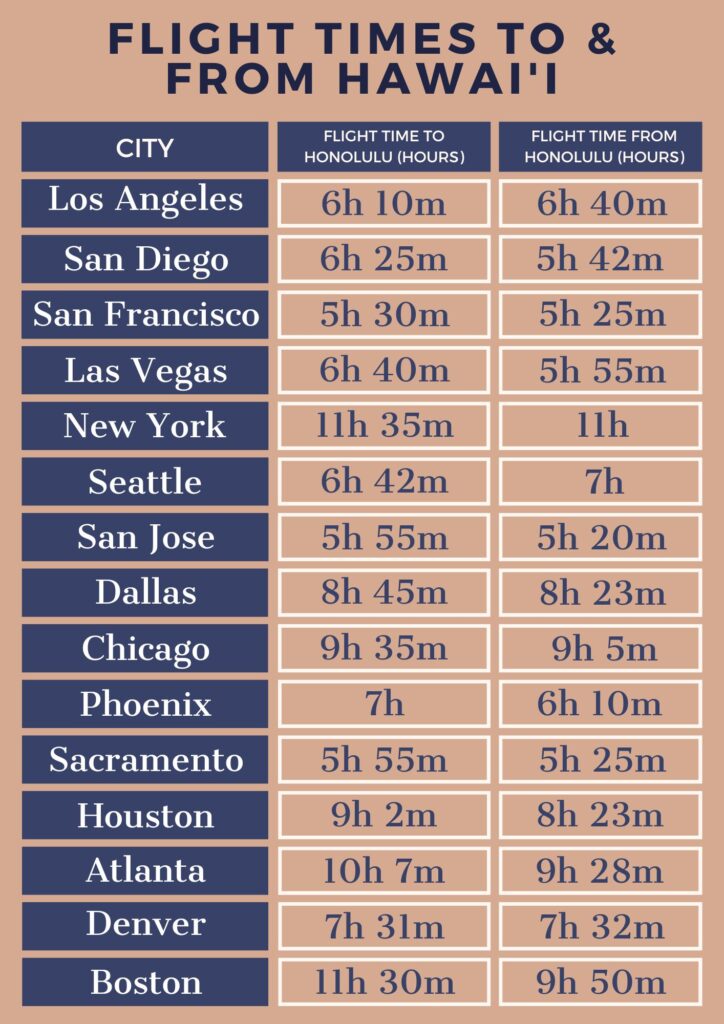
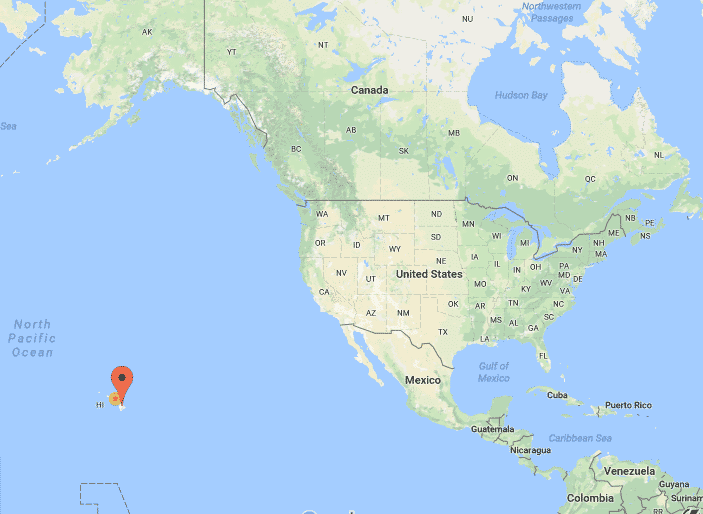
The vast expanse of the Pacific Ocean separates Hawaii from the mainland, making it one of the longest domestic flights for many American travelers. Understanding the typical flight durations from various regions can help you plan your trip effectively and set realistic expectations for your travel day.
Non-Stop Flights from Major US Hubs
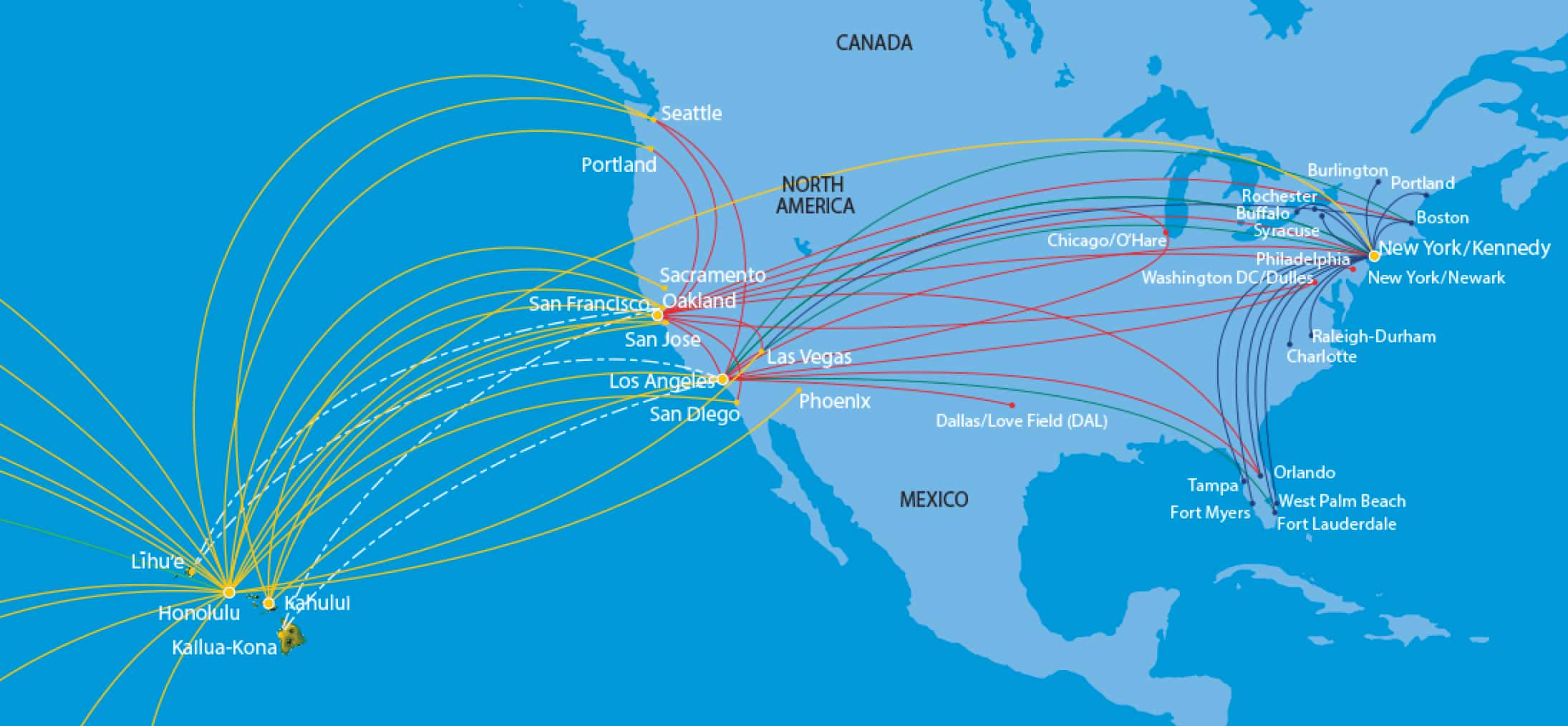
For most travelers, a non-stop flight is the preferred option, minimizing travel time and the hassle of layovers. The duration of these direct flights is largely dictated by the geographical proximity of your departure city to the islands.
-
From the West Coast: This is the shortest leg of the journey for most US travelers. Cities like Los Angeles, San Francisco, Seattle, San Diego, and Portland serve as primary gateways to Hawaii. A direct flight from these hubs typically ranges from 5 to 6 hours. This relatively short duration makes Hawaii a highly accessible destination for West Coast residents, ideal for weekend getaways or shorter vacations. Major airlines like Hawaiian Airlines, Alaska Airlines, United Airlines, Delta Air Lines, and American Airlines all offer frequent non-stop services from these cities to various Hawaiian islands.
-
From the Midwest: Travelers from the central part of the United States can also find non-stop options, though they are less frequent and longer in duration. Cities such as Chicago, Denver, Dallas, Houston, and Phoenix offer direct flights to Hawaii. These flights typically last between 7 to 9 hours. While a longer commitment, the convenience of avoiding a layover can significantly enhance the travel experience, especially for families or those with limited travel flexibility. United Airlines often operates these longer-haul non-stop routes, alongside other major carriers during peak seasons.
-
From the East Coast: For those departing from the East Coast, the journey to Hawaii is the longest. Direct flights from major metropolitan areas like New York, Boston, Washington D.C., Miami, and Orlando are available, though they are often premium routes and less frequent. These non-stop flights can range from 9 to 11+ hours. Given the considerable flight time, it’s crucial to plan for comfort and in-flight entertainment. Travelers from these regions might also consider a layover in a West Coast city, which can sometimes be more cost-effective or offer more convenient scheduling, even if it adds to the overall travel duration.
-
International Flights: Hawaii also serves as a popular destination for international travelers, particularly from Canada and Asia. Flights from cities like Vancouver or Toronto in Canada can range from 5.5 to 10 hours respectively, while flights from Tokyo, Japan, typically clock in at around 7-8 hours.
Factors Influencing Your Flight Time
While the departure city is the most significant determinant of flight duration, several other factors can subtly or substantially alter your travel time to Hawaii.
- Departure City and Your Specific Location: As detailed above, the farther east you are, the longer the flight. This is a simple matter of geographical distance over the Pacific.
- Destination Island: While most long-haul flights from the mainland target Oahu (Honolulu – Daniel K. Inouye International Airport (HNL)), some airlines offer direct flights to other major islands like Maui (Kahului Airport (OGG)), Kauai (Lihue Airport (LIH)), or the Big Island (Kona International Airport (KOA) or Hilo International Airport (ITO)). Flying directly to a neighbor island can save you the time and expense of an inter-island connecting flight from Oahu, which typically adds an extra 30-60 minutes of flight time plus transit time between flights.
- Layover vs. Non-Stop: A flight with one or more layovers will, by definition, increase your total travel time significantly. While a non-stop flight from New York might be 10 hours, a flight with a layover in Los Angeles could easily stretch to 12-15+ hours, depending on the layover duration. Sometimes, layovers are unavoidable due to flight availability or can offer considerable cost savings.
- Aircraft Type & Tailwinds/Headwinds: Modern aircraft, like the Boeing 787 Dreamliner or Airbus A330, are designed for long-haul efficiency. However, even with advanced technology, mother nature plays a role. Strong tailwinds can shave off 30 minutes to an hour from the flight time, while persistent headwinds can add a similar amount. These are factors largely outside of a traveler’s control but contribute to slight variations in advertised flight durations.
- Airline and Route Optimization: Different airlines may have slightly varied flight paths based on factors like air traffic control, fuel efficiency, and established routes. While these differences are usually minor, they can contribute to slight variations in travel time.
Preparing for Your Long-Haul Flight to Paradise
The excitement of reaching Hawaii can sometimes overshadow the journey itself. However, with a bit of preparation, even the longest flights can be comfortable and enjoyable, setting a positive tone for your entire vacation.
Maximizing Comfort on Board
Long flights require a strategic approach to personal comfort. Thinking ahead about what you’ll need and how you’ll spend your time can make a significant difference.
- Seat Selection: If your budget allows, consider upgrading to an economy plus, premium economy, or even business class seat. Extra legroom, wider seats, and enhanced service can transform a long flight. If sticking to standard economy, try to select an aisle seat for easier movement or a window seat if you enjoy gazing at the clouds and the eventual view of the islands. Consider using tools like SeatGuru to research the best seats on your specific aircraft.
- Packing Essentials for Your Carry-On: Your carry-on should be a personal comfort kit. Include a good quality neck pillow, an eye mask, and noise-cancelling headphones to create your personal oasis. Bring a refillable water bottle, as staying hydrated is crucial. Pack some healthy snacks, as airline meals might not always align with your preferences or dietary needs. Layers of clothing are also key, as cabin temperatures can fluctuate. Don’t forget your essential medications, toiletries, and any valuable items.
- Staying Hydrated & Moving: Dehydration is common on long flights due to dry cabin air. Drink plenty of water before and during your flight, and limit alcohol and caffeine intake. To prevent stiffness and reduce the risk of deep vein thrombosis (DVT), get up and walk around the cabin every couple of hours if possible. Perform simple stretches in your seat, flexing your ankles and legs. Compression socks can also be beneficial for circulation.
- In-Flight Entertainment: While most modern aircraft offer extensive in-flight entertainment systems, it’s always a good idea to bring your own. Load up your tablet or smartphone with movies, TV shows, podcasts, e-books, or music. A portable power bank is indispensable to keep your devices charged throughout the journey. A good book or a travel journal can also provide a welcome break from screens.
Beating Jet Lag and Time Zone Differences
Crossing multiple time zones to reach Hawaii means dealing with jet lag. The Hawaiian Islands observe Hawaii Standard Time (HST), which does not observe Daylight Saving Time. This means the time difference with the mainland US is consistent but significant.
-
Understanding the Time Difference:
- From the West Coast (Pacific Time / PDT during Daylight Saving): Hawaii is 2-3 hours behind.
- From the Mountain West (Mountain Time / MDT): Hawaii is 3-4 hours behind.
- From the Midwest (Central Time / CDT): Hawaii is 4-5 hours behind.
- From the East Coast (Eastern Time / EDT): Hawaii is 5-6 hours behind.
-
Pre-Flight Adjustment: A few days before your trip, try to gradually shift your sleep schedule closer to Hawaii Standard Time (HST). Go to bed an hour earlier and wake up an hour earlier each day. Adjust your meal times too. Even small adjustments can help ease the transition.
-
Upon Arrival Strategies: The key to beating jet lag is immediate immersion in local time. As soon as you land, set your watch to Hawaii Standard Time (HST). Seek out sunlight, as natural light helps reset your body clock. Stay active during the day, even if it’s just a walk on the beach. Avoid napping for too long; a short power nap (20-30 minutes) might be okay, but try to stay awake until the local bedtime. Drink plenty of water and eat regular meals to help your body adjust. While it might be tempting to oversleep on your first morning, try to wake up around the local sunrise.
Making the Most of Your Hawaiian Getaway
Once you’ve successfully navigated the journey, the real adventure begins. Hawaii’s diverse islands offer an incredible array of experiences, catering to every type of traveler, from budget-conscious adventurers to luxury seekers.
Choosing Your Island Adventure
Each of the main Hawaiian Islands boasts a distinct personality, offering unique attractions and activities. Understanding these differences is key to planning your perfect vacation.
-
Oahu: The Gathering Place: Home to the capital city of Honolulu and the iconic Waikiki Beach, Oahu is the most populous and bustling island. It’s perfect for those seeking a vibrant mix of city life, historical landmarks like Pearl Harbor, and world-class surfing on the North Shore. Hike to the summit of Diamond Head for panoramic views, or explore the bustling markets and diverse culinary scene of Honolulu. Oahu offers a wide range of accommodation options, from high-rise resorts in Waikiki to more boutique stays.
-
Maui: The Valley Isle: Often considered the most romantic of the islands, Maui is renowned for its luxurious resorts in areas like Wailea and Kaanapali, stunning beaches, and diverse landscapes. Drive the scenic Road to Hana, witness a breathtaking sunrise from the summit of Haleakala, or go whale watching (seasonal, typically November to May). Maui balances adventure with relaxation, making it popular for honeymoons and family trips.
-
Kauai: The Garden Isle: True to its name, Kauai is the lushest and greenest of the Hawaiian Islands, characterized by dramatic cliffs, cascading waterfalls, and verdant valleys. It’s an adventurer’s paradise, offering unparalleled hiking along the Na Pali Coast, kayaking, and helicopter tours for stunning aerial views. Kauai has a more laid-back, tranquil vibe compared to Oahu or Maui, perfect for those seeking immersion in nature and a slower pace.
-
Big Island of Hawaii: The Orchid Isle: The largest and youngest of the islands, the Big Island is incredibly diverse. It’s home to Hawaii Volcanoes National Park, where you might witness active lava flows, and offers snow-capped mountains (Mauna Kea), black sand beaches, lush rainforests, and expansive coffee farms. It’s an ideal destination for those interested in natural wonders, geological exploration, and a mix of adventure and relaxation.
Accommodation and Experiences in Hawaii
Whether you’re planning a lavish escape or a budget-friendly adventure, Hawaii provides a wealth of accommodation and tourism opportunities to match your preferences.
- Resorts & Hotels: Hawaii is famous for its world-class resorts, many offering luxurious amenities, stunning oceanfront views, and exceptional service. Examples include the Four Seasons Resort Maui at Wailea, known for its opulent suites and prime location, or the historic The Royal Hawaiian, a Luxury Collection Resort in Waikiki, often called the “Pink Palace of the Pacific.” Beyond luxury, you’ll find a range of family-friendly hotels, charming boutique hotels, and budget-conscious options. Consider what type of amenities (pool, spa, kids’ club, dining) are important for your stay.
- Vacation Rentals: For a more independent experience or if traveling with a larger group, vacation rentals through platforms like Airbnb or VRBO are an excellent choice. These can range from cozy apartments to sprawling villas, often providing kitchens and laundry facilities, which can be particularly beneficial for longer stays or those looking to save on dining costs.
- Local Culture & Food: Immerse yourself in the local culture by attending a traditional luau, where you can enjoy Hawaiian cuisine, hula dancing, and storytelling. Sample local delicacies like fresh poke, kalua pig, and refreshing shave ice. Embrace the “aloha spirit” – a philosophy of kindness, harmony, and mutual respect that permeates island life. Engaging with local businesses and respecting the natural environment are integral parts of a responsible visit.
- Activities & Attractions: The islands are a playground for all ages. Take surfing lessons at Waikiki Beach, snorkel or dive among vibrant coral reefs, hike through lush rainforests to discover hidden waterfalls, or take a thrilling helicopter tour over volcanic landscapes. Explore famous landmarks like Diamond Head or Pearl Harbor. Each island offers a unique set of attractions and experiences.
- Booking Tips: To secure the best prices on flights and accommodation, it’s generally advisable to book several months in advance, especially if traveling during peak season (winter holidays, spring break, summer). Compare options across different booking sites and consider package deals that bundle flights and hotels. Reading reviews can also help you make informed decisions.
In conclusion, while the flight to Hawaii can range from a relatively quick 5 hours to a marathon 11-hour journey, the destination unequivocally justifies the travel time. By understanding the factors that influence your flight, preparing adequately for the long-haul, and planning your island adventures, you can ensure that your journey to paradise is as seamless and enjoyable as your stay among the breathtaking beauty and warm hospitality of the Hawaiian Islands. Aloha!
LifeOutOfTheBox is a participant in the Amazon Services LLC Associates Program, an affiliate advertising program designed to provide a means for sites to earn advertising fees by advertising and linking to Amazon.com. Amazon, the Amazon logo, AmazonSupply, and the AmazonSupply logo are trademarks of Amazon.com, Inc. or its affiliates. As an Amazon Associate we earn affiliate commissions from qualifying purchases.